
Flowers
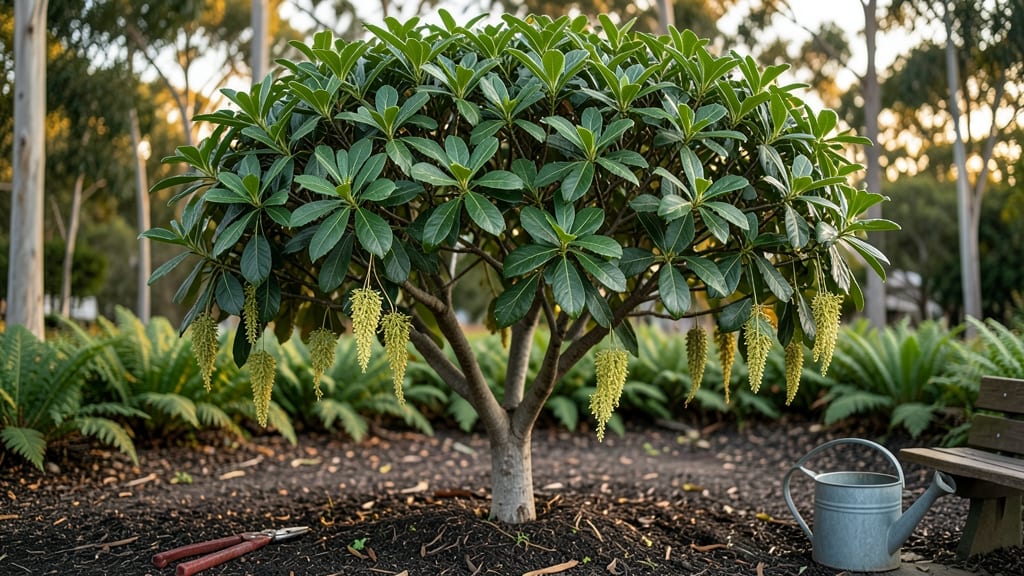
The fragrant paradise tree flowers (Simarouba glauca) turn any garden into a tropical retreat with their delicate, creamy blossoms and glossy foliage. 🌿 I fell for this tree the first time I saw its cascading branches heavy with blossoms—it’s like discovering a hidden oasis in your own yard.
The flowers aren’t just pretty; they smell like vanilla and citrus, drawing hummingbirds and bees into your space.
This tree thrives in warm climates but can handle brief cold snaps, making it perfect for subtropical gardens or as a striking container plant on patios. Its glossy, dark green leaves add year-round texture, while the flowers create a showstopping display in spring and summer.
Pair it with other tropical plants like hibiscus or bird-of-paradise for a lush, vibrant border that feels like a vacation every time you walk by.
What you’ll love most is how effortlessly it fits into any design—whether as a solitary specimen near a seating area or woven into mixed borders for height and fragrance. The tree’s airy branches also make it ideal for creating shade while keeping the space bright and airy.
With minimal care, it rewards you with months of blooms and a garden that feels like paradise.
For best results, plant it where it gets morning sun and afternoon shade, especially in hotter zones. Mulch around the base to retain moisture, and watch it grow into a fragrant, eye-catching centerpiece that becomes the heart of your outdoor space. Ready to bring this tropical beauty home?
📚 In This Guide
- What you need
- Instructions
- Tips and common mistakes
- Wrapping up and next steps
What you need
- ● Paradise Tree Seeds or Sapling: 1–3 seeds (if starting from scratch) or 1 healthy sapling (3–6 feet tall, from a nursery).
- ● Pro tip: 💡 Seeds take 2–3 years to bloom—opt for a sapling for faster fragrant flowers!
- ● Well-Draining Soil: 50 lbs of a mix of garden soil + compost (60:40 ratio) or sandy loam (pH 6.0–7.5).
- ○ Optional: 1–2 cups of perlite or coarse sand to improve drainage.
- ● Fertilizer: 1 lb of balanced 10-10-10 fertilizer (for saplings) or slow-release granular fertilizer.
- ○ Optional: 1 cup of fish emulsion (for nutrient boost).
- ● Tools: 1 trowel, 1 pruning shears, 1 watering can (or hose with gentle spray), and 1 gloves (for handling saplings/seeds).
- ○ Optional: Mulch (2–3 inches of wood chips or pine straw) to retain moisture.
- ● Sunlight: A full-sun location (6+ hours/day)—paradise trees thrive in USDA Zones 10–11 (or container-grown in cooler climates).
- ● Water: Consistent moisture (especially for young plants), but avoid waterlogging. Drought-tolerant once established!
- ● Space: Mature trees reach 30–50 feet tall—plant at least 20 feet from structures or other plants.
Step-by-Step guide to growing paradise tree flowers
Here's how to nurture these fragrant vines into a stunning garden centerpiece.
🌱 Step 1: Choose the Perfect Planting Spot
Paradise tree flowers thrive in bright, indirect light—think dappled shade from a large tree or an east-facing window. Direct afternoon sun can scorch the delicate blooms, while too little light stunts growth. I always test a spot by placing a similar-sized plant there for a week first.
These vines love warmth but hate cold drafts. Aim for a location where temperatures stay above 50°F at night. If you're in a cooler climate, bring potted plants indoors before the first frost. The ideal spot balances airflow (to prevent mildew) with shelter from harsh winds.
☀️ Step 2: Plant with Proper Spacing and Support
Dig a hole twice as wide as the root ball but no deeper. Paradise tree flowers need room to spread—give them 8-10 feet of horizontal space or plant them 12 feet apart if training along a trellis. The roots are shallow but extensive, so avoid compacting the soil when backfilling.
Install a sturdy trellis or arbor before planting—these vines can reach 20-30 feet if given the chance. I use metal cages or wooden frames because they last longer than plastic. Secure the young vine to the support immediately after planting to encourage upward growth. Watch for the first tendrils; that's when you know it's ready to climb.
💧 Step 3: Water Deeply and Maintain Consistent Moisture
Water once a week during the first growing season, soaking the soil to a depth of 12-18 inches. You'll know it's enough when water drips from the drainage holes. Paradise tree flowers hate soggy roots but also can't tolerate drought—the leaves will curl and drop if thirsty.
After establishment, these vines become drought-tolerant, but the blooms suffer if the soil dries completely. I check moisture by sticking my finger 3 inches deep—if it feels dry, it's time to water. Mulch with 2-3 inches of organic material (like shredded bark) to retain moisture and protect roots from temperature swings.
✂️ Step 4: Prune for Health and Abundant Blooms
Prune in late winter or early spring before new growth begins. Remove any dead, diseased, or crossing branches first—this improves airflow and prevents fungal issues. Cut back overgrown vines by one-third to encourage bushier growth and more flowers.
After the first flush of blooms, trim back faded flowers but leave some seed pods if you want more vines. I always save a few pods to dry and plant next season. Avoid heavy pruning in summer—it stresses the plant and reduces fall blooming. Watch for new growth; that's your signal the plant is recovering well.
🌿 Step 5: Fertilize for Vibrant Growth and Fragrance
Use a balanced, slow-release fertilizer (10-10-10) in early spring when new leaves appear. Apply half the recommended dose to avoid burning tender roots. Paradise tree flowers are light feeders—too much fertilizer produces lush foliage but fewer blooms.
In mid-summer, switch to a low-phosphorus fertilizer (like 5-5-5) to encourage flowering. Water the soil thoroughly before applying fertilizer, and keep plants well-watered for two weeks afterward. You'll notice the difference in fragrance within 3-4 weeks—healthier plants produce more intense-scented blooms.
Tips & tricks for perfect paradise tree flowers
Real talk: These fragrant vines are forgiving but need a few key tricks to really shine.
Location Scout: For Step 1, don't just eyeball that spot—test it first! Place a similar-sized plant (like a basil pot) in your chosen location for a week. If leaves yellow or wilt by day 3, move it. I've found that east-facing windows with morning sun and afternoon shade work best in my zone 7 garden. The goal is that "just-right" balance where leaves stay lush but never crispy.
Support System: In Step 2, when installing your trellis, bury the posts 6-8 inches deep for stability—these vines will test even the sturdiest structures once they reach 20 feet. I use metal cages because they resist rust and won't rot like wooden stakes. Pro tip: Install the support BEFORE planting so you can secure the vine immediately after transplanting. That first tendril appearance is your cue to gently tie it to the structure.
Watering Wisdom: The once-a-week rule in Step 3 works, but here's what nobody tells you—water in the morning. This gives leaves time to dry before evening, reducing fungal risks. And when you check that 3-inch depth, press your finger in firmly. The soil should feel like a damp sponge, not a wet rag. Overwatering is the #1 reason these beauties decline.
Pruning Precision: For Step 4's late winter prune, make cuts just above a leaf node where new growth emerges. I use clean, sharp pruners and sterilize them with rubbing alcohol between cuts to prevent spreading disease. The one-third reduction might sound drastic, but trust me—it triggers bushier, more fragrant growth. And those seed pods? Save 3-4 to dry—they'll produce next year's plants with minimal effort.
Pro Tips for Paradise Tree Flowers
- Real talk: These fragrant vines are forgiving but need a few key tricks to really shine.
- Location Scout: For Step 1, don't just eyeball that spot—test it first! Place a similar-sized plant (like a basil pot...
- Support System: In Step 2, when installing your trellis, bury the posts 6-8 inches deep for stability—these vines wil...
Frequently asked questions
Got questions about cultivating paradise tree flowers? You’re not alone! Here are answers to some of the most common queries—from care tips to troubleshooting—to help you grow these fragrant vines with confidence.
How often should I water my paradise tree (Simarouba glauca)?
Water your paradise tree deeply but infrequently—about once a week during dry spells, but reduce to every 2-3 weeks once established. Overwatering is the #1 killer! Check soil moisture 2-3 inches down; if it’s dry, it’s time to water. Mulch heavily to retain moisture and protect roots.
When do paradise tree flowers bloom, and how long do they last?
These stunning white flowers typically bloom in late spring to early summer (May–July in most regions), though timing varies by climate. Each cluster lasts 2–4 weeks, filling the air with a sweet, citrusy fragrance. Pro tip: Prune lightly in winter to encourage bushier growth and more flowers next season!
Can paradise trees grow in containers? What size pot do I need?
Yes! Paradise trees thrive in containers but need space to spread. Choose a pot at least 24–36 inches wide with drainage holes. Use a well-draining potting mix (like cactus/succulent blend) and repot every 3–4 years. Warning: They’re heavy—place pots near walls or use saucers for stability.
Are paradise tree flowers toxic to pets or humans?
Great news: Paradise tree flowers (and leaves) are non-toxic to cats, dogs, and humans! However, the seeds contain mild toxins—keep pets from chewing them. Always monitor new plants, and consult your vet if ingestion occurs. Bonus: Their fragrance repels mosquitoes naturally!
Why aren’t my paradise tree flowers blooming? Troubleshooting tips.
No flowers? Check these fixes:
- Sunlight: Needs full sun (6+ hours/day). Move to a sunnier spot if leaves yellow.
- Age: Young trees (5+ years) may not bloom. Be patient!
- Nutrients: Feed with a balanced fertilizer (10-10-10) in early spring.
- Stress: Overwatering or root-bound pots can delay blooms. Adjust care and repot if needed.
Still stuck? Snap a photo and ask your local nursery for help!
Wrapping up and next steps
The paradise tree flowers are more than just a stunning addition to your garden—they’re a fragrant, low-maintenance dream that brings life, color, and even a touch of the exotic to any outdoor space.
Whether you’re drawn to their delicate blooms or the sweet, citrusy scent they emit, these vines are a game-changer for both novice and seasoned gardeners alike.
Ready to elevate your garden? Start small—plant a single vine in a pot or along a trellis, and watch as it grows into a lush, fragrant masterpiece. Your future self (and your neighbors!) will thank you. 🌿✨