
Light Requirements
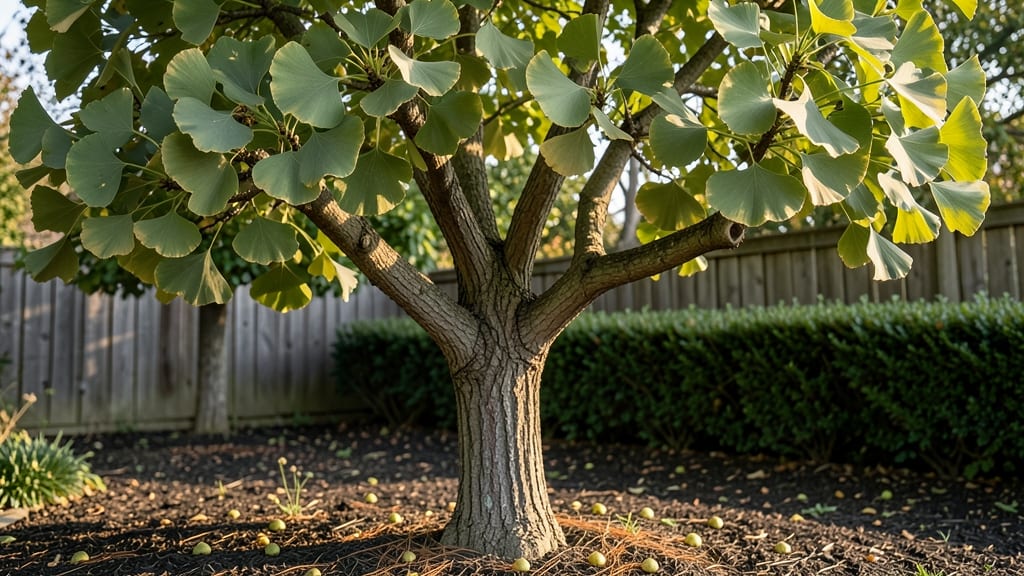
The tree with dark and light green leaves transforms any garden into a living work of art. 🌿 That striking contrast isn't just eye-catching—it's a year-round conversation starter that works in sun or shade.
I've planted three varieties myself, and the dragon tree (Dracaena marginata) with its creamy edges still steals the show after five years.
These trees thrive with minimal fuss: most need well-draining soil and occasional watering once established. The Japanese maple (Acer palmatum) 'Bloodgood' offers deep reds alongside chartreuse, while the strawberry tree (Arbutus unedo) delivers rusty bark and glossy foliage that glows in winter.
They're perfect for focal points, mixed borders, or even as small patio specimens in containers.
What you get is foliage that never goes out of style—no seasonal color change means your garden stays vibrant from spring through frost. The textures alone create depth: velvety dark leaves paired with crisp lighter edges create a visual rhythm that draws the eye.
Imagine that contrast framing your front door or anchoring a shady corner.
Works in nearly any climate zone (5-9 for most varieties), though some prefer coastal conditions. The key is matching the tree's mature size to your space—some stay under 10 feet, while others reach 30. Here's how to choose the perfect one for your landscape.
📚 In This Guide
- What you need
- Instructions
- Tips and common mistakes
- Wrapping up and next steps
What you need
- ● Tree Selection: 1–2 mature Drimys winteri (Winter’s Bark) or Cercidophyllum japonicum (Katsura Tree) saplings (or equivalent species with variegated foliage).
- ○ Optional: Pre-planted container-grown trees (3–5 gallon pots) for instant impact.
- ● Planting Supplies: High-quality well-draining potting mix (50 lbs bag) or native soil amended with compost (20 lbs).
- ● 1–2 mulch bags (shredded bark or pine straw, 2 cubic feet).
- ● 1 garden trowel (6–8” blade) and 1 shovel (for digging).
- ● 1 pruning shears (bypass type, 6–8” blades) for shaping.
- ○ Light & Soil Testing: 1 light meter (optional, for precise sunlight analysis).
- ● 1 soil pH test kit (to ensure ideal 5.5–7.0 range).
- ● Design Enhancements: Decorative garden stakes or stone markers to highlight the tree.
- ● 1–2 complementary shrubs (e.g., Ilex crenata ‘Green Lustre’ for contrast).
- ● Maintenance: 1 fertilizer (slow-release, 10-10-10 or organic options like fish emulsion).
- ● 1 tree guard (plastic or metal, 4–6 ft tall) to protect young trunks.
- ● Seasonal Care: 1 leaf blower or rake (for cleanup).
- ● 1 watering timer (drip irrigation system or smart hose timer).
Step-by-step guide to planting and caring for variegated trees
Here's how to create striking foliage contrast with these eye-catching trees.
🌱 Step 1: Choose the Right Variegated Tree for Your Space
Start by selecting a tree with natural dark and light green variegation like the Emerald 'n' Gold Euonymus or Variegated Holly. These varieties offer bold contrast while remaining hardy in most climates. Consider your space—dwarf varieties like the Golden Privet work well for small yards, while larger trees like the Variegated Maple make dramatic focal points.
Check the mature size of your chosen tree before planting. Most variegated trees reach 15-25 feet tall, so ensure you have enough space for their spread. I always measure the area where I plan to plant and mark the tree's mature outline with stakes to visualize the final look.
🪴 Step 2: Prepare the Planting Site for Optimal Growth
Dig a hole twice as wide as the tree's root ball but only as deep. This prevents burying the trunk too deeply, which can cause rot. Amend the native soil with 2-3 inches of compost mixed into the bottom of the hole to improve drainage and fertility. Variegated trees thrive in well-draining soil—avoid heavy clay that can suffocate roots.
Place the tree in the hole so the top of the root ball sits 1-2 inches above ground level. This prevents water from pooling around the trunk. Fill the hole with the amended soil, pressing gently to remove air pockets. Water deeply right after planting to settle the soil and encourage root contact.
☀️ Step 3: Position for Sunlight and Protection
Most variegated trees need 4-6 hours of sunlight daily to maintain their striking foliage. However, some varieties like the Variegated Boxwood tolerate partial shade, while others like the Golden Privet require full sun. Check your tree's specific light needs before planting.
Protect young trees from harsh afternoon sun in hot climates. I often use a lightweight shade cloth for the first few weeks until the tree establishes its root system. Mulch around the base with 2-3 inches of organic mulch, keeping it 6 inches away from the trunk to prevent rot.
💧 Step 4: Water Consistently and Monitor Foliage Health
Water deeply once a week during the first growing season, providing 1-2 gallons per inch of trunk diameter. Variegated trees are drought-tolerant once established, but young plants need consistent moisture. Check soil moisture by sticking your finger 2 inches deep—water when it feels dry.
Watch for uneven color loss in the variegated leaves, which can signal stress. Overwatering or poor drainage often causes the white or yellow variegation to fade. If you notice this, reduce watering and improve drainage by adding sand or perlite to the soil.
✂️ Step 5: Prune for Shape and Encourage New Growth
Prune in late winter or early spring before new growth begins. Remove dead, crossing, or overcrowded branches first. Variegated trees often develop uneven foliage patterns, so I prune to maintain a balanced look. Use clean, sharp pruners to make cuts just above a leaf node or outward-facing bud.
Thin out dense areas to improve air circulation, which reduces disease risk. Avoid heavy pruning—never remove more than 25% of the tree's foliage in one season. This ensures the tree retains enough energy to support its striking variegation.
Tips & tricks for perfect variegated tree planting
Here's what nobody tells you about getting that showstopping foliage contrast right from the start.
The Right Tree for Your Space: The Emerald 'n' Gold Euonymus is my go-to for small spaces because it stays compact while delivering bold contrast. For larger areas, the Variegated Maple creates dramatic focal points—just make sure you have room for its mature height of 15-25 feet. I always sketch a rough outline of the tree's mature size with stakes before planting to avoid surprises later.
Soil Prep Secret: That 2-3 inches of compost isn't just for show—it's what makes the difference between thriving variegation and dull leaves. Mix it thoroughly with the native soil, especially if you have heavy clay. I like to add a handful of perlite to improve drainage right at planting time, which helps prevent that dreaded variegation fade.
Sunlight Strategy: The 4-6 hours of sunlight rule is non-negotiable for maintaining those striking patterns. For hot climates, I've found that using a lightweight shade cloth for the first few weeks actually helps young trees establish better. It's counterintuitive, but it prevents sunburn while they build their root systems. Remember to remove it after they're established!
Pruning Precision: When you're pruning those uneven foliage patterns in Step 5, focus on creating balance rather than perfection. I always make my cuts just above a leaf node or outward-facing bud—this encourages new growth in the right direction. And never prune more than 25% of the foliage in one season, or you'll risk losing that gorgeous variegation.
Pro Tips for Tree With Dark And Light Green Leaves
- Here's what nobody tells you about getting that showstopping foliage contrast right from the start.
- The Right Tree for Your Space: The Emerald 'n' Gold Euonymus is my go-to for small spaces because it stays compact wh...
- Soil Prep Secret: That 2-3 inches of compost isn't just for show—it's what makes the difference between thriving vari...
Frequently asked questions
Got questions about trees with dark and light green leaves? You’re not alone! Here are some of the most common queries—and their answers—to help you care for these stunning foliage stars.
Why do some trees have leaves with two different shades of green?
This striking contrast is often due to variegation, a natural genetic trait where chlorophyll isn’t evenly distributed. Some leaves produce more pigment in certain areas, creating the dark-and-light effect. Others may have sunburned or nutrient-stressed patches, but true variegated trees keep their pattern year-round.
How long does it take for a tree with variegated leaves to mature?
Most variegated trees (like the Japanese Maple or Dwarf Schefflera) take 3–5 years to show their full color contrast. Patience is key—young leaves often start as solid green before developing their signature pattern. Dwarf varieties may mature faster, while larger species can take 5–10 years for full foliage display.
Do trees with dark and light green leaves need more sunlight?
Actually, too much sun can stress them! While they thrive in partial shade to morning sun, harsh afternoon rays can bleach or scorch the lighter leaves. If you notice browning edges, move the tree to a shadier spot or provide afternoon shade with a sheer curtain or nearby shrubs.
What’s the best alternative if I can’t find a variegated tree?
No worries—try these low-maintenance alternatives for year-round contrast:
- Dwarf Emerald Green Arborvitae (dark green with golden tips)
- Variegated Boxwood (creamy edges with dark centers)
- Golden Rain Tree (bright yellow-green foliage)
- Silver Maple (silvery undersides for a subtle contrast)
My tree’s light green leaves are turning brown—what’s wrong?
Brown patches on lighter leaves usually mean overwatering, underwatering, or sunburn. Check the soil—it should stay slightly moist but not soggy. If the roots are waterlogged, let the soil dry out before watering again. For sunburn, relocate the tree to a shadier area or prune damaged leaves to encourage new growth.
Wrapping up and next steps
Discovering a tree with dark and light green leaves can transform your landscape into a year-round masterpiece of contrast and texture! These stunning plants thrive with the right light—whether basking in full sun or thriving in partial shade—making them perfect for almost any garden. 🌿✨
Now that you’re armed with the knowledge of how to care for, identify, and style these foliage stars, why not take the next step? Visit a local nursery to explore varieties like Dwarf Fishtail Palm or Japanese Maple, or sketch a design for your dream garden spot.
Your outdoor space deserves this vibrant touch—go plant that beauty! 🌱💚