
Trees
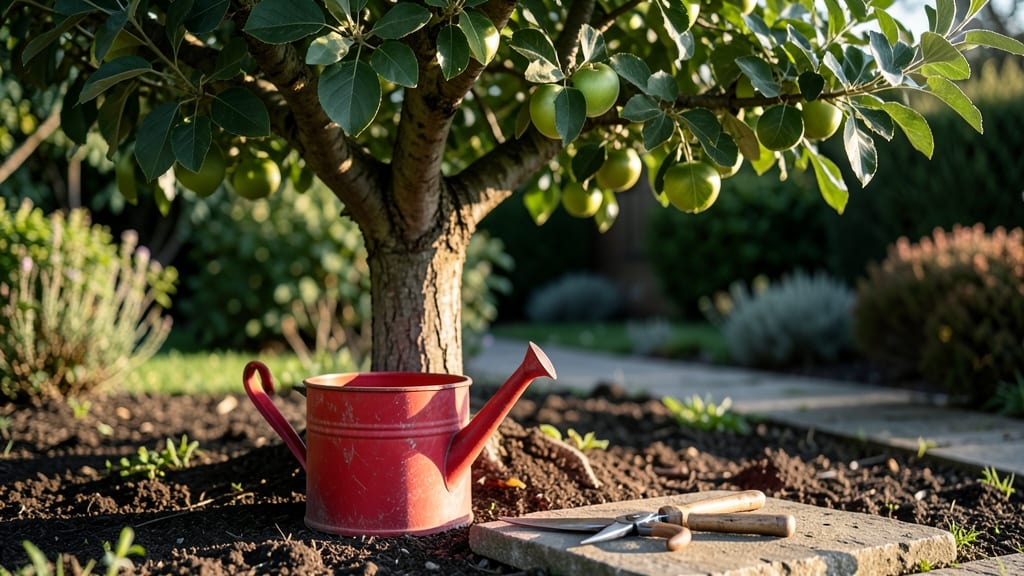
Taking care of fruit trees isn’t just about patience—it’s about understanding their needs from the moment you plant them until the day they bear fruit. 🌳 I’ve watched my own apple tree go from a bare stick to a heavy-branched producer, and the difference comes down to consistent care: the right soil, watering that mimics nature’s rhythm, and pruning that encourages strong growth over dense foliage.
You’ll need sunlight, space, and a few basic tools to get started, but the real secret is matching your care routine to the tree’s life cycle. Young trees need gentle guidance; mature ones reward you with decades of harvests.
The first year sets the foundation—soil prep, proper spacing, and a watering schedule that keeps roots happy without drowning them.
Within a few seasons, you’ll see the payoff: vibrant green leaves, sturdy branches, and—eventually—fruit that tastes like nothing store-bought can match. The key is staying consistent through every season, from winter pruning to summer pest checks, so your tree thrives year-round.
Whether you’re dealing with a backyard peach tree or a dwarf citrus in a container, the principles stay the same. Let’s break down each step so your fruit tree grows strong, healthy, and productive for years to come.
📚 In This Guide
- What you need
- Instructions
- Tips and common mistakes
- Wrapping up and next steps
What you need
- ● Young fruit tree: Choose disease-resistant varieties suited to your climate (e.g., dwarf, semi-dwarf, or standard sizes).
- ● High-quality potting soil or compost: 5–10 gallons, rich in organic matter (e.g., miracle-gro garden soil or homemade compost).
- ● Fertilizer: Balanced fertilizer (10-10-10 or 20-20-20): 1–2 lbs for young trees, 3–5 lbs for mature trees.
- ● Citrus/specialty fertilizer (if applicable): Follow label instructions for dosage.
- ● Mulch: 2–3 inches of wood chips, straw, or pine bark to retain moisture and suppress weeds.
- ● Watering can or hose with a gentle spray nozzle: 5+ gallons capacity for deep watering.
- ● Pruning shears: Sharp, bypass-style shears (avoid anvil types to prevent crushing).
- ● Gloves: Heavy-duty gardening gloves to protect against thorns and sap.
- ● Support stakes or tree ties: 2–3 stakes (4–6 ft tall) and soft jute or plastic ties for young trees.
- ● Tree guard or barrier: Protects trunk from pests (e.g., metal mesh or plastic wrap).
- ● Drip irrigation system: Automates watering for consistent moisture.
- ● Pest control: Neem oil, insecticidal soap, or beneficial nematodes for organic care.
- ● Soil pH tester: Ensures your soil is in the ideal range (most fruit trees prefer 6.0–7.0).
- ● Tree fruit thinners: Helps manage overproduction in bearing trees (e.g., chemical thinners or hand-thinning tools).
Step-by-step guide to year-round fruit tree care
Here’s how I keep my fruit trees healthy and productive through every season.
🌱 Step 1: Prepare Soil and Plant Properly
Start by testing your soil’s pH—most fruit trees thrive in slightly acidic to neutral soil (6.0-7.0). If needed, amend with compost or aged manure before planting. Dig a hole twice as wide as the root ball but only as deep—planting too deep suffocates roots.
Place the tree so the graft union sits 2-3 inches above soil level (this prevents rot). Backfill with native soil, tamp gently, and water deeply to eliminate air pockets. Mulch with 2-3 inches of organic mulch, keeping it 6 inches away from the trunk to avoid moisture buildup.
☀️ Step 2: Water Deeply and Strategically
Young trees need 1-2 inches of water weekly, while established trees tolerate drought better once roots spread. Water at the base, not the leaves, to prevent fungal diseases. I use a soaker hose for slow, deep hydration—this encourages roots to grow downward instead of staying shallow.
Check soil moisture by sticking your finger 2 inches down—if it’s dry, water again. Overwatering is worse than underwatering; fruit trees hate soggy roots. In summer, water early morning to reduce evaporation and fungal risks.
✂️ Step 3: Prune for Health and Fruit Production
Prune in late winter or early spring before buds swell. Remove dead, crossing, or diseased branches first, then thin out 25% of the canopy to improve airflow. Cut just outside the branch collar (the swollen area where the branch meets the trunk) to avoid leaving stubs.
Shape the tree into an open-center form for easy access and better fruit development. Avoid heavy pruning in fall—it encourages new growth that won’t harden off before winter. Sterilize pruners with rubbing alcohol between cuts to prevent spreading disease.
🌿 Step 4: Fertilize and Monitor for Pests
Apply balanced fertilizer (10-10-10) in early spring, then switch to low-nitrogen (5-10-10) as fruit sets to avoid leafy growth at the expense of fruit. I use slow-release granules for steady nutrition without burning roots. Test soil annually—over-fertilizing harms trees just as much as under-fertilizing.
Watch for aphids, scale, or borers—treat early with neem oil or insecticidal soap. Remove heavily infested branches immediately. Healthy trees resist pests better, so focus on soil health and proper watering first. Aphids? Blast them off with water first—often, that’s enough.
Tips & tricks for perfect fruit tree care
Took me years of trial and error to learn these essentials—now your fruit trees will thrive like mine do.
Soil Prep Secret: Before planting, mix compost or aged manure directly into the backfill soil. This gives roots immediate nutrients without burning them. I spread a thin layer at the bottom of the hole first, then mix it in as I backfill—this creates a nutrient-rich zone where roots will naturally grow. The 2-3 inches of organic mulch we add later helps maintain this moisture and nutrient balance.
Watering Wisdom: That 1-2 inches weekly guideline for young trees is a great starting point, but don't rely on memory—use a rain gauge or tuna can buried near the tree to track actual rainfall. I check soil moisture every 2 inches down before watering; if it's damp, wait another day. Early morning watering isn't just about evaporation—it gives leaves time to dry before nightfall, reducing fungal risks like powdery mildew.
Pruning Precision: When you're thinning that 25% of the canopy in Step 3, focus on removing branches that cross or grow inward. These create rubbing points that open wounds where diseases enter. I always make cuts just outside the branch collar—this helps the tree seal the wound naturally. And here's the thing: if you're unsure about a cut, leave it. Better to err on the side of caution with young trees.
Fertilizer Timing: That switch from balanced (10-10-10) to low-nitrogen (5-10-10) when fruit sets is crucial. Too much nitrogen after flowering means leafy growth instead of fruit development. I apply my first spring dose right as buds swell, then wait until I see small fruit before switching. And remember: slow-release granules prevent nutrient spikes that can burn delicate roots.
Pro Tips for Take Care Of Fruit Trees
- Took me years of trial and error to learn these essentials—now your fruit trees will thrive like mine do.
- Soil Prep Secret: Before planting, mix compost or aged manure directly into the backfill soil.
- Watering Wisdom: That 1-2 inches weekly guideline for young trees is a great starting point, but don't rely on memory—use a rain gauge or tuna can buried near the tree to track actual rainfall.
Frequently asked questions
How often should I water my fruit trees?
Water deeply 1-2 times per week during the first year, then taper to every 7-10 days once established (unless it’s extremely hot or dry). New trees need consistent moisture to develop strong roots—think 1-2 inches of water per week. Mulch around the base to retain moisture and reduce evaporation.
When is the best time to prune fruit trees?
Prune late winter or early spring (just before buds swell) for most trees, but summer pruning (after harvest) works for stone fruits like peaches. Avoid heavy pruning in fall—it can leave wounds vulnerable to disease. Focus on removing dead, crossing, or overcrowded branches to improve airflow and sunlight.
How do I prevent pests like aphids or borers from damaging my tree?
Start with prevention: Keep trees healthy with proper watering and pruning. Use neem oil or insecticidal soap for aphids, and beneficial nematodes for borers. For severe infestations, consult a local extension service for targeted solutions. Regularly inspect leaves and bark—early action is key!
Why aren’t my fruit trees bearing fruit? What can I do?
Common culprits include young age (most trees take 3-5 years to fruit), lack of pollination (plant two compatible varieties), or nutrient deficiencies (test soil and amend with compost or fertilizer). Ensure your tree gets 6+ hours of sunlight daily and prune to encourage airflow. Patience and proper care pay off!
Can fruit trees survive extreme heat or cold?
Most fruit trees thrive in USDA zones 5-9, but some (like citrus) need protection from frost (cover young trees or choose cold-hardy varieties). In heatwaves, shade cloth and deep watering help. Research your tree’s specific needs—adjusting care for your climate makes all the difference!
Wrapping up and next steps
Caring for fruit trees is a rewarding journey that blends patience, passion, and a little know-how! 🌳 With the right tools, seasonal attention, and proactive care, you’ll enjoy bountiful harvests and lush growth year after year. Start small—whether it’s pruning, fertilizing, or protecting against pests—and watch your trees flourish.
Ready to take the next step? Plant your first tree today or dive deeper into advanced techniques to become a fruit-tree whisperer. Your garden (and future snacks!) will thank you. 🍎✨