
Pruning
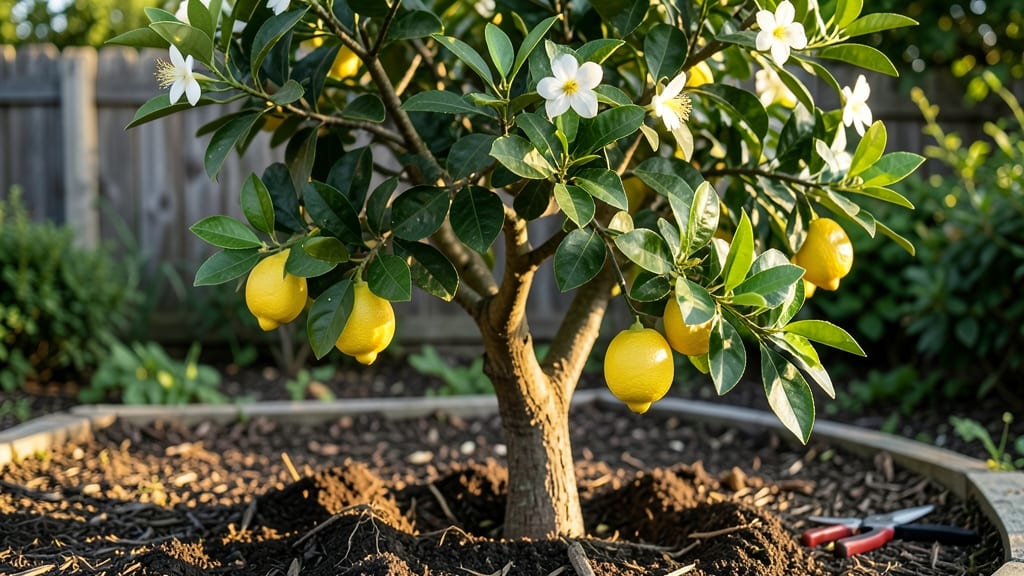
Taking care of a lemon tree means turning your kitchen or patio into a fragrant, fruit-bearing paradise—if you nail the basics. 🌿 I’ve watched my own tree go from a sad, leggy sapling to a thriving plant loaded with lemons, and the secret isn’t complicated: it’s about sunlight, water, and a little seasonal finesse.
Most people overwater or under-prune, and that’s how you end up with yellow leaves instead of lemons.
The right setup starts with well-draining soil and a pot just big enough to hold roots without drowning them. Outdoors, full sun is non-negotiable—think 6+ hours daily—while indoor trees need a south-facing window or grow lights.
Watering’s the trickiest part: let the top 2 inches of soil dry out between drinks, and never let it sit in soggy soil. Fertilize lightly in spring and summer with citrus-specific food, and you’ll see new growth within weeks.
By winter, your tree might look like it’s taking a nap, but that’s normal. Reduce watering and skip fertilizing until spring. With the right care, you’ll harvest your first lemons in 2-3 years, and each tree can produce 50+ fruits annually once mature.
The smell alone—bright, zesty, and impossible to ignore—makes it worth every effort.
Whether you’re growing in a 5-gallon pot or a backyard bed, the principles stay the same. Indoor trees need extra humidity, while outdoor ones might need winter protection in colder zones. Let’s break it down step by step so you can enjoy that first homegrown lemon in no time.
📚 In This Guide
- What you need
- Instructions
- Tips and common mistakes
- Wrapping up and next steps
What you need
- ● Lemon Tree: A healthy lemon tree sapling (Dwarf Meyer Lemon or Eureka Lemon varieties are great choices).
- ● If starting from seed, fresh lemon seeds (soak in warm water for 24 hours to speed up germination).
- ● Pot & Soil: A well-draining pot (10–15 gallons for mature trees) with drainage holes.
- ● Citrus-specific potting mix (or a blend of 50% peat moss, 30% perlite, and 20% sand).
- ● Gravel or small rocks (for the pot’s drainage layer, ~2–3 inches).
- ● Sunlight & Climate: Access to 6–8 hours of full sun daily (south-facing window or grow lights for indoor trees).
- ● A warm environment (60–90°F)—lemon trees hate cold drafts!
- ● Watering Supplies: A watering can with a narrow spout (to avoid disturbing soil).
- ● pH test kit (ideal soil pH: 6.0–7.0).
- ● Fertilizers: Citrus-specific fertilizer (balanced NPK ratio, like 6-6-6 or 8-3-9).
- ● Slow-release granules (apply every 2–3 months).
- ● Epsom salt (magnesium sulfate) (1 tbsp per gallon of water, monthly for yellowing leaves).
- ● Pruning Tools: Bypass pruners (sharp, clean, and sterilized with rubbing alcohol).
- ● Hand pruners or loppers (for thicker branches).
- ● Garden shears (for shaping).
- ● Humidity Tray (for indoor trees—pebbles + water under the pot).
- ● Citrus food supplements (like seaweed extract for extra nutrients).
- ● Mulch (straw or bark) (to retain moisture and regulate temperature).
- ● Tree supports or stakes (if your tree grows tall or top-heavy).
- ● Pest control: Neem oil (natural pesticide for aphids/spider mites).
- ● Horticultural oil (for scale insects).
Step-by-step guide to year-round lemon tree care
Here's how I keep my citrus thriving indoors and outdoors—no fancy tools, just smart care.
🪴 Step 1: Choose the Right Spot for Sun and Airflow
Lemon trees need 6-8 hours of direct sunlight daily—place them near a south-facing window or under grow lights if indoors. I rotate my tree weekly to prevent lopsided growth. Watch for leaves turning yellow on one side—that’s your sign the tree is leaning toward the light.
Outdoor trees need protection from harsh winds, which can damage branches. If growing in pots, position them where they get morning sun and afternoon shade during summer’s peak heat. You’ll know it’s too hot when leaves start curling or dropping—bring it indoors temporarily if that happens.
💧 Step 2: Water Deeply but Avoid Soggy Roots
Water your lemon tree when the top 2-3 inches of soil feel dry—stick your finger in to check. Overwatering is the #1 killer, so I always use a pot with drainage holes and empty the saucer after 10 minutes. Yellowing leaves often mean too much water, while crispy edges signal underwatering.
In winter, reduce watering to every 2-3 weeks since growth slows. I use room-temperature water (never cold) to avoid shocking the roots. A moisture meter helps, but your finger works just fine if you’re consistent.
☀️ Step 3: Feed and Prune for Healthy Growth
Fertilize every 4-6 weeks in spring and summer with a balanced citrus fertilizer (I use 10-10-10). Skip fertilizing in fall and winter—your tree’s resting then. You’ll see new leaves and buds as a sign it’s getting enough nutrients.
Prune in late winter or early spring before new growth starts. Remove dead or crossing branches with clean sterilized shears, and trim back leggy growth to encourage bushier shape. Never prune more than 25% of the tree at once—this prevents stress.
✂️ Step 4: Protect and Harvest for Long-Term Success
Watch for pests like aphids or spider mites—wipe leaves with soapy water if you spot them. I also mist the tree occasionally to deter pests naturally. If fruit drops prematurely, it’s often due to low humidity or sudden temperature swings—move the tree to a more stable spot.
Harvest lemons when they’re fully yellow and slightly soft to the touch. Twist gently to avoid damaging the branch. Store unripe fruit in a paper bag with a banana to speed ripening—ethylene gas from the banana triggers it.
Tips & tricks for perfect lemon tree care
Real talk: Lemon trees are forgiving, but these small tweaks make all the difference between a struggling plant and a fruit-bearing beauty.
Light Strategy: That 6-8 hours of sunlight is non-negotiable, but here's the thing—indoor grow lights work best if they're 6 inches above the tree and run for 12-14 hours daily. I use LED grow lights on a timer, and my tree produces just as well as my outdoor one. The key is simulating that long daylight period citrus trees crave in their native Mediterranean climate.
Watering Wisdom: The finger test works, but I've learned to check soil moisture at the same time each day—usually morning—to avoid confusion. Pro tip: Use a terracotta pot (not plastic) for better moisture control—it wicks away excess water through the walls. And never let your tree sit in saucer water longer than those 10 minutes—root rot happens faster than you think.
Fertilizer Timing: Those 4-6 week intervals are perfect, but here's what nobody tells you—always fertilize in the morning when the tree is actively photosynthesizing. I mix my 10-10-10 fertilizer with water first, then water thoroughly afterward to prevent salt buildup. In late summer, I switch to a low-nitrogen fertilizer to prep the tree for dormancy.
Pruning Precision: When you're trimming in late winter, focus on removing branches that grow toward the center of the tree—this opens up airflow and sunlight penetration. I use rubbing alcohol to sterilize my shears between cuts to prevent disease spread. And save those pruned branches! You can propagate new trees from them in water.
Pro Tips for Take Care Of A Lemon Tree
- Real talk: Lemon trees are forgiving, but these small tweaks make all the difference between a struggling plant and a fruit-bearing beauty.
- Light Strategy: That 6-8 hours of sunlight is non-negotiable, but here's the thing—indoor grow lights work best if they're 6 inches above the tree and run for 12-14 hours daily.
- Watering Wisdom: The finger test works, but I've learned to check soil moisture at the same time each day—usually morning—to avoid confusion.
Frequently asked questions
Got questions about keeping your lemon tree thriving? Here are answers to the most common concerns—from pruning to pests and everything in between!
How often should I prune my lemon tree?
Prune your lemon tree 2-3 times a year: once in late winter (before new growth), again after flowering, and lightly after harvest. Focus on removing dead, crossing, or overcrowded branches to improve airflow and sunlight exposure. Avoid heavy pruning in summer—it can stress the tree.
When will my lemon tree start producing fruit?
With proper care, a potted lemon tree may fruit in 3-5 years, while outdoor trees can bear fruit in 2-3 years. Young trees need patience—ensure they get 6+ hours of sunlight daily, well-draining soil, and regular watering. Female flowers (larger, with a pistil) are key to fruit development!
What are the most common pests for lemon trees, and how do I treat them?
Watch for aphids, spider mites, and scale insects. Treat mild infestations with a neem oil spray or insecticidal soap. For severe cases, prune affected branches and introduce beneficial insects like ladybugs. Keep your tree healthy—stress attracts pests!
Can lemon trees survive winter, and how do I protect them?
Most lemon trees (like Meyer lemons) tolerate 20–30°F, but frost can damage leaves. Move potted trees indoors or wrap outdoor trees in burlap. Mulch the base for extra insulation. If leaves brown, trim them back—the tree will regrow!
Should I fertilize my lemon tree in winter?
No! Lemon trees are dormant in winter—skip fertilizing until early spring (February/March). Use a balanced citrus fertilizer (like 6-6-6) every 2-3 months during growing season. Over-fertilizing in winter can burn roots.
Can I grow a lemon tree indoors year-round?
Yes! Choose a dwarf variety (like ‘Meyer’) and place it near a south-facing window (6+ hours of light). Supplement with a grow light if needed. Keep humidity high (mist leaves or use a pebble tray) and rotate the pot monthly for even growth.
Wrapping up and next steps
Caring for a lemon tree is a rewarding journey that blends patience, love, and a little green thumb know-how. With the right location, watering routine, and pruning techniques, you’ll soon enjoy fresh lemons straight from your backyard—plus the joy of nurturing life! 🌱✨
Ready to take the next step? Start by observing your tree—note its growth patterns and adjust care as needed. And if you’re eager to expand your gardening skills, consider growing another citrus tree or experimenting with companion plants to boost your harvest. Happy growing!