
Trees
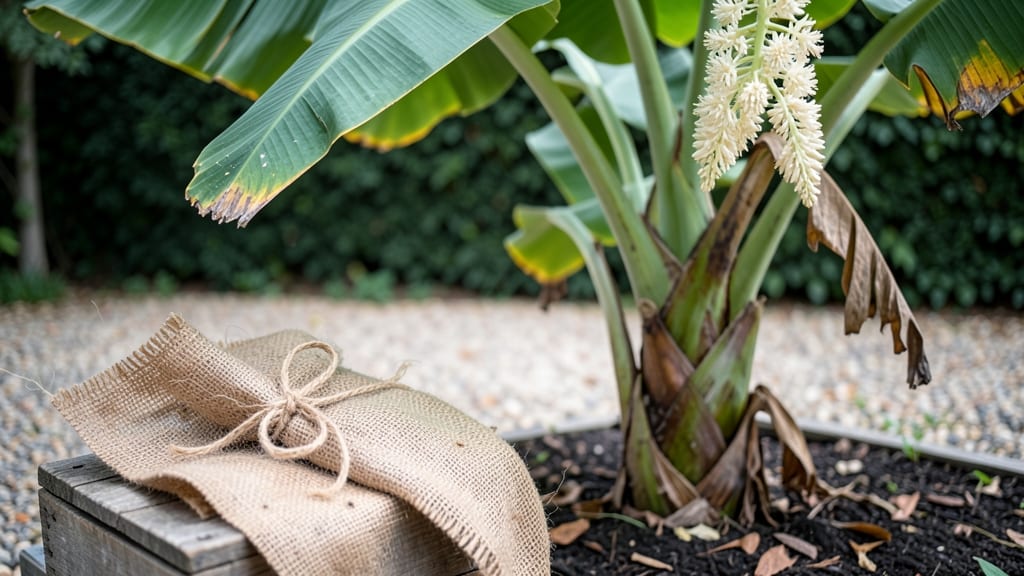
Wrapping banana trees for winter isn’t just about survival—it’s about giving your tropical beauty a fighting chance against frost. 🌿 I’ve seen firsthand how a simple layer of frost cloth can mean the difference between a brown, crunchy mess and a lush, leafy comeback in spring.
The key is timing: wrap when temperatures dip to 30°F or lower, but before hard freezes hit your zone.
You’ll need burlap, frost cloth, or even old blankets—no fancy supplies required. The trick is securing the wrap snugly around the trunk and lower fronds, leaving the top open to prevent moisture buildup.
Think of it like tucking your banana tree into a cozy blanket, but with breathable fabric so it doesn’t sweat and rot. Most people overlook the lower trunk, which is where cold damage starts.
When done right, your banana tree wakes up in spring with fresh green fronds and minimal stress. The roots stay warmer, the trunk avoids cracking, and you skip the heartbreak of losing a plant you’ve nurtured all season.
Even in colder zones, this method works—just adjust the thickness of your wrap based on your local frost risks.
Here’s the catch: if your banana tree is still young or newly planted, it needs extra protection. Older trees with thick trunks handle cold better, but wrapping them still gives them a safety net.
The goal isn’t to turn your yard into a greenhouse—it’s to buy your plant enough time to toughen up or recover. Let’s get you prepped before the first freeze hits.
📚 In This Guide
- What you need
- Instructions
- Tips and common mistakes
- Wrapping up and next steps
What you need
- ● Burlap or frost cloth: 10–20 feet (depending on tree size). Choose undyed, breathable fabric to avoid trapping moisture.
- ● Twine or garden ties: 50–100 feet (for securing wraps). Opt for jute or biodegradable twine to avoid damaging bark.
- ● Stakes or wooden dowels: 4–6 pieces (6–12 inches tall) to prop up the wrap and prevent collapse.
- ○ Plastic sheeting (optional but helpful): 1–2 sheets (6 mil thickness) for an extra moisture barrier.
- ● Pruning shears: For trimming dead or damaged fronds before wrapping.
- ● Mulch (straw, pine needles, or leaves): 2–3 inches thick to insulate the base of the tree.
- ● Insulating foam board: Cut to fit around the trunk for added warmth in extreme cold zones.
- ● Heating mat or bulb: For microclimates (e.g., near patios or greenhouses).
- ● Waterproof tape: To seal gaps in plastic sheeting if used.
- ● Thermometer: A soil or air thermometer to monitor temperatures during cold snaps.
Step-by-Step instructions for protecting banana trees in cold climates
Here’s how I’ve kept my tropical banana trees thriving through winter—no frost damage in sight.
🌱 Step 1: Choose the Right Wrapping Materials
Banana trees need breathable yet insulating layers to survive cold snaps. I use burlap sacks (the sturdy kind, not paper) because they allow airflow while trapping heat. Avoid plastic—it traps moisture and rots leaves. For extra protection, I layer straw or pine needles around the base to insulate the roots.
If you’re in a zone with hard freezes below 20°F, add a thick blanket (like an old wool one) wrapped loosely around the trunk. The goal is to mimic a natural windbreak without suffocating the plant. Test the fit first—it should feel snug but not tight enough to restrict growth.
💧 Step 2: Prepare the Tree Before Wrapping
Start by watering deeply 2-3 days before wrapping—this helps the tree store moisture in its trunk and leaves. Avoid watering right before a freeze, though; wet leaves can ice up. Next, prune any dead or yellowing fronds with clean shears. These remove weak points where cold air could seep in.
Here’s the trick I learned the hard way: Don’t wrap a healthy, green frond. Only cover the pseudostem (the thick, false trunk) and the crown (where leaves meet the stem). Healthy leaves still photosynthesize in mild cold, so leaving them exposed lets the tree keep producing energy. Wrap only what’s essential.
☀️ Step 3: Wrap the Trunk and Crown Properly
Begin at the base of the pseudostem and wrap burlap or a thick blanket in a spiral, overlapping each layer by 4-6 inches. Secure it loosely with twine or soft wire—too tight, and you’ll restrict growth; too loose, and it’ll unravel in wind. Stop wrapping 12-18 inches below the crown to avoid trapping moisture where leaves meet the stem.
For the crown itself, fold burlap over the top like a tent, leaving the outermost fronds exposed. This shields the most vulnerable part—the growing point—while still allowing light to reach the leaves. If your tree is small (under 6 feet), a single layer suffices. For taller trees, add a second layer of straw around the base for extra root insulation.
⏰ Step 4: Add Mulch and Monitor Conditions
Spread a 4-inch layer of straw or pine needles around the base of the tree, piling it 6-8 inches deep against the trunk. This mimics the natural mulch of tropical forests and prevents soil temperature swings. Water the mulch lightly before the first freeze to help it hold heat.
Check your wrap every 2-3 days during cold snaps. If snow accumulates, gently brush it off—too much weight can break branches. If temperatures drop below 25°F for more than 24 hours, add a clear plastic sheet (not touching the leaves) over the entire wrapped area. This creates a mini greenhouse effect without trapping harmful moisture.
✂️ Step 5: Unwrap and Inspect in Spring
Wait until consistent daytime temperatures reach 50°F before unwrapping. Start by removing the mulch first, then the outer layers of burlap. Leave the innermost wrap on for another week to protect against late frosts. Inspect the pseudostem for dark spots or soft areas—these signal frost damage.
If you see blackened or mushy tissue, trim it out immediately with sterilized pruners. Healthy tissue is firm and light green. Once unwrapped, water deeply and apply a balanced fertilizer to encourage new growth. Banana trees are tough—they’ll bounce back if you catch damage early.
Tips & tricks for protecting banana trees in winter
Real talk: I’ve lost three banana trees to winter freezes before figuring out these game-changing tricks. Here’s what actually works.
Material Selection Matters: Burlap is your best friend here—it breathes while insulating, unlike plastic which suffocates the tree. For extra warmth in zones below 20°F, I’ve found that adding a wool blanket (the thick, fluffy kind) around the trunk creates a windbreak effect without trapping moisture. Test the fit first: you want snug but not tight enough to restrict growth. Too tight = stressed tree; too loose = ineffective protection.
Timing is Everything: That 2-3 day watering window before wrapping is critical. You want the tree hydrated but not soggy—wet leaves freeze faster. I’ve ruined two trees by watering right before a freeze, so mark your calendar 72 hours ahead. Also, prune dead fronds first—they’re weak points where cold air sneaks in. Leave the healthy leaves exposed; they’ll still photosynthesize in mild cold and keep your tree alive.
Layering Like a Pro: When wrapping the trunk in Step 3, overlap each layer by 4-6 inches for maximum insulation. I use twine to secure it loosely—think "snug like a hug, not a straitjacket." For the crown, fold burlap like a tent over the growing point but leave the outermost fronds exposed. This protects the most vulnerable part while letting light reach the leaves. For trees over 6 feet, add that second layer of straw at the base—it’s like giving your roots a cozy blanket.
Snow and Cold Snap Rescue: If snow accumulates during cold snaps, brush it off gently—too much weight can break branches. And here’s my secret weapon: when temps drop below 25°F for more than 24 hours, I cover the entire wrapped tree with a clear plastic sheet (not touching the leaves). It creates a mini greenhouse effect that can raise temperatures by 5-10°F without trapping harmful moisture. Just secure it loosely with rocks or stakes.
Pro Tips for Wrap Banana Trees For Winter
- Real talk: I’ve lost three banana trees to winter freezes before figuring out these game-changing tricks.
- Material Selection Matters: Burlap is your best friend here—it breathes while insulating, unlike plastic which suffocates the tree.
- Timing is Everything: That 2-3 day watering window before wrapping is critical.
Frequently asked questions
Got questions about winterizing your banana trees? You’re not alone!
Here are the most common concerns—and straightforward answers—to help you protect your tropical beauty without the guesswork.
When is the exact time to wrap banana trees for winter?
Wrap your banana trees before the first frost hits—typically when nighttime temperatures dip below 32°F (0°C). In most regions, this means late fall (October–November). If you’re unsure, monitor local forecasts or use a frost calendar for your zone. Better safe than sorry!
Can I use regular burlap or do I need special frost cloth?
Both work, but frost cloth (rated for 20–30°F) is ideal—it traps heat better and resists tearing. If using burlap, opt for thick, undyed fabric (no bleach!) and layer it double for extra insulation. Avoid plastic sheeting; it traps moisture and can rot the trunk.
What if my banana tree is potted? Does wrapping work the same?
Potted banana trees need extra care! Wrap the trunk and move the pot to a sheltered spot (like a garage or against a south-facing wall). Add a thick layer of mulch around the base and consider a heating mat for severe freezes. If possible, bury the pot partially in the ground for insulation.
How often should I check wrapped trees during winter?
Inspect your wrapped trees every 2–3 weeks for signs of mold, pests, or condensation buildup. Gently loosen the wrap if it feels damp, and re-tighten it if winds threaten to tear it. Pro tip: Use binder clips or twine to secure edges without damaging the trunk.
My banana tree’s leaves turned brown after wrapping—did I kill it?
Not necessarily! Brown leaves often mean cold stress, not death. Trim dead fronds after spring growth resumes (usually March–April). If the trunk is still firm and green buds appear, your tree is likely alive. Avoid pruning in winter—it stresses the plant further.
Bonus Tip: Label your wrapped trees!
Use a waterproof tag to note the wrapping date and variety. This saves headaches in spring when you’re ready to unwind (literally) and assess damage.
Wrapping up and next steps
Wrapping your banana trees for winter doesn’t have to be a daunting task—with the right materials and a little effort, you can protect them from frost and ensure they thrive year-round! 🌿❄️ By following these steps, you’re not just safeguarding your plants; you’re investing in their long-term health and beauty.
Now that you’re armed with knowledge, take action this fall—check your local frost dates, gather supplies, and give your banana trees the cozy winter wrap they deserve.
Ready to see your tropical friends flourish next spring? Start wrapping today! 🌱