
Pruning
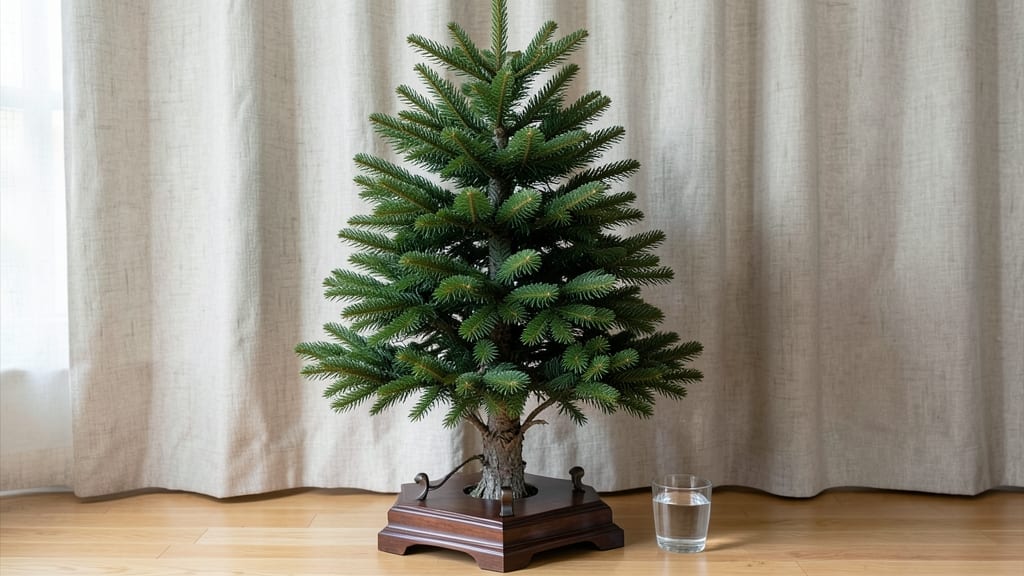
Keeping your alive Christmas tree fresh through the holidays isn’t just possible—it’s simpler than you think. I’ve pruned and cared for living trees for years, and the secret lies in a few foolproof techniques that prevent needle drop and keep branches lush.
The first step is choosing a healthy tree at the lot, but even that’s easier than it sounds.
Start with a well-watered tree—cut the trunk at a 45-degree angle before bringing it indoors to maximize water uptake. Place it in a sturdy stand with 1 gallon of water per inch of trunk diameter, and check levels daily.
Humidity is key: mist the needles or use a pebble tray with water to mimic outdoor conditions. Avoid drafts, and keep the tree away from heat sources like fireplaces.
After the holidays, don’t discard it! With proper pruning and gradual acclimation, many trees survive for years. Trim any damaged branches, move it outdoors in stages, and replant in well-draining soil. You’ll be rewarded with a thriving evergreen that outlasts store-bought alternatives. The payoff? A sustainable centerpiece that keeps giving.
Whether you’re a first-time tree owner or a seasoned pruner, these tricks work for any climate. The only requirement? A little patience and the right tools. Let’s get started—your tree’s future begins now.
📚 In This Guide
- What you need
- Instructions
- Tips and common mistakes
- Wrapping up and next steps
What you need
- ● Freshly cut Christmas tree: A healthy, live evergreen (e.g., Nordmann fir, Fraser fir, or Colorado blue spruce) with a 4- to 6-inch diameter trunk and 6+ feet tall.
- ● Sharp pruning shears: Bypass pruners (avoid anvil shears—they crush branches). Size: 6- to 8-inch blades for medium branches.
- ● Disinfectant: 70% isopropyl alcohol or a 10% bleach solution (1 part bleach to 9 parts water) to sterilize tools.
- ● Rooting hormone: Powder or gel (e.g., Rootone or Clonex) to boost root growth.
- ● Well-draining potting mix: A blend of 50% peat moss, 30% perlite, and 20% sand (or pre-mixed evergreen soil).
- ● Large container: A 5-gallon pot or larger with drainage holes (diameter should accommodate the tree’s root ball).
- ● Watering can or hose: With a gentle spray nozzle for hydration.
- ● Mulch or bark: 2-3 inches of pine bark or wood chips to retain moisture.
- ○ Tree stand or stakes: Optional but helpful for stability while the roots establish (use 3-4 stakes for support).
- ● Clear plastic bag: To create a humid microclimate while the tree acclimates (remove once roots form).
- ● Fertilizer: Slow-release evergreen-specific fertilizer (apply lightly after 6-8 weeks).
- ● Tree light clips: If you want to temporarily decorate while roots grow (use LED lights only!).
- ● Growth regulator: Paclobutrazol (e.g., Bonzi) to control height if desired (apply sparingly).
- ● Indoor grow lights: If keeping the tree inside long-term (12-14 hours of light daily).
Instructions: how to keep your Christmas tree fresh all season long
Here's the straightforward method I've used for years to extend your tree's life well beyond December.
Choose the Right Tree and Prepare the Base
Start with a fresh-cut tree—look for a bright green color and a sticky sap at the base, which means it was recently harvested. Once home, remove about ½ inch from the trunk using a handsaw or pruning shears. This fresh cut lets the tree absorb water immediately.
Place your tree in a sturdy 5-gallon bucket or stand filled with 4 gallons of water. The base should be fully submerged, as water rises through the trunk's natural channels. I like to use a tree watering bag—it keeps the water level consistent without daily refills.
Prune Strategically for Airflow and Shape
Trim 1-2 inches from the tips of branches to remove dried needles and improve the tree's ability to absorb water. Focus on the outer third of the tree where most browning starts. Use sharp bypass pruners for clean cuts—dull blades crush stems and slow healing.
Step back and assess the shape. If one side looks sparse, redistribute branches by gently bending them outward. This prevents uneven drying and keeps the tree looking full. Real talk: Don't over-prune—you're shaping, not stripping.
Maintain Water and Humidity Daily
Check the water level every 2-3 days—a freshly cut tree drinks 1-2 gallons per day. Top off with lukewarm water to prevent shock. I add a few drops of tree preservative (like those with anti-desiccants) to slow moisture loss through the needles.
Mist the tree lightly with water every few days, especially in dry indoor air. Aim for the needles—not the lights. A humidifier nearby helps too, as Christmas trees lose moisture faster than houseplants.
Adjust Light and Temperature for Longevity
Keep your tree away from heat sources like fireplaces or vents—70-75°F is ideal. Drafts from windows or doors dry it out faster. If possible, place it near a north-facing window for indirect light, which reduces stress.
Turn off Christmas lights every 8-10 hours to give the tree a break. Overheated needles crisp faster. LED lights run cooler and are safer for extended use, but even they need rest periods.
Revive and Refresh Weekly
Once a week, give the tree a weekly refresh: trim another ½ inch from the trunk and refill the water. This prevents clogging and keeps the cut fresh. Shake the tree gently outdoors to dislodge dust and debris—this improves airflow and appearance.
If you notice browning, don't panic. Prune those branches back to fresh green growth. The tree will regenerate if it's still hydrated. I've kept trees looking vibrant for 6-8 weeks this way—long after most are tossed!
Tips & tricks for perfect year-round Christmas tree freshness
Here's what nobody tells you about keeping your tree looking festive for weeks—without the guesswork.
Tree Selection Tip: When choosing your tree, run your hand along the branches. If you see a lot of brown needles that don't fall off, that's a sign the tree was cut too long ago. Fresh trees will have very few brown needles, and the trunk should feel sticky with sap when you touch it. This sap is your first clue that the tree is ready to drink up the water you'll provide.
Pruning Technique: In Step 2, when you're trimming those 1-2 inches from the branch tips, work from the inside out. Start with the inner branches first—they're often more crowded and dry out faster. Use sharp pruners and make clean cuts at a 45-degree angle to prevent tearing. I've found that trimming just the tips (not the entire branch) keeps the tree looking full while improving water absorption.
Watering Strategy: The 4 gallons of water in your 5-gallon bucket might seem like plenty, but remember that freshly cut trees drink 1-2 gallons per day. I like to use a clear bucket so I can see the water level drop. If you're away for more than 3 days, consider adding a tree watering bag—it automatically keeps the base submerged without daily refills, which is perfect for vacations.
Light Management: Those 8-10 hours of light breaks are crucial. If you're using traditional incandescent lights, you'll definitely want to follow this rule. But even with LED lights, giving your tree a rest period prevents overheating. I've noticed that trees kept in dimly lit areas (like basements) stay fresher longer than those near bright windows—paradoxically, too much light can dry them out faster.
Pro Tips for Alive Christmas Tree
- Here's what nobody tells you about keeping your tree looking festive for weeks—without the guesswork.
- Tree Selection Tip: When choosing your tree, run your hand along the branches.
- Pruning Technique: In Step 2, when you're trimming those 1-2 inches from the branch tips, work from the inside out.
Frequently asked questions
Got questions about keeping your Christmas tree alive long after the holidays? Here are some common concerns—and easy solutions—to help you master the art of year-round freshness!
Can I keep my Christmas tree alive for more than one year?
With proper care—like regular watering, pruning, and indoor-outdoor rotation—many trees thrive for years. Norway spruce and Douglas fir are top picks for longevity. Just avoid letting the soil dry out completely, and give it a cozy spot with indirect sunlight.
How soon after cutting should I plant my tree?
Plant your tree within 24–48 hours of cutting to maximize survival. If you can’t plant immediately, store it in a cool, damp area (like a garage) and keep the cut end submerged in water. Pro tip: Trim the trunk at a 45° angle before planting to boost water absorption!
How often should I water an alive Christmas tree?
Water deeply 2–3 times per week during the first month, then adjust based on weather. Stick your finger 2 inches into the soil—if it’s dry, it’s time to hydrate. In winter, reduce watering but never let the roots dry out. A 5-gallon bucket of water per watering session works for most trees.
What’s the best way to protect my tree in winter?
Wrap the trunk in burlap or tree wrap to prevent rodent damage, and mulch the base (but avoid piling it against the trunk). If you’re in a harsh climate, consider moving potted trees to a sheltered spot or covering them with frost cloth. Bonus: A light dusting of snow acts as natural insulation!
What if my tree’s needles turn brown or fall off?
Brown needles often signal thirst, stress, or pests. Check for dry soil first—water deeply if needed. If pests (like spider mites) are the culprit, spray with soapy water or neem oil. Prevention tip: Inspect your tree regularly and prune damaged branches to encourage new growth.
Are there alternatives to cutting a live tree for an alive Christmas tree?
Yes! Consider potted evergreens (like pine or fir) from nurseries—they’re pre-rooted and ready to replant. You can also rent a live tree from local services (some even deliver!). For a budget-friendly option, propagate cuttings from a healthy tree using rooting hormone and a moist medium.
Wrapping up and next steps
Bringing your alive Christmas tree back to life is easier—and more rewarding—than you think! 🌲 With the right pruning techniques, fresh water, and a little TLC, you can keep your tree thriving for years to come.
Whether you’re a first-time pruner or a seasoned green thumb, these simple steps ensure your tree stays lush, healthy, and ready to spark joy every holiday season.
Now that you’re armed with the know-how, take action! Grab your shears, set up your tree’s new home, and give it the care it deserves. Your future holiday celebrations will thank you—and your tree will be the star of the show for seasons to come. 🎄✨