
Trees
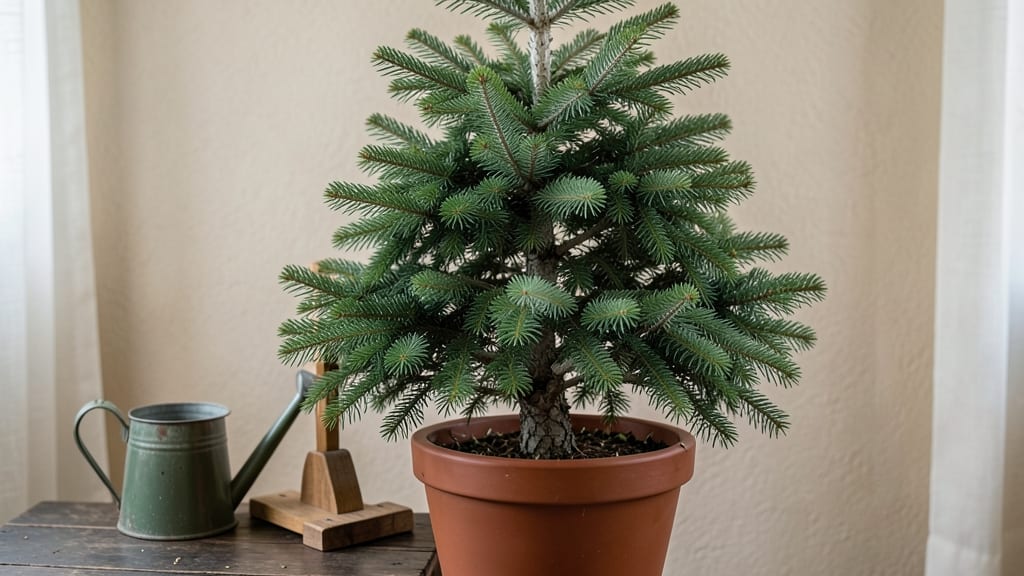
Keeping your Christmas tree healthy—whether it’s a cut tree or living potted one—starts with the right care before, during, and after the holidays. 🌲 I’ve learned the hard way that neglecting water, light, or humidity turns a festive centerpiece into a sad, brittle mess by New Year’s. The key is treating your tree like a houseguest: give it what it needs to thrive, and it’ll reward you with vibrant needles and that fresh pine scent all season.
For cut trees, watering daily is non-negotiable—think of it as a thirsty plant that drinks gallons in a week. A stand with a wide base (at least 4 inches) holds more water and keeps the trunk submerged.
Potted trees need bright light near a window or grow lights, plus occasional misting to combat dry indoor air. Both types hate drafts, so keep them away from heaters and fireplaces.
What you’ll end up with is a tree that stays lush and fragrant through the holidays, not a dusty relic by January 1st. Post-holiday, cut trees can be recycled, but potted trees?
With proper care, they’ll grow into a shade tree for your yard. The secret is consistency—just a little attention makes all the difference.
Whether you’re decorating for the first time or a seasoned host, this care routine works for both indoor and outdoor setups. Let’s make sure your tree stays as beautiful as the memories you’ll create under its branches.
📚 In This Guide
- What you need
- Instructions
- Tips and common mistakes
- Wrapping up and next steps
What you need
- ● Christmas tree (fresh-cut or potted): Choose a fraser fir, balsam fir, Douglas fir, or Scotch pine (or your preferred variety). For fresh-cut trees, opt for a 6- to 8-foot tree (adjust based on space). Potted trees should be at least 4 feet tall and healthy.
- ● Watering can or hose with a gentle spray nozzle: A 1- to 2-gallon capacity is ideal for fresh-cut trees. For potted trees, ensure it can deliver 1 gallon of water per day.
- ● Tree stand (for fresh-cut trees): A wide, sturdy stand that holds at least 1 gallon of water (e.g., Balsam Hill or Treetop brands).
- ○ Tree preservative (optional but recommended): A water additive like STA-WET or Aspire Tree Preservative to slow water loss and extend freshness.
- ● Pruning shears: Sharp, bypass-pruning shears (for trimming dead branches or shaping).
- ● Outdoor space or large container (for year-round care): For fresh-cut trees: A shaded, sheltered spot (e.g., patio, garage, or covered porch).
- ● For potted trees: A 5-gallon or larger container with drainage holes and well-draining soil (e.g., pine tree mix or peat-based soil).
- ● Mulch (for potted trees): Pine bark or wood chips to retain moisture and protect roots.
- ● Tree lights or decorations: Use LED string lights (cool to the touch) to avoid drying out branches.
- ● Humidifier or misting bottle: Helps maintain moisture in dry indoor environments.
- ● Fertilizer (for potted trees): A slow-release, acid-loving plant fertilizer (e.g., Osmocote or Miracle-Gro Azalea, Camellia, and Rhododendron).
- ● Tree guard or protective netting: Shields branches from pets, kids, or curious critters.
- ● Tree spray (for pests): Neem oil or horticultural oil if you notice spider mites or aphids.
- ● Tree topper or stabilizer: Ensures your tree stays upright, especially in windy conditions.
Step-by-Step guide to keeping your Christmas tree healthy year-round
Here's how to transform your holiday tree into a thriving, long-lived addition to your yard.
🌱 Step 1: Choose the Right Location for Planting
Find a spot with full sun exposure (at least 6 hours daily) and well-draining soil. Christmas trees—especially Fraser firs and Nordmann firs—thrive in slightly acidic soil with a pH between 5.0 and 6.5. If your yard has heavy clay, amend the soil with 2-3 inches of compost mixed into the top 12 inches of soil before planting.
Dig a hole twice as wide as the tree’s root ball but no deeper. The top of the root ball should sit 1-2 inches above ground level—this prevents water from pooling around the trunk, which can cause rot. Gently loosen the roots if they’re circling or bound, then place the tree in the hole and backfill with soil, pressing lightly to remove air pockets.
Here's the thing—most people plant too deep. If you bury the trunk too far, the tree struggles to develop strong roots and may topple in wind or snow. A shallow, firm planting ensures stability while allowing roots to spread naturally.
💧 Step 2: Water Deeply and Consistently
Water your tree immediately after planting to settle the soil and remove air pockets. Give it 1-2 gallons of water per inch of trunk diameter—so a 4-inch trunk needs 4-8 gallons total. You’ll know you’ve watered enough when the soil feels moist 6 inches deep and excess water drains from the bottom of the hole.
For the first 2-3 weeks, check the soil every 2-3 days. Young trees need 1-2 inches of water per week, but don’t let the soil stay soggy—this invites root rot. Mulch around the base with 2-3 inches of organic mulch (like pine straw or shredded bark) to retain moisture and regulate soil temperature. Keep mulch 6 inches away from the trunk to prevent rot.
Real talk: Overwatering kills more trees than underwatering. If the soil feels damp to the touch 1 inch below the surface, hold off on watering. Christmas trees are tough once established, but they hate "wet feet."
☀️ Step 3: Provide Seasonal Care for Year-Round Growth
In spring and summer, fertilize your tree once a month with a balanced, slow-release fertilizer (like 10-10-10). Apply it 6 inches away from the trunk and water it in immediately. You’ll see new growth within 4-6 weeks—that’s your signal everything’s working. Prune any broken or diseased branches in late winter or early spring before new growth starts.
Winter care is simple: Don’t prune (it stresses the tree) and avoid heavy snow buildup on branches. If snow accumulates, gently brush it off with a broom to prevent limb breakage. A light dusting of mulch in late fall helps insulate roots from freezing temperatures.
This is the moment that matters: If your tree develops yellow needles in late summer, it’s likely thirsty. Needles should stay dark green and firm—wilting or browning means you’re either over- or underwatering. Adjust your schedule and watch for improvement within 2-3 weeks.
✂️ Step 4: Prune for Shape and Health
Prune your tree once a year in late winter (February or early March) to remove dead, diseased, or crossing branches. Use clean, sharp pruners to make cuts just above a healthy bud or branch collar. Never leave stubs—they invite pests and disease. For larger branches, make a small notch on the underside of the branch before cutting to prevent tearing.
Shape your tree gradually—never remove more than 25% of the foliage in one season. Christmas trees grow best when you thin out the interior to improve airflow and reduce humidity-related diseases. You’ll notice healthier new growth in spring, with fewer brown needles and more vibrant color.
Don’t skip this (I learned the hard way): If you prune in summer or fall, you risk stunting new growth. Trees need their energy focused on root development and winter survival during those seasons. Save pruning for late winter when the tree is dormant but about to wake up.
Tips & tricks for perfect holiday tree care
Here's what nobody tells you about keeping your Christmas tree thriving beyond the holiday season.
Soil Preparation Secret: Before planting, test your soil's pH level—most nurseries offer free tests. If your yard's soil pH is above 6.5, mix in sulfur (available at garden centers) according to package instructions to lower it gradually. Christmas trees are particularly sensitive to alkaline soil, and this adjustment can make all the difference in their long-term health. The 2-3 inches of compost mentioned in Step 1 should be spread evenly across the planting area, not just in the hole.
Planting Depth Visual: When checking the planting depth in Step 1, use your hand as a guide—the top of the root ball should sit about 1-2 inches above ground level, which is roughly the width of your palm. This subtle elevation prevents water pooling around the trunk while allowing roots to breathe. I've seen too many trees planted too deep, struggling to establish themselves properly. A simple visual check can save you years of frustration.
Watering Technique: For that initial watering after planting in Step 2, use a garden hose with a gentle spray attachment rather than a heavy stream. This allows water to penetrate deeply without eroding the soil around the root ball. Aim for 1-2 gallons per inch of trunk diameter, but let the water soak in gradually over 15-20 minutes. You'll know you've done it right when water appears at the bottom of the hole—this confirms proper saturation.
Fertilizer Timing: When applying that monthly fertilizer in Step 3, consider using a slow-release fertilizer with micronutrients like iron and manganese. These help maintain vibrant green needles, especially important for trees that will double as holiday decorations. Apply the fertilizer 6 inches away from the trunk and water it in immediately—this prevents root burn while ensuring nutrients reach the soil where roots are actively growing.
Pro Tips for Care For Christmas Trees
- Here's what nobody tells you about keeping your Christmas tree thriving beyond the holiday season.
- Soil Preparation Secret: Before planting, test your soil's pH level—most nurseries offer free tests.
- Planting Depth Visual: When checking the planting depth in Step 1, use your hand as a guide—the top of the root ball should sit about 1-2 inches above ground level, which is roughly the width of your palm.
Frequently asked questions
Got questions about keeping your Christmas tree happy—whether it’s before, during, or after the holidays? Here are some of the most common ones we hear, along with quick, practical answers to save you time and stress.
How long before Christmas should I buy my tree?
For the freshest, most vibrant tree, buy it 1–2 weeks before Christmas. This gives you time to care for it properly (watering, trimming, and conditioning) without rushing. If you opt for a pre-lit tree, check the lights first—flickering bulbs mean it’s been sitting too long!
How often should I water my Christmas tree?
Water your tree daily (or every other day in a cool home) with 1 quart of water per inch of trunk diameter. Use a stand with a water gauge to avoid over- or under-watering. A dry tree is a fire hazard—never skip watering! Pro tip: Add a tree preservative to the water to slow needle drop.
What’s the best way to keep my tree from drying out?
Place your tree away from heat sources (fireplaces, vents, or direct sunlight), which dry it out fast. Keep the room cool (65–70°F) and humid—avoid drafty areas. For extra moisture, mist the tree lightly with water 2–3 times a week. A well-hydrated tree stays green and safe!
Can I reuse or repurpose my Christmas tree after the holidays?
After the holidays, remove it from the stand and store it in a cool, dry place (like a garage) for up to 2 weeks if you plan to replant it. For replanting: trim the trunk to 6–8 inches, remove the stand, and plant it in moist soil—it may even regrow! Alternatively, recycle it at a local facility (many offer free pickup).
What should I do if my tree’s needles are falling too fast?
Rapid needle drop usually means thirst or stress. Check these fixes:
- Water immediately—use the cut-the-trunk trick (re-cut ½ inch off the base before placing it in water) to help absorption.
- Move the tree away from heaters or sunny windows.
- Add tree preservative to the water to extend freshness.
Wrapping up and next steps
Caring for your Christmas tree isn’t just about holiday magic—it’s a year-round commitment that rewards you with lush, healthy growth and festive cheer. From proper watering to smart pruning and seasonal adjustments, every step ensures your tree thrives and stays ready for the big day. 🎄✨
Now that you’re armed with the right tools and tips, take action! Start with a quick check of your tree’s health—adjust its care routine today, and watch it flourish. Whether you’re a first-time tree owner or a seasoned gardener, your efforts will make next year’s holiday even brighter. Happy growing!