
Pruning
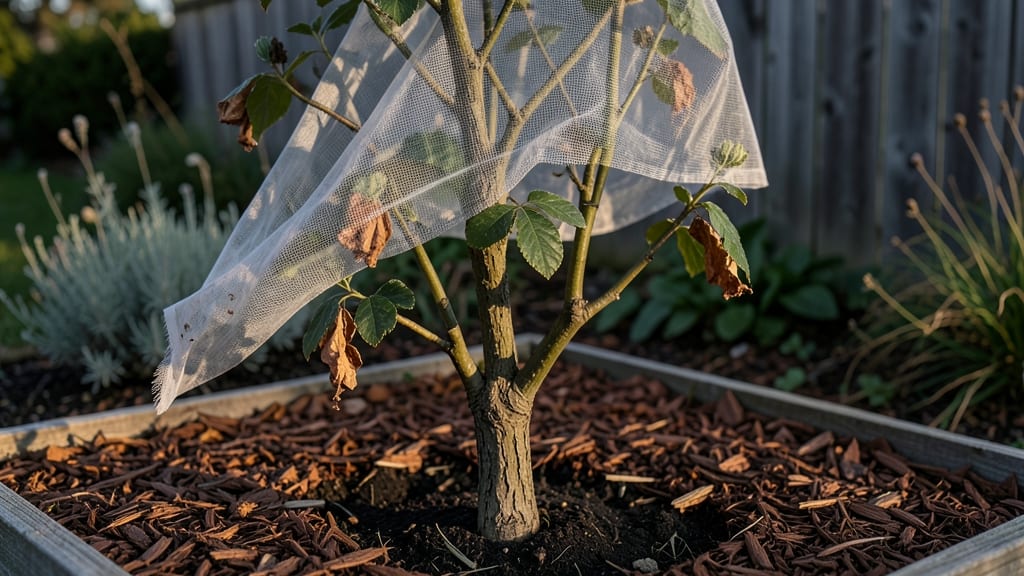
When your hibiscus tree faces winter, the right care means vibrant blooms next spring instead of a sad, frost-bitten skeleton. 🌿 I’ve nursed hibiscus through three winters—some barely survived, others thrived—and the difference came down to timing, protection, and a few unexpected tricks.
The key is treating winter dormancy like a hibernation phase, not a death sentence.
Most hibiscus varieties can’t handle frost, but with the right prep, you can push their limits. Start by pruning back one-third of the branches in late fall to encourage new growth in spring.
Wrap the trunk in burlap or frost cloth, and mound 4-6 inches of mulch around the base to insulate roots. For colder climates, move potted hibiscus indoors near a sunny window before temperatures drop below 30°F.
By spring, you’ll see fresh green leaves pushing through the soil, followed by those bold blooms you love. The plants that make it through winter often reward you with earlier and more abundant flowers than those replanted from scratch.
Even if you lose a few branches, the roots stay alive—ready to bounce back with the right care.
This works for both tropical and hardy hibiscus varieties, though zone 8+ gardeners have an easier time. If you’re in a colder region, consider overwintering potted hibiscus indoors or using a mini greenhouse tent for extra protection.
The goal isn’t perfection—it’s giving your plant the best shot at survival. Here’s how to do it right.
📚 In This Guide
- What you need
- Instructions
- Tips and common mistakes
- Wrapping up and next steps
What you need
- ● Pruning shears – Sharp, bypass-style (1 pair) for clean cuts.
- ● Gloves – Thick, cut-resistant (1 pair) to protect hands from thorns.
- ● Fertilizer – Balanced, slow-release (10-10-10 or similar) (1 bag, ~5 lbs).
- ● Mulch – Organic (straw, pine bark, or shredded leaves) (2–3 cubic feet).
- ● Watering can or hose – With adjustable nozzle for gentle hydration.
- ● Plant cover or frost cloth – Breathable, lightweight (1–2 sheets, depending on size).
- ○ Support stakes or trellis – For large/woody hibiscus (optional, 2–4 stakes).
- ● Anti-desiccant spray – For extra leaf protection (1 bottle).
- ● Thermometer – Soil or air to monitor temps (helpful in <10°F zones).
- ● Pot (if potted hibiscus) – Insulated or with drainage (1, if repotting).
- ● Citrus or hibiscus-specific fertilizer – For a nutrient boost (1 bag).
Step-by-Step instructions for winterizing your hibiscus tree
Protecting your hibiscus through cold months keeps it thriving for next season's blooms.
🌿 Step 1: Gradually Reduce Watering Before Dormancy
Start cutting back on watering 4-6 weeks before your first frost date. Hibiscus trees store water in their roots, so they don't need frequent hydration when growth slows. Water only when the top 2-3 inches of soil feel completely dry—stick your finger in to check. Overwatering now risks root rot as temperatures drop.
I like to water deeply but less often during this transition period. A soaker hose or drip irrigation helps deliver moisture directly to roots without wetting the foliage, which can invite fungal issues. If your hibiscus is in a container, reduce watering even sooner—potted plants dry out faster and are more vulnerable to cold stress.
⏰ Step 2: Prune for Cold Hardiness and Shape
Prune your hibiscus after the first hard frost when the plant has entered dormancy. This timing prevents new growth that could be damaged by late-season cold snaps. Use sterilized pruners to make clean cuts just above a leaf node or bud. Remove any dead, diseased, or crossing branches first—they won't survive winter anyway.
Here's the thing—hibiscus trees bloom on new wood, so don't over-prune. Aim to shape the plant rather than drastically reduce its size. I typically remove no more than 20-30% of the foliage, focusing on thinning out the center to improve airflow. Better circulation means less ice buildup and fewer pests overwintering in dense branches.
🪴 Step 3: Protect from Frost and Freezing Temperatures
When nighttime temperatures drop below 32°F, it's time to shield your hibiscus. For container-grown trees, move pots to a sheltered location like a garage or under an eave, but avoid heating sources—hibiscus need cool dormancy, not warmth. Wrap the pot and root ball in burlap or frost cloth, securing it tightly to prevent wind damage.
If your hibiscus is planted in the ground, mound 4-6 inches of mulch (like straw or shredded leaves) around the base, extending it outward to the plant's drip line. This insulating layer protects roots from freezing temperatures. For extra cold snaps below 20°F, drape a breathable frost blanket over the entire plant, securing it with stakes and clips. Never use plastic—it traps moisture and can suffocate the tree.
☀️ Step 4: Monitor and Adjust Through Winter
Check your hibiscus weekly during winter, especially after temperature fluctuations. Look for signs of stress like wilting leaves, cracked bark, or ice encasement—these indicate it's time to adjust protection. If ice builds up, gently brush it off with a soft broom to prevent branch breakage. Avoid shaking the plant, as this can damage dormant buds.
I keep an eye on the weather forecast and add extra layers of protection if a hard freeze (below 25°F) is predicted. A small space heater near potted plants can help, but only if it's thermostatically controlled—hibiscus can't handle sudden warmth swings. The goal is to maintain a consistent chill while preventing actual freezing.
Tips & tricks for perfect winter care of hibiscus trees
These hard-won insights will help you navigate the tricky balance between protection and natural dormancy.
Timing is Everything: The 4-6 week water reduction window is critical—don't rush it. I've seen hibiscus trees suffer from sudden drought stress when owners cut back too abruptly. Use a moisture meter if you're unsure; hibiscus roots need that gradual adjustment to conserve moisture. For container plants, reduce watering even sooner since they dry out faster in cold air.
Pruning Precision: When pruning after the first hard frost (Step 2), focus on creating an open center rather than aggressive thinning. I always make cuts just above a leaf node or bud—this ensures new growth emerges from the right spot next spring. Remember, hibiscus bloom on new wood, so avoid removing more than 20-30% of foliage. Think of it as giving your plant a haircut rather than a buzz cut.
Layered Protection Strategy: The 32°F threshold for frost protection is your first warning sign, but don't stop there. For temperatures below 20°F, that breathable frost blanket becomes essential—it's the difference between survival and damage. I've found that securing it with soft plant ties rather than wire prevents branch breakage when ice builds up. And never use plastic—it creates a greenhouse effect that can actually harm the plant.
Monitoring Matters: Your weekly winter checks (Step 4) should include both visual and tactile inspections. Run your fingers gently along branches to check for ice buildup—if you feel a crusty layer, it's time to brush it off. I keep a small broom dedicated just to this task, as regular household brooms can damage tender branches. For container plants, I place a small thermometer near the pot to track temperature fluctuations that might require extra protection.
Pro Tips for Winter Care For Hibiscus Tree
- These hard-won insights will help you navigate the tricky balance between protection and natural dormancy.
- Timing is Everything: The 4-6 week water reduction window is critical—don't rush it.
- Pruning Precision: When pruning after the first hard frost (Step 2), focus on creating an open center rather than aggressive thinning.
Frequently asked questions
Got questions about keeping your hibiscus thriving through winter? You’re not alone! Here are answers to the most common concerns—plus a few pro tips to keep your plant happy and healthy until spring.
How cold can hibiscus trees tolerate before they need winter care?
Most hibiscus varieties (like Hibiscus rosa-sinensis) struggle below 25°F (-4°C) and may suffer damage. Chill-resistant types (e.g., Hibiscus syriacus) can handle 15–20°F (-9 to -7°C) but still benefit from protective measures like mulching or wrapping. Monitor your local frost dates to plan ahead!
Should I prune my hibiscus before winter, and when is the best time?
Yes! Prune in late fall or early winter (November–February) to remove dead/damaged branches and shape the plant. Avoid heavy pruning too close to winter—focus on cleanup and light shaping. Pro tip: Use sterilized shears and seal larger cuts with pruning sealant to prevent disease.
What’s the best way to protect a potted hibiscus from freezing temperatures?
Move pots to a sheltered, unheated garage or porch (above freezing) or wrap them in bubble wrap or frost cloth. Add extra mulch around the base and reduce watering to prevent root rot. If temps drop below 20°F (-7°C), consider using a heating pad (set to low) under the pot for extra warmth.
Can I leave my hibiscus outside all winter, or should I bring it indoors?
It depends! Hardy hibiscus (like H. syriacus) can stay outside with protection (mulch, wraps). Tropical hibiscus (H. rosa-sinensis) must be moved indoors (or heavily insulated) to survive. Watch for wilting or browning leaves—signs it’s struggling in the cold.
My hibiscus leaves are turning brown/yellow in winter—what’s wrong?
Brown/yellow leaves often mean overwatering, cold stress, or lack of light. Check soil moisture (it should be slightly dry), ensure it’s in a bright but not freezing spot, and avoid drafts. Trim affected leaves to encourage new growth in spring. Pro tip: A light fertilizer (like 10-10-10) in early winter can boost resilience!
Are there any winter-specific fertilizers for hibiscus?
Stick to a balanced, slow-release fertilizer (like 10-10-10) in early winter (December–January) to support root health. Avoid high-nitrogen feeds—hibiscus are dormant and don’t need heavy feeding. Organic options like fish emulsion (diluted) work too, but reduce frequency to every 6–8 weeks.
Wrapping up and next steps
With these winter care tips, your hibiscus can brave the cold with confidence—and even thrive when spring arrives! 🌱❄️ Remember, consistency is key: monitor moisture, protect from frost, and prune wisely. Your efforts will reward you with vibrant blooms come warmer weather.
Ready to put your new knowledge into action? Start by inspecting your hibiscus this week—check for signs of stress, adjust its winter setup, and give it the TLC it deserves. Happy gardening!