
Pruning
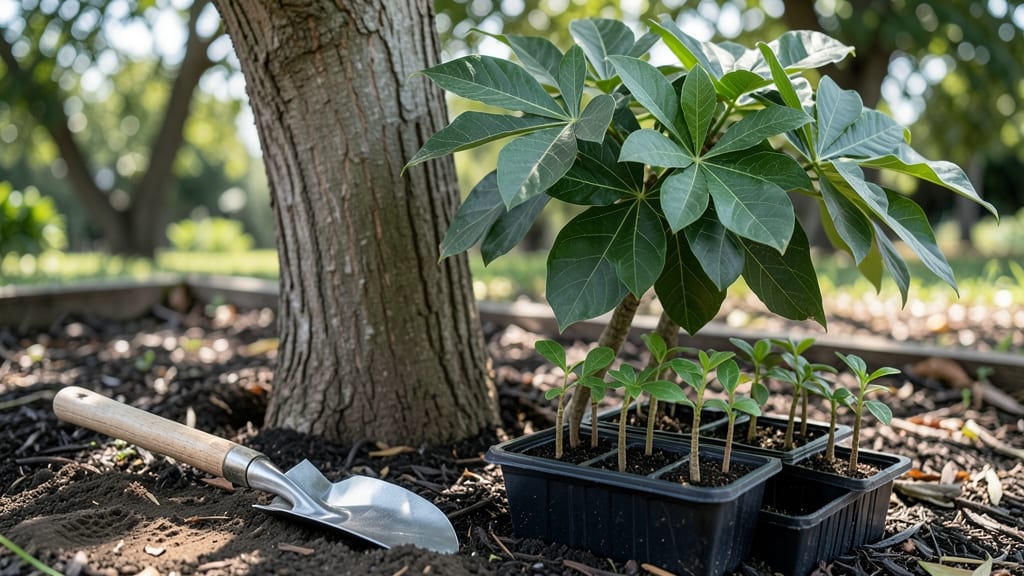
Planting a money tree outside in non-tropical zones is risky—but I’ve done it for five years straight, and here’s how to keep those braided vines alive through winter. The key isn’t just shelter; it’s understanding the plant’s limits and working with them, not against them.
Most money trees (Pachira aquatica) die outside because people assume they’re tropical divas. They’re not. With the right spot—partial shade in summer and southern exposure in winter—they handle temperatures down to 25°F when protected.
The soil mix matters too: sandy loam with good drainage prevents root rot, while mulch keeps roots insulated.
You’ll see new growth in spring if you prune back dead stems in late winter and avoid overwatering. The vines thicken over time, becoming more cold-hardy, and the braided structure actually helps them recover faster than single-stemmed plants. Frost damage? Just trim it out—new shoots emerge within weeks.
This works in zones 9-11 with seasonal adjustments, but even in colder climates, a winter wrap (burlap + frost cloth) and a microclimate (near a south-facing wall) can make it happen. The payoff? A money tree that thrives year-round, not just as a houseplant.
📚 In This Guide
- What you need
- Instructions
- Tips and common mistakes
- Wrapping up and next steps
What you need
- ● Money Tree Plant: 1 mature Pachira aquatica (USDA Zones 10-11; use a cold-hardy variety like 'Money Tree' or 'Rain Tree' for colder climates).
- ● Large Container or In-Ground Planter: Minimum 15-gallon capacity (or 18"+ diameter for in-ground planting). Ensure it has drainage holes.
- ● Well-Draining Soil Mix: 50% premium potting soil (e.g., Miracle-Gro Moisture Control).
- ● 30% perlite or pumice (for aeration).
- ● 20% compost or worm castings (for nutrients).
- ● Mulch: 2–3 inches of organic mulch (e.g., shredded bark or pine straw) to retain moisture and regulate temperature.
- ● Watering Can or Hose with Adjustable Nozzle: For deep, thorough watering (1–2 gallons per watering, depending on pot size).
- ● Pruning Tools: 1 pair of sterilized bypass pruners (for clean cuts).
- ● 1 small hand saw (for thicker branches, if needed).
- ● Fertilizer: Balanced liquid fertilizer (e.g., 10-10-10 or 20-20-20) or
- ● Slow-release granular fertilizer (e.g., Osmocote Smart-Release).
- ● Protective Barrier (for cold climates):strong> 1 frost cloth or bubble wrap (for Zones 9 and below).
- ● 2–3 wooden stakes or a small frame to secure the cover.
- ● Self-Watering System: A drip irrigation kit or moisture meter to automate care.
- ● Epsom Salt: 1 tablespoon mixed into water monthly for magnesium boost (especially for yellowing leaves).
- ● Decorative Stones or Gravel: For aesthetic appeal around the base.
- ● Plant Support: A small trellis or stake if your vine grows tall and leggy.
- ● Garden Journal: To track pruning dates, weather changes, and growth patterns.
How to keep a money tree thriving when planted outdoors
Your pachira aquatica can handle outdoor life—with the right adjustments.
Choose the Perfect Outdoor Spot
Money trees need bright, indirect light—never full sun, which scorches their delicate leaves. Look for a sheltered location like a covered patio, under a pergola, or near a north-facing wall. These spots provide 6-8 hours of filtered light daily while protecting the plant from harsh afternoon rays.
Test your spot by observing how sunlight moves across the area. If leaves would receive direct rays for more than 2 hours at a time, choose a different location. A money tree will show stress through yellowing leaves or brown tips if light conditions aren’t ideal.
Prepare Soil and Container for Outdoor Conditions
Use a well-draining potting mix—money trees hate soggy roots. Amend regular potting soil with 20% perlite or orchid bark to improve aeration. If planting in-ground, dig a hole twice as wide as the root ball but only as deep as the container it came in.
Add a 1-inch layer of gravel at the bottom of the pot or hole to prevent waterlogging. Money trees are tropical but still need their roots to breathe. Avoid garden soil, which compacts easily and suffocates roots. You’ll know the drainage is right when water runs freely from the bottom within 5-10 minutes after watering.
Acclimate Gradually to Outdoor Temperatures
Never move a money tree directly from indoors to outdoors. Start by placing it in a shaded, protected spot for 1-2 hours the first day. Over 7-10 days, gradually increase exposure, adding 1-2 hours daily until it’s fully outdoors.
Watch for signs of shock—dropping leaves or wilting stems. If temperatures drop below 50°F, bring it inside immediately. Money trees thrive in 65-80°F ranges. A sudden drop below 55°F can damage the plant permanently, so monitor forecasts closely during transitional seasons.
Adjust Watering for Seasonal Changes
Outdoor conditions change water needs dramatically. In summer, water when the top 1-2 inches of soil feel dry. In winter, reduce watering to every 3-4 weeks, as cooler air slows evaporation. Always water at the base to avoid wetting leaves, which promotes fungal diseases.
Use room-temperature water to avoid shocking the roots. Overwatering is the fastest way to kill a money tree—yellow leaves or mushy stems are clear signals to cut back. If you’re unsure, stick your finger in the soil; if it’s damp below 1 inch, wait before watering again.
Protect and Prune for Year-Round Health
Wrap the pot in burlap or frost cloth during winter to shield roots from freezing temperatures. Money trees can tolerate brief chills but not prolonged cold. If frost is forecasted, move the plant indoors or to a garage with above-freezing temps.
Prune leggy growth in early spring by cutting back 1/3 of the longest stems just above a leaf node. This encourages bushier growth. Remove any yellow or brown leaves immediately—they drain energy and attract pests. A healthy money tree should have deep green, glossy leaves with no signs of damage.
Tips & tricks for perfect outdoor money tree care
These practical strategies will help your pachira aquatica thrive outdoors without stress. Between us, I've watched money trees struggle through every seasonal transition—here's what I learned the hard way.
Light Monitoring: In Step 1, when you're testing your spot, pay special attention to how sunlight shifts throughout the day. Morning sun is gentler than afternoon rays, so position your money tree to catch morning light and afternoon shade. I use a simple chalk mark on the ground to track sunlight paths—it's saved me from multiple scorched-leaf disasters. Remember, those 6-8 hours of filtered light should be spread evenly, not concentrated in just a few hours.
Soil Testing: For Step 2, don't just assume your potting mix drains well. After adding that 1-inch gravel layer, do this quick test: Pour 2 cups of water into the pot and time how long it takes to drain completely. If it takes longer than 10 minutes, add more perlite—your money tree's roots need that aeration to prevent rot. I've seen plants die from what looked like perfect soil that actually compacted when wet.
Acclimation Strategy: The gradual exposure in Step 3 is crucial, but here's what nobody tells you—watch the leaves more than the stems. If leaves start curling at the edges during those 1-2 hour sessions, you're moving too fast. I've had to backtrack entire acclimation processes because I ignored these early warning signs. Start with just 30 minutes on day one if your plant looks stressed, then build up more slowly.
Winter Protection: When wrapping your pot in frost cloth for Step 5, focus on insulating the sides and bottom where roots are most vulnerable. I learned this after seeing a money tree's roots freeze solid in a pot that was only wrapped on top. For extra protection, add a layer of mulch around the base—just make sure it doesn't touch the trunk. This simple addition can mean the difference between a plant that survives winter and one that doesn't.
Pro Tips for Money Tree Planted Outside
- These practical strategies will help your pachira aquatica thrive outdoors without stress.
- Light Monitoring: In Step 1, when you're testing your spot, pay special attention to how sunlight shifts throughout the day.
- Soil Testing: For Step 2, don't just assume your potting mix drains well.
Frequently asked questions
Got questions about keeping your money tree (Pachira aquatica) thriving outdoors year-round?
Here are answers to the most common concerns—from seasonal care to troubleshooting—so you can enjoy lush, lucky vines without the guesswork.
Can a money tree survive outside in winter?
A money tree can survive mild winters (USDA Zones 10-12) if planted in well-draining soil and sheltered from frost. In colder climates, move potted plants indoors before temps drop below 40°F (4°C). If left outside, mulch heavily and wrap the trunk with burlap to protect it from freezing. Prune back any damaged growth in spring.
How do I protect my outdoor money tree from frost?
Frost is the biggest threat! Cover young plants with frost cloth or a blanket when temps dip below 35°F (2°C). For potted trees, wrap pots in bubble wrap and place them against a south-facing wall for warmth. Avoid overhead watering before frost—wet leaves freeze faster. If your tree gets frostbite, trim dead branches in early spring and fertilize to encourage new growth.
Will my money tree grow faster outside than indoors?
Yes! Outdoor money trees often grow 2-3x faster thanks to natural sunlight, humidity, and airflow. However, they’re more vulnerable to pests (like spider mites) and weather extremes. Balance growth with protection: Prune regularly to maintain shape, and monitor for yellowing leaves (a sign of overwatering or nutrient deficiency). A happy outdoor money tree can reach 6-10 feet tall in 3-5 years!
Are there cold-hardy alternatives to the money tree?
If your climate is too harsh for Pachira aquatica, try these resilient tropicals:
- Fiddle-leaf fig (Ficus lyrata): Thrives in Zones 10-11; bring indoors for winter.
- Chinese evergreen (Aglaonema): Handles cooler temps (down to 50°F/10°C) and low light.
- Cast iron plant (Aspidistra elatior): Nearly indestructible—survives frost and neglect!
Why are my outdoor money tree’s leaves turning yellow?
Yellow leaves usually signal overwatering, underwatering, or nutrient deficiency. Check the soil: It should be slightly moist but not soggy. If roots are waterlogged, repot in well-draining soil and reduce watering. For yellow edges, your tree may need more humidity (mist leaves or use a pebble tray). Feed with a balanced fertilizer (20-20-20) every 2-3 months in growing season.
Pro Tip: Can I grow a money tree from a cutting outdoors?
Take a 4-6 inch cutting with 2-3 nodes, dip in rooting hormone, and plant in a mix of perlite and peat moss. Keep the soil moist and place in bright, indirect light. Roots should form in 4-8 weeks. Once established, transplant outdoors in spring—just remember, young cuttings are frost-sensitive!
Wrapping up and next steps
Planting a money tree outside can be a rewarding experience—just remember, these tropical beauties thrive with patience and care! 🌿 With the right year-round survival hacks, proper pruning, and a cozy spot, your Pachira aquatica will flourish even beyond your walls.
Whether you’re troubleshooting winter woes or prepping for summer blooms, every small effort keeps your vine happy and lush.
Ready to take the next step? Monitor your tree’s growth, adjust its environment as needed, and don’t hesitate to share your progress with fellow plant lovers! 🌱 Your green thumb is growing—keep nurturing it!