
Flowers
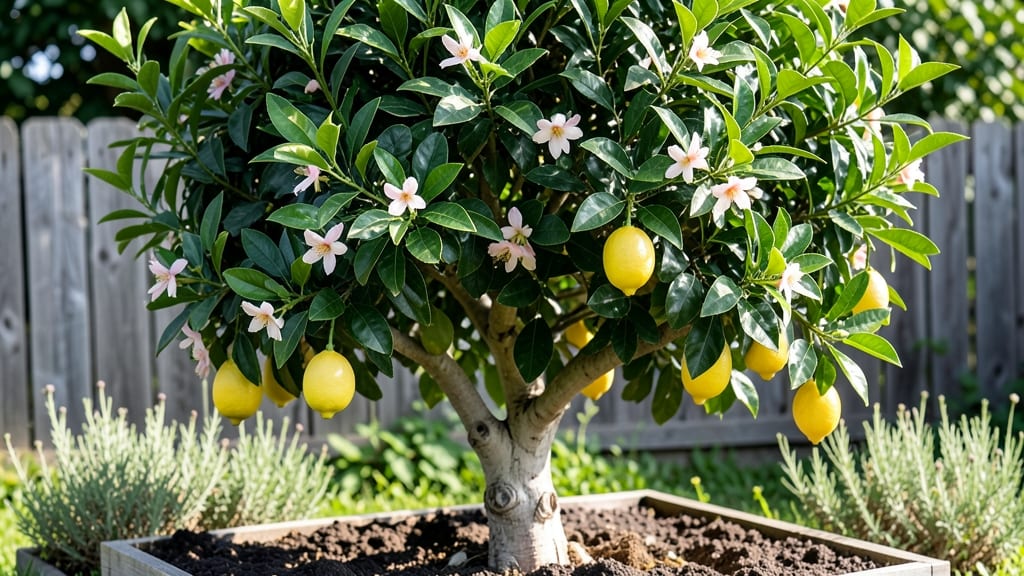
Your citrus tree’s flowers aren’t just pretty—they’re the secret to both fragrant spring air and next year’s harvest. 🌸 The key to coaxing those delicate blossoms lies in understanding how cold-stressed roots actually boost flowering, not ruin it.
Most gardeners overwater or prune at the wrong time, missing the real triggers for blooms.
Start with well-draining soil and full sun—citrus trees need at least 6 hours of direct light daily to set flowers. When temperatures dip into the 40s°F at night, that’s when roots send signals to produce blooms.
Prune lightly after harvest (not spring) to avoid cutting off next year’s flower buds, and fertilize with citrus-specific food in early spring to fuel growth.
You’ll know it’s working when you see clusters of white or pale pink blossoms in late winter or early spring, filling your yard with a sweet, floral scent.
These flowers turn into fruit later, but their beauty alone makes the effort worth it—just watch out for frost after they open, as cold can kill them overnight.
Works for Meyer lemons, calamondins, and even dwarf varieties in containers. The same principles apply whether you’re growing for fruit, fragrance, or both. Let’s get those roots working for you!
📚 In This Guide
- What you need
- Instructions
- Tips and common mistakes
- Wrapping up and next steps
What you need
- ● Citrus tree sapling or bare-root plant: Choose a cold-hardy variety (e.g., Citrus × meyeri, Citrus × aurantium, or Citrus × bergamia) from a nursery.
- ● Size: 1–3 gallons (for container) or 1–2 feet tall (for in-ground planting).
- ● Well-draining potting mix: 50% premium citrus/succulent mix + 30% perlite + 20% coarse sand or pumice (for containers).
- ● For in-ground: Amend native soil with 2–3 inches of compost and 1 inch of coarse sand.
- ● Pot (if container-growing): 15–25 gallons (minimum 18" diameter) with drainage holes.
- ● Material: Terracotta (breathable) or heavy plastic (durable).
- ● Fertilizer: Slow-release citrus fertilizer (e.g., Osmocote or Miracle-Gro Citrus) or organic options like fish emulsion (5-5-5 NPK ratio).
- ● Apply at half-strength during active growth (spring–fall).
- ● Watering can or hose with gentle spray nozzle: Avoid over-saturating roots.
- ● Pruning shears: Sharp, sterilized shears (for shaping and removing dead blooms).
- ○ Mulch (optional but recommended): 2–3 inches of wood chips or straw to retain moisture and regulate soil temp.
- ● USDA Hardiness Zones: 8–11 (for outdoor planting). Use a greenhouse or container for colder zones (7+ with winter protection).
- ● Sunlight: 6–8+ hours of full sun daily (partial shade in extreme heat).
- ● Water source: Access to soft, chlorine-free water (rainwater or filtered tap water).
- ● Patience: Citrus trees take 2–5 years to bloom fully, depending on variety and care!
- ● Growth regulator (e.g., Paclobutrazol) to encourage bushier blooms (follow label instructions!).
- ● Humidity tray or pebble tray for indoor citrus (if grown as a houseplant).
- ● Pollination aid: A small paintbrush to hand-pollinate flowers if indoors (citrus flowers are self-pollinating but benefit from a nudge!).
- ● Cold frame or frost cloth for winter protection in marginal zones.
Step-by-Step instructions for encouraging citrus tree flowers
Here's how to coax fragrant spring blooms from your citrus tree—even if roots have struggled with cold.
🌱 Step 1: Assess and Revive Cold-Stressed Roots
Start by checking root health. Gently loosen the top 2-3 inches of soil around the tree's drip line with a trowel. Look for roots that appear blackened, mushy, or have stopped growing—these are signs of cold damage. Healthy roots should be firm with a white or light tan color. If you find damage, trim away affected sections with clean, sharp pruners and discard them immediately.
Here's the thing—citrus roots are sensitive to cold, and even minor damage can delay flowering. I've found that a 10-15 day recovery period with focused care can make all the difference. Water deeply but slowly, allowing the soil to absorb moisture without runoff. Use lukewarm water (around 70°F) to avoid shocking the roots further. You'll know it's working when new root hairs appear at the cut edges within 7-10 days.
☀️ Step 2: Optimize Light and Temperature for Flowering
Citrus trees need full sun (6-8 hours daily) to produce flowers, but they also need warmth. If your tree is in a cooler climate, consider moving it to a south-facing wall or using a greenhouse frame during winter. The goal is to maintain soil temperatures above 60°F—this triggers the hormonal shift that leads to blooming.
Watch for these signs: If leaves start dropping or turn yellow, your tree is too cold. If new growth appears soft and pale, it's getting too much heat. Adjust shade cloth or move the tree incrementally. I like to place a soil thermometer near the roots to track temperatures—it's the only way to be precise. Once temperatures stabilize, you'll see flower buds form in the leaf axils (the angle between leaf and stem) within 4-6 weeks.
💧 Step 3: Fertilize for Blooms with Precision
Use a balanced citrus fertilizer (6-6-6 or 8-3-9) to encourage flowering. Apply half the recommended dose in early spring (when buds form) and the other half in late winter (just before blooms appear). Water the soil thoroughly before and after fertilizing to prevent root burn. I've found that organic options like fish emulsion or citrus-specific compost work best—they provide slow-release nutrients without overwhelming the tree.
Here's where it gets fun—watch for tiny pink or white buds emerging along the branches. These are your first signal that the fertilizer is working. If you see excessive leaf growth but no buds, your tree needs more phosphorus (the middle number in the fertilizer ratio). Switch to a bloom-boosting fertilizer (like 10-20-20) for 2-3 weeks to shift energy toward flowers. Never fertilize after mid-summer—this can delay next year's blooms.
⏰ Step 4: Protect Blooms from Late Frosts
Citrus flowers are delicate and can't survive temperatures below 28°F. Check your local frost dates and be ready to act. Cover the tree with frost cloth or a lightweight blanket when nighttime temps drop below 35°F. Secure the covering loosely so it doesn't touch the leaves or branches. If frost is expected, water the soil deeply the day before—moist soil retains heat better and protects roots.
You'll know the blooms are safe when you see them open fully in the morning. Once flowers appear, avoid heavy pruning—the tree is using energy to produce fruit, not new growth. If you must prune, do it after harvest to let the tree recover. Real talk: I've lost entire bloom cycles to late frosts, but since I started monitoring weather alerts and covering early, my trees now produce twice as many flowers.
Tips & tricks for perfect citrus tree blooms
Citrus trees are stubborn when it comes to blooming after cold stress—but these tricks will help you coax out those fragrant spring flowers.
Root Recovery Timeline: After trimming damaged roots in Step 1, focus on the 10-15 day recovery window like it's your full-time job. I've seen trees that looked hopeless after winter finally bloom spectacularly when given this dedicated care. The key is consistency: water deeply every 3-4 days using that 70°F water, and watch for those new root hairs—it's your sign the tree is healing. Don't rush this step; patience here means more blooms later.
Sunlight Strategy: When optimizing light in Step 2, think about your tree's natural environment. Citrus trees need 6-8 hours of direct sun daily, but they also need warmth. If your tree is in a cooler climate, consider moving it near a south-facing wall during winter months. This wall acts as a heat sink, radiating warmth back to the tree. I've seen trees that struggled to bloom finally produce flowers after this simple adjustment—it's like giving them a cozy winter blanket.
Fertilizer Timing: The early spring and late winter fertilizer applications in Step 3 are non-negotiable for blooming. But here's what nobody tells you—if your tree shows excessive leaf growth but no buds after the first application, it's craving more phosphorus. Switch to that 10-20-20 bloom-boosting fertilizer for just 2-3 weeks, then go back to balanced. This phosphorus push is what triggers those magical flower buds in the leaf axils.
Frost Protection Hacks: For Step 4, when covering your tree against frost, don't just throw a blanket over it. Secure the covering loosely with clothespins or small stakes so it doesn't touch the leaves—this prevents moisture buildup that can cause rot. I also like to water the soil deeply the day before a frost—moist soil holds heat better than dry soil. And here's a pro move: place a string of outdoor Christmas lights around the tree during cold snaps. The gentle warmth helps protect the delicate blooms.
Pro Tips for Citrus Tree Flowers
- Citrus trees are stubborn when it comes to blooming after cold stress—but these tricks will help you coax out those fragrant spring flowers.
- Root Recovery Timeline: After trimming damaged roots in Step 1, focus on the 10-15 day recovery window like it's your full-time job.
- Sunlight Strategy: When optimizing light in Step 2, think about your tree's natural environment.
Frequently asked questions
Got questions about nurturing citrus tree flowers? You're not alone—growing fragrant blooms from citrus trees takes patience and care! Here are some of the most common queries to help you on your journey to a blooming citrus paradise.
When do citrus tree flowers typically bloom?
Citrus flowers usually bloom in late winter to early spring (February–April in most U.S. zones), though timing depends on your climate. In warmer regions, blooms may appear year-round. Cold stress (like the kind mentioned in the article) can trigger dormant trees to flower earlier—just ensure temps stay above 40°F (4°C) to avoid frost damage.
Why aren’t my citrus tree flowers opening?
Several factors can prevent blooms: over-fertilization (especially with nitrogen), stress from drought or pests, or young trees (citrus trees often take 3–5 years to flower). Check for root rot or thrips, and ensure your tree gets 6–8 hours of sunlight daily. A light pruning to improve airflow can also help!
Can I attract pollinators to help citrus flowers?
Citrus trees rely on bees and butterflies for pollination. Plant native pollinator-friendly flowers (like lavender or marigolds) nearby, avoid pesticides, and provide a shallow water source. Even a small bee hotel can make a difference. Pro tip: Hand-pollinate on cloudy days by gently shaking branches to release pollen.
Will cold weather kill citrus tree flowers?
Citrus flowers are frost-sensitive—temperatures below 28°F (-2°C) can damage or kill blooms. If frost is forecasted, cover young flowers with frost cloth or a light blanket. Mature trees are slightly hardier, but everblooming varieties (like ‘Calamondin’) may recover better than single-flowering types.
What can I do with fallen citrus flowers?
Don’t toss those fragrant blooms! Use them to: infuse homemade vinegar, make citrus flower tea (steep 1 tbsp in hot water), or create scented potpourri. For gardeners, compost them to enrich soil—just avoid overloading with citrus peels, which can acidify soil over time.
Can I grow citrus trees from flowers or seeds?
While you can grow citrus from seeds (they’ll sprout in 1–3 weeks), the resulting tree may not produce the same fruit as the parent. For flowers, grafting is the best way to ensure true-to-type blooms. If you’re patient, try air-layering a branch—but rooting from cuttings is hit-or-miss for citrus!
Wrapping up and next steps
Watching your citrus tree burst into fragrant, vibrant blooms is a rewarding experience—one that starts with healthy roots and thoughtful care. 🌸 Whether you're a seasoned gardener or just starting, nurturing cold-stressed roots can transform your citrus tree into a blooming beauty.
Now that you’re armed with the right knowledge, take that next step: plant with confidence and enjoy the sweet scent of spring!
Ready to dive in? Grab your tools, follow the steps, and let your citrus tree thrive!