
Blooming
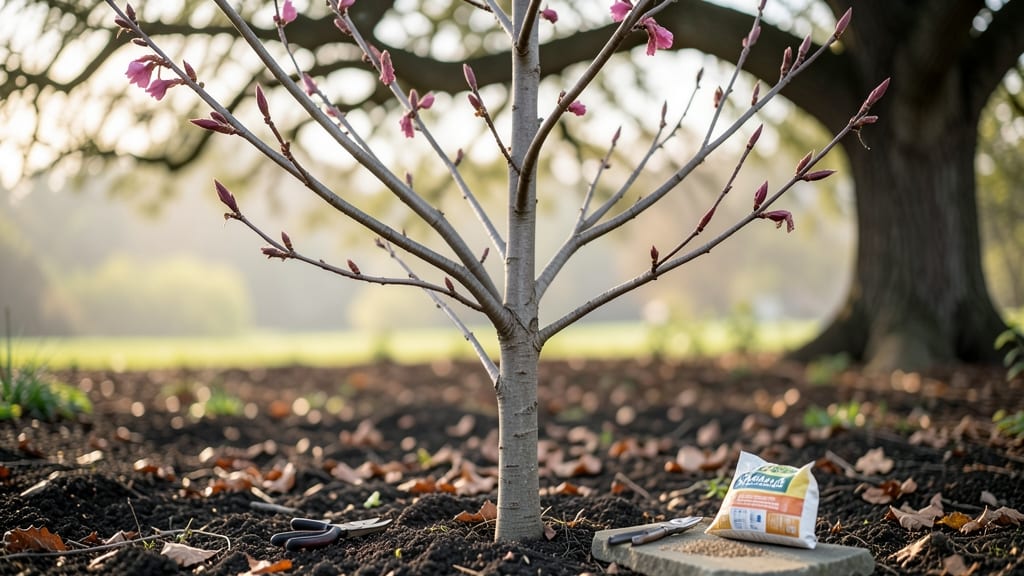
Your redbud tree after bloom is where the real magic happens—this is when you shape next year’s showstopping pink canopy. 🌸 I’ve learned the hard way that skipping post-bloom care means fewer flowers and more leggy branches, but the right cuts transform a tired tree into a springtime star.
The key? Timing everything just after those last petals fall but before new leaves burst.
Here’s what you’ll see after blooms fade: velvety green leaves unfurling, tiny seed pods forming, and—if you’re lucky—some unexpected reblooming on well-pruned branches. The secret isn’t aggressive cutting; it’s strategic trimming to open the canopy for sunlight and air.
Grab your pruners after late May (or when leaves are fully out) and focus on removing dead wood first—those are the branches that rob energy from next year’s flowers.
What you’ll end up with is a tree that bursts into bloom earlier and more densely than before. Those seed pods? They’re not just decorative—they’re nature’s way of feeding the tree for next season.
If you want even more flowers, thin out crowded branches now, and watch how the tree rewards you with double the pink spectacle by spring. The best part? This method works for both young trees and mature ones.
Fair warning: redbuds hate being over-pruned, so keep cuts to no more than 25% of the branches. And if you’re in a warm climate where second blooms happen, hold off on heavy pruning until after that late-summer show.
Your future self will thank you when you’re surrounded by a cloud of blossoms next March.
📚 In This Guide
- What you need
- Instructions
- Tips and common mistakes
- Wrapping up and next steps
What you need
- ● Pruning shears: Bypass pruners (sharp, 6–8" blades) for small branches (1/4" thick). Pro tip: Disinfect blades with rubbing alcohol between cuts to prevent disease spread! 💡
- ● Loppers: 1 pair (10–14" blades) for medium branches (1/4"–2" thick). Look for ratcheting models for extra leverage.
- ● Pruning saw: 1 handheld saw (8–10" blade) for thick branches (2"–4" thick). A bow saw or curved blade works best.
- ● Gloves: 1 pair of heavy-duty gardening gloves (cut-resistant, breathable fabric) to protect hands from thorns and rough bark.
- ● Disposable pruning bags: 1–2 bags (10–15 gallon capacity) to collect debris and keep your workspace tidy.
- ● Ladder: 1 sturdy extension ladder (reach height + 3 ft) if your tree exceeds 10 ft. Safety first! Use stabilizers and have a spotter if needed. ⚠️
- ● Pruning sealant: 1 small bottle (latex-based) to seal large cuts (>2" diameter) and prevent disease entry.
- ● Marking twine or flags: For labeling branches to remove or keep (great for complex pruning plans!).
- ● Tree wound dressing: Avoid overuse—only needed for very large cuts (1" diameter or wider).
- ● Work boots: Waterproof, ankle-supporting boots for comfort during long sessions.
- ● Sunscreen & hat: Because even pruning in the shade can be sunny work! ☀️
Step-by-step pruning guide for your redbud tree after flowering
Here's how to keep your redbud thriving—and its spring blooms even more spectacular—with simple, effective pruning.
🌿 Step 1: Wait for the Right Time to Prune
Prune your redbud tree right after flowering, typically in late spring (May or early June). This timing ensures you don’t cut off next year’s flower buds, which form on last year’s growth. Wait until the tree has shed most of its pink blossoms—usually 2-4 weeks after peak bloom.
If you prune too early, you risk removing flower buds. If you wait too long, you may encourage excessive summer growth that weakens the tree. Look for fresh green seed pods forming—this is your cue that the tree has finished flowering.
✂️ Step 2: Remove Dead, Diseased, or Crossing Branches
Start by inspecting the tree for dead wood—branches that are brittle, cracked, or lack leaves. Use clean, sharp pruning shears to cut these back to healthy growth. Next, remove any branches that rub against each other (crossing branches), as they’ll create wounds and invite disease.
Also trim back any branches growing straight upward (water sprouts) or those that are too crowded. These compete for energy and weaken the tree’s structure. Make cuts just above a leaf bud or outward-facing branch to encourage healthy regrowth.
☀️ Step 3: Thin the Canopy for Better Airflow
Redbuds naturally have an open, airy shape, but over time, branches can get dense. Focus on thinning the canopy by removing 20-30% of the smallest branches from the interior. This improves airflow, reducing the risk of fungal diseases like powdery mildew.
Use your pruners to cut branches back to a side branch or main stem. Avoid leaving stubs—always cut just outside the branch collar (the swollen area where the branch meets the trunk). This helps the tree heal faster.
🌱 Step 4: Shape for Balance and Health
Step back and assess the tree’s shape. Redbuds have a naturally graceful form, but you can gently refine it by lightly pruning longer branches to maintain a balanced silhouette. Avoid heavy pruning—redbuds respond best to moderate, strategic cuts rather than drastic shaping.
If the tree is leaning or has uneven growth, prioritize pruning branches on the heavier side. This encourages the tree to grow more upright over time. Never remove more than 25% of the foliage in one season—this can stress the tree.
Tips & tricks for perfect redbud tree pruning after bloom
Here's what nobody tells you about pruning your redbud that'll make next year's blossoms even more spectacular.
Timing Secret: Those 2-4 weeks after peak bloom are your golden window. I learned this the hard way after accidentally pruning too early and losing half my flowers the next spring. Mark your calendar for when the pink blossoms start fading—this is your cue to start watching for those fresh green seed pods. Once you see them forming, you're ready to prune. This timing ensures you don't accidentally cut off next year's flower buds that are already forming on last year's growth.
Tool Technique: Your pruning shears are more important than you might think. Use clean, sharp tools to make precise cuts just outside the branch collar. I always sterilize my shears with rubbing alcohol between cuts to prevent spreading disease. For thicker branches, use loppers instead of shears. The cleaner your cuts, the faster your tree will heal and the better it will respond. Remember, you're making surgical cuts that affect your tree's health for years to come.
Canopy Strategy: When thinning that 20-30% of interior branches, focus on the smallest ones first. These are the branches that often get crowded out and don't contribute much to the tree's structure. I like to work from the inside out, removing branches that are growing toward the center of the tree. This creates that beautiful open, airy shape redbuds are known for while improving airflow that prevents fungal diseases. Think of it as giving your tree a spa day—removing what's holding it back so it can grow stronger.
Shape Wisdom: That 25% foliage limit is critical. I've seen people get overzealous and remove too much at once, which can shock the tree. Instead, take your time and make strategic cuts. Step back frequently to assess the tree's natural shape—redbuds have that gorgeous graceful form, and we want to enhance it, not fight it. Focus on creating balance by removing branches on the heavier side. This encourages more upright growth over time without stressing the tree.
Pro Tips for Redbud Tree After Bloom
- Here's what nobody tells you about pruning your redbud that'll make next year's blossoms even more spectacular.
- Timing Secret: Those 2-4 weeks after peak bloom are your golden window. I learned this the hard way after accidentall...
- Tool Technique: Your pruning shears are more important than you might think. Use clean, sharp tools to make precise c...
Frequently asked questions
Got questions about keeping your redbud tree thriving after its spectacular bloom? Here are some of the most common concerns—and their answers—to help you care for your tree like a pro!
When is the best time to prune a redbud tree after it blooms?
Prune your redbud tree right after blooming (late spring to early summer) to avoid cutting off next year’s flower buds. This timing ensures you shape the tree without sacrificing its stunning spring display. Avoid pruning in fall or winter, as this can stimulate late-season growth vulnerable to frost damage.
Can I prune too much after the redbud blooms?
Yes! Redbuds are sensitive to over-pruning. Remove no more than 25-30% of the tree’s foliage at once to avoid stress. Focus on dead, diseased, or crossing branches first, then lightly thin the canopy. Over-pruning can reduce flowering or even harm the tree’s health.
Will pruning after bloom affect next year’s flowers?
If done correctly, pruning won’t hurt next year’s blooms—it can even enhance them! Redbuds produce flower buds on 1-year-old wood, so pruning in late spring/early summer targets older branches while preserving new growth. Just avoid heavy cuts near clusters of buds to keep the magic alive!
What if my redbud tree isn’t blooming well after pruning?
Poor blooming could signal stress from over-pruning, drought, or poor soil. Check for:
- Moisture: Water deeply 1-2 times weekly during dry spells.
- Sunlight: Redbuds need full sun (6+ hours/day).
- Soil: Amend with compost if soil is clay-heavy or poor.
- Fertilizer: Use a balanced, low-nitrogen fertilizer in early spring.
Are there alternatives to pruning if I want to keep the tree’s natural shape?
If you prefer a hands-off approach, focus on:
- Deadheading: Remove spent flowers (though this is less critical for redbuds).
- Light thinning: Gently remove a few weak or rubbing branches annually.
- Mulching: Add 2-3 inches of mulch to retain moisture and reduce stress.
Wrapping up and next steps
Your redbud tree’s post-bloom care doesn’t have to be complicated—just strategic! By pruning at the right time, removing deadwood, and shaping with intention, you’ll set the stage for next year’s breathtaking pink cascade.
Remember, patience and precision are your best tools, and even small efforts will yield big rewards. 🌸
Now that you’re armed with the know-how, grab those shears and get pruning! Watch your tree thrive, and soon, you’ll be the neighbor everyone admires for that show-stopping spring spectacle. Happy gardening! 🌿