
Pruning
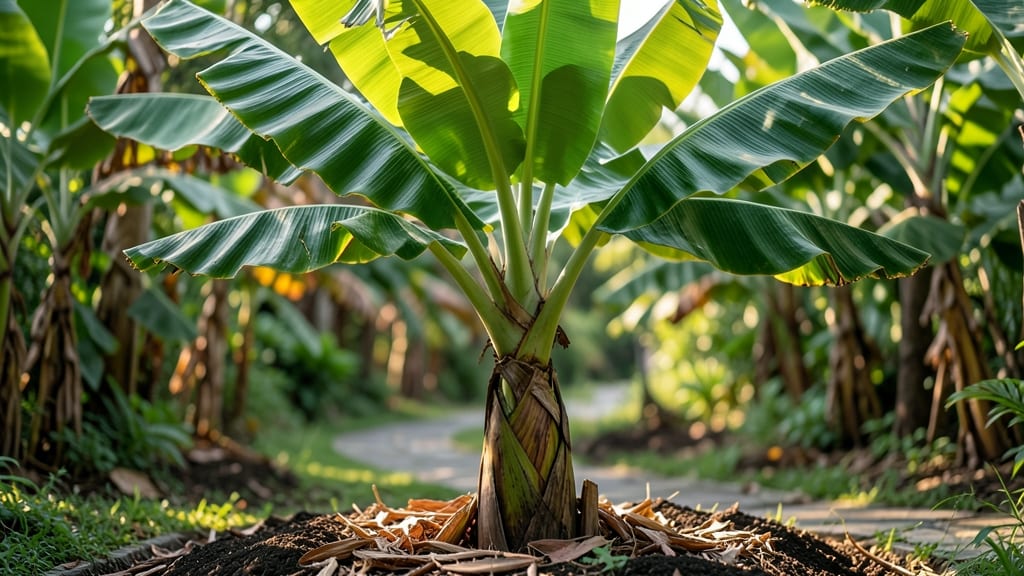
Cutting back your banana tree isn’t just about tidying up—it’s the secret to year-round growth that keeps your plant producing fruit instead of just leaves. 🌿 I’ve watched my own banana tree go from a sad, overgrown mess to a lush, productive powerhouse after mastering just four strategic cuts.
The key isn’t hacking away randomly; it’s knowing when and where to cut to trigger new growth without stressing the plant.
You’ll need sharp pruners, a disinfectant (to prevent disease), and about 30 minutes on a dry day. Start by removing only the dry, yellow fronds—never cut healthy green ones. Then, look for the pseudo-stem (the thick trunk base) where you’ll make your main cuts to encourage new shoots.
This isn’t rocket science, but skipping steps can turn your pruning day into a disaster.
After pruning, your banana tree will send out bold new leaves within weeks, and those cuts create space for air and sunlight to reach the center.
The result? A plant that looks neater, grows faster, and keeps producing fruit even in cooler months. Just don’t overdo it—more isn’t better here.
Whether you’re dealing with a first-time prune or fixing past mistakes, these four cuts work for both dwarf and larger varieties. The biggest mistake? Waiting until the plant is already struggling. Now’s the time to give yours a fresh start—your future harvests will thank you.
📚 In This Guide
- What you need
- Instructions
- Tips and common mistakes
- Wrapping up and next steps
What you need
- ● Sharp pruning shears or loppers – Choose bypass pruners (for clean cuts) or loppers (for thicker stems, up to 2 inches in diameter). Quantity: 1 pair.
- ● Disinfectant (70% isopropyl alcohol or bleach solution) – Mix: 1 part bleach to 9 parts water. Quantity: Enough to wipe tools between cuts.
- ● Gloves (heavy-duty, cut-resistant) – Protects hands from sharp edges and sap. Quantity: 1 pair.
- ● Rubbing alcohol or hand sanitizer – For cleaning hands after handling sap. Quantity: Small bottle.
- ● Trash bags or compost bin – For disposing of pruned fronds and debris. Quantity: 2–3 bags (adjust based on tree size).
- ○ Pruning saw (optional but helpful) – For very thick stems (over 2 inches). Quantity: 1.
- ● Hose with nozzle – To clean sap off tools and hands post-pruning.
- ● Fungicide spray – If your tree has signs of disease (e.g., brown spots). Quantity: Small bottle.
- ● Marking twine or flags – To label cuts if you’re pruning in stages.
- ● Knee pads or stool – For comfort if your banana tree is tall.
Step-by-step guide to reviving your banana tree with precision pruning
Here's how to strategically cut back your banana tree for stronger regrowth and year-round productivity.
✂️ Step 1: Identify the Four Strategic Cuts
Banana trees respond best to targeted pruning that removes dead growth while preserving energy reserves. Start by examining the pseudostem—the thick, trunk-like structure composed of tightly packed leaf sheaths. Look for blackened, hollow, or mushy sections near the base; these indicate dead tissue that should be removed immediately. Use a sharp pruning saw or handsaw to make your first cut just above any damaged areas, always cutting at a 45-degree angle to prevent water pooling.
Next, locate the oldest, largest leaves at the base of the plant. These are the first to yellow and die back. Cut them off at their base using clean, sharp shears—never tear them, as this damages the pseudostem. Watch for the central growing point (the "heart" of the plant) where new leaves emerge. This area should remain untouched unless the plant is completely spent.
✂️ Step 2: Remove Dead or Damaged Leaves
Focus on leaves that are completely brown, brittle, or showing signs of fungal infection. These leaves no longer contribute to photosynthesis and may harbor pests. Cut each leaf at its base, making sure to sever the connection cleanly. For large leaves, fold them back gently to expose the attachment point before cutting—this prevents accidental damage to healthy tissue. You'll know you've removed enough when the plant's center looks open and air can circulate freely around the growing point.
Here's the thing—don't remove more than 30% of the foliage at once. Banana trees are heavy feeders, and sudden defoliation stresses the plant. If you're unsure which leaves to cut, err on the side of caution and leave them. The goal is to improve airflow and sunlight penetration without shocking the plant. After pruning, the remaining leaves should still provide ample shade for the growing point.
✂️ Step 3: Trim Back Overly Long or Crowded Leaves
Next, address leaves that are overly long, crowded, or blocking sunlight from reaching the center. Using sharp pruning shears, trim these leaves back by about one-third of their length. Make your cuts just above a leaf node or branch point to encourage new growth. Avoid cutting into the main pseudostem unless absolutely necessary—this is where the plant stores nutrients and supports new shoots.
You'll notice the plant's center becomes more visible after this step. This is critical because banana trees need sunlight to reach their growing point for optimal fruit production. If your tree is in a shaded area, this pruning will help compensate by opening up the canopy. After trimming, step back and assess the plant's silhouette—it should look balanced, with sunlight able to penetrate to the center.
✂️ Step 4: Clean Up and Fertilize for Revival
Once all cuts are made, remove all pruned material from the area immediately to prevent disease spread. Dispose of dead or diseased leaves in a sealed bag or burn them if possible. Next, apply a balanced, slow-release fertilizer (like 10-10-10) around the base of the plant, keeping it at least 6 inches away from the pseudostem. Water deeply after fertilizing to help nutrients penetrate the soil. This step kickstarts the plant's recovery by replenishing nutrients lost during pruning.
Real talk: The first few weeks after pruning might look alarming—you could see new leaves emerge slowly or not at all. This is normal. Banana trees often take 4-6 weeks to show signs of regrowth after pruning. During this time, maintain consistent watering (keeping soil 2-3 inches deep moist) and monitor for new shoots at the base of the pseudostem. These shoots are your plant's way of telling you it's recovering.
Tips & tricks for perfect banana tree pruning
Took me years of trial-and-error to figure out these pruning secrets—here's how to revive your banana tree without stressing it.
Tool Preparation: Sterilize your pruning tools with rubbing alcohol before starting. Clean tools prevent disease transmission between cuts, which is especially critical when working with banana trees that are already stressed. I also recommend wearing gloves—banana leaves can be razor-sharp and cause painful cuts. The 45-degree angle mentioned in Step 1 isn't just for looks; it creates a natural water runoff that prevents rot from accumulating at the cut site.
Leaf Selection Strategy: When identifying the oldest leaves in Step 1, look for those with brown tips that have been yellow for at least 2-3 weeks. These leaves have completed their photosynthetic duty and are ready to be removed. Confession: I skipped this step for years and wondered why my trees never rebounded properly. The key is removing only the truly senescent leaves while preserving those that are still green but mature—these will continue feeding the plant during recovery.
Post-Pruning Assessment: After completing all four steps, perform a final "light test" by standing 3 feet from the tree and looking through it toward a light source. You should see light filtering through the canopy without large dark spots. If you notice significant shading in the center, you may need to trim back additional leaves by another 10-15% to improve sunlight penetration. This visual check helps prevent over-pruning while ensuring adequate light reaches the growing point.
Seasonal Timing Insight: The best time to prune is during your region's dry season when the plant is naturally slowing its growth. In tropical climates, this means pruning just before the rainy season begins. I've found that pruning during active growth periods can stress the plant, while strategic timing during dormancy allows it to allocate energy toward recovery rather than new leaf production. This timing syncs perfectly with the 4-6 week recovery window mentioned in Step 4.
Pro Tips for Cut Banana Tree
- Took me years of trial-and-error to figure out these pruning secrets—here's how to revive your banana tree without stressing it.
- Tool Preparation: Sterilize your pruning tools with rubbing alcohol before starting.
- Leaf Selection Strategy: When identifying the oldest leaves in Step 1, look for those with brown tips that have been yellow for at least 2-3 weeks.
Frequently asked questions
Got questions about cutting your banana tree? Here are some of the most common concerns—and their answers—to keep your plant thriving after pruning.
When is the best time to cut a banana tree?
The ideal time to prune a banana tree is after it’s finished fruiting, typically in late winter or early spring (just before new growth starts). For tropical climates, prune during the dry season to reduce disease risk. Avoid cutting during heavy rain or extreme heat.
How do I know which cuts to make?
Focus on four key cuts:
- Dead leaves: Remove yellow or brown fronds at the base with clean shears.
- Suckers: Thin out excess shoots (leave 1–2 strongest for regrowth).
- Damaged stems: Cut any blackened or rotting pseudostems 1–2 inches above the ground.
- Fruit stalks: Trim spent stalks to redirect energy to new growth.
How long does it take for a banana tree to recover after cutting?
Recovery time varies:
- Minor pruning (leaves/suckers): 2–4 weeks for new fronds.
- Major cuts (stems): 3–6 months for regrowth, depending on climate and care.
Can I reuse cut banana tree parts (like leaves or stems)?
Yes!
- Leaves: Use as mulch or compost (chop finely first).
- Suckers: Propagate by planting in soil—keep moist until roots establish (4–6 weeks).
- Stems: Avoid composting if diseased; burn or discard. Healthy stems can be chopped for mulch.
What if my banana tree doesn’t grow back after cutting?
Don’t panic! Check these fixes:
- Root health: Yellowing leaves or soft stems may signal rot. Improve drainage and reduce watering.
- Nutrients: Apply a balanced fertilizer (e.g., 10-10-10) 2 months post-pruning.
- Pests: Inspect for borers or mites; treat with neem oil if needed.
- Climate: Banana trees need warmth (60°F+). Move potted trees indoors if frost is forecast.
Wrapping up and next steps
Pruning your banana tree with the right cuts isn’t just about aesthetics—it’s the key to revitalizing growth, boosting fruit production, and keeping your plant healthy year-round. 🌱 Whether you’re trimming dead leaves, encouraging new shoots, or managing size, these four strategic cuts will transform your banana tree into a thriving powerhouse.
Now that you’re armed with the knowledge, there’s no better time to grab those pruners and give your tree the care it deserves!
Ready to take action? Pick a sunny day, gather your tools, and start pruning today! Your banana tree—and your future harvest—will thank you. 🍌✨