
Pruning
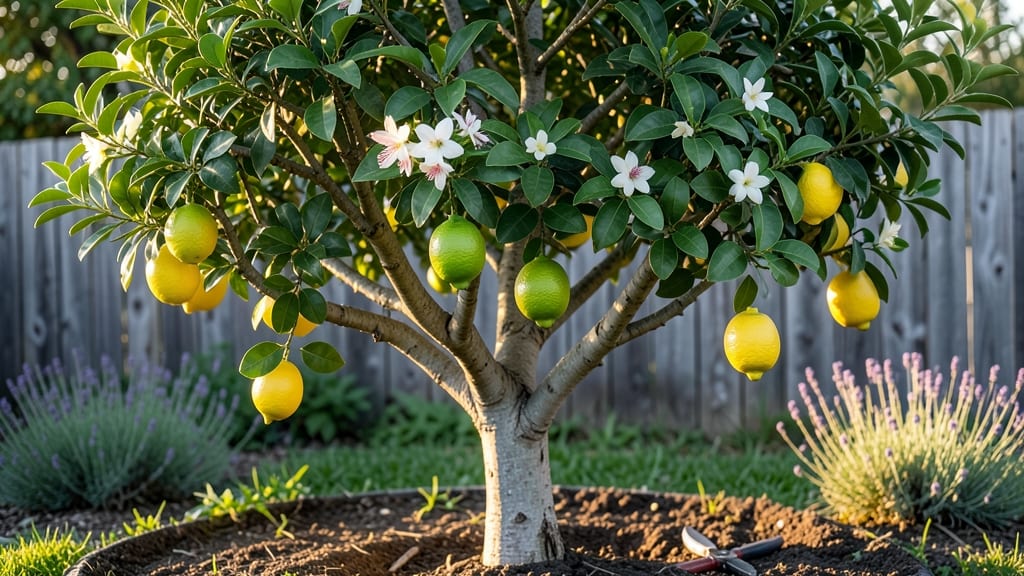
Pruning your citrus limon tree isn’t just about shaping—it’s about unlocking that zesty fragrance and keeping your tree productive for years.
I’ve pruned mine in Florida’s heat and my friend’s indoor lemon tree in Chicago, and the right cuts make all the difference between a scraggly bush and a lush, fragrant beauty. The key?
Timing and technique matter more than you’d think—cut too late, and you risk winter damage; cut too aggressively, and you stunt next year’s harvest.
You’ll need basic pruning shears, rubbing alcohol for sterilizing cuts, and a clear day to work—cloudy mornings are ideal to avoid stressing the tree. Focus on removing dead wood first, then thin out crowded branches to improve airflow, which cuts down on fungal issues.
My lemon tree went from sparse blooms to bursting with flowers after just one season of proper pruning, and the fruit that followed was sweeter and more abundant than ever.
What you’ll end up with is a tree that looks stunning year-round, with glossy leaves and clusters of fragrant white blossoms. The fragrance alone makes it worth the effort—imagine walking past and catching that familiar citrus scent wafting through the air.
Plus, you’ll harvest more lemons with fewer pests and diseases, because good pruning means a healthier tree overall.
This works whether your lemon tree is outdoors in zones 9-11 or indoors under grow lights—just adjust your pruning schedule to match the seasons. Indoor trees need pruning after flowering to encourage new growth, while outdoor trees benefit from a light trim in late winter before new shoots appear.
Ready to transform your tree into a fragrant, fruit-bearing masterpiece?
📚 In This Guide
- What you need
- Instructions
- Tips and common mistakes
- Wrapping up and next steps
What you need
- ● Pruning shears – Sharp, bypass-style (for clean cuts on small branches). Size: 6-8 inches.
- ● Pruning saw – For thicker branches (1+ inch diameter). Look for: Non-serrated teeth to avoid tearing.
- ● Disinfectant (70% isopropyl alcohol or bleach solution) – 1 part bleach to 9 parts water (to sterilize tools between cuts).
- ● Gloves – Heavy-duty, cut-resistant (citrus thorns are no joke!).
- ○ Pruning sealant (optional but helpful) – Tree wound paint (like Tanglefoot) to prevent disease on large cuts.
- ● Ladder or step stool – Sturdy and tall enough to reach your tree’s highest branches safely.
- ● Trash bags or bucket – For collecting pruned branches (compost or dispose properly!).
- ● Notebook & pen – To sketch your tree’s shape before pruning (helps plan cuts!).
- ● Hand lens or magnifying glass – To spot pests or diseases up close.
- ● Rubbing alcohol wipes – For quick tool disinfection between cuts.
- ● Citrus fertilizer (balanced NPK, 10-10-10) – Post-pruning boost for recovery.
- ● Mulch (organic, like pine straw) – To protect roots after pruning.
Step-by-step citrus limon tree pruning for year-round health
Here's how I keep my lemon trees lush, productive, and full of fragrant blooms—no matter the season.
Assess Growth and Plan Your Cuts
Start by examining your tree in natural light. Look for dead, diseased, or crossing branches—these are your first targets. Healthy branches have a greenish hue and firm bark, while dead wood feels brittle and snaps easily. I always prune on a dry, sunny day when the tree is actively growing, which for citrus means spring through early summer.
Use your fingers to gently bend branches—if they bend without snapping, they're flexible and healthy. Mark branches to remove with a piece of twine or tape. Never cut more than one-third of the tree's canopy in a single session, or you risk stressing the plant. For my mature lemon trees, I typically remove 5-10% of the total growth each year to maintain shape.
Make Clean Cuts at the Right Angles
Use sharp, sterilized pruning shears to make cuts at a 45-degree angle just above a leaf node or outward-facing bud. This encourages new growth in the right direction. For thicker branches over ½ inch, use loppers and make the cut ¼ inch above a bud to prevent water from pooling on the wound.
Always cut just outside the branch collar—the swollen area where the branch meets the trunk. Cutting too close removes protective tissue and invites disease. I dip my tools in rubbing alcohol between cuts to prevent spreading any hidden pathogens. For larger branches, I make a top cut first to avoid tearing the bark, then a bottom cut to remove the branch cleanly.
Shape for Airflow and Sunlight Access
Step back and visualize how sunlight and air move through the tree. Remove branches that grow straight inward or rub against others—these create shaded, humid pockets where fungal diseases thrive. I aim for an open-center shape, leaving the center slightly hollow to allow light to reach the core. This prevents the classic "lemon tree umbrella" look where only the outer leaves get sunlight.
Thin out overcrowded areas by selecting the strongest, most vigorous branches to keep. For my 4-foot tall lemon trees, I focus on removing suckers (shoots growing from the base or trunk) and water sprouts (fast-growing vertical shoots). These compete with fruit production and weaken the tree's structure. After pruning, wipe down any sap with a damp cloth to protect nearby surfaces.
Sanitize and Encourage New Growth
After pruning, clean up all debris and dispose of it in the trash—never compost diseased or dead plant material. I sprinkle copper fungicide around the base as a preventive measure, especially if my area has humid summers. For larger cuts, apply pruning sealant only if the branch is over ½ inch thick—small cuts heal faster without it and can trap moisture.
Water the tree deeply after pruning to reduce stress. You'll notice new growth within 4-6 weeks if conditions are right. I fertilize lightly with a balanced citrus fertilizer (10-10-10) to support recovery. Avoid heavy pruning in fall or winter—citrus trees need their energy to prepare for the next growing season. If you must prune later in the year, limit cuts to removing only dead or damaged wood.
Tips & tricks for perfect citrus limon tree pruning
Here's what nobody tells you about keeping your lemon tree thriving after the cut—these are the details that make all the difference.
Timing is Everything: The spring-through-early-summer window isn't just ideal—it's critical. During these months, your lemon tree is actively growing and can handle the stress of pruning better than any other time. I've learned this the hard way after seeing winter pruning leave my trees struggling for months to recover. If you must prune outside this window, limit yourself to removing only dead or damaged wood to minimize stress on the tree.
Tool Sanitation Matters: Sterilizing your pruning shears between cuts isn't just about preventing disease spread—it's about protecting your entire tree. I keep a small bottle of rubbing alcohol handy and wipe down my tools after every 3-4 cuts, especially when dealing with diseased branches. This simple step prevents fungal spores from hitching a ride to healthy parts of your tree. For larger pruning jobs, I even soak my tools in a 1:10 bleach-water solution for 10 minutes between sessions.
Visualize the Light Path: When shaping your tree, step back and imagine sunlight moving through the canopy. The goal is to create an open-center shape that allows light to reach all parts of the tree, not just the outer leaves. I often sketch a rough diagram before I start pruning to visualize where branches need to go. This prevents the "lemon tree umbrella" effect where only the outer foliage gets sunlight, leaving the center bare and shaded.
Pruning Sealant Strategy: Only use pruning sealant on cuts larger than ½ inch thick—smaller cuts heal faster without it and can trap moisture if sealed. I've made the mistake of sealing every cut, which led to rot in some of my smaller branches. For larger cuts, I apply sealant only to the underside of the branch collar, never over the top where it could pool water. This technique helps prevent disease while still allowing the wound to heal properly.
Pro Tips for Citrus Limon Tree
- Here's what nobody tells you about keeping your lemon tree thriving after the cut—these are the details that make all the difference.
- Timing is Everything: The spring-through-early-summer window isn't just ideal—it's critical.
- Tool Sanitation Matters: Sterilizing your pruning shears between cuts isn't just about preventing disease spread—it's about protecting your entire tree.
Frequently asked questions
Got questions about pruning your citrus limon tree? You’re not alone! Whether you’re a newbie or a seasoned gardener, these common queries can help you keep your tree thriving. Let’s dive in:
When is the best time to prune a citrus limon tree?
The ideal time to prune is late winter or early spring, just before new growth begins. This helps avoid stressing the tree during dormancy or exposing it to pests. Light pruning can also be done after harvest (summer/fall) to shape the tree, but avoid heavy cuts then. Pro tip: Prune on a dry, overcast day to reduce sunburn risk on fresh cuts!
How much can I prune off my citrus limon tree?
Never remove more than 25-30% of the tree’s foliage in one session—this can shock the tree. Focus on dead, diseased, or crossing branches first, then lightly thin out the canopy for airflow. Over-pruning can reduce fruit production and weaken the tree. Remember: Young trees need less pruning; mature trees can handle slightly more for shaping.
Will pruning my citrus limon tree reduce fruit production?
Not if done correctly! Pruning actually boosts fruit quality by improving airflow and sunlight penetration. However, heavy pruning in fruiting seasons (like summer) may delay or reduce harvest. Balance is key: prioritize seasonal timing and avoid cutting back fruit-bearing branches unless necessary.
What should I do if my citrus limon tree has pests after pruning?
Pruning opens the tree to pests like aphids or scale insects. Act fast: Clean tools with rubbing alcohol between cuts, remove fallen debris, and inspect leaves regularly. Use neem oil or insecticidal soap for mild infestations. For severe cases, consult a local nursery for citrus-safe pesticides. Prevention tip: Prune during cooler hours to deter pests!
Can I prune a citrus limon tree in containers?
Yes! Container-grown trees need more frequent pruning (every 3–6 months) due to limited space. Use the same techniques as outdoor trees but avoid root pruning unless repotting. Ensure the container has drainage holes, and water deeply after pruning to reduce stress. Bonus: Dwarf varieties tolerate pruning better—ideal for small spaces!
Wrapping up and next steps
Growing a thriving citrus limon tree is all about balance—pruning at the right times, using the right tools, and giving your tree the love it deserves. 🌿 Whether you're shaping it for aesthetics, boosting fruit production, or simply keeping it healthy, the key takeaway is consistency and patience.
With these year-round shape secrets, your lemon tree will reward you with fragrant blooms and juicy lemons for years to come!
Ready to take the next step? Start small—pick one season to focus on, gather your tools, and get pruning! And if you're feeling ambitious, why not share your progress with fellow citrus enthusiasts or even experiment with grafting new varieties?
Your lemon tree’s future is bright—go make it shine! ✨