
Pruning
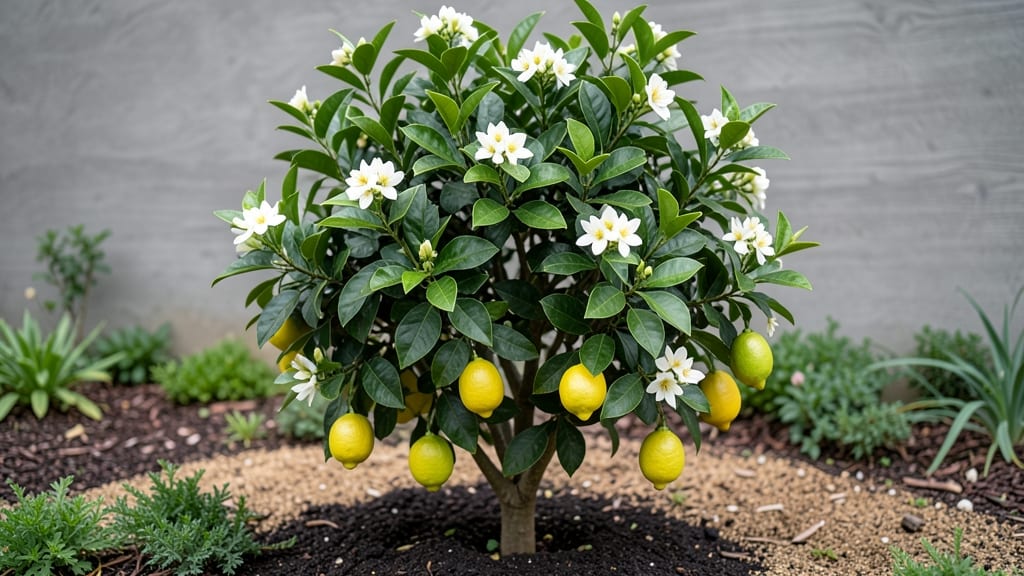
Growing an indoor lemon tree that produces fruit year-round starts with understanding how to prune it—just a few strategic cuts can transform a leggy houseplant into a fruit-bearing powerhouse. 🌿 I’ve watched my own Meyer lemon tree go from bare branches to heavy with fruit by focusing on shape, air flow, and growth signals.
The key isn’t cutting back wildly but making intentional choices that encourage both flowers and fruit.
You’ll need sharp pruning shears, a clean cutting surface, and a basic understanding of where to trim: remove dead wood, cross branches, and any growth that’s too crowded. Most pruning happens in late winter or early spring, but light shaping can happen year-round.
The goal is to keep your tree open enough for sunlight to reach all branches—this is what triggers those tiny white blossoms that eventually turn into lemons.
What you’ll end up with is a tree that’s compact, productive, and full of life—not just a decorative plant. The first year might be about establishing shape, but by year two, you’ll be harvesting lemons indoors, something that feels like a tiny piece of sunshine in any room.
The real magic happens when you see those first fruits forming after a careful pruning session.
This method works for Meyer lemons, Eureka varieties, and even dwarf types—just adjust the scale. Whether you’re dealing with a 3-foot tree or a 6-foot specimen, the principles stay the same. Let’s get those shears ready and turn that citrus dream into reality.
📚 In This Guide
- What you need
- Instructions
- Tips and common mistakes
- Wrapping up and next steps
What you need
- ● Indoor lemon tree (Citrus limon) – A healthy, potted plant (3+ years old for best results). Pro tip: 💡 Choose a dwarf variety like 'Meyer' for easier indoor care!
- ● Pruning shears – Sharp, clean bypass pruners (avoid dull tools—they crush stems!). Size: 5–7 inches for precision.
- ● Rubbing alcohol (70%+ isopropyl) – For sterilizing tools between cuts (1 small bottle).
- ○ Disposable gloves – Optional but helpful for hygiene (nitrile or latex-free if sensitive).
- ● Well-draining potting mix – A blend for citrus trees (e.g., 60% cactus/succulent mix + 40% perlite/pumice). Quantity: Enough to refresh topsoil or repot if needed.
- ○ Small container or tray – For collecting clippings (optional but handy for composting or propagation).
- ● Rooting hormone – Speeds up propagation if you’re growing new plants from cuttings (gel or powder form).
- ● Horticultural oil or neem oil – For treating cuts and preventing fungal/bacterial infections (1 oz bottle).
- ● Citrus fertilizer – Low-nitrogen, high-potassium blend (e.g., 6-6-6 or 5-10-10). Pro tip: ✨ Use sparingly post-pruning to avoid overfeeding!
- ● LED grow light – If your tree lacks sunlight (12–16 hours/day for optimal growth).
- ● Spray bottle with water – For misting leaves post-pruning (reduces stress).
Step-by-step indoor lemon tree pruning for healthy growth
Here's how I keep my citrus thriving with simple, seasonal trims.
✂️ Step 1: Prune After Flowering to Encourage Fruit
Wait until 6-8 weeks after flowering when fruit sets but before new growth slows. I focus on removing suckers—those vigorous shoots growing from the trunk or main branches—and crossing branches that rub together. These compete with fruit production and weaken the tree.
Use clean, sharp pruning shears to make cuts at a 45-degree angle just above an outward-facing leaf or bud. This prevents water from pooling on the wound. I avoid cutting into old wood—lemon trees bloom best on new growth, so I never trim back more than 1/3 of the branch length in one session.
🌿 Step 2: Thin Overcrowded Branches in Spring
In late winter or early spring (before new growth begins), examine your tree for branches growing inward or overlapping. These create shaded areas where fruit won't ripen properly. I remove one branch per cluster to improve air circulation and sunlight exposure.
Look for branches thinner than a pencil—these are less productive. I make my cuts just outside the branch collar (the swollen area where the branch meets the trunk). This ensures faster healing. Real talk: If you hesitate, just remember that less is more—over-pruning stresses the tree.
☀️ Step 3: Lighten the Canopy for Sun Penetration
If your lemon tree's center looks bare or leaves are sparse at the top, it's time to open up the canopy. I target branches growing straight up or downward—they block light from reaching inner leaves. Cut these back to an outward-facing branch or leaf.
Here's the thing—lemon trees need bright, indirect light for fruit production. If you notice leaves yellowing or fruit staying small, your tree might be too crowded. After trimming, rotate the pot a quarter turn weekly so all branches get even exposure.
⏰ Step 4: Minimal Winter Maintenance
During winter dormancy (December-February), I do no major pruning unless dead or diseased branches appear. Instead, I focus on removing any fruit still clinging—these drain energy the tree needs to store for spring blooming.
Check for brown, crispy leaves and snip those off at the base. Healthy leaves should stay green but may drop naturally. If your tree looks dormant but still has green leaves, hold off on pruning until late winter when new growth begins.
Tips & tricks for perfect indoor lemon tree pruning
Confession: I skipped pruning my lemon tree for years and wondered why it never produced fruit. These simple tricks transformed my citrus harvest overnight.
Timing Secret: The 6-8 week window after flowering is your golden opportunity. This timing ensures fruit has set but new growth hasn't started yet. I mark my calendar with sticky notes—my first year, I missed it by a week and lost half my potential fruit. Watch for tiny lemons forming before you prune.
Cutting Technique: That 45-degree angle isn't just for looks—it creates a natural water runoff path that prevents rot. I practice on small branches first to get comfortable making clean cuts just above outward-facing buds. Remember, lemon trees bloom on new growth, so always leave at least two healthy buds beyond your cut.
Light Exposure Strategy: After pruning, I rotate my tree's pot a quarter turn weekly. This ensures all branches get equal sunlight exposure, which is crucial for even fruit development. The top branches often get all the light while lower ones stay shaded—this simple rotation prevents that imbalance. Think of it like turning a plant on a sunbathing chair!
Winter Care Wisdom: During dormancy, focus on removing only dead leaves and lingering fruit. I use a small pair of scissors to snip off brown, crispy leaves at the base—never pull them. This minimal approach prevents shocking the tree while still removing energy drains. Your tree will thank you with vigorous spring growth.
Pro Tips for Indoor Lemon Tree
- Confession: I skipped pruning my lemon tree for years and wondered why it never produced fruit.
- Timing Secret: The 6-8 week window after flowering is your golden opportunity.
- Cutting Technique: That 45-degree angle isn't just for looks—it creates a natural water runoff path that prevents rot.
Frequently asked questions
Got questions about keeping your indoor lemon tree thriving year-round? You’re not alone! Here are answers to the most common concerns—from pruning to pests and beyond.
How often should I prune my indoor lemon tree?
Prune your lemon tree lightly every 3–4 months to encourage bushier growth and better fruit production. Focus on removing dead, crossing, or overcrowded branches. Avoid heavy pruning in winter when the tree is dormant—save aggressive trims for early spring!
Can I prune my lemon tree while it’s flowering or fruiting?
Yes, but strategically! Light pruning (like removing a few small branches) won’t harm blooms or fruit. Avoid heavy cuts during flowering—this can reduce next year’s harvest. Wait until after fruiting to shape the tree for the next cycle. Patience pays off with juicier lemons!
What should I do if my lemon tree leaves turn yellow or drop?
Yellow leaves often signal overwatering, underwatering, or pests. Check the soil moisture (top inch should be dry) and inspect for spider mites or scale insects. Adjust watering habits and wipe leaves with soapy water if pests are present. A balanced citrus fertilizer can also help revive a struggling tree!
Do indoor lemon trees need winter care?
Reduce watering in winter (when growth slows) and move the tree away from cold drafts or heat vents. If your tree is near a window, rotate it occasionally for even light exposure. A humidifier nearby can prevent leaf drop in dry indoor air. Think of it as a cozy hibernation phase!
Can I grow a dwarf lemon tree indoors instead?
Dwarf varieties (like Meyer lemon or Improved Meyer) are perfect for indoor growing—they’re compact, hardy, and produce fruit faster! Just ensure they get 6+ hours of sunlight daily and prune regularly to maintain their shape. No green thumb? Dwarf trees are your best bet for low-maintenance lemons!
Wrapping up and next steps
Growing an indoor lemon tree with a year-long harvest is totally within reach—even with minimal trimming! By mastering the art of pruning for shape, health, and fruit production, you’ll enjoy fresh lemons, lush foliage, and a thriving plant that brightens your home. 🌿
Now that you’re armed with the right tools, techniques, and answers to common questions, it’s time to roll up your sleeves. Start small—pick a single branch to practice, then gradually expand your pruning skills.
Before you know it, you’ll be the proud caretaker of a flourishing indoor citrus tree that rewards you with delicious fruit and stunning greenery. Happy pruning!