
Pruning
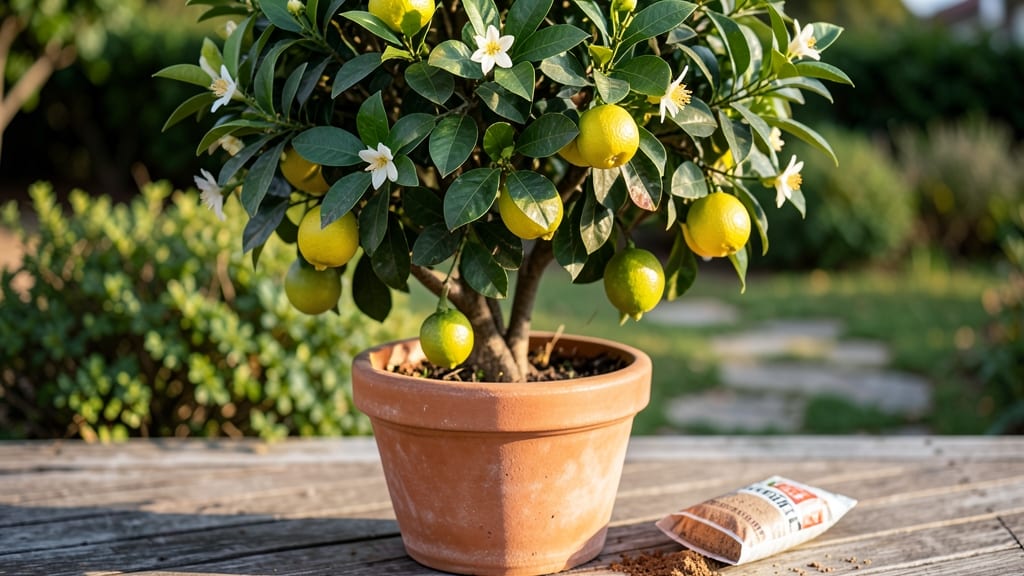
Growing a Japanese lemon tree indoors means waking up to the scent of citrus blossoms year-round—something I never thought possible until I tried it myself. These small but mighty trees thrive in containers, making them perfect for apartments, patios, or sunrooms where space is limited.
The key lies in mimicking their natural tropical environment while protecting their delicate roots from cold drafts, which can stunt growth or even kill the plant.
You’ll need a 15-25 gallon pot with drainage holes, well-draining potting mix, and a sunny spot near a south-facing window or under grow lights for 6-8 hours of light daily. Water when the top inch of soil feels dry, but avoid soggy roots—Japanese lemon trees hate wet feet.
Fertilize lightly every 4-6 weeks during spring and summer with a balanced citrus fertilizer to keep those fragrant blooms coming.
With the right care, you’ll enjoy glossy green leaves, delicate white flowers, and tiny, tart lemons that burst with flavor. The tree stays compact (usually under 6 feet tall), making it ideal for indoor spaces.
Prune lightly after blooming to shape the tree and encourage bushier growth—just avoid heavy cuts, which can stress the plant.
Whether you start with a young tree or propagate from cuttings, this guide covers everything from zone 9-11 outdoor growing to winter care for indoor plants. The secret to success? Consistency—these trees reward patience with year-round fragrance and occasional fruit, even in small spaces.
📚 In This Guide
- What you need
- Instructions
- Tips and common mistakes
- Wrapping up and next steps
What you need
- ● Japanese lemon tree: 1 sapling (nursery-bought, recommended for faster blooms) OR
- ● Seeds (2–3) from a fresh fruit (slower but rewarding!)
- ● OR a healthy cutting (6–8 inches long, with 3–4 leaves)
- ● Well-draining potting mix: 5–10 gallons (depending on pot size). Mix: 60% cactus/succulent soil
- ● 30% perlite or pumice (for aeration)
- ● 10% compost or worm castings (for nutrients)
- ● Container: 1 5–7 gallon pot (for young trees) OR
- ● 1 15+ gallon pot (for mature trees, with drainage holes!)
- ● Pruning tools: 1 pair bypass pruners (for clean cuts)
- ● 1 sterilizing solution (70% isopropyl alcohol or bleach water)
- ● Rooting hormone (for cuttings)
- ● Slow-release fertilizer (citrus-specific, like Osmocote)
- ● Mulch (pine bark or straw to retain moisture)
- ● Spray bottle (for misting seedlings)
- ● Grow lights (if indoors, 12–14 hours/day)
Step-by-step instructions for cultivating a hardy Japanese lemon tree
Here's how to nurture a resilient citrus tree that thrives despite cooler climates.
🪴 Step 1: Select and Prepare the Right Container
Choose a 12-15 gallon container with drainage holes—Japanese lemon trees (Citrus junos) need room for their root systems to develop while preventing waterlogging. I prefer unglazed ceramic or fabric pots because they allow excess moisture to evaporate through the sides, which mimics their native woodland conditions.
Fill the bottom 2 inches with coarse gravel or expanded shale for drainage. This layer prevents the roots from sitting in stagnant water, which can lead to root rot. The tree's native habitat in Korea and China often includes rocky, well-drained soils, so replicating this structure is key to its long-term health.
🌱 Step 2: Plant with Cold-Resilient Soil Mix
Use a well-draining potting mix blended with 20% perlite or pumice to improve aeration. Japanese lemon trees tolerate cooler temperatures better than other citrus varieties, but their roots still need protection from waterlogged conditions. I mix 50% premium potting soil, 30% compost, and 20% perlite for optimal results.
Remove the tree from its nursery pot and gently loosen the roots if they appear root-bound. Place the tree in the container so the top of the root ball sits 1 inch below the rim—this allows for watering without spilling soil. Backfill with your prepared mix, pressing lightly to eliminate air pockets while avoiding compaction.
☀️ Step 3: Position for Maximum Sunlight and Temperature Balance
Japanese lemon trees thrive in full sun (6-8 hours daily) but can tolerate partial shade in hotter climates. Place your container where it receives morning sun and afternoon shade, especially in regions with intense afternoon heat. The tree’s fragrant blooms and fruit production improve when it receives consistent light without heat stress.
If you're growing in a cooler climate, position the container where it can absorb reflected heat from a south-facing wall or patio. In winter, move it to a sheltered location where temperatures stay above 20°F—this prevents cold damage to the roots and ensures the tree remains productive year-round.
💧 Step 4: Water Deeply and Maintain Consistent Moisture
Water the tree deeply once a week, allowing 1-2 inches of water to penetrate the soil. Check moisture by sticking your finger 2 inches into the soil—if it feels dry, it’s time to water. Overwatering is the most common mistake with container-grown citrus, so always ensure the container has drainage and excess water drains away completely.
In summer, you may need to water every 4-5 days, depending on your climate. The tree’s thick, leathery leaves help retain moisture, but consistent watering encourages steady growth and flowering. Avoid wetting the foliage when watering to prevent fungal diseases, which can stunt growth or damage the tree.
✂️ Step 5: Prune for Shape and Encourage Blooms
Prune in late winter or early spring before new growth begins. Remove any dead, diseased, or crossing branches first, then shape the tree by cutting back overly long branches to encourage a bushier form. Japanese lemon trees bloom on both old and new wood, so light pruning stimulates more fragrant flowers and fruit.
Use clean, sharp pruners to make cuts just above a leaf node or outward-facing bud. Avoid heavy pruning, as this can reduce flowering. After pruning, apply a balanced citrus fertilizer every 4-6 weeks during the growing season to replenish nutrients lost through pruning and fruiting.
Tips & tricks for cultivating a hardy Japanese lemon tree
These practical insights will help you nurture a thriving Japanese lemon tree that defies cooler climates.
Container Selection: When choosing between ceramic and fabric pots, opt for fabric pots if you live in humid climates—they allow excess moisture to evaporate through the sides, reducing the risk of root rot. For ceramic pots, ensure they're unglazed to maintain breathability. The 12-15 gallon size is ideal because it provides enough root space while remaining manageable for indoor or patio placement.
Soil Mixing Strategy: The 50-30-20 soil blend (premium potting soil, compost, perlite) creates the perfect balance for Japanese lemon trees. If you're using pumice instead of perlite, make sure it's coarse rather than fine—this prevents compaction while still improving drainage. After mixing, give the soil a gentle squeeze; it should hold its shape but crumble easily when pressed.
Light Positioning: For maximum sunlight exposure, position your tree to receive morning sun and afternoon shade, especially in hotter climates. If your space only offers full sun, consider using a sheer curtain to filter the harsh afternoon rays. The 6-8 hours of sunlight requirement is crucial for photosynthesis, which fuels both the tree's growth and its fragrant blooms.
Winter Care: When moving your tree to a sheltered location for winter, choose a spot where temperatures stay consistently above 20°F. A garage with open windows or a covered patio often works well. Avoid sudden temperature fluctuations—these can stress the tree and reduce next year's flowering. If you must move it indoors, place it near a south-facing window where it can still receive adequate light.
Pro Tips for Japanese Lemon Tree
- These practical insights will help you nurture a thriving Japanese lemon tree that defies cooler climates.
- Container Selection: When choosing between ceramic and fabric pots, opt for fabric pots if you live in humid climates—they allow excess moisture to evaporate through the sides, reducing the risk of root rot.
- Soil Mixing Strategy: The 50-30-20 soil blend (premium potting soil, compost, perlite) creates the perfect balance for Japanese lemon trees.
Frequently asked questions
Got questions about nurturing your Japanese lemon tree (Citrus junos)? You’re not alone! Here are answers to the most common curiosities—from pruning to pests and beyond.
How cold can a Japanese lemon tree tolerate?
A hardy citrus, this tree thrives in USDA Zones 6-10 but may need winter protection (like burlap wraps or mulch) in colder zones. Young trees are most vulnerable—bring potted plants indoors if temps dip below 15°F (-9°C). Evergreen leaves can scorch, but the tree often rebounds!
When is the best time to prune for blooms?
Prune late winter or early spring (just before new growth) to shape the tree and encourage fragrant flowers. Avoid heavy pruning after blooming, as it can reduce fruit set. Pro tip: Use sterilized tools and cut at a 45° angle just above a leaf node for cleaner regrowth.
What pests should I watch for on my tree?
Common culprits include scale insects (sticky residue), aphids (curled leaves), and citrus leaf miners (serpentine trails). Treat mild infestations with neem oil or insecticidal soap. For severe cases, consult a local extension service—prevention (like regular pruning) is key!
Why aren’t my Japanese lemons fruiting?
Lack of fruit often stems from insufficient sunlight (6+ hours daily), poor pollination (hand-pollinate with a brush), or nutrient deficiencies (fertilize with citrus-specific mix in spring/fall). Female flowers (with pistils) are needed—if your tree has only male blooms, it won’t bear fruit.
Can I grow a Japanese lemon tree in a container?
Potted trees thrive in 15+ gallon containers with drainage holes. Use well-draining soil (like cactus mix) and repot every 2-3 years. Place near a sunny window or use grow lights. Bonus: Container trees are easier to winter indoors or move to frost-free zones.
Wrapping up and next steps
Growing a Japanese lemon tree (Yuzu) is a rewarding journey that brings fragrant blooms and zesty fruits to your space—even in colder climates! 🌿 With the right pruning techniques, you’ll ensure healthy roots, vibrant growth, and year-round beauty.
Whether you’re a seasoned gardener or a beginner, these cold-stressed root strategies will help you nurture a thriving tree.
Now that you’re armed with the knowledge, roll up your sleeves and get pruning! Start by inspecting your tree this season—trim those leggy branches, protect the roots, and watch your yuzu flourish. Happy growing! 🌱✨