
Pruning
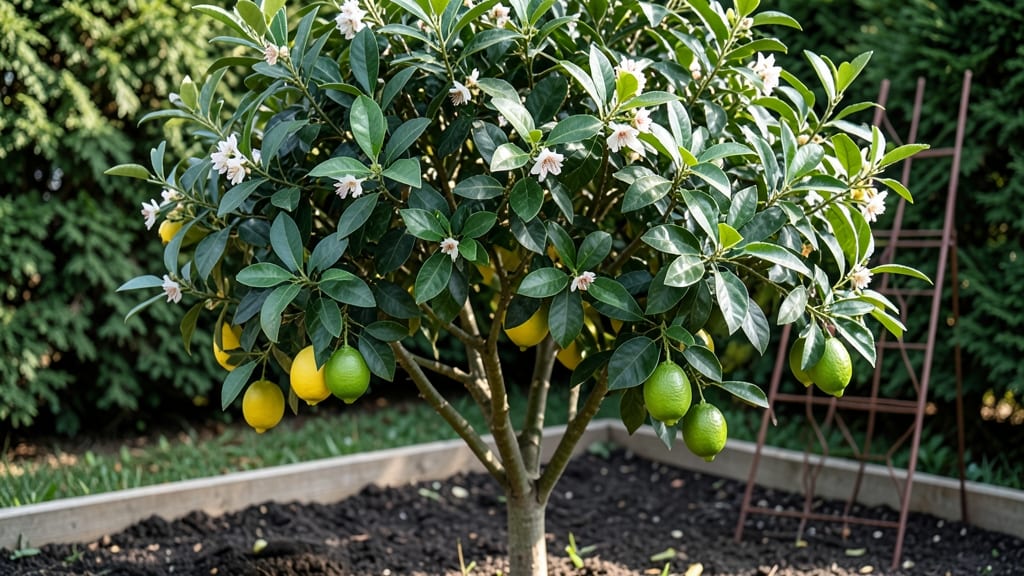
Creating a citrus fruit salad tree that bears year-round means pruning isn't seasonal—it's an ongoing conversation with your plant. I learned this the hard way when my first Meyer lemon tree produced sparse fruit because I only pruned in winter.
The key is shaping the tree to maximize sunlight exposure while keeping it manageable, whether it's in the ground or a container.
Start with dwarf varieties like limequats or calamondins—they're perfect for small spaces and produce fruit within 1-2 years. You'll need well-draining soil, 6+ hours of sunlight daily, and protection from harsh winds.
The right pruning tools (sterilized shears, gloves) and a little patience go a long way, especially in colder climates where winter care is critical.
What you end up with is a tree that looks like a lush, evergreen shrub but yields sweet, salad-ready fruit year-round. The Meyer lemons stay juicy, the limequats stay tart, and the calamondins stay bite-sized—ideal for garnishes or fresh bites.
Prune correctly, and you'll avoid the common pitfall of overcrowded branches that rob energy from fruit production.
This method works for pots or in-ground planting, even in zones 8-11 with proper winter care. The secret? Prune lightly in spring, shape in summer, and clean up in winter—no extreme cuts, just strategic trims to keep the tree healthy and productive. Let's get those branches in shape!
📚 In This Guide
- What you need
- Instructions
- Tips and common mistakes
- Wrapping up and next steps
What you need
- ● Pruning shears: Sharp, bypass-style (10–12" blade length) for clean cuts. (1 pair)
- ● Loppers: Heavy-duty, ratcheting or bypass (16–24" blade) for thicker branches. (1 pair)
- ● Pruning saw: Curved-tooth for branches >1.5" in diameter. (1)
- ● Disinfectant: 70% isopropyl alcohol or bleach solution (1:9 ratio) to sterilize tools. (Small bottle)
- ● Gloves: Cut-resistant (e.g., leather or nitrile-coated) to protect hands. (1 pair)
- ● Tree ties or twine: Soft, stretchy (e.g., jute) for supporting branches. (Roll or spool)
- ○ Pruning sealant: Optional but helpful (e.g., Tanglefoot Tree Wound Pruning Seal) for large cuts. (Small tube)
- ● Weather check: Prune on a dry, overcast day (avoid frost or extreme heat).
- ● Safety gear: Safety glasses (if sawing thick branches) and long sleeves.
- ● Cleanup supplies: Trash bags (for debris) and compost bin (for small clippings).
- ○ Fertilizer: Citrus-specific (e.g., 8-3-9 NPK ratio) to replenish nutrients post-prune. (Optional, 1 lb)
- ● Watering can: 5-gallon capacity with a rose nozzle for post-pruning hydration.
Step-by-Step year-round pruning for your citrus fruit salad tree
Mastering seasonal pruning transforms a citrus tree from a sporadic producer into a reliable harvest machine.
✂️ Step 1: Late Winter Pruning (Dormancy Period)
Begin your citrus pruning in late winter when the tree is fully dormant but before new growth begins. This is the most critical time to remove dead, diseased, or crossing branches that compete for energy. I always start by removing any branches that are brown, brittle, or showing signs of disease—these are easy to spot as they lack the vibrant green of healthy wood.
Next, address any branches growing toward the center of the tree or rubbing against others. Citrus trees produce more fruit when light and air circulate freely, so prune these out completely at their point of origin. Use clean, sharp pruning shears to make cuts just above a leaf node or outward-facing bud. Avoid leaving stubs, as these can attract pests and disease.
For larger branches, I make the cut just outside the branch collar—the swollen area where the branch meets the trunk. This ensures the tree can seal the wound properly. After pruning, I sanitize my tools with rubbing alcohol to prevent spreading any pathogens between cuts. The goal here is to open up the tree's structure while maintaining its natural shape.
☀️ Step 2: Summer Light Pruning (Post-Harvest)
After your main harvest in late summer or early fall, perform a lighter pruning session to encourage new growth and prepare for the next fruiting cycle. Focus on removing any suckers—those vigorous shoots that sprout at the base of the tree or along the trunk. These compete with the main branches for nutrients and can weaken fruit production.
I also thin out some of the smaller, less productive branches that are crowded together. Citrus trees like Meyer lemons or Calamondin oranges benefit from this selective pruning because it redirects energy toward larger, more flavorful fruit. Use your fingers or small pruners to gently twist off smaller branches rather than cutting—this minimizes damage to the tree.
Pay attention to the tree's overall shape. If it's become too top-heavy with fruit, lightly trim the tips of some branches to promote bushier growth. This prevents the tree from becoming unstable and ensures a more balanced harvest in the following season. Avoid heavy pruning during summer, as the tree is actively growing and more vulnerable to stress.
⏰ Step 3: Fall Cleanup (Preparing for Dormancy)
In early fall, as temperatures begin to drop but before the first frost, perform a final cleanup pruning. This is your chance to remove any wilted leaves, spent fruit, and any branches that showed signs of stress during the growing season. I like to rake up fallen leaves and debris around the base of the tree—this reduces the risk of fungal diseases over winter.
Inspect the tree for any weak or damaged branches that may not have been addressed earlier. These are often easier to spot now, as the tree's energy reserves are lower and any hidden issues become more apparent. Prune these out completely, and dispose of the clippings away from the tree to prevent reinfection.
If your citrus tree is in a container, this is also a good time to repot or refresh the soil if needed. Add a layer of organic mulch around the base to insulate the roots and retain moisture. Avoid piling mulch directly against the trunk, as this can trap moisture and lead to rot. A light layer—about 2-3 inches deep—is sufficient.
🌿 Step 4: Ongoing Maintenance (Year-Round)
Pruning isn't just a seasonal task—it's an ongoing practice. Throughout the year, keep an eye out for water sprouts (fast-growing, vertical shoots) and suckers that pop up unexpectedly. These can be removed anytime with a simple twist or cut, but I prefer to do this during mild weather to avoid shocking the tree.
Regularly check the tree for signs of pests or disease, such as holes in leaves, sticky residue, or unusual spots. If you catch an issue early, pruning out the affected areas can prevent it from spreading. I always carry a small pair of pruners with me during inspections—sometimes the best time to prune is when you notice a problem.
Finally, adjust your pruning approach based on the specific variety of citrus you're growing. Dwarf varieties like Calamondin oranges need less aggressive pruning than larger types like Satsuma mandarins. The key is to prune just enough to maintain health and productivity without overdoing it. A well-pruned citrus tree will reward you with vibrant foliage, strong growth, and an abundant harvest year after year.
Tips & tricks for perfect citrus fruit salad tree pruning
Citrus trees reward precision pruning with bountiful harvests—here’s how to elevate your technique beyond the basics.
Timing is Everything: Late winter pruning (when the tree is fully dormant but before buds swell) is non-negotiable for citrus. I’ve seen trees stressed by early pruning—wait until temperatures stabilize above freezing to avoid shocking the tree. For summer pruning, focus on light maintenance after harvest; heavy cuts now can stress the tree as it prepares for winter dormancy. The goal is to shape without overburdening.
Tool Preparation Matters: Never underestimate the importance of clean, sharp tools. I sterilize my pruning shears with rubbing alcohol between cuts to prevent disease spread. Dull blades tear bark, creating larger wounds that invite infection. For larger branches, use a pruning saw—citrus bark is tough, and clean cuts heal faster. Always make cuts just outside the branch collar, never leaving stubs, which trap moisture and rot.
Seasonal Adjustments: Meyer lemons and Calamondin oranges respond differently to pruning than Satsuma mandarins. Dwarf varieties need minimal shaping, while larger trees benefit from more aggressive thinning. In Step 2 (summer), I prioritize removing suckers and crossing branches—these compete for nutrients and reduce airflow, which is critical for disease prevention. For container-grown trees, prune more conservatively to avoid root stress during repotting season.
Visual Cues for Pruning Success: Healthy citrus wood has a smooth, vibrant green appearance. Diseased branches appear brown, brittle, or covered in black spots. In Step 3 (fall cleanup), look for branches that bend easily—they’re weak and should be removed. After pruning, the tree’s structure should resemble an open vase, allowing sunlight to penetrate the canopy evenly. This open framework maximizes fruit production and minimizes pest hiding spots.
Pro Tips for Citrus Fruit Salad Tree
- Citrus trees reward precision pruning with bountiful harvests—here’s how to elevate your technique beyond the basics.
- Timing is Everything: Late winter pruning (when the tree is fully dormant but before buds swell) is non-negotiable for citrus.
- Tool Preparation Matters: Never underestimate the importance of clean, sharp tools.
Frequently asked questions
Got questions about growing and maintaining your citrus fruit salad tree? You're not alone! Here are some of the most common queries—plus expert answers to keep your tree thriving year-round.
How often should I prune a citrus fruit salad tree?
Prune your citrus tree twice a year for best results: lightly in late winter/early spring (before new growth) and heavily in summer (after harvest). This encourages airflow, fruit production, and prevents overcrowding. Avoid pruning in fall—it can stress the tree before winter dormancy.
Can I prune too much? What are the signs?
Yes! Over-pruning weakens the tree, reducing fruit yield and making it vulnerable to pests. Signs include yellowing leaves, stunted growth, or no flowers/fruit. Aim to remove no more than 25% of the canopy per year, focusing on dead, diseased, or crossing branches first.
Will pruning affect my citrus fruit harvest?
Pruning boosts harvests when done correctly! By removing excess branches, you increase sunlight exposure and airflow, which improves fruit quality and quantity. Just avoid heavy pruning during flowering—this can reduce pollination and fruit set.
What’s the best time to harvest citrus from a salad tree?
Harvest depends on the variety, but generally:
- Oranges/Grapefruits: Late fall to winter (when skin is slightly soft and fragrant).
- Lemons/Limes: Year-round, but peak flavor in winter/spring.
- Mandarins: Early winter (skin should peel easily).
What if my citrus tree isn’t fruiting after pruning?
Several factors could be at play:
- Age: Young trees (under 3 years) focus on growth—be patient!
- Sunlight: Citrus needs 6+ hours of direct sun daily.
- Water/Nutrients: Check for consistent moisture and citrus-specific fertilizer (high in nitrogen early, potassium later).
- Pollination: Hand-pollinate if bees are scarce (use a small brush to transfer pollen).
Wrapping up and next steps
Growing a citrus fruit salad tree is a rewarding journey that brings vibrant flavors and year-round freshness to your garden—or even your kitchen! 🌿 With the right pruning techniques, you’ll ensure healthy growth, abundant harvests, and a stunning, productive tree.
Remember, consistency is key: schedule your pruning sessions, stay sharp with your tools, and always prioritize safety.
Ready to take the next step? Start small—whether it’s pruning just one branch or planning your full seasonal schedule. Your citrus salad tree will thank you with juicy, sweet rewards! Happy pruning! 🍊🍋