
Pruning
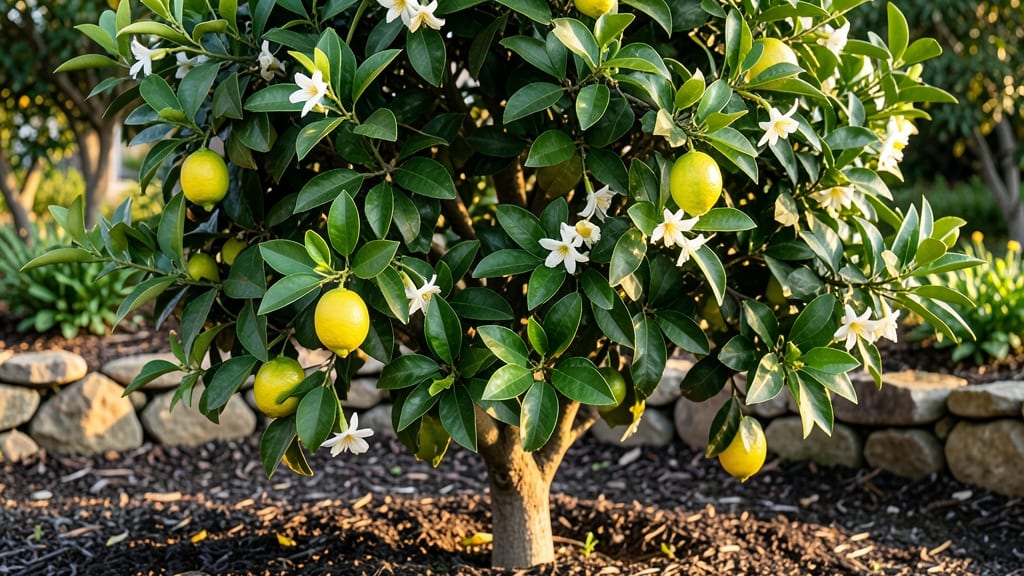
Growing a bear lemon tree in your backyard means tiny, sweet lemons that taste like sunshine—except these stay compact enough to prune with one hand. 🌿 I’ve wrestled with overgrown citrus before, and this dwarf variety changes everything.
No more wrestling branches or sacrificing patio space; just a manageable tree that rewards you with fruit in just 2-3 years.
The secret to keeping it lush and productive lies in light pruning year-round—not the aggressive cuts that stress full-size trees. You’ll focus on shaping, air circulation, and removing spent blooms, which keeps the tree happy without stunting growth.
Even in small spaces, this tree thrives with just 4-6 hours of sun daily, making it perfect for balconies or sunny corners.
What you’ll end up with is a tree that’s easy to care for but packed with flavor—lemon slices straight from your own dwarf citrus wonder. The fruit stays small and intensely sweet, perfect for garnishes, teas, or zesty desserts.
And because it’s disease-resistant, you’ll spend less time fighting pests and more time enjoying the harvest.
Whether you’re a first-time citrus grower or a seasoned pruner, this approach works for containers or in-ground planting. Let’s get those branches shaped for a tree that’s as beautiful as it is productive!
📚 In This Guide
- What you need
- Instructions
- Tips and common mistakes
- Wrapping up and next steps
What you need
- ● Pruning shears: Bypass pruners (sharp, clean, not anvil-style) for clean cuts on branches up to ½ inch thick.
- ● Loppers: For thicker branches (½–1½ inches), with a bypass blade and ratcheting handle for leverage.
- ● Hand pruners: Small, sharp pair for delicate trimming (great for dwarf varieties!).
- ● Disinfectant: 70% isopropyl alcohol or a gardening disinfectant spray (to prevent disease spread).
- ○ Pruning sealant: Optional but helpful for larger cuts (look for tree wound paint with natural ingredients like beeswax or linseed oil).
- ● Gloves: Heavy-duty gardening gloves (nitrile-coated for grip and protection).
- ● Pruning saw: Only if dealing with thick, woody branches (rare in dwarf bear lemon trees).
- ● Sharpener: A stone or foldable file to keep blades razor-sharp mid-pruning.
- ● Tarp or bucket: For collecting clippings (compost them later!).
- ● Ladder or stool: If your tree is tall enough to require reaching (even dwarf varieties can get just a little too high!).
- ● Notebook & pen: To jot down notes on cuts or growth patterns for future reference.
- ● Safety glasses: Always a good idea when working with tools!
How to prune a dwarf bear lemon tree for year-round compact growth
Here's my tested approach to keep your citrus tree lush, productive, and perfectly sized for containers.
🌿 Step 1: Time Your Pruning for Optimal Growth
Prune your Bear Lemon tree during late winter or early spring, just as new growth begins. This timing ensures you remove last year's growth while leaving plenty of time for fresh shoots to develop before summer's heat arrives. Avoid pruning in fall or winter when the tree is dormant—you'll risk exposing it to cold damage through fresh cuts.
Look for the first pale green buds along the branches as your cue. These indicate the tree is waking up from dormancy and ready to respond to pruning. If you miss this window, wait until after flowering but before fruit sets to avoid reducing next year's crop.
✂️ Step 2: Remove Dead, Crossing, and Overcrowded Branches
Start by eliminating any branches that are dead, diseased, or broken—these are easy to spot as they'll be brown, brittle, or lacking leaves. Next, remove any branches that cross or rub against each other. These create wounds that invite pests and diseases, and they compete for sunlight and nutrients.
Use sharp, clean pruners to make 45-degree cuts just above a leaf node or outward-facing bud. This encourages new growth to sprout in the right direction. Never leave stubs—always cut back to the branch collar where it meets the main stem. Here's the thing—if a branch is growing straight up, trim it back to encourage outward growth and a fuller shape.
🌱 Step 3: Shape the Tree for Compact Growth
To maintain the dwarf size of your Bear Lemon tree, focus on creating an open center. Remove any branches growing toward the center of the tree—this improves airflow and sunlight penetration, which prevents fungal diseases and promotes fruit production. Aim to keep the tree's shape wide at the base and gradually narrowing toward the top.
Trim back the longest branches by about one-third to encourage bushier growth. Look for the strongest lateral branches and shorten them slightly to redirect energy toward fruit production. If your tree is leggy, cut back the topmost branches to force new growth lower down. This keeps the tree compact and ensures fruit is within easy reach.
☀️ Step 4: Encourage Flowering and Fruit Set
After shaping the tree, focus on promoting flowering. New growth that emerges after pruning should be pinched back again when it reaches about 6 inches tall. This encourages the growth of smaller, more productive branches that will bear flowers and fruit.
Remove any suckers that grow from the base of the tree or along the trunk. These compete with the main structure for nutrients and can weaken the tree. Also, trim back any water sprouts—those are the fast-growing, vertical shoots that appear in response to pruning. They're attractive but sap energy that could go toward fruit production.
💧 Step 5: Post-Pruning Care for Healthy Recovery
After pruning, give your tree a balanced citrus fertilizer to support new growth. Water deeply right after pruning to help the tree recover from the stress of cutting. Keep the soil consistently moist but not soggy for the first 2-3 weeks—this helps the tree establish new roots and shoots.
Watch for new growth emerging from the pruned areas within 3-4 weeks. If you notice any yellowing leaves or slow growth, adjust your watering or light exposure. Place the tree in a spot with 6-8 hours of sunlight daily and protect it from strong winds, which can stress new growth. This is the moment that matters—consistent care now sets up a productive tree for the season.
Tips & tricks for perfect dwarf bear lemon tree pruning
Here’s what I learned after years of pruning these delicate citrus beauties—tricks that’ll keep your Bear Lemon thriving in containers.
Timing is Everything: That late winter/early spring window (when you spot pale green buds) is your golden hour. I once pruned in December by mistake, and my tree struggled through winter with slow recovery. If you miss this window, wait until after flowering but before fruit sets—any earlier and you risk losing next year’s crop. The tree’s natural growth cycle is your best guide.
Tool Prep Matters: Sterilize your pruners with rubbing alcohol between cuts to prevent spreading disease. I use a small bottle of 70% isopropyl alcohol and wipe them down after every 3-4 cuts. Sharp, clean tools make precise 45-degree cuts that heal faster. Dull blades crush stems instead of cutting cleanly, inviting infections. A quick test: if your pruners don’t cut through a pencil with ease, they’re too dull.
Shape with Purpose: When trimming those longest branches by one-third, focus on creating that open center shape. I like to visualize a vase—wide at the base, narrowing toward the top. This isn’t just about looks; it’s about airflow. Poor circulation leads to fungal issues like powdery mildew, which can devastate your fruit production. The goal is sunlight reaching all branches equally, so every leaf can photosynthesize efficiently.
Post-Pruning Recovery: That first 2-3 weeks after pruning is critical. I’ve seen trees recover beautifully when given consistent moisture (like a sponge, not a swamp) and the right conditions. Place your tree where it gets those essential 6-8 hours of sunlight daily—this is when photosynthesis really kicks into gear for new growth. If you notice yellowing leaves, it’s usually either overwatering or insufficient light. Adjust accordingly.
Pro Tips for Bear Lemon Tree
- Here’s what I learned after years of pruning these delicate citrus beauties—tricks that’ll keep your Bear Lemon thriving in containers.
- Timing is Everything: That late winter/early spring window (when you spot pale green buds) is your golden hour.
- Tool Prep Matters: Sterilize your pruners with rubbing alcohol between cuts to prevent spreading disease.
Frequently asked questions
Got questions about growing and pruning your bear lemon tree? You’re not alone! Here are some of the most common queries—plus quick answers to keep your dwarf citrus thriving.
How often should I prune my dwarf bear lemon tree?
Prune your bear lemon tree lightly every 4–6 weeks during its active growing season (spring through early fall). Focus on shaping, removing dead wood, and thinning crowded branches. Avoid heavy pruning in winter—this citrus variety is sensitive to cold stress. Pro tip: Use sharp, sterilized shears to prevent disease!
Can I prune my bear lemon tree in winter?
Winter is not the best time for major pruning—especially in colder climates. If you must trim, do so only after the last frost and keep cuts minimal. Bear lemon trees are evergreens and need their foliage to photosynthesize year-round. Wait until spring for full pruning sessions to encourage robust regrowth.
Will pruning reduce my bear lemon tree’s fruit production?
Not if done correctly! Pruning encourages fruit production by improving airflow and sunlight exposure. However, avoid cutting back more than one-third of the tree in a single session. Focus on removing overcrowded or weak branches—this redirects energy to healthier growth and sweeter lemons!
What’s the best way to revive a leggy bear lemon tree?
Leggy growth? It’s a sign of insufficient light! Start by pruning back overly elongated branches to encourage bushier growth. Move your tree to a sunnier spot (6+ hours of direct light daily) and fertilize lightly with a citrus-specific blend. Bonus: Pinch back new growth tips to promote compact, fuller branches.
Can I propagate cuttings from my pruned bear lemon tree?
Take 4–6 inch cuttings from healthy, non-flowering branches. Dip the cut end in rooting hormone, plant in well-draining soil, and keep humid (use a plastic bag or propagator). Place in bright, indirect light until roots form (4–8 weeks). Pro tip: Water lightly to avoid rot—bear lemon cuttings are finicky but rewarding!
Wrapping up and next steps
Growing a bear lemon tree in its dwarf variety is a rewarding journey—packed with fragrant blooms, tangy fruit, and the joy of nurturing a compact citrus wonder! By mastering the art of pruning, you’ll ensure a sun-kissed, productive tree that thrives in even small spaces.
Remember: patience and precision are your best tools, and every snip brings you closer to a bountiful harvest.
Ready to take the next step? Start small: grab your pruners, pick a sunny spot, and give your bear lemon tree the love it deserves. Before you know it, you’ll be savoring homegrown lemons—one careful cut at a time! 🌿✨