
Trees
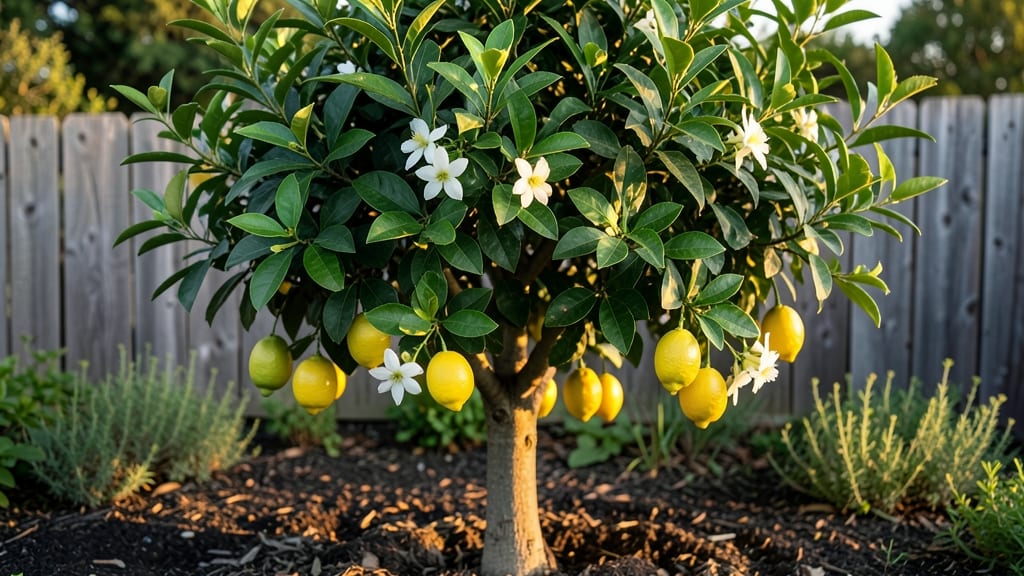
Raising lemon trees from seed to fruit-bearing glory starts with the right variety and a little patience—especially if you live where winters dip below freezing. 🌱 I’ve watched my Meyer lemon tree go from a spindly sapling to a fruit-loaded branch, and the secret isn’t just in the sunshine but in protecting those delicate roots when temperatures drop.
Cold stress kills more lemon trees than pests ever will, but with the right approach, you can grow citrus year-round, even in zones where frost is a fact of life.
The first step is choosing a variety that fits your climate: cold-hardy types like ‘Improved Meyer’ can handle brief dips to 20°F, while standard lemons need to be brought indoors when temps drop below 35°F.
You’ll also need well-draining soil (a mix of potting soil and perlite works wonders), a 10-15 gallon container for potted trees, and a sunny spot—6-8 hours of direct light is non-negotiable.
If you’re planting outdoors in colder zones, a sturdy pot with wheels makes winter moves easier than you’d think.
By summer’s end, you’ll be harvesting lemons that smell like sunshine and taste sweeter than anything from the grocery store.
The first fruits might be small, but with proper care—regular pruning to shape the tree, monthly feeding with citrus-specific fertilizer, and consistent watering (never soggy soil)—your tree will reward you with dozens of lemons by its third year.
The key is protecting those roots: mulch heavily in fall, wrap pots in burlap for insulation, and never let the soil freeze solid.
This works for both patio pots and in-ground plantings, though container trees give you the flexibility to move them indoors when frost threatens. Whether you’re growing in Florida or Minnesota, the same principles apply: sunlight, soil, and shelter are the holy trinity of lemon tree success.
Let’s get those roots thriving!
📚 In This Guide
- What you need
- Instructions
- Tips and common mistakes
- Wrapping up and next steps
What you need
- ● Lemon Tree Seedling or Bare-Root Plant: 1 dwarf variety (e.g., Meyer lemon or Eureka) for containers or small spaces.
- ● 1 standard-size tree (if planting in-ground with ample space).
- ● Growing Containers (if indoor/container gardening): 1–2 5-gallon+ pots with drainage holes (for seedlings or small trees).
- ● 1 15–20 gallon pot or larger for mature trees (minimum 18" diameter).
- ● Potting Mix: 1 bag well-draining citrus-specific mix (or blend: 60% peat moss, 20% perlite, 20% sand).
- ● Fertilizer: 1 balanced citrus fertilizer (e.g., 6-6-6 or 8-3-9 with micronutrients).
- ○ 1 slow-release granular fertilizer (optional but convenient).
- ● Watering Supplies: 1 watering can with a rose attachment (for gentle, deep watering).
- ● 1 hose with adjustable nozzle (for outdoor watering).
- ● Pruning Tools: 1 pair bypass pruners (sharp and sanitized).
- ● 1 hand saw (for thicker branches).
- ● Mulch: 1 bag organic mulch (e.g., straw or wood chips) to retain moisture and regulate soil temp.
- ● Grow Lights: 1–2 full-spectrum LED grow lights (for indoor trees needing 8+ hours of light/day).
- ● Heating Mat: 1 seedling heat mat (if starting from seed in cool climates).
- ● Soil Moisture Meter: 1 digital meter to monitor root-zone hydration.
- ● Citrus-Specific Pest Control: 1 bottle neem oil or insecticidal soap (for aphids/spider mites).
- ● 1 pack yellow sticky traps (to catch flying pests).
- ● Support Stakes: 1–2 bamboo stakes + soft ties (for young trees needing stability).
- ● Cold Frame or Greenhouse: A portable cold frame or mini greenhouse (to extend growing season in frosty areas).
Step-by-step instructions for raising lemon trees indoors
Here’s how to nurture cold-sensitive citrus roots into a thriving, fruit-bearing tree.
🌱 Step 1: Select and Prepare the Right Container
Choose a 12-15 inch diameter pot with drainage holes—lemon trees resent soggy roots. I use unglazed terra cotta because it breathes, preventing root rot in the humid conditions citrus loves. Fill the bottom 2 inches with coarse perlite or pumice to improve drainage and prevent compaction.
Next, mix equal parts potting soil and sand (or use a citrus-specific blend) for fast-draining yet moisture-retentive soil. Avoid garden soil—it compacts and suffocates roots. Tap the pot gently after filling to settle the mix without compacting it. The surface should feel firm but not rock-hard when pressed.
🌿 Step 2: Plant and Establish the Tree
Remove the lemon tree from its nursery pot and gently loosen the roots if they’re circling. Place it in the center of your prepared container, ensuring the root flare (where roots meet the trunk) sits just above soil level. This prevents stem rot from buried bark.
Fill around the roots with your soil mix, pressing lightly to eliminate air pockets. Water deeply until moisture runs from the drainage holes—this settles the soil and removes air gaps. After planting, place the tree in bright, indirect light (no harsh sun yet) for 7-10 days to reduce transplant shock. You’ll know it’s settling in when new growth appears within 2-3 weeks.
☀️ Step 3: Master Light and Temperature
Lemon trees need 6-8 hours of direct sunlight daily, but avoid midday sun in summer—it scorches leaves. A south-facing window works, but most homes lack enough light. Supplement with a grow light (12-14 hours/day) if leaves yellow or stretch toward the window. Keep the tree 60-70°F—colder temps slow growth, and below 50°F risks root damage.
Rotate the pot quarter-turn weekly so the tree grows evenly. Watch for leggy growth (thin, pale stems)—this means light is insufficient. Adjust immediately to prevent weak structure. In winter, move the tree closer to a warm, sunny window or use a heat mat if temps drop below 55°F.
💧 Step 4: Water and Fertilize for Fruit Production
Water when the top 2 inches of soil feel dry—lemon trees hate soggy roots but need consistent moisture. I use room-temperature water to avoid shocking the roots. Fertilize monthly with a citrus-specific fertilizer (high in nitrogen early, switch to balanced 6-6-6 when flowering). Over-fertilizing burns roots, so follow label rates precisely.
Prune spent blossoms (deadhead) to encourage more fruit. Pinch back overly long branches in early spring to promote bushier growth. You’ll see the first fruits in 2-3 years—patience is key! If leaves drop or turn brown, check for overwatering (most common killer) or pests (scale or spider mites).
✂️ Step 5: Harvest and Overwinter Successfully
Lemons ripen 6-12 months after flowering—harvest when they’re bright yellow and slightly soft to the touch. Twist gently to avoid tearing the stem. Store at room temperature for fresh use or refrigerate to extend shelf life. In winter, reduce watering slightly (soil stays slightly drier) and avoid fertilizing—the tree enters dormancy.
Here’s the thing—lemon trees need humidity. Place the pot on a tray of pebbles with water (not touching the pot) to mimic tropical conditions. Mist leaves weekly in dry climates. With these steps, your tree will thrive year-round, even in cold homes.
Tips & tricks for perfect indoor lemon trees
Here's what nobody tells you about keeping your citrus thriving indoors—these details make all the difference.
Pot Selection Matters: Unglazed terra cotta pots are ideal because they wick away excess moisture, but if you must use plastic, drill extra drainage holes—lemon trees despise soggy roots. I've learned this the hard way after watching roots rot in poorly draining containers. The 12-15 inch diameter specification isn't arbitrary: smaller pots restrict root growth, while larger ones create stability issues. For outdoor wintering, I use a 16-inch pot with a heavy base to prevent tipping in windy conditions.
Soil Mix Science: The equal parts potting soil and sand ratio creates the perfect balance—sand prevents compaction while potting soil retains enough moisture. Pro tip: Add 10% worm castings to your mix for natural nutrients that citrus trees love. I avoid perlite in the main mix (only using it for the 2-inch drainage layer) because it can dry out too quickly. For existing trees, you can gradually amend the soil by mixing in fresh citrus blend during repotting.
Lighting Strategy: Those 6-8 hours of direct sunlight are non-negotiable, but most homes can't provide enough natural light. Position your tree within 2 feet of the brightest window and supplement with a full-spectrum grow light for the remaining 12-14 hours. I've found that LED grow lights with a 6500K color temperature work best—avoid cheap bulbs that emit more heat than light. Rotate your tree weekly to prevent it from leaning toward the light source, which creates weak, leggy growth that's prone to breaking.
Temperature Troubleshooting: Maintaining 60-70°F is crucial, but sudden drops below 50°F can shock the tree. If your home gets chilly at night, I recommend using a small space heater with a thermostat set to 55°F—just keep it away from leaves. Watch for cold drafts from windows or doors, which can cause leaf drop. In winter, move the tree away from exterior walls where temperatures fluctuate dramatically. The root flare must never be exposed to cold air, so use a pot saucer to create a microclimate.
Pro Tips for Raising Lemon Trees
- Here's what nobody tells you about keeping your citrus thriving indoors—these details make all the difference.
- Pot Selection Matters: Unglazed terra cotta pots are ideal because they wick away excess moisture, but if you must us...
- Soil Mix Science: The equal parts potting soil and sand ratio creates the perfect balance—sand prevents compaction wh...
Frequently asked questions
Got questions about raising lemon trees?
You’re not alone! Here are some of the most common concerns—plus straightforward answers to help you grow thriving citrus year-round.
How cold can lemon trees tolerate before damage occurs?
Lemon trees thrive in USDA zones 9–11 but can handle brief dips to 28°F (-2°C) with protection. For colder climates, use frost cloth, move potted trees indoors, or plant in containers for mobility. Everbearing varieties like Meyer lemons are slightly hardier but still need winter care.
How long does it take for a lemon tree to bear fruit?
Patience is key! Dwarf varieties may produce lemons in 2–3 years, while standard trees take 4–6 years. Ensure full sun (6+ hours daily), well-draining soil, and consistent watering. Pro tip: Fertilize with citrus-specific nutrients (high in nitrogen, phosphorus, and potassium) to speed up fruiting.
Why are my lemon tree leaves turning yellow?
Yellow leaves usually signal overwatering, nutrient deficiency, or root stress. Check soil moisture—lemon trees prefer it slightly dry between waterings. Test soil pH (ideal: 6.0–7.0) and amend with compost or citrus fertilizer. Yellowing on older leaves? Likely normal aging; new leaves yellowing? Act fast—adjust care!
Can I grow a lemon tree indoors successfully?
Choose a dwarf variety (like Improved Meyer) and place it near a south-facing window (or use grow lights for 12+ hours/day). Rotate the pot weekly for even growth, and mist leaves to combat dry indoor air. Just know: Indoor trees may fruit less reliably than outdoor ones.
What’s the best way to protect lemon trees from frost?
Start with mulch (straw or wood chips) around the base to insulate roots. Wrap the trunk with bubble wrap or frost cloth, and cover the entire tree with a breathable blanket (avoid plastic—it traps moisture). For potted trees, move them to a garage or sunny indoor spot. Pro tip: Water trees before a freeze to prevent root damage.
Are there cold-hardy lemon tree alternatives?
If your climate is too chilly for traditional lemons, try hardier citrus hybrids like:
- Calamondin (tolerates 18°F/-8°C, great for containers)
- Kumquat (survives 15°F/-9°C, edible peel!)
- Trifoliate Orange (hardy to 5°F/-15°C, rootstock for grafted trees)
Wrapping up and next steps
Raising lemon trees is a rewarding journey that brings year-round citrus joy—even in colder climates! 🌿 With the right cold-stress strategies, proper materials, and a dash of patience, you’ll soon be harvesting sweet, tangy lemons. Remember, consistency in care and protection from frost are key to thriving trees.
Ready to take the next step? Start by planting your lemon tree in a sunny spot, then monitor its progress and adjust care as needed. Soon, you’ll be sipping fresh lemonade straight from your backyard—what’s not to love? 🍋✨