
Pruning
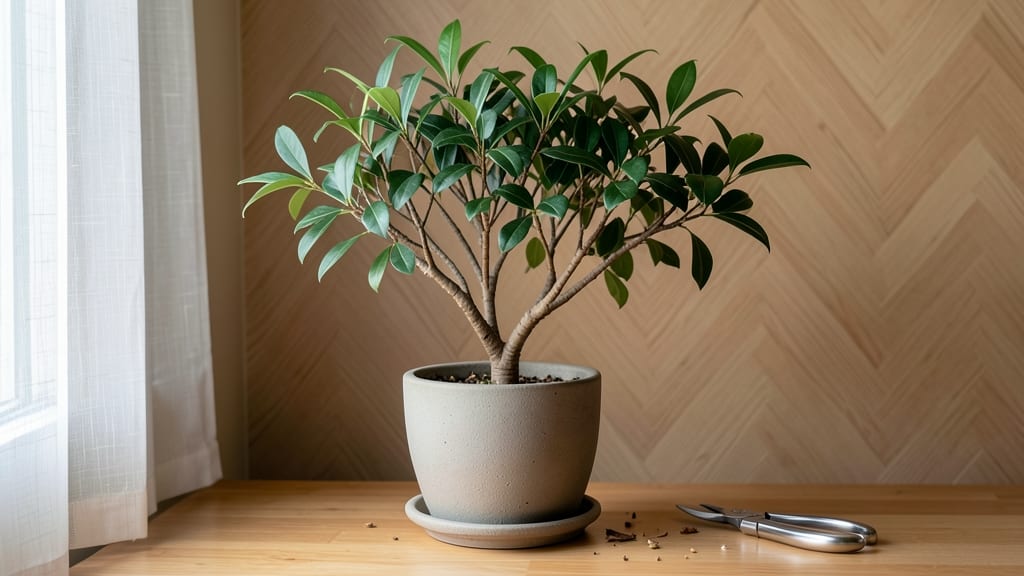
Growing a cinnamon tree indoors means waking up to the warm, spicy scent of real cinnamon year-round—no grocery store needed. 🌿 I’ve nurtured mine through three winters, and the secret isn’t complicated: it’s about light, patience, and those 4 simple pruning cuts that keep it lush and fragrant.
The first time I crushed a leaf between my fingers and smelled that familiar kitchen spice, I knew I’d never go back to store-bought sticks.
The trick starts with a bright spot—east or south-facing windows work best, or a grow light if your home is dim. Well-draining potting mix (think chunky, not dense) prevents root rot, and watering only when the top inch feels dry keeps roots happy.
Humidity is key: mist the leaves weekly or place the pot on a tray of pebbles with water to mimic its tropical home. Most beginners overwater, so let the soil dry slightly between drinks—that’s where my first few trees went wrong.
By pruning just four times a year—after each flush of new growth—you’ll encourage a bushier shape and more fragrant leaves. Snip just above a leaf node, and watch those stems thicken over time.
Within a year, you’ll have a small tree that smells like holiday baking and produces leaves you can actually use in recipes. The best part? It’s foolproof once you get the basics right, and the scent alone makes it worth every effort.
This method works for both Cinnamomum verum (true cinnamon) and C. camphora (camphor tree), though the latter grows faster. Whether you’re a beginner or a seasoned plant parent, the cinnamon tree adapts beautifully to indoor life—just give it light, space to breathe, and a little TLC.
Let’s get you started on your fragrant, kitchen-ready tree today.
📚 In This Guide
- What you need
- Instructions
- Tips and common mistakes
- Wrapping up and next steps
What you need
- ● Cinnamon tree plant: A healthy Cinnamomum verum or Cinnamomum burmannii sapling (3–6 inches tall, potted). Pro tip: Look for organic, disease-free plants from a reputable nursery! 🌿
- ○ Well-draining pot: 12–18 inches in diameter (terracotta or ceramic preferred) with drainage holes. Optional: A cache pot for aesthetics.
- ● High-quality potting mix: 50% peat moss or coconut coir, 30% perlite or pumice, and 20% compost. Tip: Avoid garden soil—it compacts and suffocates roots! 🚫🌱
- ● Pruning tools: Bypass pruners (sharp, clean, for clean cuts)
- ● Sterilizing alcohol (70% isopropyl) or rubbing alcohol
- ● Pruning saw (for thicker branches, if needed)
- ● Gloves: Thick gardening gloves to protect hands from sap and thorns.
- ● Spray bottle: For misting leaves (especially in dry climates).
- ○ Humidifier or pebble tray: Optional but helpful for maintaining 50–60% humidity.
- ● Support stake or trellis: If your cinnamon tree grows tall (6+ feet), use a bamboo stake for stability.
- ● Slow-release fertilizer: Balanced 10-10-10 or organic options like worm castings (apply every 2–3 months).
- ● A sunny spot: South- or west-facing window (or grow lights for 6+ hours/day).
- ● Consistent care routine: Commit to regular watering, pruning, and monitoring for pests.
- ● Patience: Cinnamon trees grow slowly—pruning encourages fuller growth over time! ⏳
How to prune your indoor cinnamon tree for year-round growth
Pruning keeps your cinnamon tree lush, fragrant, and full of energy—here’s how to do it right.
✂️ Step 1: Time Your First Pruning for Spring Awakening
Wait until late winter or early spring when the tree shows new growth—look for small buds swelling along the branches. This is your cue to prune before the main growing season kicks in. I like to prune just as the first bright green leaves appear, usually around February or March depending on your climate.
Use clean, sharp pruning shears to make cuts at a 45-degree angle, about ¼ inch above a leaf node (where leaves attach). This encourages new growth from the exact spot you cut. Avoid cutting too close to the trunk—you’ll expose the wood and risk infection.
✂️ Step 2: Shape the Tree with 4 Strategic Cuts
Focus on 4 key areas: the top, sides, and any leggy or sparse branches. Start by trimming the tallest branch to encourage a fuller shape. Cut back to a leaf node that’s facing outward—this opens the canopy to more light and air circulation, which prevents fungal issues.
Next, trim any branches growing inward or crossing over others. These compete for sunlight and can weaken the tree. Make your cuts just above a leaf node where you see a small bump or bud. If a branch is completely bare or dead, cut it back to healthy wood. You’ll know it’s healthy if the wood is firm and green beneath the bark.
✂️ Step 3: Encourage Bushier Growth with Mid-Season Trims
About 6-8 weeks after your first pruning, check for any new growth that’s stretching too tall or looking sparse. These are your second set of cuts. Trim back the tips of leggy branches by about ⅓ of their length, but never more than that—you’ll shock the tree and stunt its growth.
Here’s the thing—cinnamon trees respond well to pruning, but they don’t like drastic changes. If you see a branch with new leaves but no buds, it’s not ready for another trim yet. Wait until you spot small, tight buds forming before you touch it again. This ensures you’re pruning at the right time for maximum regrowth.
✂️ Step 4: Finish with Fall Cleanup for Winter Prep
In late fall, after the tree has slowed its growth but before it goes dormant, do a light cleanup. Remove any yellow or dead leaves, as well as branches that are thinner than a pencil—these won’t survive winter well. Cut them back to a healthy leaf node, just like before.
This final trim helps the tree focus its energy on root growth over the winter months. You’ll know you’ve done it right if the tree looks neater and more balanced by the time winter hits. Avoid heavy pruning in fall—it stresses the tree when it’s already preparing for dormancy.
Tips & tricks for perfect indoor cinnamon tree pruning
Keeping your cinnamon tree thriving indoors is easier than you think—just a few simple tricks make all the difference.
Timing is Everything: The late winter/early spring timing in Step 1 is critical because that's when your tree naturally wakes up from dormancy. I've learned the hard way—pruning too early (before buds swell) stresses the tree, while waiting too late (after leaves appear) means you're cutting into new growth. Look for those tiny, tight buds as your signal to start. If you miss this window, you'll notice slower regrowth.
Tool Prep Matters: Before you even touch your tree, sterilize your pruning shears with rubbing alcohol. I use a small bottle of 70% isopropyl alcohol to wipe down the blades between cuts—this prevents spreading disease from one branch to another. Also, make sure your shears are sharp; dull blades crush stems instead of making clean cuts, which invites infection. A quick test: if you can't cut through a piece of paper cleanly, your shears need sharpening.
Visual Cues for Perfect Cuts: When making those 45-degree cuts in Step 1 and Step 2, imagine you're making a tiny roof over the leaf node. This angle keeps water from pooling on the cut, which could rot the wood. For the mid-season trims in Step 3, trim back to where you see a small bump or bud—this is your growth point. If you cut too close to the trunk or into old wood, your tree won't regrow from that spot.
Fall Cleanup Strategy: That late fall cleanup in Step 4 is your chance to do some preventative maintenance. Remove any branches thinner than a pencil—they're too weak to survive winter and will just take energy from your tree. Also, look for any branches that are crossing or rubbing against each other; these should be trimmed back to prevent damage. Think of this as your tree's winter wardrobe—keeping it neat helps it stay warm and healthy.
Pro Tips for Cinnamon Tree Indoors
- Keeping your cinnamon tree thriving indoors is easier than you think—just a few simple tricks make all the difference.
- Timing is Everything: The late winter/early spring timing in Step 1 is critical because that's when your tree naturally wakes up from dormancy.
- Tool Prep Matters: Before you even touch your tree, sterilize your pruning shears with rubbing alcohol.
Frequently asked questions
Got questions about growing a cinnamon tree indoors? You’re not alone! Here are answers to the most common queries to help you nurture a fragrant, thriving plant year-round.
How fast does a cinnamon tree grow indoors?
A cinnamon tree grows slowly indoors—expect about 6–12 inches per year with ideal care. Patience is key! Growth depends on light, humidity, and pruning. For faster results, place it near a south-facing window or under grow lights. Pro tip: Avoid overwatering, which can stunt growth.
Can I prune my cinnamon tree at any time?
Yes, but timing matters! Prune after flowering (late winter/early spring) to encourage bushier growth. Avoid heavy pruning in fall—it can stress the tree. For shaping, trim just above a leaf node with clean, sharp shears. Warning: Never prune more than 1/3 of the foliage at once.
Why are my cinnamon tree leaves turning yellow?
Yellow leaves usually signal overwatering or poor drainage. Let the top 1–2 inches of soil dry out between waterings. Check for root rot by gently lifting the pot—soggy roots = trouble! Also, ensure it gets bright, indirect light (direct sun can scorch leaves).
What’s the best alternative if I can’t grow a true cinnamon tree?
If Cinnamomum verum (true cinnamon) is hard to find, try these fragrant indoor-friendly alternatives:
- Cassia cinnamon (Cinnamomum cassia) – Faster-growing, drought-tolerant, and easier to prune.
- Avocado tree (Persea americana) – Similar care needs, glossy leaves, and edible fruit!
- Sweet bay (Laurus nobilis) – Hardy, aromatic, and loves humidity.
How do I revive a drooping cinnamon tree?
Drooping often means underwatering or root stress. First, check soil moisture—water thoroughly if dry. Move it to indirect light if it’s been in harsh sun. For severe cases, trim wilting branches and repot in fresh, well-draining soil. Mist leaves daily to boost humidity. Recovery tip: Avoid fertilizing until new growth appears!
Wrapping up and next steps
Growing a fragrant cinnamon tree indoors isn’t just rewarding—it’s doable with the right care and a few simple pruning cuts! 🌿 Whether you’re trimming for shape, health, or harvest, remember that patience and consistency are key. Your cinnamon tree will thrive, filling your home with warmth and spice year-round.
Ready to take the next step? Start small—try pruning just one branch this week and observe how your tree responds. Before you know it, you’ll be enjoying fresh cinnamon sticks and a lush, happy plant that’s the star of your space! 🌟