
Pruning
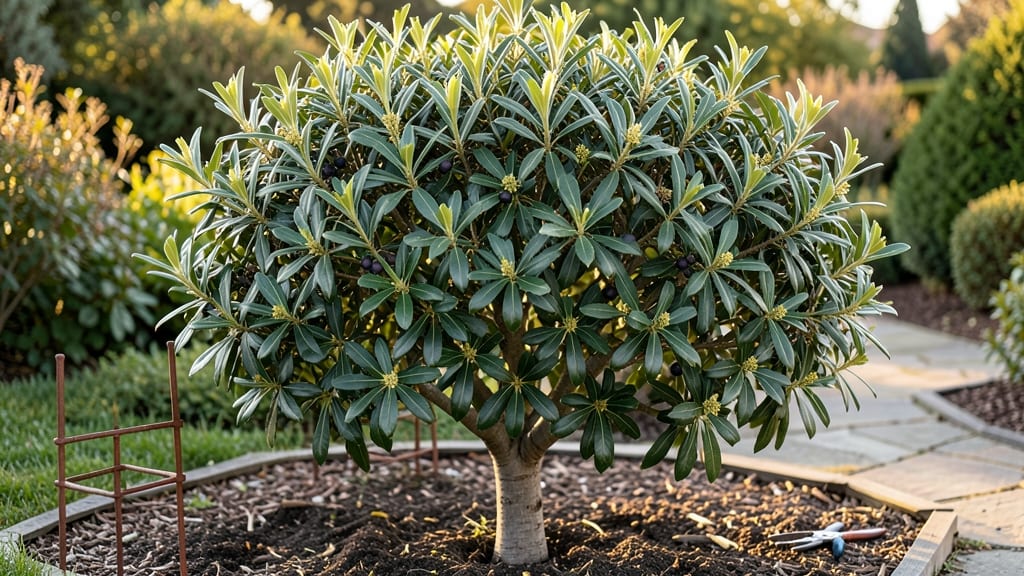
Your laurus nobilis bay leaf tree isn’t just a kitchen staple—it’s a fragrant, evergreen powerhouse that thrives with the right pruning. I’ve pruned mine every season for five years, and the difference in lushness and productivity is night and day.
The key? A mix of shaping cuts in spring and light maintenance through winter to keep it dense and aromatic.
This Mediterranean beauty handles pruning like a champ, but timing matters. You’ll want to trim back any leggy growth in early spring before new shoots emerge, and do a quick cleanup after heavy frosts.
For container-grown plants, pruning encourages bushier growth, while garden specimens can handle more aggressive shaping. Just avoid cutting into old wood—it won’t regrow.
What you’ll end up with is a tree that smells like a spice cabinet when you brush its leaves, stays green year-round, and produces fresh bay leaves for cooking. The foliage becomes so thick that pests struggle to take hold, and the shape stays tidy without constant effort.
It’s the kind of plant that makes neighbors ask, “What is that incredible scent?”
Works equally well in pots on patios or planted in the ground, though container trees need slightly more frequent pruning. The same techniques apply—just adjust the scale. Here’s how to do it right without sacrificing growth or fragrance.
📚 In This Guide
- What you need
- Instructions
- Tips and common mistakes
- Wrapping up and next steps
What you need
- ● Pruning shears: Bypass pruners (sharp, clean, and sterilized with rubbing alcohol) for small branches (up to ½-inch thick).
- ● Loppers: For medium branches (½-inch to 2-inches thick)—look for ratchet-style for extra leverage.
- ● Pruning saw: A curved-tooth handsaw for thick branches (2+ inches). Avoid cheap saws—they can tear wood.
- ● Gloves: Heavy-duty, cut-resistant gloves (e.g., leather or synthetic blend) to protect hands from thorns and rough bark.
- ● Disposable pruning bags: 1–2 large bags (10–15 gallons) to collect clippings and reduce mess.
- ● Ladder or step stool: Sturdy, non-slip (e.g., aluminum with rubber feet) for reaching higher branches.
- ● Rubbing alcohol (70%+): A small bottle to sterilize tools between cuts and prevent disease spread.
- ○ Sharpie or label markers: For marking branches to prune (optional but helpful for complex cuts).
- ● Hand pruners with extendable poles: For hard-to-reach areas without a ladder.
- ● Tree wound dressing: Pruning paste (e.g., Tanglefoot Tree Wound Pruning Sealer) for large cuts (controversial but some swear by it!).
- ● Safety glasses: To shield eyes from debris.
- ● Knee pads: If you’ll be kneeling or working on the ground.
- ● Spray bottle with water: To mist tools and keep them cool during hot days.
Step-by-step guide to pruning your laurel tree for year-round growth
Here's how I keep my bay leaf tree thriving with simple, seasonal pruning techniques.
Assess the Tree for Spring Growth
Start in early spring when new growth begins—look for fresh, vibrant buds along the branches. The goal is to shape the tree while encouraging dense foliage. I examine each branch for signs of overcrowding or weak growth, focusing on areas where leaves appear sparse or stems look leggy.
Use clean, sharp pruning shears to make your first cuts. Laurel trees respond well to pruning when they’re actively growing, so timing matters. If you wait too late, you’ll risk stunting new growth for the season.
Remove Dead or Damaged Branches First
Identify any dead, diseased, or crossing branches—these are your top priorities. Dead branches snap easily when bent, while healthy ones bend slightly. Cut these back to a healthy bud or branch junction, making the cut just above it at a slight angle to prevent water from pooling.
I also remove any branches that rub against each other, as friction can create wounds that invite pests. Laurel trees heal quickly, but preventing damage early saves you work later. After removing the worst offenders, step back to visualize the tree’s shape.
Thin Out Overcrowded Areas for Airflow
Laurel trees thrive with good airflow, so thin out dense clusters of branches to let light penetrate. Focus on the inner canopy first—these areas often get shaded and produce weaker leaves. Aim to remove about one-third of the interior growth, cutting back to a strong outward-facing bud.
You’ll notice the tree’s natural shape more clearly as you work. Avoid heavy pruning on a single branch—this can stress the plant. Instead, distribute cuts evenly to maintain balance. If you’re unsure, err on the side of lighter pruning; laurels recover well from minimal shaping.
Shape the Tree for Balance and Density
Now’s the time to refine the tree’s form. Laurel trees handle pruning well, so you can be bold with shaping—just avoid cutting into old wood, which may not regenerate leaves. I like to create a slightly rounded silhouette for a fuller look, trimming back any branches that spoil the symmetry.
For a bushier appearance, trim the tips of branches to encourage branching at the nodes below. Laurel trees will fill in quickly with new growth, so don’t be afraid to prune aggressively in spring. Just remember: the more you cut, the faster it grows back.
Light Maintenance Pruning in Summer and Fall
Throughout the growing season, do light pruning to remove any new growth that disrupts the tree’s shape or appears weak. Summer is also a good time to trim any suckers—those unwanted shoots that sprout at the base. Cut these back to the ground immediately to redirect the tree’s energy.
In fall, focus on tidying up the tree before winter. Remove any yellowing or diseased leaves, and trim back any branches that grew too long during the summer. Avoid heavy pruning in late fall or winter, as the tree needs all its energy to survive dormancy.
Tips & tricks for perfect laurel tree pruning
Here's what I've learned from years of keeping my bay leaf tree lush and healthy—these details make all the difference.
Timing is Everything: Early spring is your best window for major pruning, but don't wait until leaves appear. Look for those fresh, vibrant buds that signal new growth has begun. I've found that pruning right as these buds swell gives the tree the most energy to recover. If you miss spring, avoid heavy pruning in late fall or winter—this is when the tree stores energy for next year's growth.
Tool Prep Matters: Before you make a single cut, take 5 minutes to clean and sharpen your pruning shears. Dull blades tear rather than cut cleanly, which creates larger wounds that heal more slowly. I also like to wipe down the blades with rubbing alcohol between cuts—this prevents spreading any potential diseases between branches. A clean cut at a slight angle (just above a healthy bud) heals faster and looks more professional.
The One-Third Rule: When thinning out overcrowded areas in Step 3, remember this key principle: never remove more than one-third of the interior growth at once. Laurel trees are resilient, but this rule prevents stress. I focus on removing the weakest branches first—those with sparse leaves or crossing others. This creates better airflow and lets sunlight reach the inner canopy, which produces stronger, more fragrant foliage.
Visualizing the Shape: After removing dead branches and thinning, step back and look at your tree from multiple angles. Laurel trees respond well to shaping, so don't be afraid to be bold—but avoid cutting into old wood. I like to create a slightly rounded silhouette by trimming back any branches that spoil the symmetry. For a bushier look, trim the tips of branches just above a leaf node; new growth will sprout from there in just a few weeks.
Pro Tips for Laurus Nobilis Bay Leaf Tree
- Here's what I've learned from years of keeping my bay leaf tree lush and healthy—these details make all the difference.
- Timing is Everything: Early spring is your best window for major pruning, but don't wait until leaves appear.
- Tool Prep Matters: Before you make a single cut, take 5 minutes to clean and sharpen your pruning shears.
Frequently asked questions
Got questions about keeping your Laurus nobilis (bay leaf tree) thriving with year-round pruning? Here are answers to the most common ones—so you can grow a lush, fragrant beauty without the guesswork!
When is the best time to prune a bay leaf tree?
Prune your Laurus nobilis in late winter or early spring (just before new growth starts) for the best results. Light shaping can be done year-round, but avoid heavy pruning in fall—it may stimulate tender growth that won’t survive winter frosts. Pro tip: If you spot dead or diseased branches anytime, trim them immediately!
How much can I prune without harming the tree?
Never remove more than 25-30% of the foliage in one session—this prevents stress. Bay leaf trees are forgiving but thrive best with gradual shaping. For mature trees, focus on thinning out crowded branches to improve airflow and sunlight penetration. Warning: Over-pruning can weaken the tree or reduce its fragrant leaf production.
Can I use bay leaves from my tree for cooking?
Fresh bay leaves
from your tree are even more flavorful than dried ones. Simply pluck a few leaves, wash them gently, and use them whole in soups, stews, or sauces. Bonus: Remove leaves after cooking—they’re tough to chew! Avoid overharvesting from a single branch to keep the tree healthy.
Why are the leaves turning yellow or brown?
Yellowing leaves often signal overwatering or poor drainage, while brown edges may mean underwatering or sunburn. Check soil moisture (it should be damp but not soggy) and ensure the tree gets morning sun and afternoon shade in hot climates. Fix it: Adjust watering and mulch around the base to retain moisture.
Can I propagate my bay leaf tree from cuttings?
Yes! Take 4-6 inch cuttings from healthy, non-flowering branches in spring or early summer. Dip the cut end in rooting hormone, plant in moist potting mix, and keep humid (use a plastic bag or propagator). Roots should form in 4-8 weeks. Success tip: Use a mix of perlite and peat moss for faster rooting!
Wrapping up and next steps
The Laurus nobilis bay leaf tree is a versatile and rewarding addition to any garden or kitchen—when nurtured with the right pruning care! 🌿 By mastering year-round trimming, you’ll enjoy lush, fragrant foliage and a steady harvest of aromatic leaves, perfect for culinary and decorative uses.
Whether you’re a seasoned gardener or just starting, consistency is key to keeping your tree thriving.
Ready to elevate your green thumb game? Start small—pick one season to refine your technique, then gradually expand your pruning routine. Before you know it, your bay leaf tree will be the star of your garden and your kitchen! 🍃