
Planting
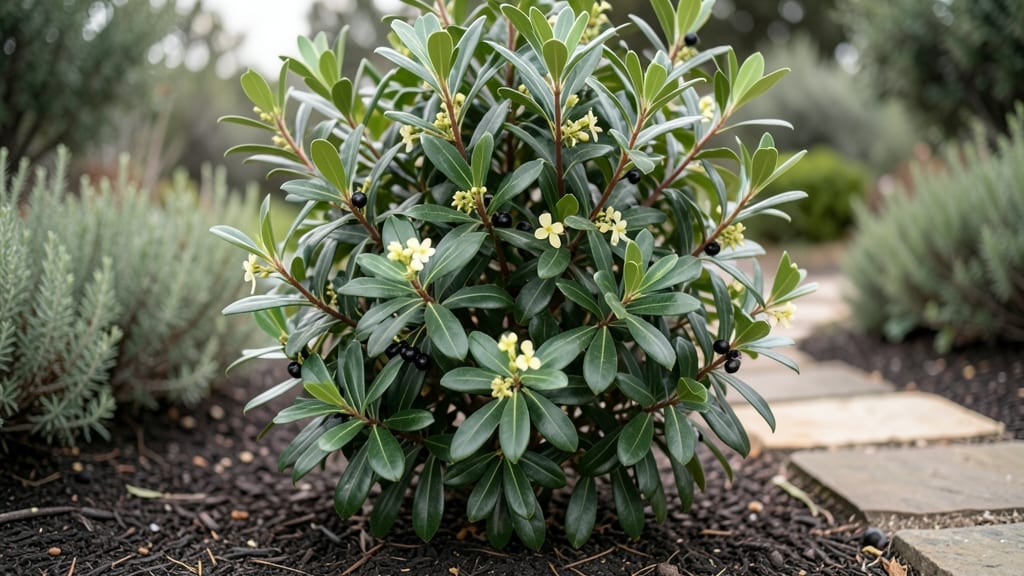
Mastering bay tree plant care isn’t about constant fussing—it’s about creating the right conditions and letting this aromatic evergreen thrive on its own. 🌿 I’ve kept mine lush for years with just a few key adjustments, and the secret lies in mimicking its Mediterranean roots: bright light, well-draining soil, and occasional pruning to shape its growth.
The fragrance alone makes the effort worth it, but the real magic happens when you understand its surprisingly low-maintenance nature.
Most people overdo the watering or cram their bay tree into dark corners, but this plant actually prefers dryish soil and six or more hours of sunlight daily.
In containers, I use a mix of potting soil and perlite to prevent soggy roots, and I only water when the top inch feels dry. Indoors, a south-facing window or grow light keeps it happy year-round without extra effort.
With proper care, your bay tree will reward you with glossy, deep-green leaves and that familiar kitchen-fresh scent all year. Prune in late winter to encourage bushier growth, and watch it bounce back from minor neglect—it’s one of the most forgiving evergreens around.
The best part? You’ll never need to buy fresh bay leaves again.
Whether you’re growing it as a houseplant or outdoor shrub, the same principles apply. Just remember: less is more with bay trees. They’re built to last, not to demand constant attention. Let’s get yours thriving with confidence!
📚 In This Guide
- What you need
- Instructions
- Tips and common mistakes
- Wrapping up and next steps
What you need
- ● Bay tree seedling or sapling (choose a healthy, disease-free plant from a nursery or online retailer).
- ● Well-draining potting mix (for containers) or loamy garden soil (for in-ground planting). Pro tip: Mix in compost or perlite (10-20%) to improve aeration! 💡
- ● Pot with drainage holes (12–18 inches in diameter for potted bay trees).
- ● Garden trowel or shovel (for planting).
- ● Watering can or hose with a gentle spray nozzle (bay trees hate soggy roots!).
- ● Pruning shears (sharp, sterilized shears for shaping and harvesting leaves).
- ○ Mulch (optional but recommended) (2–3 inches of organic mulch like wood chips or straw to retain moisture).
- ● Sunlight: Full sun to partial shade (6+ hours of sunlight daily for best growth).
- ● Climate: Hardy in USDA Zones 7–10 (can be grown in colder zones as a container plant and brought indoors in winter).
- ● Spaciousness: Bay trees thrive with 6–10 feet of space (prune regularly if growing in smaller areas).
- ● Fertilizer: Balanced 10-10-10 or organic fertilizer (apply 2–3 times per year in spring/summer).
- ● Plant support: Stakes or cages (for young trees to prevent wind damage).
- ● Pest control: Neem oil or insecticidal soap (for aphids or spider mites).
- ● Humidifier or pebble tray (if growing indoors to mimic outdoor humidity).
How to keep your bay tree thriving year-round
Here's the simple routine that keeps my bay trees lush and productive for years.
🌿 Step 1: Position for Bright, Indirect Light
Bay trees need 6-8 hours of bright, indirect light daily to stay healthy. Place yours near an east- or west-facing window where they get morning or afternoon sun without harsh midday rays. If you notice leaves yellowing or stretching toward the light, your tree needs more brightness—move it closer to the window or supplement with a grow light.
Here's the thing—bay trees tolerate some shade, but they'll grow slowly and lose their signature fragrance. If your only option is a north-facing window, expect slower growth and less aromatic foliage. Rotate the pot quarter-turn weekly so the tree grows evenly and doesn't lean toward the light.
💧 Step 2: Water When Soil Dries to the Touch
Water your bay tree when the top 1-2 inches of soil feel dry to the touch. Stick your finger in the soil—if it's damp, wait another day. Bay trees hate soggy roots, which can lead to root rot and yellow leaves. I use the "lift-and-check" method: if the pot feels light when lifted, it's time to water.
When watering, soak the soil thoroughly until water runs out the drainage holes. Empty the saucer 10 minutes later to prevent sitting water. In winter, when growth slows, water 50% less frequently—usually every 2-3 weeks. Overwatering is the #1 killer of bay trees, so when in doubt, wait.
☀️ Step 3: Maintain Humidity and Prune for Shape
Bay trees love humidity—aim for 40-50% relative humidity if your home is dry. Place the pot on a tray of pebbles with water (keep the pot above the waterline) or mist the leaves 2-3 times weekly. You'll see new growth and richer fragrance when humidity is right.
Prune in late winter or early spring before new growth starts. Cut back leggy stems to encourage bushier growth, and trim any yellow or brown leaves immediately. Use clean, sharp pruners to make cuts just above a leaf node. Never prune more than 1/3 of the plant at once—bay trees are slow to recover from heavy pruning.
✂️ Step 4: Fertilize Lightly During Growing Season
Feed your bay tree with a balanced liquid fertilizer (10-10-10) every 4-6 weeks from spring through summer. Dilute to half-strength to avoid burning roots. You'll notice new leaves emerging within 2-3 weeks of fertilizing—this is your sign the plant is happy and growing actively.
Skip fertilizer in fall and winter when growth slows. Too much food during dormancy leads to weak, leggy growth. If you see brown leaf tips, flush the soil with water to remove excess salts from fertilizer buildup. Bay trees are light feeders—more isn't better here.
Tips & tricks for perfect bay tree care
Confession: I killed my first bay tree from overwatering—turns out, these plants are divas about moisture. Here’s what I’ve learned to keep them thriving without the drama.
Lighting Strategy: That 6-8 hours of bright, indirect light is non-negotiable, but here’s the secret: if your east-facing window gets harsh morning sun, rotate the pot quarter-turn daily instead of weekly. This prevents one side from getting sunburned while the other stays pale. I’ve also found that placing a sheer curtain over south-facing windows in summer prevents leaf scorch while still letting in light.
Watering Wisdom: The "top 1-2 inches dry" rule works, but I’ve added a visual trick: if the soil pulls away slightly from the pot edges, it’s thirsty. Also, never let your bay tree sit in saucer water—even for 10 minutes. I use terracotta pots (they wick moisture) and always empty saucers immediately after watering. In winter, I set a reminder to check soil moisture before watering—overwatering is the silent killer.
Humidity Hack: That 40-50% humidity target feels arbitrary until you see the difference. My go-to trick? Place the pot on a bed of damp pebbles (not sitting in water) and cover with a clear plastic dome for 30 minutes daily during dry spells. This mimics the Mediterranean climate bay trees love. For extra fragrance, I spritz leaves with water in the morning—they smell like a spice market for hours afterward.
Pruning Precision: Late winter pruning is key, but here’s what nobody tells you: always cut just above a leaf node (the bump where leaves grow). This encourages new growth at the node. I also prune any stems that cross others—bay trees grow bushier when stems aren’t competing for space. And if you’re nervous about cutting too much, remember: these plants grow slowly, so a little pruning goes a long way.
Pro Tips for Bay Tree Plant Care
- Confession: I killed my first bay tree from overwatering—turns out, these plants are divas about moisture.
- Lighting Strategy: That 6-8 hours of bright, indirect light is non-negotiable, but here’s the secret: if your east-facing window gets harsh morning sun, rotate the pot quarter-turn daily instead of weekly.
- Watering Wisdom: The "top 1-2 inches dry" rule works, but I’ve added a visual trick: if the soil pulls away slightly from the pot edges, it’s thirsty.
Frequently asked questions
Got questions about keeping your bay tree lush and healthy? You’re not alone! Here are some of the most common queries—plus straightforward answers to help you avoid stress and keep your plant thriving with ease.
How often should I water my bay tree?
Bay trees prefer their soil to dry out slightly between waterings. In spring and summer, water every 1-2 weeks (or when the top inch of soil feels dry). In winter, reduce to every 3-4 weeks—overwatering is the #1 killer of bay trees!
Can I grow a bay tree indoors year-round?
Bay trees thrive indoors as long as they get bright, indirect light (like a south- or west-facing window). Just rotate the pot occasionally for even growth. If leaves yellow or drop, it’s usually a sign of low light or overwatering.
How fast does a bay tree grow?
Bay trees grow at a moderate pace—about 12–24 inches per year when happy. Prune regularly to encourage bushier growth, and avoid over-fertilizing, which can stunt growth. Patience pays off: mature trees can live for decades!
What pests should I watch for on bay trees?
Keep an eye out for spider mites, aphids, and scale insects. Wipe leaves with a damp cloth weekly to deter pests. If you spot them, treat with neem oil or insecticidal soap. Yellowing leaves or sticky residue are red flags—act fast!
Can I propagate my bay tree from cuttings?
Yes! Take 4–6 inch cuttings in spring/summer, dip in rooting hormone, and plant in moist potting mix. Keep the soil warm and humid (use a plastic bag as a mini greenhouse). Roots should form in 4–8 weeks. Pro tip: Avoid overwatering—root rot is a risk!
Wrapping up and next steps
Caring for a bay tree is simpler than you think—just a little light, love, and patience! 🌿 With the right soil, pruning, and occasional watering, your bay tree will thrive year-round, offering lush foliage and even fragrant leaves for cooking.
Whether you’re a seasoned plant parent or just starting, this resilient plant rewards effort with beauty and utility.
Ready to level up your green thumb? Start by placing your bay tree in a sunny spot, then watch it grow into a stunning centerpiece or kitchen companion. Happy planting! 🌱