
Orchid Care
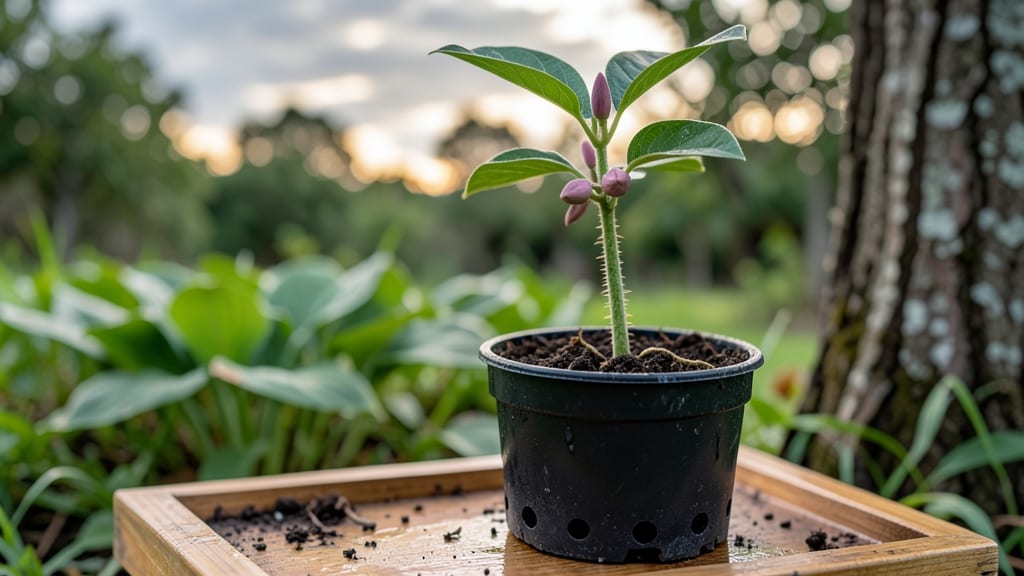
Cold-stressed orchid tree seedlings can become your hardiest tropical plants—if you handle them right. 🌱 I’ve nursed these delicate-looking Bauhinia seedlings through chilly snaps by mimicking their native forest-edge conditions, and the results speak for themselves: thick stems, glossy leaves, and roots that dig in like they mean it.
The trick starts with soil that drains like a well-aerated sponge but holds enough moisture to keep roots happy—not soggy. Mix equal parts potting soil, perlite, and coarse sand, then add a handful of worm castings for that extra oomph.
Your seedlings will thank you with faster root growth and fewer yellow leaves.
By the time they hit 6-8 inches tall, you’ll notice something magical: those leggy stems start thickening, and tiny leaf clusters unfurl like little butterfly wings. That’s when you know you’ve cracked the code—hardy growth isn’t about coddling, it’s about giving them the right conditions to toughen up.
Works just as well in zone 9-11 as it does in containers on a patio. The key? Watch for that first flush of new leaves after a cold snap—that’s your signal to ease up on the watering and let the roots strengthen naturally.
📚 In This Guide
- What you need
- Instructions
- Tips and common mistakes
- Wrapping up and next steps
What you need
- ● Orchid tree seeds or seedlings: 1-3 (preferably Bauhinia or Catalpa varieties for cold tolerance).
- ● Well-draining potting mix: 1 bag (5-10 gallons) of cactus/succulent blend or orchid-specific mix with 30-50% perlite/pumice for aeration.
- ● Containers: 1-2 4-6 inch pots (for seedlings) with drainage holes.
- ● 1 12-18 inch pot or nursery bag (for transplanting mature seedlings).
- ○ Grow lights or sunny window: Full-spectrum LED grow lights (optional but ideal for 12-14 hours/day) or a south-facing window.
- ● Watering can or spray bottle: With a fine mist nozzle for gentle hydration.
- ● Fertilizer: 1 bottle balanced liquid fertilizer (10-10-10 or 20-20-20), diluted to ½ strength.
- ○ Optional: Slow-release orchid pellets for steady nutrients.
- ● Humidity tray or pebble tray: To maintain 50-70% humidity (especially for seedlings).
- ● Thermometer/hygrometer: To monitor temperature (60-75°F) and humidity.
- ● Cold-frame or mini greenhouse: For seedlings in Zone 8 or colder.
- ○ Rooting hormone: (Optional) To boost survival during cold acclimation.
- ● Mulch (straw or bark): 1-2 inches around the base to insulate roots.
- ● Frost cloth: Lightweight fabric to protect seedlings from light frosts.
Step-by-Step instructions for revitalizing orchid tree seedlings after cold stress
Here’s how to nurse cold-damaged orchid tree seedlings back to vigorous growth—without losing them to root rot or shock.
🌱 Step 1: Assess and Trim Damaged Roots
Start by gently removing the seedling from its container and rinsing the roots under lukewarm water to dislodge soil and reveal damage. Look for roots that are mushy, blackened, or easily crumble—these are dead and must be removed. Use sterilized pruning shears to cut ¼ inch above any damaged tissue, but avoid over-trimming healthy roots. The goal is to remove only the compromised sections while preserving as much living root structure as possible.
Here’s the thing—healthy roots should feel firm and pale, not slimy or dark. If you see any green or white tips, those are still viable. After trimming, let the roots air-dry for 10-15 minutes before replanting. This prevents fungal infections from taking hold in fresh cuts.
💧 Step 2: Repot in Fresh, Aerated Medium
Fill a clean 4-inch pot with a well-draining orchid mix (equal parts perlite, pine bark, and coconut coir). The mix should feel light and airy—nothing compact or heavy. Gently position the seedling so the trimmed roots sit just below the soil surface, but don’t bury the base of the stem. Press lightly around the roots to secure them without compacting the mix.
Water lightly only after replanting—just enough to moisten the mix around the roots. Overwatering now will drown the stressed system. Place the pot in a shady spot (like under a grow light on low setting) for 3-5 days to allow the roots to recover without additional stress.
☀️ Step 3: Gradually Reintroduce Light and Warmth
After the initial recovery period, move the seedling to bright, indirect light for 2-3 hours daily, then increase exposure by 1 hour every 2 days until it reaches 6 hours of filtered sunlight. Direct sun will scorch already-compromised leaves, so avoid south-facing windows until new growth appears. Monitor the soil—it should stay slightly moist but never soggy. Stick your finger 1 inch deep; if it feels damp, wait before watering again.
Once the seedling shows new leaf growth (usually 2-3 weeks after repotting), you can slowly introduce warmer conditions. Aim for 65-75°F daytime temps and no lower than 55°F at night. Cold stress often repeats if temperatures dip again too soon.
✂️ Step 4: Prune Damaged Foliage and Encourage New Growth
Inspect the leaves for any that are yellowed, wilted, or spotted—these are energy drains. Use sterilized scissors to trim them back to the nearest healthy node. Avoid cutting into green tissue, as this can invite rot. The plant will redirect energy to producing fresh leaves, so don’t remove more than 20-30% of the foliage at once.
Apply a diluted seaweed fertilizer (mix 1 tsp per gallon of water) every 2 weeks to support recovery. This provides micronutrients without overwhelming the roots. Within 4-6 weeks, you should see new shoots emerging from the stem—this is your sign that the seedling is stabilizing.
🪴 Step 5: Harden Off for Outdoor Transition (If Applicable)
If you plan to move the seedling outdoors, start hardening off by placing it in a sheltered, shaded spot for 1 hour daily, then gradually increase exposure over 10-14 days. Watch for leaf curling or wilting—these are signs it’s not ready. Once the seedling tolerates full shade outdoors for a full day without stress, you can introduce it to morning sun only for 1-2 hours. Full sun should wait until the plant has at least 4-6 new leaves.
Real talk: Orchid trees are tropical at heart. If your climate drops below 50°F, keep it indoors near a bright window or under grow lights. Cold stress is a setback, not a death sentence—but rushing the process will undo all your progress.
Tips & tricks for revitalizing cold-stressed orchid tree seedlings
A few key insights will help you avoid common pitfalls when rescuing orchid seedlings from cold damage. These details make all the difference between recovery and irreversible loss.
Root Assessment Precision: When examining roots in Step 1, focus on the transition zones where healthy meets damaged tissue. The ¼-inch rule is crucial—cutting too close risks removing viable root sections, while leaving too much damaged tissue invites infection. Use a magnifying glass if needed to spot subtle color changes between healthy pale roots and compromised blackened areas. This careful approach preserves the seedling's structural integrity while eliminating rot risks.
Medium Mix Consistency: The orchid mix in Step 2 should resemble "fluffy pancake batter" in texture—not dense like wet sand. If your mix feels compact, add more perlite or coconut coir to improve aeration. This lightweight structure prevents waterlogging, which is deadly for recovering roots. After repotting, gently tap the pot's sides to settle the mix without compacting it further around the delicate roots.
Light Transition Strategy: In Step 3, the gradual light increase is non-negotiable. Start with 2-3 hours of bright indirect light—think of it as a gentle wake-up call rather than a full sun exposure. I've seen seedlings collapse when moved too quickly to direct light; their leaves simply can't handle the sudden stress. Use a sheer curtain or grow light diffuser to soften even indirect light during this critical phase.
Temperature Monitoring: Maintaining the 65-75°F daytime range and no lower than 55°F at night requires more than just setting a thermostat. Place a small digital thermometer near the plant to track microclimates. Orchid trees are tropical—any dip below 55°F can trigger another cold shock. If your home runs cool, consider a small space heater with a thermostat set to 70°F during the recovery period.
Pro Tips for Orchid Tree Seedling
- A few key insights will help you avoid common pitfalls when rescuing orchid seedlings from cold damage. These details...
- Root Assessment Precision: When examining roots in Step 1, focus on the transition zones where healthy meets damaged ...
- Medium Mix Consistency: The orchid mix in Step 2 should resemble "fluffy pancake batter" in texture—not dense like we...
Frequently asked questions
about orchid tree seedlings—especially when dealing with cold-stressed roots—can save you time and frustration. Here are answers to the most common queries:How do I know if my orchid tree seedling’s roots are cold-stressed?
Cold-stressed roots often appear dark brown or black (instead of healthy white/green) and may feel mushy or brittle. If they’re limp or refuse to rehydrate when soaked, they’re likely damaged. Act fast—trim the affected roots and repot in fresh, well-draining mix to prevent rot.
Can orchid tree seedlings recover from cold damage?
Yes, but it depends on the severity. If only the tips are affected, prune them and monitor closely. For severe damage, focus on root regeneration by keeping the soil moist (not soggy) and providing bright, indirect light. Avoid fertilizing until new roots sprout—usually within 4–6 weeks.
How long does it take for new roots to grow on a cold-stressed orchid tree seedling?
With ideal care, new roots can appear in 4–8 weeks. Speed up recovery by:
- Using a rooting hormone on pruned stems.
- Maintaining warmth (70–80°F) and humidity.
- Avoiding overwatering—let the top inch of soil dry slightly.
What’s the best temperature range for orchid tree seedlings after cold stress?
Keep seedlings in a warm (70–85°F) environment—avoid drafts or sudden temperature drops. Use a heat mat if needed, especially in cooler climates. At night, aim for no lower than 60°F to prevent further stress. A greenhouse or sunny windowsill works well.
Are there cold-hardy orchid tree alternatives if my seedlings struggle?
If your climate is harsh, consider these hardier options:
- Bauhinia variegata (Orchid Tree)—tolerates brief cold snaps down to 15°F once established.
- Cercis canadensis (Eastern Redbud)—drought-resistant and cold-hardy to -30°F.
- Lagerstroemia indica (Crape Myrtle)—handles 10°F and thrives in heat.
Why is my orchid tree seedling wilting even after trimming cold-damaged roots?
Wilting can signal root rot, shock, or dehydration. Check for:
- Overwatering—let soil dry slightly between waterings.
- Pests (like scale or spider mites)—inspect leaves and stems.
- Light issues—move to bright, indirect light (no direct sun).
Wrapping up and next steps
Growing a resilient orchid tree seedling from cold-stressed roots is all about patience, precision, and a little extra care.
By following the right steps—from selecting the right soil mix to mastering humidity control and gradual acclimation—you’re setting your seedling up for hardy, thriving growth. 🌱✨ Remember, every expert gardener started with a single seedling, so don’t hesitate to experiment and learn along the way!
Your next step? Start small! Pick one seedling to practice your new techniques, and soon, you’ll be nurturing a lush orchid tree that’s ready to face whatever nature throws its way. Happy growing! 🌿💚