
Pruning
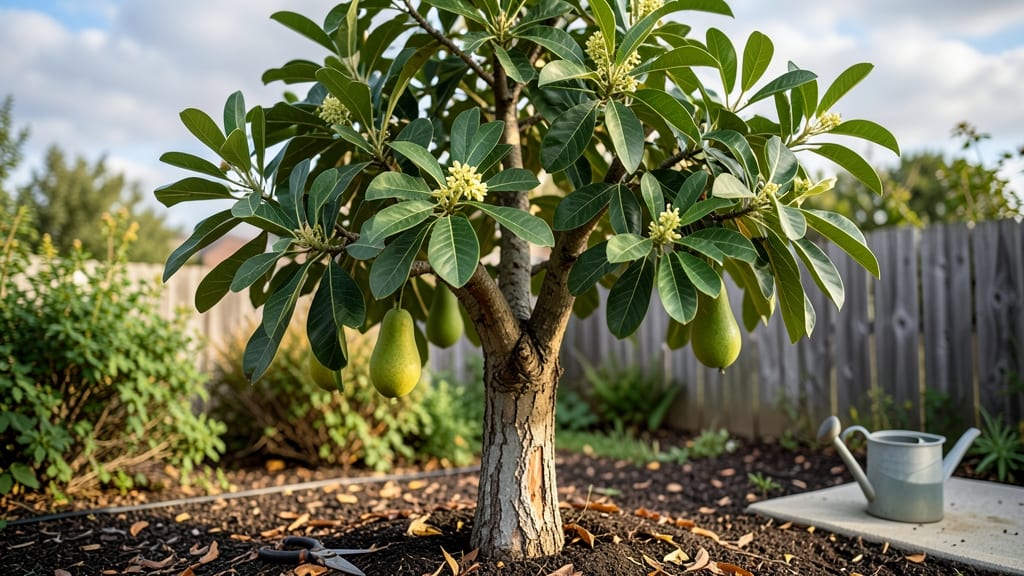
Caring for an avocado tree means turning a kitchen experiment into a thriving houseplant (or outdoor treasure) that rewards you with glossy leaves and—eventually—creamy green fruit. 🌱 The key isn’t just watering or sunlight, but understanding its slow-and-steady growth rhythm and how to prune it without killing it in the process.
My first tree nearly died from over-trimming, but now I’ve got a 6-foot beauty that’s been growing steadily for three years.
You’ll need well-draining soil (think cactus mix or a 50/50 blend of potting soil and perlite), a pot at least 12 inches wide (or sunny ground space), and patience—avocados grow about 12 inches per year when happy. The biggest mistake?
Letting the roots sit in soggy soil, which leads to root rot faster than you can say “brown leaves.” A moisture meter or just sticking your finger 1-2 inches deep in the soil will save you heartache.
Pruning isn’t about shaping—it’s about airflow and light. Cut back only dead or crossing branches in late winter, and never more than 25% of the tree at once. Fertilize lightly with a balanced 10-10-10 mix in spring and summer, but skip it in winter when growth slows.
By summer, you’ll see fresh, vibrant new leaves pushing out where you pruned, and that’s your sign you’re doing it right.
Container trees need repotting every 2-3 years, while in-ground trees benefit from a 3-inch layer of mulch to protect roots. Watch for spider mites (tiny webs on leaves) and treat with neem oil if you spot them.
With consistent care, your avocado could fruit in 3-5 years—and trust me, the first harvest is worth every bit of wait.
📚 In This Guide
- What you need
- Instructions
- Tips and common mistakes
- Wrapping up and next steps
What you need
- ● Avocado Tree: Start with a healthy sapling (container-grown or bare-root) or a seedling (if growing from pit). Pro tip: 💡 For faster results, opt for a grafted tree from a nursery!
- ● Well-Draining Soil: Mix 60% potting soil with 30% perlite and 10% compost (or use a cactus/succulent blend). Critical! Avocados hate soggy roots.
- ● Pot or Planting Site: Container: Minimum 12-inch diameter (bigger for mature trees). Use a pot with drainage holes.
- ● Outdoor Planting: Choose a spot with full sun (6+ hours/day) and shelter from strong winds.
- ● Fertilizer: Balanced Fertilizer (10-10-10 or 20-20-20): Apply every 2-3 months during growing season (spring-fall).
- ○ Citrus/Avocado-Specific Fertilizer: Optional but ideal for micronutrients like zinc and manganese.
- ● Pruning Tools: Bypass Pruners: Sharp, sterilized (7-9 inch blades) for clean cuts.
- ● Loppers: For thicker branches (1.5-inch diameter max).
- ● Pruning Saw: For thick, woody branches (avocado wood can be tough!).
- ● Garden Gloves: Heavy-duty to protect from thorns and sap.
- ● Watering Supplies: Watering Can or Hose with Adjustable Nozzle: For deep, infrequent watering (avoid overhead spraying).
- ○ Drip Irrigation System: Optional for outdoor trees (prevents root rot).
- ● Mulch: 2-3 inches of organic mulch (straw, wood chips) to retain moisture and regulate soil temp.
- ● Support Stake: For young trees (6 feet tall) to prevent toppling in wind.
- ● Humidity Tray: If growing indoors, place the pot on a tray with pebbles + water to boost humidity.
- ● Pest Control: Neem Oil: Natural fungicide/insecticide for avocado lace bugs or mites.
- ● Systemic Insecticide: For severe infestations (follow label instructions!).
- ○ Growth Regulator: Paclobutrazol (optional) to slow rapid growth in container trees.
Step-by-Step guide to pruning and maintaining your avocado tree
Here's how I keep my avocado tree thriving year-round with precise pruning and care.
🌿 Step 1: Understand Your Tree's Natural Growth Habits
Avocado trees grow in a distinct pattern that guides where you should prune. Look for the central leader—the main upward-growing branch—and the scaffold branches that form the main structure. These branches typically grow at 45-degree angles from the trunk, which is ideal for supporting fruit later. If you see branches growing straight up or down, these are candidates for removal to encourage a balanced shape.
Here's the thing—avocado trees naturally grow in a zig-zag pattern. When you see a branch growing vertically, it's often competing with the central leader. This competition weakens the tree and makes it vulnerable to storm damage. I always prune these upward-growing branches first, cutting them back to a strong outward-facing branch or bud.
Watch for water sprouts—those fast-growing, weak branches that pop up along the trunk or main branches. These are energy vampires, stealing nutrients from fruit production. Remove them as soon as you spot them, cutting them back to the point where they emerge from the trunk or branch.
✂️ Step 2: Prune for Airflow and Light Penetration
Avocado trees need excellent airflow to prevent fungal diseases like root rot and anthracnose. Start by removing any branches that are crossing or rubbing against each other. These create wounds that invite disease and weaken the tree's structure. Cut one of the branches back to a healthy outward-facing bud, making your cut just above it at a 45-degree angle.
Next, focus on the interior of the canopy. Thin out branches that are growing inward, blocking light from reaching the center of the tree. You'll see these as branches that grow toward the trunk rather than outward. Remove about 20-30% of the interior branches to open up the canopy. This isn't just about aesthetics—it ensures the inner branches get enough light to produce fruit and stay healthy.
Use sharp, clean pruning shears to make your cuts. Dull tools crush the branches, making them more susceptible to disease. After pruning, sterilize your shears with rubbing alcohol to prevent spreading pathogens between cuts. You'll know you're doing it right when you see sunlight filtering through the canopy and air circulating freely around the branches.
☀️ Step 3: Seasonal Pruning Adjustments for Year-Round Growth
Avocado trees grow year-round in warm climates, but their growth rate slows in cooler months. In late winter or early spring, before new growth begins, is the best time for major pruning. This gives the tree time to heal and prepare for the growing season. Look for dormant buds—these are small, rounded bumps on the branches where new growth will emerge. Prune just above these buds to encourage strong, outward growth.
During the summer months, focus on light maintenance pruning. Remove any dead, diseased, or damaged branches immediately to prevent the spread of problems. You'll also want to trim back any branches that are growing too long or leggy. These branches often produce smaller, less flavorful fruit. Cut them back to a strong lateral branch or bud to redirect the tree's energy into more productive growth.
Here's a trick I use: After pruning, I apply a wound dressing (like pruning sealant) to larger cuts—those bigger than ½ inch in diameter. This helps the tree heal faster and reduces the risk of infection. For smaller cuts, let the tree seal itself naturally. You'll see new growth emerging from the buds within 4-6 weeks, signaling that your pruning was successful.
💧 Step 4: Post-Pruning Care for Healthy Recovery
After pruning, your avocado tree will need extra care to recover and thrive. Water deeply once a week for the first 4 weeks after major pruning, ensuring the soil is moist to a depth of 12 inches. This encourages root growth and helps the tree transport nutrients to new growth. Avoid overwatering, though—soggy soil can suffocate roots and invite disease.
Fertilize your tree with a balanced, slow-release fertilizer (like 6-6-6) in early spring and again in mid-summer. This gives the tree the nutrients it needs to recover from pruning and produce new growth. I also add a handful of compost or worm castings to the soil around the base of the tree to boost microbial activity and improve soil structure.
Keep an eye out for new growth emerging from the buds you left behind. Within 2-3 weeks, you should see fresh, vibrant leaves appearing. If you don't see new growth within 6 weeks, it might be a sign that the tree is stressed or needs more nutrients. At this point, you can apply a foliar feed or a light dose of liquid fertilizer to give it a boost.
Tips & tricks for perfect avocado tree maintenance
A few strategic moves will transform your avocado tree from struggling to spectacular. Here's what I've learned after years of trial and error.
Pruning Angle Precision: When cutting branches in Step 2, aim for a 45-degree angle just above outward-facing buds. This angle prevents water from pooling on the cut, which reduces rot risk. I use a small protractor tool to verify angles—it's worth the investment for professional results. The key is making clean cuts that heal properly, not just hacking away branches.
Seasonal Timing Strategy: The late winter/early spring timing in Step 3 is non-negotiable for major pruning. Cooler temperatures slow sap flow, helping wounds seal faster. I mark my calendar for February 1st each year—this gives my tree exactly 6 weeks before summer's rapid growth begins. Summer maintenance pruning should always be lighter, focusing only on removing dead or diseased branches to avoid stressing the tree.
Wound Care Essentials: For cuts larger than ½ inch, apply pruning sealant immediately after cutting. I've seen many gardeners skip this, only to watch their trees develop fungal infections at the wound sites. For smaller cuts, let the tree's natural healing process take over—it's actually more effective than sealants in these cases. The goal is to minimize stress while maximizing the tree's ability to recover.
Watering Depth Technique: When watering in Step 4, use a soil probe to verify moisture reaches 12 inches deep. I've found that many people water too shallowly, which encourages shallow root growth. A simple screwdriver works perfectly for this check—if it comes out dry, water again. This deep watering mimics natural rainfall patterns and strengthens your tree's root system.
Pro Tips for Care For An Avocado Tree
- A few strategic moves will transform your avocado tree from struggling to spectacular.
- Pruning Angle Precision: When cutting branches in Step 2, aim for a 45-degree angle just above outward-facing buds.
- Seasonal Timing Strategy: The late winter/early spring timing in Step 3 is non-negotiable for major pruning.
Frequently asked questions
Got questions about keeping your avocado tree thriving? We’ve got answers! Here are some of the most common concerns—plus quick fixes to keep your tree happy and productive.
How often should I prune my avocado tree?
Prune your avocado tree once a year, ideally in late winter or early spring before new growth begins. This timing promotes healthy regrowth and prevents disease. Light trimming to shape or remove dead branches can happen year-round, but avoid heavy pruning during fruiting season.
Can avocado trees survive cold weather?
Avocado trees are tropical and struggle in temps below 30°F (-1°C). If you live in colder climates, grow them in containers and move them indoors during winter. For outdoor trees, mulch heavily and protect with frost cloths. Young trees are especially vulnerable—keep them sheltered!
Why aren’t my avocado tree leaves turning green?
Yellowing or pale leaves often signal nutrient deficiencies (like nitrogen or magnesium) or overwatering. Test your soil and adjust care: fertilize with citrus-specific feed in spring/summer, and ensure pots/containers have drainage holes. Brown edges? It might be underwatering or salt buildup.
How do I encourage fruit production?
Avocado trees need 3–4 years to bear fruit. Boost production by:
- Pruning to improve airflow and sunlight exposure.
- Fertilizing with potassium-rich supplements (like banana peels or compost) during fruiting season.
- Avoiding over-pruning—stress reduces flowering.
What do I do if my avocado tree’s leaves are curling or dropping?
Curling/dropping leaves usually mean pests (like spider mites or scale insects) or stress (overwatering, root rot, or sudden temperature shifts). Inspect leaves for bugs, and treat with neem oil if needed. Check roots for rot—repot if soil is soggy. Adjust watering to every 1–2 weeks (when topsoil is dry).
Wrapping up and next steps
Caring for an avocado tree is all about patience, observation, and a little green thumb love! 🌱 With the right year-round pruning techniques, proper sunlight, and consistent watering, your tree will thrive and reward you with delicious fruit.
Start small—whether you’re shaping a young sapling or maintaining a mature tree—and enjoy the journey of nurturing your own avocado harvest.
Ready to take the next step? Grab your pruning shears and get hands-on! Experiment with different methods, track your tree’s growth, and soon, you’ll be the proud owner of a flourishing avocado tree. Happy growing! 🌿