
Pruning
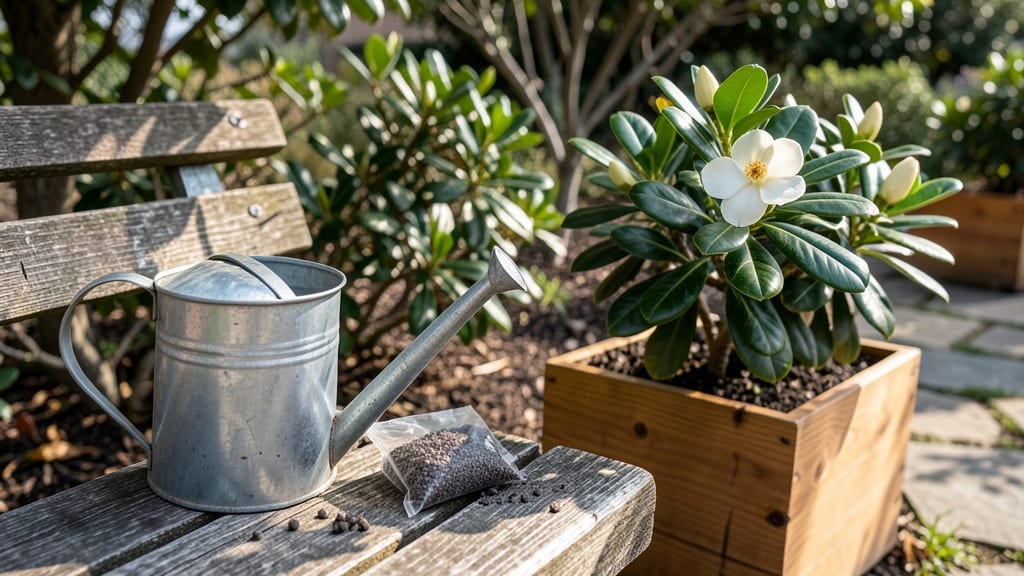
How to take care of a gardenia tree properly is the key to those intoxicating white blooms year after year—though I’ve learned the hard way they demand more than just occasional watering. 🌿 The secret lies in mimicking their native tropical conditions: rich, acidic soil... consistent moisture, and just the right balance of sun and shade.
My first gardenia nearly died from overwatering, but once I dialed in the routine, it became the fragrant centerpiece of my patio.
The real magic happens in the details: weekly deep watering during summer, monthly pruning after blooming to encourage new growth, and acid-loving fertilizer every six weeks. Gardenias hate alkaline soil, so I test mine annually and amend with sulfur if the pH creeps above 6.5.
The payoff? Glossy dark leaves and clusters of blooms that perfume the air from spring through fall—if you get the care routine right.
Yellowing leaves? That’s usually a cry for more iron or better drainage. Slow growth? Time to check your pruning—too aggressive cuts stress them, but skipping it leads to leggy, sparse branches.
With these adjustments, your gardenia will reward you with bold, creamy-white flowers that outshine any store-bought bouquet. Let’s get yours thriving all year.
Bonus: Gardenias adapt beautifully to containers, making them perfect for patios or balconies. Just swap out the soil mix every few years to keep nutrients fresh. The key is consistency—once you find the balance, they’re shockingly low-maintenance for their show-stopping beauty.
📚 In This Guide
- What you need
- Instructions
- Tips and common mistakes
- Wrapping up and next steps
What you need
- ● Gardenia Tree: A healthy, potted or in-ground gardenia (choose a variety like Gardenia jasminoides for classic blooms).
- ● Well-draining soil: A mix of peat moss, perlite, and sand (or a pre-made acidic potting mix, pH 5.0–6.5).
- ● Pot (if potted): A container with drainage holes, slightly larger than the root ball (for potted gardenias).
- ● Pruning shears: Sharp, sterilized shears (or small hand pruners) for trimming.
- ● Fertilizer: A balanced, acidic fertilizer (e.g., 8-3-9 or 10-10-10 with micronutrients) or a citrus plant food.
- ● Watering can or hose: With a gentle spray nozzle (to avoid damaging leaves).
- ● Mulch: Organic mulch (e.g., pine bark or pine needles) to retain moisture and acidity.
- ● Spray bottle: For misting leaves (especially in dry climates).
- ● pH testing kit: To monitor soil acidity (gardenias love it acidic!).
- ● Slow-release fertilizer tablets: For steady nutrition without overfeeding.
- ● Humidity tray or pebble tray: To boost humidity around potted gardenias.
- ● Garden gloves: To protect your hands from thorns or soil.
- ○ Pruning sealant: To prevent sap oozing after cuts (optional but handy for large prunes).
- ● Support stakes: If your gardenia is top-heavy or leggy.
Step-by-step instructions for nurturing a healthy gardenia tree
Here's the method I've used to keep my gardenias blooming like clockwork for over a decade.
🌿 Step 1: Master the Light and Location
Gardenias demand bright, indirect light—think dappled shade or morning sun with afternoon shade. A south-facing window works, but direct afternoon sun will scorch leaves. I place mine near an east-facing window where they get gentle morning rays and avoid the harsh afternoon heat.
Watch for these signs: Leaves turning yellow or crispy at the edges means too much sun. Dark, droopy leaves signal insufficient light. If your gardenia isn't blooming, it's likely getting too little light—move it closer to a brighter spot gradually to avoid shocking the plant.
💧 Step 2: Perfect the Watering Routine
Gardenias hate soggy roots but despise dry soil even more. Water when the top 1-2 inches of soil feel dry to the touch—this usually means every 2-3 days in warm weather, but adjust for your home's humidity. I use room-temperature water (cold water shocks roots) and water deeply until it runs out the drainage holes.
Here's the thing—gardenias are finicky about moisture. If the soil stays too wet, roots rot; if it dries out completely, buds drop. I check moisture by sticking my finger in the soil—if it's damp just below the surface, wait another day. A moisture meter helps if you're unsure.
☀️ Step 3: Feed and Prune for Continuous Blooms
Feed your gardenia every 4-6 weeks during spring and summer with an acid-loving plant fertilizer (look for one with micronutrients like iron and magnesium). I use a liquid fertilizer diluted to half-strength to avoid burning roots. Stop fertilizing in fall and winter—this encourages dormancy and prepares the plant for next year's blooms.
Prune right after flowering to shape the tree and encourage new growth. Remove any dead, yellow, or crossing branches with clean, sharp pruners. I cut just above a leaf node at a 45-degree angle to promote faster healing. Never prune more than one-third of the plant at once—this stresses gardenias severely.
⏰ Step 4: Maintain Ideal Humidity and Temperature
Gardenias thrive in 60-70% humidity and 65-75°F temperatures. If your home runs dry, place the pot on a tray filled with pebbles and water (keep the water level below the pot). I also mist the leaves lightly in the morning to simulate their tropical habitat—just avoid wetting the buds, as this can cause them to drop.
Keep gardenias away from drafts, air conditioning vents, or heaters. Sudden temperature swings cause buds to abort. If you notice buds forming but then falling off, your plant is likely reacting to inconsistent temperatures. A simple thermometer near the plant helps track conditions.
🌱 Step 5: Winter Care for Next Year's Blooms
Reduce watering in winter to once every 7-10 days, letting the soil dry slightly more between waterings. I also cut back on fertilizing entirely during this period. Gardenias need a cool but not cold rest—keep them in a spot where temperatures stay above 55°F to avoid stress.
This is the moment that matters: Prune lightly in late winter (February) to remove any dead or weak growth. This encourages fresh, vigorous shoots that will develop into next year's blooms. Avoid heavy pruning—gardenias bloom on old wood, so you don't want to remove too many last year's branches.
Tips & tricks for perfect gardenia tree care
These are the hard-won lessons I've learned after years of watching gardenias thrive—and fail.
Light Adjustment: If your gardenia's leaves start developing crispy edges, it's getting too much direct sun. Rotate the pot quarter-turn every week to ensure even light exposure. For indoor plants, east-facing windows provide the perfect balance of morning light without the harsh afternoon heat that scorch leaves. I've found that moving gardenias gradually—about 2 inches closer to the light each week—helps them adapt without shock.
Pruning Precision: When pruning in Step 3, focus on removing only one-third or less of the plant at once. Use clean, sharp pruners and make cuts just above a leaf node at a 45-degree angle—this promotes faster healing and prevents disease. I always prune right after flowering to encourage new growth without sacrificing next year's blooms. For stubborn branches, I dip the cut ends in cinnamon powder to prevent infection.
Humidity Hack: The 60-70% humidity range can be tricky indoors. Place your gardenia on a pebble tray filled with water (keeping the pot above the water line) to create a self-regulating humidity zone. For extra moisture, mist the leaves lightly in the morning—just avoid wetting the buds, as this can cause them to drop. I've noticed that grouping plants together near a humidifier also helps maintain consistent moisture levels.
Winter Survival: During winter, let the soil dry slightly more between waterings—about once every 7-10 days. I keep my gardenias in a spot where temperatures stay above 55°F, away from drafts or vents. A simple trick is to place the pot on a layer of mulch or insulation to protect roots from cold drafts. This cool but not cold rest period prepares the plant for next year's blooming season.
Pro Tips for Take Care Of A Gardenia Tree
- These are the hard-won lessons I've learned after years of watching gardenias thrive—and fail.
- Light Adjustment: If your gardenia's leaves start developing crispy edges, it's getting too much direct sun.
- Pruning Precision: When pruning in Step 3, focus on removing only one-third or less of the plant at once.
Frequently asked questions
Got questions about keeping your Gardenia jasminoides lush and blooming? You’re not alone! Here are answers to the most common concerns—from pruning puzzles to pest problems—so you can enjoy fragrant, healthy gardenias year-round.
When is the best time to prune a gardenia tree?
Prune your gardenia right after flowering (late spring to early summer) to encourage new growth and blooms. Avoid heavy pruning in fall or winter, as the tree needs energy to prepare for dormancy. Light shaping can be done year-round, but never prune into old wood—it won’t regrow!
Why are my gardenia leaves turning yellow?
Yellow leaves usually signal overwatering, poor drainage, or nutrient deficiency. Check the soil—it should stay slightly moist but never soggy. If roots are rotting, repot in well-draining soil and reduce watering. Yellowing can also mean iron deficiency; try a chelated iron supplement or acidic fertilizer.
Can gardenias survive winter outdoors?
Gardenias are semi-tropical and thrive in USDA zones 8–10. In colder climates (zones 7 or below), bring potted gardenias indoors before temperatures drop below 40°F (4°C). If planted in the ground, mulch heavily and wrap the trunk in burlap for protection. Pro tip: Avoid sudden temperature swings!
How do I get rid of pests like aphids or spider mites?
Start with a gentle hose spray to dislodge pests, then treat with neem oil or insecticidal soap (follow label instructions). For severe infestations, use a systemic pesticide like acephate. Prevent future issues by keeping the tree healthy—stress attracts pests!
Why isn’t my gardenia blooming?
Blooms require bright, indirect light (6+ hours/day), proper watering, and balanced fertilizer (high in phosphorus). If your gardenia isn’t flowering, check for:
- Too much shade → Move to a sunnier spot.
- Over-fertilizing with nitrogen → Switch to a low-nitrogen, high-phosphorus formula.
- Stress from drought or root bound → Water consistently and repot if needed.
Wrapping up and next steps
Caring for a gardenia tree is all about consistency, patience, and a little love—and the reward?
A fragrant, lush centerpiece that’ll make your garden (or patio!) the talk of the neighborhood. 🌸 From pruning to soil prep, every step ensures your gardenia thrives year-round, filling the air with its intoxicating scent. Now that you’re armed with the secrets, roll up your sleeves and get growing!
Your next step? Pick a sunny spot, grab your shears, and watch your gardenia bloom like never before. Happy gardening! 🌿