
Pruning
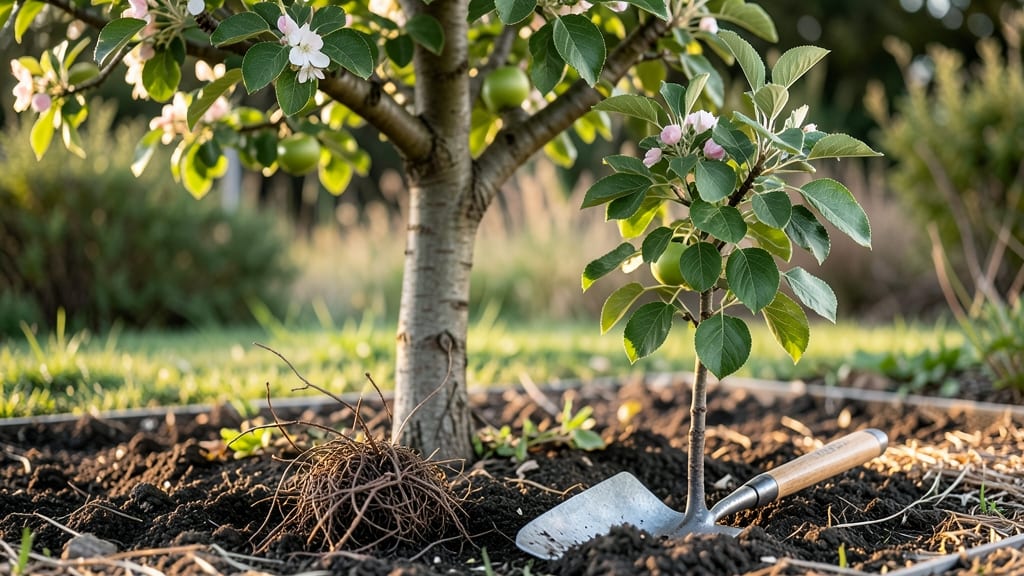
Growing an apple tree from seed to fruit-bearing maturity is one of the most rewarding gardening journeys you’ll ever take—though it demands patience, especially if you start from scratch. 🌱 The first decision you’ll face is whether to grow from seed (a long-term project that might take 10+ years for fruit) or plant a grafted sapling (which can bear apples in just 3-5 years).
I’ve tried both, and the sapling method wins for most beginners who want to eat sooner.
The real magic happens in the soil and sunlight. Apple trees thrive in well-draining, slightly acidic soil with plenty of organic matter—think compost mixed into the top 12 inches of planting area.
They also need 6-8 hours of direct sunlight daily, so choose a spot where they won’t be shaded by taller trees or buildings. My first attempt failed because I planted mine too close to a fence; now I make sure they have room to grow into their full size.
Once planted, consistent watering is key—especially in the first two years. Deep watering once a week (or more in dry spells) encourages strong root growth, while pruning in late winter shapes the tree and removes deadwood.
Within a few years, you’ll see those first blossoms, and with proper care, a harvest of crisp, homegrown apples by mid-summer. The payoff? Nothing beats the taste of fruit you grew yourself.
Whether you’re starting with a seedling or a sapling, the basics of soil, sun, and pruning apply. The biggest mistake beginners make is over-pruning or neglecting seasonal care—so we’ll cover exactly what to do each month to keep your tree thriving. Ready to plant the seeds of your future harvest?
📚 In This Guide
- What you need
- Instructions
- Tips and common mistakes
- Wrapping up and next steps
What you need
- ● Apple tree variety: Choose a disease-resistant cultivar suited to your climate (e.g., Honeycrisp, Granny Smith, or Fuji). Buy from a reputable nursery.
- ● Potting soil or garden soil: Well-draining, slightly acidic (pH 6.0–7.0) soil enriched with compost (5–10 gallons).
- ● Container or planting hole: For containers: A 5-gallon pot (minimum) with drainage holes.
- ● For in-ground: A hole twice as wide and deep as the root ball.
- ● Fertilizer: Slow-release, balanced fertilizer (10-10-10 ratio) or organic options like composted manure.
- ● Watering can or hose: With a gentle spray nozzle for young trees.
- ● Mulch: Organic mulch (wood chips, straw) to retain moisture and regulate soil temperature (2–3 inches).
- ● Pruning tools: Bypass pruners (for small branches).
- ● Loppers (for thicker branches, 1–2 inches in diameter).
- ● Hand saw (for branches >2 inches).
- ○ Tree stakes (optional but helpful): 2–3 stakes (1.5–2 feet tall) and soft ties for young saplings.
- ● Root stimulator: A gel or powder to encourage root growth when transplanting.
- ● Pest control: Neem oil or insecticidal soap for early pest prevention.
- ● Tree guard or collar: Protects the trunk from rodents or lawnmower damage.
- ● Drip irrigation system: Automates watering for consistent moisture.
- ● Soil pH test kit: Ensures your soil is ideal for apple trees.
Step-by-step guide to planting your apple tree
Here's how I've planted healthy apple trees that thrive for decades.
🌱 Step 1: Choose and Prepare the Planting Site
Select a sunny spot with at least 6 hours of direct sunlight daily. Apple trees need room to grow—plant at least 20 feet from buildings, fences, or other trees. The soil should drain well; if it's heavy clay, mix in 2 inches of compost to improve aeration.
Dig a hole twice as wide as the root ball but only as deep. The top of the root ball should sit 1-2 inches above ground level—this prevents water from pooling around the trunk. Loosen the soil at the bottom of the hole with a shovel to encourage root spread.
🪴 Step 2: Plant the Bare-Root or Container-Grown Tree
If planting a bare-root tree, soak the roots in lukewarm water for 1-2 hours before planting. This revives dormant roots and helps them establish faster. For container-grown trees, gently remove the plant from its pot and loosen any circling roots with your fingers.
Place the tree in the center of the hole, spreading the roots outward. Fill the hole with soil, pressing gently to remove air pockets. Water deeply to settle the soil around the roots. The ground should feel firm but not rock-hard—you want roots to make contact with the earth.
☀️ Step 3: Mulch and Water for Establishment
Spread 3-4 inches of mulch (like wood chips or straw) in a 3-foot diameter ring around the tree, keeping it 6 inches away from the trunk. Mulch retains moisture and regulates soil temperature, but too much can suffocate the roots. Water the tree 1-2 times per week for the first month, giving it 10-15 gallons each time.
Watch for wilting leaves or dry soil—these are your cues to water. Avoid overhead watering, which can spread disease. Instead, use a soaker hose or drip irrigation to deliver moisture directly to the roots.
✂️ Step 4: Prune and Protect for Long-Term Health
Prune in late winter or early spring before new growth begins. Remove any dead, crossing, or diseased branches first. Then, thin the canopy to allow sunlight to reach the center of the tree. Aim for an open, vase-like shape—this improves air circulation and fruit production.
Young trees need protection from pests and animals. Wrap the trunk with tree guard (available at garden centers) to deter rabbits and rodents. If your area has deer, consider installing a 8-foot tall fence around the tree until it's established.
Tips & tricks for perfect apple tree planting
Here's what nobody tells you about planting an apple tree that'll actually thrive for years.
Site Selection Secret: While the instructions mention 6 hours of sunlight, I've found that trees planted in spots with morning sun and afternoon shade handle summer heat better—especially in hot climates. The 20-foot spacing rule is non-negotiable, but if you're planting multiple trees, consider a staggered pattern to maximize sunlight exposure between them. This prevents overcrowding and improves air circulation, which reduces disease risk.
Root Revival Hack: For bare-root trees, that 1-2 hour soaking in lukewarm water is crucial, but here's the trick I learned: add a splash of rooting hormone powder to the water. It's optional but gives your tree a head start. For container-grown trees, gently scoring the roots with a knife before planting helps them spread faster—just make clean cuts about 1 inch long without damaging the main roots.
Mulching Wisdom: The 3-4 inches of mulch is perfect, but I've found that using a mix of wood chips and straw creates the ideal moisture-retaining layer. The key is to refresh the mulch annually—it breaks down faster than you think. Also, avoid piling mulch against the trunk; that 6-inch clearance prevents rot while still protecting the roots from temperature swings.
Watering Strategy: Those first 10-15 gallons per week are essential, but I've discovered a better approach: water deeply every 3-4 days instead of splitting it into two shallow sessions. This encourages deeper root growth. Use a moisture meter to check soil depth—if it's dry 3 inches down, it's time to water. Overhead watering spreads disease, so that soaker hose is your best friend during establishment.
Pro Tips for Make Apple Tree
- Here's what nobody tells you about planting an apple tree that'll actually thrive for years.
- Site Selection Secret: While the instructions mention 6 hours of sunlight, I've found that trees planted in spots with morning sun and afternoon shade handle summer heat better—especially in hot climates.
- Root Revival Hack: For bare-root trees, that 1-2 hour soaking in lukewarm water is crucial, but here's the trick I learned: add a splash of rooting hormone powder to the water.
Frequently asked questions
Got questions about growing your own apple tree? You’re not alone! Here are answers to the most common queries to help you cultivate a thriving orchard—whether you’re a beginner or a seasoned gardener.
How long does it take for an apple tree to bear fruit?
Most apple trees take 3–5 years to produce fruit after planting, depending on the variety. Dwarf trees may fruit sooner (2–3 years), while standard trees can take up to 7 years. Patience pays off—consistent care (watering, pruning, and fertilization) speeds up the process!
Can I grow an apple tree from a store-bought apple?
Technically yes, but it’s not recommended for reliable fruit. Store-bought apples are often hybrids or treated to prevent sprouting. For better results, buy a certified disease-free rootstock or grafted tree from a nursery. Save seeds from heirloom apples for a fun (but unpredictable) experiment!
What’s the best time of year to plant an apple tree?
Plant in early spring (just as buds swell) or late fall (6–8 weeks before frost). Avoid extreme heat or cold. Bare-root trees (sold dormant) thrive in spring, while container-grown trees can go in year-round in mild climates. Check your USDA zone for timing tips!
Why are my apple tree leaves turning yellow or curling?
Yellow leaves often signal nutrient deficiencies (like iron or nitrogen), pests (aphids, mites), or disease (fire blight, apple scab). Check the undersides of leaves for pests, and test soil pH (ideal: 6.0–7.0). Prune affected branches, apply organic fungicide, and fertilize with compost or balanced formula.
Do apple trees need a pollinator, or can they self-pollinate?
Most apple trees can self-pollinate, but cross-pollination (by bees or wind) improves fruit set and quality. Plant two compatible varieties (check labels) within 50–100 feet for better yields. Honeybees love apple blossoms—consider planting bee-friendly flowers nearby to boost pollination!
Wrapping up and next steps
Growing your own apple tree is a rewarding journey that combines patience, care, and a touch of nature’s magic! 🌳 From selecting the right variety to mastering pruning techniques and nurturing year-round, every step brings you closer to that sweet, sun-ripened harvest.
Remember, even the most experienced gardeners started with their first sapling—so don’t hesitate to roll up your sleeves and get growing!
Ready to take the next step? Start small:
- 🌱 Research local apple varieties that thrive in your climate.
- 🛒 Gather your tools and materials (or borrow from a gardening buddy!).
- 📅 Plan your first pruning session—spring is the perfect time to shape your tree!