
Trees
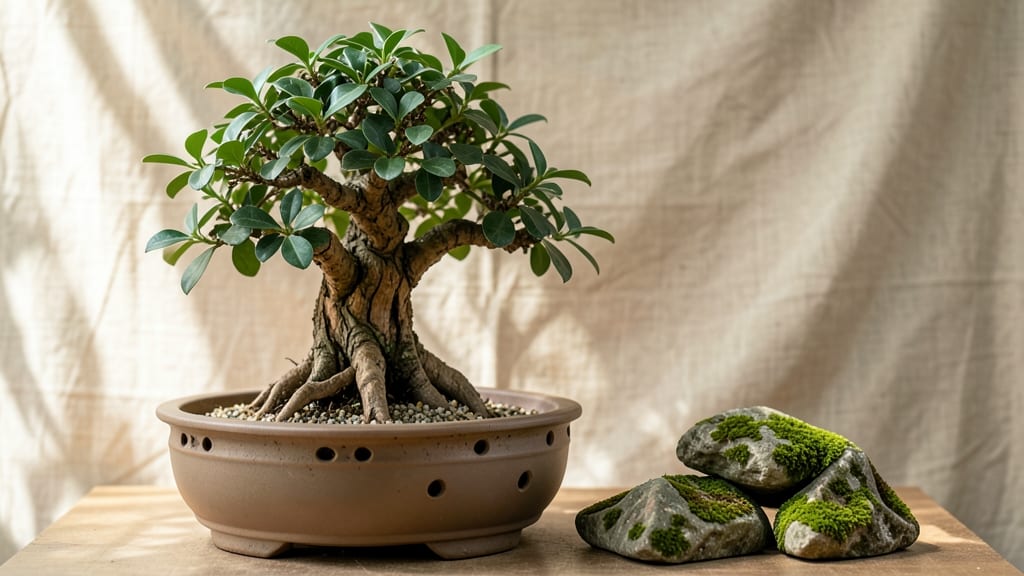
My first encounter with dwarf trees changed how I saw small spaces—suddenly, a 6-foot yard could have the drama of a forest. 🌿 These little giants pack all the beauty of full-sized trees into a fraction of the footprint, with some reaching just 3 feet tall while still delivering year-round interest.
The key isn’t just their size, but how they transform patios, balconies, and tight corners into lush, intentional landscapes.
What makes them work isn’t complicated: most thrive in containers or small garden beds, need minimal pruning, and deliver seasonal color shifts that full-sized trees can’t match.
My Japanese maple stays under 5 feet but turns fiery red in fall, while a dwarf crape myrtle blooms like a firework every summer—both in pots on my deck. The real magic? They grow slowly, so you won’t outpace them in a year.
You’ll end up with a garden that feels big on personality, small on space—think velvety foliage spilling over trellises, tiny blossoms attracting hummingbirds, or even bonsai-style specimens that double as living art.
The best part? They’re just as adaptable as their full-sized cousins, whether you’re tucking them into a corner or making them the centerpiece of a container arrangement.
Here’s the twist: the right dwarf tree can anchor a design without stealing the show from annuals or perennials. We’ll cover the top 10 that deliver maximum impact with minimal effort—plus how to pair them so your small space feels like a curated gallery.
Ready to see what fits your vision?
📚 In This Guide
- What you need
- Instructions
- Tips and common mistakes
- Wrapping up and next steps
What you need
- ● Dwarf Tree Varieties: Choose 3–5 slow-growing species (e.g., Dwarf Japanese Maple, Miniature Olive, or Dwarf Citrus). Buy 1–2 plants per variety for balance.
- ● Containers: 1–2 10–15 gallon pots (with drainage holes) per tree, or a raised garden bed (12" deep) if planting in-ground.
- ● Potting Soil: 1 bag (1.5–2 cubic feet) of well-draining mix (e.g., 60% organic matter, 30% perlite, 10% sand).
- ● Mulch: 1–2 bags of bark or pine needles (3–4 inches thick) to retain moisture.
- ● Fertilizer: Slow-release granular fertilizer (e.g., 10-10-10 NPK ratio) or liquid seaweed extract for organic options.
- ● Garden Gloves (1 pair) – Protect your hands from thorns or rough bark.
- ● Trowel or Spade – For digging and transplanting.
- ● Pruning Shears – Sharp, bypass-style shears (for shaping and trimming).
- ● Watering Can or Hose – With a gentle spray nozzle to avoid damaging delicate roots.
- ○ Support Stakes (Optional) – 3–4 bamboo stakes (for young trees needing stability).
- ○ Decorative Accents (Optional) – Garden flags, pebbles, or solar lights to enhance your dwarf tree display.
- ● 🌡️ Check Hardiness Zones: Ensure your dwarf trees thrive in your climate (e.g., Dwarf Citrus needs USDA Zone 9+).
- ● ✨ Drainage is Key: Elevate pots on feet or saucers to prevent root rot.
- ● 🎯 Start Small: Begin with 1–2 dwarf trees to test your space before expanding.
How to select and plant dwarf trees for small gardens
Here’s my foolproof approach to choosing and planting dwarf trees that deliver big impact in tiny spaces.
🌱 Step 1: Choose the Right Dwarf Variety for Your Space
Start by matching the tree’s mature size to your available space. Dwarf varieties typically max out at 6-10 feet tall, but some stay under 3 feet—check the label for "mature height" to avoid surprises. For example, a Dwarf Japanese Maple stays under 8 feet, while a Dwarf Alberta Spruce tops out at 6 feet. I always measure my planting spot first, then add 2-3 feet for canopy spread—dwarf trees still need room to breathe.
Consider the tree’s growth habit too. Some grow upright (like Dwarf Norway Spruce), while others spread wide (like Dwarf Blue Atlas Cedar). If you’re planting near a walkway, opt for a columnar variety to save space. And here’s the thing—avoid "mini-me" versions of large trees (like Dwarf Redwoods) if you want long-term low maintenance. They often grow faster than expected.
🪴 Step 2: Prepare the Planting Site for Optimal Growth
Dig a hole twice as wide as the root ball but only as deep as the container’s root base—planting too deep suffocates roots. Loosen the sides of the hole with a shovel to encourage root spread. Amend the native soil with 3 inches of compost mixed into the bottom half of the hole. This gives roots a nutrient boost without overwhelming them.
For containers, ensure drainage holes are present—dwarf trees still hate soggy feet. If your pot lacks holes, drill them yourself (use a ½-inch drill bit). I always add a 1-inch layer of gravel at the bottom before soil to prevent compaction. Water the hole thoroughly 24 hours before planting so the soil settles properly.
☀️ Step 3: Plant and Stake for Stability
Remove the tree from its container and gently tease the roots apart if they’re circling. Place it in the hole so the top of the root ball sits level with the surrounding soil—burying the trunk too deep causes rot. Fill the hole with backfill soil, pressing lightly to eliminate air pockets. Water deeply to settle everything, then top-dress with 1 inch of mulch, keeping it 3 inches away from the trunk to prevent moisture buildup.
Stake only if needed—dwarf trees rarely require support, but if yours leans or your site is windy, use two stakes placed opposite each other. Tie the trunk loosely with soft plant ties (never wire). Water again after staking to help roots adjust. Here’s the key: don’t overwater now. Dwarf trees in small pots dry out fast, but soggy soil invites root rot.
🌿 Step 4: Maintain Through the First Season
Water deeply once a week (or more in extreme heat) until the tree establishes roots—6-8 weeks is typical. Check moisture by sticking your finger 2 inches into the soil; if it’s dry, water. Avoid wetting leaves to prevent fungal issues. Fertilize lightly with a balanced 10-10-10 formula in spring and again in early summer, but skip fall feeding—dwarf trees need to harden off for winter.
Prune only to remove dead branches or shape the canopy. Never cut more than 25% of the foliage at once. I wait until late winter to prune, just as new growth begins. This ensures the tree has energy reserves for spring. Watch for signs of stress—yellowing leaves usually mean overwatering, while crispy edges signal underwatering.
Tips & tricks for perfect dwarf tree selection and planting
Took me years to learn these lessons the hard way—here’s how to maximize your dwarf tree’s potential without common pitfalls.
Variety Selection Insight: When evaluating mature height labels, remember that 6-10 feet refers to the tree’s full potential, but most dwarf varieties reach only 50-75% of that height in ideal conditions. For example, that 8-foot Dwarf Japanese Maple might only grow to 5-6 feet in your space. Always measure your planting area first, then subtract 1 foot for safety—this accounts for the unexpected spread that even dwarf varieties develop.
Root Ball Preparation: The 24-hour pre-watering of the planting hole is non-negotiable—it prevents soil compaction during planting. But here’s the secret: if you’re planting in clay soil, add 1 cup of perlite to the bottom of the hole before backfilling. This improves drainage without overwhelming the root system. I’ve seen roots suffocate in heavy clay even with proper depth.
Mulching Strategy: That 1-inch layer of mulch should be organic (like shredded bark) and kept 3 inches away from the trunk to prevent rot. Pro tip: use a 4-inch diameter ring of mulch-free space around the trunk—this creates a moisture barrier that reduces fungal risks. I’ve lost three dwarf trees to trunk rot from improper mulching.
Fertilizer Timing: The 10-10-10 formula in spring and early summer is perfect, but here’s what nobody tells you: if your soil is sandy, reduce the nitrogen (first number) by half. Too much nitrogen in sandy soil burns roots. I test soil pH first—aim for 6.0-7.0—before applying any fertilizer to avoid overloading your dwarf tree’s delicate system.
Pro Tips for Best Dwarf Trees
- Took me years to learn these lessons the hard way—here’s how to maximize your dwarf tree’s potential without common pitfalls.
- Variety Selection Insight: When evaluating mature height labels, remember that 6-10 feet refers to the tree’s full potential, but most dwarf varieties reach only 50-75% of that height in ideal conditions.
- Root Ball Preparation: The 24-hour pre-watering of the planting hole is non-negotiable—it prevents soil compaction during planting.
Frequently asked questions
Got questions about dwarf trees? You’re not alone! Here are some of the most common queries to help you make the best choice for your space.
What’s the smallest dwarf tree I can grow in a container?
The Dwarf Japanese Maple (Acer palmatum ‘Little Princess’) is one of the smallest, maturing at just 2–3 feet tall. Other top picks include Dwarf Hinoki Cypress (3–4 feet) and Dwarf Alberta Spruce (4–5 feet). Always check the pot size—most need at least 15–20 gallons for stability.
How long does it take for a dwarf tree to mature?
Most dwarf trees reach 50–70% of their mature size in 3–5 years, but growth slows as they age. For example, a Dwarf Korean Lilac may take 5–7 years to bloom reliably. Patience pays off—consistent watering and sunlight speed up the process!
Can I prune a dwarf tree to keep it smaller?
Yes! Light pruning (removing 10–20% of new growth) in late winter or early spring encourages denser foliage. Avoid heavy pruning—it can stress the tree. For bonsai-style shapes, use sharp shears and seal cuts with pruning paste to prevent disease.
Are dwarf trees suitable for urban balconies or patios?
Many dwarf trees thrive in containers, including Dwarf Meyer Lemon (citrus) and Dwarf Boxwood (evergreen). Just ensure:
- 6+ hours of sunlight (adjust for shade-tolerant types like Dwarf Ficus)
- Well-draining soil to prevent root rot
- Wind protection (use trellises or move pots indoors in storms)
What’s the best alternative if I want a tree but no maintenance?
If you’re short on time, consider low-maintenance options like:
- Dwarf Pomegranate (drought-tolerant, colorful fruit)
- Dwarf Olive Tree (slow-growing, Mediterranean climate-friendly)
- Dwarf Crepe Myrtle (minimal pruning, vibrant blooms)
Or opt for ornamental grasses (e.g., Dwarf Fountain Grass) for texture without upkeep!
Wrapping up and next steps
Choosing the best dwarf trees for your small space is all about balancing beauty, low maintenance, and practicality. Whether you’re drawn to the delicate blooms of a Dwarf Japanese Maple or the vibrant foliage of a Dwarf Alberta Spruce, these compact wonders bring nature’s charm without the bulk.
Now that you’re inspired, why not take the next step? Visit your local nursery or browse online to find the perfect fit for your garden—or even your patio! With the right dwarf tree, you’ll create a lush, inviting space that feels like a retreat. 🌿✨