
Propagation
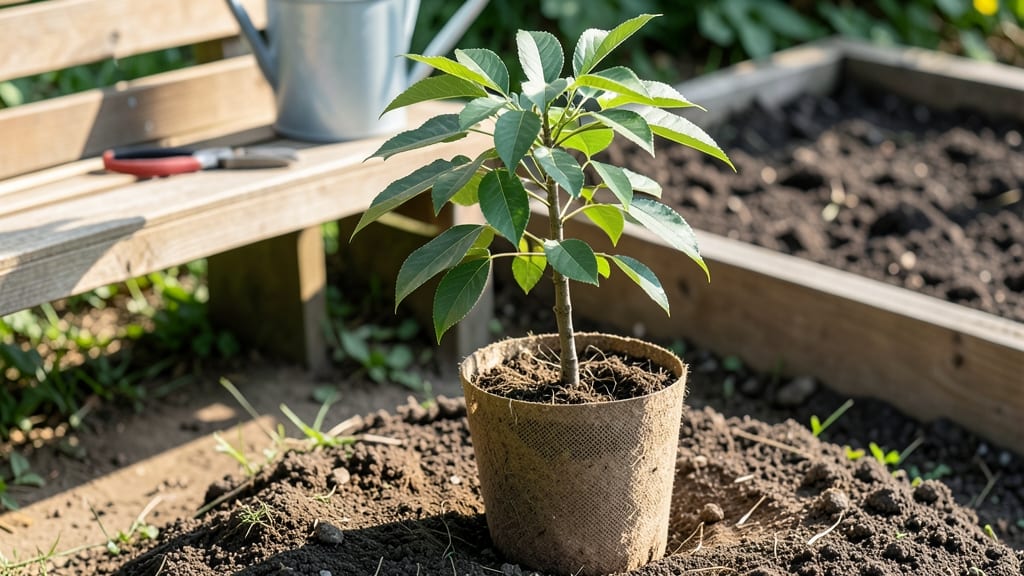
Planting pecan trees from seed isn’t just rewarding—it’s a long-term investment in shade, wildlife habitat, and homegrown nuts. 🌱 The secret to success lies in cold stratification, a process that mimics nature’s way of breaking seed dormancy, and I’ve perfected it after years of trial and error with stubborn pecan shells.
Most gardeners skip this step and wonder why their seeds never sprout. But with the right 3-month cold treatment, you’ll see those first green shoots within 4-6 weeks of planting—no expensive nursery saplings required.
The payoff? Trees that grow stronger, more resilient roots, and the satisfaction of watching something you nurtured from a seed become a towering shade provider.
You’ll need fresh, plump pecans (not store-bought), a damp paper towel or sand bed, and a freezer or cold basement. The process takes patience—pecans are slow growers—but the results are worth every month.
By the time your seedlings are ready to transplant, they’ll have the deep taproots that nursery trees often lack, giving them a head start in your yard.
This method works best in zones 6-9, but with adjustments for your climate, you can adapt it almost anywhere. Whether you’re dreaming of a future orchard or just want a single shade tree, this is how you turn a handful of seeds into a legacy.
Let’s get those pecans sprouting!
📚 In This Guide
- What you need
- Instructions
- Tips and common mistakes
- Wrapping up and next steps
What you need
- ● Fresh pecan seeds: Harvest from healthy, mature pecan trees (avoid store-bought nuts—they’re often treated to prevent sprouting!). Aim for 5–10 seeds to account for germination variability.
- ● Cold stratification supplies: Moist peat moss or coconut coir (enough to fully submerge seeds in a 1:1 ratio with seeds by volume).
- ● A sealed plastic bag or airtight container (e.g., ziplock or mason jar with lid).
- ● Refrigerator space (or a cool, dark spot like a basement at 34–40°F (1–4°C)).
- ● Potting mix: Well-draining, sterile mix (e.g., 60% peat moss + 30% perlite + 10% compost). Use 1–2 gallons per seedling initially.
- ● Small pots or seed trays: 4–6 inch diameter (biodegradable pots work great!).
- ● Grow lights or sunny windowsill: 6–8 hours of light daily (south-facing window or LED grow lights).
- ● Watering can or spray bottle: For gentle, even moisture—avoid soggy soil!
- ○ Pruners or sharp scissors: To trim seed coats if needed (optional but can speed up germination).
- ○ Thermometer: To monitor stratification temps (optional but helpful).
- ○ Heat mat (optional): For seedlings needing a warmth boost (70–75°F/21–24°C).
- ● Fertilizer: Balanced, water-soluble fertilizer (e.g., 10-10-10) once seedlings sprout (dilute to half-strength).
- ● Mulch: Organic mulch (e.g., wood chips) for outdoor planting (apply 2–3 inches around the base).
- ● Patience: Pecan seeds can take 4–12 weeks to germinate—don’t rush it!
- ● Warmth + cold cycle: Seeds need 60–90 days of cold stratification before planting.
- ● Sunny climate: Pecan trees thrive in USDA Zones 6–10 with hot summers (they’re not cold-hardy as seedlings!).
- ● Space: Mature pecan trees need 40–60 feet of spacing—plan ahead!
Step-by-Step instructions for growing pecan trees from seed
Cold stratification unlocks the secret to reliable pecan germination—here's how to do it right.
🌱 Step 1: Harvest and Prepare Fresh Pecans
Collect pecans when they're fully mature but still attached to the tree—this ensures maximum viability. Look for nuts that fall naturally in late fall, as store-bought pecans often have reduced germination rates. Remove any cracked or damaged nuts immediately, as they won't sprout. For best results, use pecans from local trees, as regional adaptability improves survival rates.
Soak the selected pecans in lukewarm water for 24 hours to soften the hard shell. This step mimics natural weathering and helps break dormancy. After soaking, drain them thoroughly and let them air dry for 12 hours on a paper towel. This drying period prevents mold while maintaining moisture readiness for stratification.
⏰ Step 2: Cold Stratify for 60-90 Days
Place the prepared pecans in a sealed plastic bag with a damp paper towel. The towel should feel like a wrung-out sponge—not dripping, but consistently moist. Store the bag in your refrigerator's crispier drawer (around 35-40°F) for 60-90 days. This cold treatment mimics winter conditions and signals the seed to break dormancy.
Check the pecans every 10-14 days to ensure the paper towel remains damp. If it dries out, spritz with water and reseal the bag. Avoid freezing temperatures—below 32°F can damage the seeds. You'll know stratification is working when the shell begins to soften slightly after 45 days.
🌿 Step 3: Plant Stratified Seeds in Moist Growing Medium
Fill 4-inch deep pots with a sterile seed-starting mix (avoid garden soil—it's too dense). Moisten the mix until it holds together when squeezed but doesn't drip. Plant one pecan seed per pot, burying it 1-2 inches deep—about three times the seed's diameter. Press the soil gently around the seed to ensure good contact.
Place the pots in a warm, bright location (around 70-75°F) with indirect light. Pecan seeds need warmth to germinate, but direct sunlight can overheat the soil. Use a seedling heat mat if your home runs cooler. Keep the soil consistently moist—not soggy—by watering when the top inch feels dry to the touch.
☀️ Step 4: Provide Light and Monitor Germination
Once the seeds sprout (after 4-12 weeks), move them to a sunny window or under grow lights for 12-14 hours daily. Pecan seedlings are slow starters—don't rush them. You'll see the first true leaves (not the initial cotyledons) emerge in 6-8 weeks. At this stage, the seedlings are vulnerable to damping-off, so avoid overwatering.
When the seedlings reach 6 inches tall, transplant them into larger 1-gallon pots with fresh seed-starting mix. Harden them off gradually by placing them outside in partial shade for 1-2 hours daily before moving to full sun. Real talk: Pecan trees grow slowly—expect 3-5 years before they produce nuts, but patience pays off with a tree that lives for centuries.
Tips & tricks for perfect pecan tree germination
These game-changing strategies will help you maximize your pecan seeds' potential and avoid the most common pitfalls along the way.
The Soaking Secret: During the 24-hour soak in Step 1, I like to add a few drops of hydrogen peroxide (3%) to the lukewarm water. This helps prevent any potential mold growth while the shells soften—especially important if your pecans came from damp conditions. The water should cover the seeds by about an inch, and you'll notice the shells becoming slightly pliable after just 12 hours.
Stratification Hack: For the 60-90 day cold stratification in Step 2, I recommend using a small plastic container with a secure lid that has a tiny hole poked in it. This allows for minimal air exchange while preventing condensation buildup that could lead to mold. Place a small thermometer inside to monitor the temperature—it should stay consistently between 35-40°F. If your fridge's crispier drawer fluctuates too much, consider using a dedicated seed stratification fridge insert.
Planting Precision: When planting in Step 3, I've found that using a pencil to make a small hole (about 1-2 inches deep) before placing the seed creates better soil contact. Gently press the sides of the hole to eliminate air pockets, then cover with a thin layer of seed-starting mix. This ensures consistent moisture contact with the seed's entire surface. The key is to keep the soil moist but never soggy—think of it as a wrung-out sponge.
Germination Patience: The 4-12 week germination window in Step 4 can feel like forever, but there's a trick to speed things up slightly. Once you see the first signs of sprouting, move your pots to a location with 12-14 hours of bright, indirect light immediately. I use a simple LED grow light on a timer for consistent results. Remember, pecan seedlings are delicate—avoid direct sunlight at this stage, as it can cause overheating and stress the young plants.
Pro Tips for Planting Pecan Trees From Seed
- These game-changing strategies will help you maximize your pecan seeds' potential and avoid the most common pitfalls ...
- The Soaking Secret: During the 24-hour soak in Step 1, I like to add a few drops of hydrogen peroxide (3%) to the luk...
- Stratification Hack: For the 60-90 day cold stratification in Step 2, I recommend using a small plastic container wit...
Frequently asked questions
Got questions about growing pecan trees from seed?
You’re not alone—this method takes patience and precision! Below, we’ve tackled the most common queries to help you avoid pitfalls and boost your success rate.
How long does it take for pecan seeds to sprout after cold stratification?
After completing cold stratification (typically 60–90 days in the fridge), pecan seeds usually sprout within 2–6 weeks once planted in warm, moist soil. Some varieties may take longer, especially if the seed coat is thick. Keep soil consistently damp (not soggy) and place pots in a sunny spot to encourage germination.
Can I plant pecan seeds directly in the ground without cold stratification?
While possible, direct outdoor planting without stratification drastically reduces success rates—often below 10%. Pecan seeds require this step to break dormancy. If you’re in a mild climate, try planting in late fall/winter for natural cold exposure, but refrigeration ensures more reliable results. Patience pays off!
What’s the best time of year to plant stratified pecan seeds outdoors?
For optimal growth, plant stratified seeds in early spring (after last frost) or late summer (before fall rains). Avoid extreme heat or cold—seedlings are delicate! If starting indoors, transplant 3–4 months after sprouting to harden off. Southern climates may extend the window slightly.
Why aren’t my pecan seeds sprouting after stratification?
Common culprits include:
- Improper stratification: Ensure seeds stayed moist (not dry) and at 34–40°F (1–4°C) for 60+ days.
- Old or damaged seeds: Use fresh, plump pecans (store-bought may be treated—opt for raw, local nuts).
- Poor planting conditions: Seeds need warmth (70–80°F), moisture, and light to germinate.
Will pecan trees grown from seed produce nuts like the parent tree?
Probably not! Seed-grown pecans are unpredictable—they may produce smaller, lower-quality nuts or even a different variety. For reliable harvests, graft nursery-grown trees onto rootstock. However, seed-growing is a fun experiment for rootstock or ornamental trees!
Wrapping up and next steps
Growing pecan trees from seed is a rewarding journey that combines patience with the joy of nurturing life from scratch. With the right tools—like cold stratification—you’ve got a solid shot at sprouting strong, healthy saplings. Remember, consistency in care (water, light, and warmth) is key to success!
Ready to take the next step? Once your seedlings sprout and grow a few inches tall, transplant them into pots or directly into well-drained soil. Keep an eye on their progress, and soon, you’ll be enjoying the sweet taste of homegrown pecans! 🌱✨