
How To
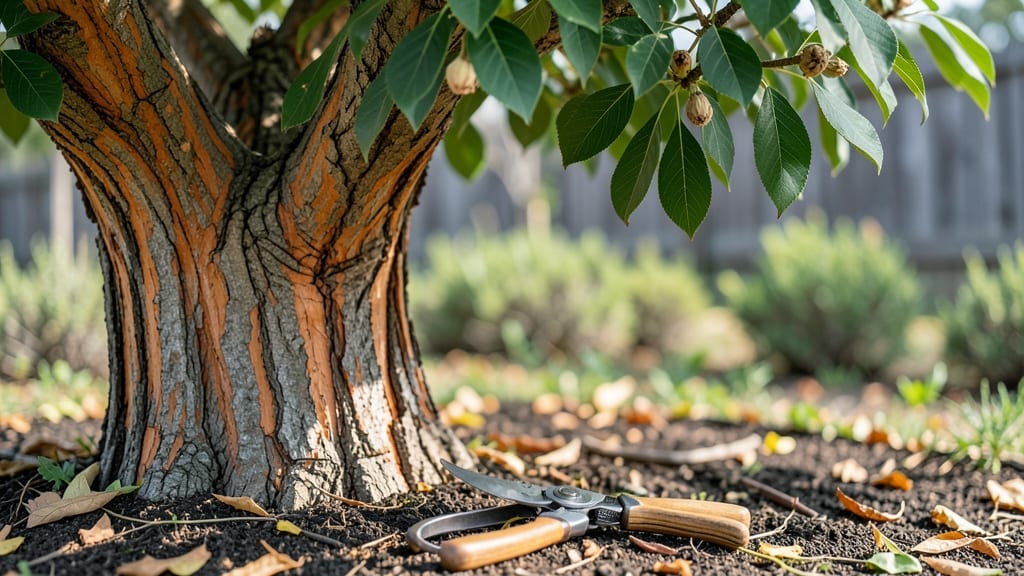
Pruning crepe myrtles transforms them from leggy shadows into showstopping trees with bold blooms. 🌿 I’ve watched my own go from sad, overgrown sticks to vibrant, flowering stars—all by following a few key rules.
The secret isn’t aggressive cutting (that’s the infamous “crepe murder”); it’s strategic trimming to encourage fresh growth and flowers.
Start with the right tools—a sharp pair of loppers and pruning shears—and focus on removing dead branches first. Then, cut just above a leaf bud or outward-facing branch to shape the tree naturally.
Timing matters too: late winter or early spring is ideal, but you can do light shaping anytime the tree’s dormant.
📚 In This Guide
- What you need
- Instructions
- Tips and common mistakes
- Wrapping up and next steps
What you need
- ● Pruning shears – Sharp, bypass-style shears (for small branches, 6–8 inches long)
- ● Loppers – Long-handled (20–24 inches) for medium branches (½–1.5 inches thick)
- ● Pruning saw – For thick branches (1.5+ inches); choose a curved blade for clean cuts
- ● Ladder or extension pole – Sturdy, 8–12 ft tall (or a pole saw for hard-to-reach branches)
- ○ Disposable gloves – Heavy-duty, cut-resistant (optional but recommended for thorns)
- ● Disinfectant (rubbing alcohol or 10% bleach solution) – To sterilize tools between cuts (prevents disease spread)
- ● Heavy-duty trash bags or bucket – For collecting pruned branches (5–10 gallon capacity)
- ● Sharpie or permanent marker – To mark branches for removal (if planning ahead)
- ● Hand pruners (felco) – For precision trimming on smaller stems
- ● Tree wound dressing – (Controversial—skip unless dealing with large wounds; use only if needed)
- ● Safety glasses – To protect from debris (especially when using a saw)
- ● Work boots or closed-toe shoes – For stability on uneven ground
- ● Hose or spray bottle – To clean tools post-pruning
- ● Check the best time to prune (late winter/early spring for most regions; avoid fall pruning)
- ● Review your tree’s growth habits and health (remove dead/diseased wood first)
- ● Have a clear plan—sketch or visualize where cuts will go (aim for an open, vase-like shape)
- ● Ensure the weather is dry and mild (avoid pruning in extreme heat or wet conditions)
Step-by-Step guide to pruning crepe myrtle trees for health and beauty
Revive your crepe myrtle's natural shape and boost next year's blooms with these precise pruning techniques.
✂️ Step 1: Remove Dead, Diseased, or Damaged Wood First
Start by identifying any branches that are completely dead, showing signs of disease (like fungal spots or oozing sap), or physically damaged (splits, cracks, or broken limbs). Use sharp, clean pruning shears to make cuts just outside the branch collar—the swollen area where the branch meets the trunk. This ensures proper healing and prevents unsightly stubs.
I always work from the bottom up, removing larger branches first. If a branch is thicker than your wrist, consider using a pruning saw instead of shears. Look for branches that haven't leafed out in spring—these are often dead and should be removed immediately. Healthy branches will have green bark and buds, even if they haven't broken dormancy yet.
Here's the thing—don't rush this step. Taking your time now prevents future problems like decay spreading to healthy wood. If you're unsure whether a branch is dead, make a small cut to check the color inside. Green means it's alive; brown or black means it's dead and should go.
✂️ Step 2: Thin Out Crowded Branches for Better Airflow
Crepe myrtles naturally develop a vase-like shape, but over time, branches can get too dense. Selectively remove branches that cross or rub against each other, as well as those growing inward toward the center of the tree. Aim to create an open, airy structure that allows sunlight to reach all parts of the canopy. This isn't about drastic cutting—just strategic thinning to improve airflow and reduce disease risk.
I target branches that are growing straight up from the trunk (called "water sprouts") or those that grow directly toward the center. These are the first candidates for removal. Make your cuts at the branch collar, and avoid leaving stubs—this prevents water from pooling and causing rot. If a branch is too large to cut with shears, use a pruning saw and make the cut on the underside of the branch to avoid tearing the bark.
Watch for branches that are growing at sharp angles—these are more likely to break in storms. Removing them now prevents future damage. You'll see a noticeable difference in the tree's structure after this step, with sunlight able to penetrate deeper into the canopy.
✂️ Step 3: Shape the Tree While Preserving Natural Form
Crepe myrtles have a beautiful, layered look, so avoid turning them into rigid, geometric shapes. Focus on maintaining their natural vase-like form by lightly trimming branches that are growing too long or out of balance. Never remove more than 25% of the tree's foliage in one season—this can stress the tree and reduce flowering.
Use your hands to visualize the tree's shape before making any cuts. Step back frequently to assess the overall balance. If one side is heavier, lightly trim a few branches on the opposite side to restore equilibrium. Avoid cutting back to old wood or stubs—always cut just above a leaf node or bud to encourage new growth in the right direction.
Here's where it gets fun—watch how the tree responds as you shape it. New growth will emerge from the buds you leave behind, and you'll see the tree's natural form reassert itself. If you're pruning in late winter or early spring, you'll get a head start on the season's growth. Just avoid heavy pruning in fall, as this can stimulate tender new growth that won't survive winter.
⏰ Step 4: Time Your Pruning for Maximum Blooms
The best time to prune crepe myrtles is late winter or early spring, just before new growth begins. This timing ensures you don't cut off flower buds that form on the previous year's growth. If you must prune later in the season, do it immediately after the tree finishes blooming—never prune in fall, as this can encourage weak, late-season growth that won't harden off before winter.
If you missed the late winter window, don't panic. Light pruning to remove dead or diseased branches can be done anytime. However, avoid heavy pruning in summer, as this can reduce next year's flower production. Crepe myrtles are forgiving, but timing matters—pruning at the right moment maximizes blooms and keeps the tree healthy.
Real talk: I've learned the hard way that skipping this step leads to fewer flowers and a less structured tree. The key is patience—wait for the right moment, and the tree will reward you with vibrant blooms and a stunning shape. After pruning, clean up any fallen debris to reduce disease risk and keep your workspace tidy.
Tips & tricks for perfect crepe myrtle pruning
Transform your crepe myrtle from overgrown to showstopping with these insider techniques that make all the difference.
Branch Collar Precision: When making cuts in Step 1, focus on the branch collar—the swollen area where the branch meets the trunk. This is where the tree's natural healing begins. I've seen too many pruning jobs leave stubs that pool water, leading to rot. Use a sharp pruning saw or shears to cut just outside the collar, making a clean cut at a slight angle. This small detail prevents future decay and ensures faster healing.
Seasonal Timing Secret: The late winter/early spring window mentioned in Step 4 is your golden opportunity to maximize next year's blooms. If you're unsure about exact timing, look for these cues: buds should be swollen but not yet opening, and the tree should be dormant. For those who miss this window, prune immediately after blooming—but avoid summer pruning, which can stress the tree and reduce flowering potential. I've learned this the hard way after seeing summer-pruned trees with sparse blooms the following season.
Visualization Technique: Before making any cuts in Step 3, stand back and visualize the tree's natural vase shape. Hold your hands up to mimic the ideal form—this helps you see where branches need to be thinned or shaped. I always step back every few minutes to check my progress. This simple habit prevents over-pruning and helps maintain that elegant layered look crepe myrtles are known for. The difference between good and great pruning often comes down to this step.
Tool Maintenance Strategy: Your pruning tools are just as important as your technique. Clean your shears and saws with rubbing alcohol between cuts to prevent disease spread, especially when working with diseased branches in Step 1. I sharpen my tools annually and replace blades when they develop nicks. A dull blade can crush branches instead of making clean cuts, which stresses the tree and slows healing. Investing 10 minutes in tool care now saves hours of frustration later.
Pro Tips for Prune Crepe Myrtle Trees
- Transform your crepe myrtle from overgrown to showstopping with these insider techniques that make all the difference.
- Branch Collar Precision: When making cuts in Step 1, focus on the branch collar—the swollen area where the branch meets the trunk.
- Seasonal Timing Secret: The late winter/early spring window mentioned in Step 4 is your golden opportunity to maximize next year's blooms.
Frequently asked questions
about pruning crepe myrtles—because even pros need a little guidance! Here are answers to the most common questions to keep your trees thriving.When is the absolute best time to prune crepe myrtles?
The ideal window is late winter or early spring (just before buds swell), but you can also prune lightly after flowering. Avoid pruning in fall or winter—this can stimulate new growth that won’t harden off before cold snaps. Pro tip: If you missed the spring window, wait until after blooms fade to prune lightly.
What if I see “crepe murder” (over-pruning) on my tree?
“Crepe murder” happens when you cut too aggressively, leaving stubs or removing too many branches. Fix it by avoiding drastic cuts—never remove more than 25% of the canopy at once. Focus on shaping rather than shearing. If your tree looks sad, give it time; crepe myrtles are resilient and will bounce back with proper care!
Will pruning my crepe myrtle reduce next year’s flowers?
Not if done right! Pruning encourages more blooms by removing crowded branches and improving airflow. Just avoid cutting back old wood (last year’s growth) where flowers form—prune new growth (current year’s shoots) to stimulate fresh blooms. Think of it like a haircut: a little trim keeps things looking fresh!
What should I do if my crepe myrtle has dead or diseased branches?
Remove them immediately—even if it’s not the “official” pruning season. Use sterilized tools to cut back to healthy wood (look for green tissue inside the branch). Dispose of diseased branches away from your yard to prevent spread. Bonus: Prune on a dry day to reduce sap splatter and fungal risks.
Can I shape my crepe myrtle into a formal hedge?
While crepe myrtles can be sheared into hedges, it’s not ideal—they thrive with selective pruning rather than heavy shearing. If you love the hedge look, opt for a more shearing-friendly tree like boxwood or privet. For crepe myrtles, embrace their natural shape and prune to open up the canopy for better airflow and blooms.
Wrapping up and next steps
Pruning your crepe myrtle doesn’t have to be intimidating—just follow the right timing, techniques, and tools, and you’ll enjoy lush, blooming trees for years to come! 🌸 Whether you’re trimming for shape, health, or those stunning summer flowers, consistency is key.
Now that you’re armed with the know-how, grab those pruners and get started—your crepe myrtle will thank you with vibrant growth and effortless beauty.
Ready to take it further? Check out seasonal care tips or explore how to identify common crepe myrtle pests to keep your trees thriving year-round!