
Pruning
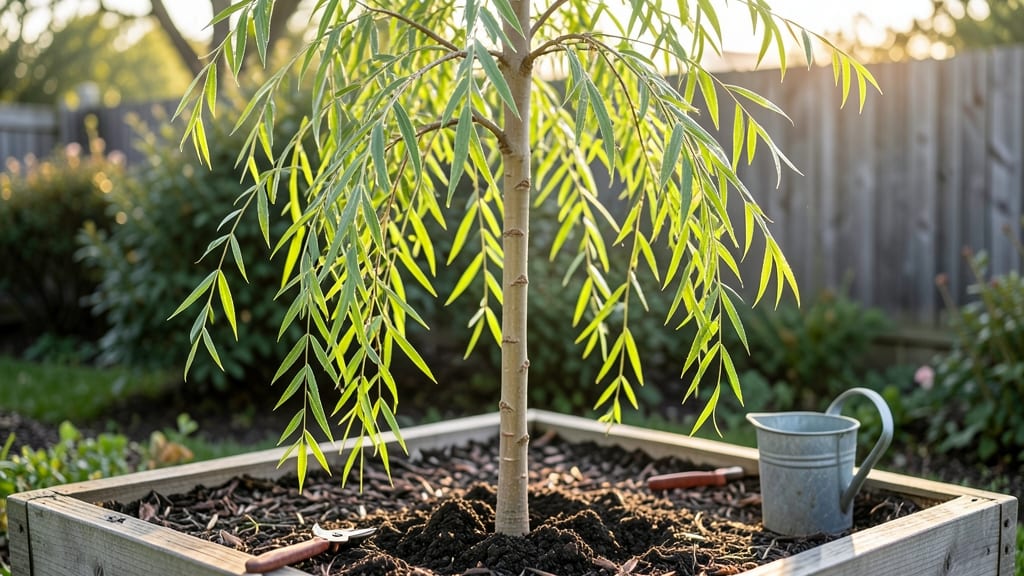
A young weeping willow tree begins its elegant shape with just six simple cuts—and mastering them ensures decades of lush, healthy growth. I’ve pruned mine every winter for five years, and the difference is stunning: no tangled limbs, no deadwood, and a shape that looks intentional, not accidental.
The key is timing and technique, not brute force.
You’ll need basic tools—a sharp pair of pruners, gloves, and a ladder if your tree’s over 6 feet tall. The right time is late winter, just as buds swell but before new growth starts.
This keeps the tree from bleeding sap and gives you a clean slate for shaping. Even if you’ve never pruned before, these cuts are foolproof once you know the rules.
By summer, you’ll see the payoff: a tree with long, arching branches that flow like a fountain, not a tangled mess. The cuts encourage fuller growth at the base while keeping the top open for sunlight.
Plus, you’ll avoid the heartbreak of seeing a willow decline from poor pruning—something I’ve seen too many times in my neighborhood.
Works for any weeping willow, from dwarf varieties to full-sized giants. The same principles apply whether you’re shaping a small patio tree or a backyard centerpiece. Let’s get those branches looking their best—year after year.
📚 In This Guide
- What you need
- Instructions
- Tips and common mistakes
- Wrapping up and next steps
What you need
- ● Pruning shears: Bypass pruners (sharp, clean, and sterilized with rubbing alcohol) to make precise cuts. Size: 6–8 inches for small branches.
- ● Loppers: For thicker branches (up to 2 inches in diameter). Quantity: 1 pair.
- ● Hand saw: For stubborn, larger branches (if needed). Type: Pruning saw with a fine-tooth blade.
- ● Gloves: Heavy-duty, cut-resistant gloves to protect your hands from thorns or rough bark.
- ● Disinfectant: 70% isopropyl alcohol or a commercial pruning sealant to prevent disease spread.
- ○ Pruning sealant (optional): For sealing large cuts (½ inch or wider) to minimize sap loss.
- ● Ladder or stool: If your tree is taller than 6 feet (adjust height as needed for safety).
- ● Trash bags: For collecting pruned branches and debris.
- ● Timing: Prune during dormant season (late fall/winter) or early spring (before new growth). Avoid pruning in extreme heat or cold.
- ● Weather: Choose a dry, overcast day to reduce stress on the tree.
- ● Safety gear: Safety glasses (to shield from debris) and long sleeves/pants (to protect from branches).
- ● Tree health check: Inspect the tree for signs of disease (e.g., fungal spots, oozing sap) before pruning. Skip pruning if diseased!
- ● ✨ Sharpen your tools: Dull blades tear bark—always sharpen shears and saws before starting.
- ● 🔥 Mark cuts: Use chalk or tape to outline cuts before pruning for cleaner results.
- ● 🌡️ Work in layers: Remove up to 25% of the tree’s foliage in one session to avoid shocking it.
Instructions for pruning a young weeping willow tree
Here's how to keep your graceful willow looking its best with minimal effort.
Time Your First Cut for Late Winter
Prune your young weeping willow in late winter or early spring, just as buds begin to swell but before new growth starts. This timing ensures you remove dead wood while encouraging fresh, vigorous growth. I always check for swollen buds along the branches—that's your signal to grab the pruners.
Willows are fast growers, so a late-winter cut prevents sap bleeding and gives the tree time to heal before summer heat. Avoid pruning in fall, as new growth won't harden off before winter. If you miss the window, wait until early spring—just don't delay past bud break.
Remove Dead or Crossing Branches First
Start by scanning the tree for dead, diseased, or crossing branches. Dead branches snap easily when bent—if a branch breaks with a dry crack, it's time to cut it out. For crossing branches, remove the smaller one to avoid future rubbing wounds. I use sharp bypass pruners for clean cuts on branches up to ½ inch thick.
Make your cuts just outside the branch collar—the swollen area where the branch meets the trunk. This ensures the tree seals the wound properly. If you accidentally cut into the trunk, don't worry—willows are forgiving, but avoid leaving stubs longer than ¼ inch.
Thin the Canopy for Airflow
Weeping willows naturally grow with a cascading habit, but dense growth can lead to pests or disease. Look for branches that grow inward or upward—these need thinning. Remove no more than 25% of the canopy in one session to avoid stressing the tree. I focus on the outer third of the tree first, opening up space for sunlight to reach the lower branches.
For thicker branches over ½ inch, switch to loppers and make the cut at a 45-degree angle just outside the branch collar. If a branch is too large for hand tools, use a pruning saw—just be patient to avoid tearing the bark. Step back after each cut to check the tree's new shape.
Shape the Weeping Habit Gently
Weeping willows thrive when their natural drooping form is preserved. Avoid heavy pruning of the lower branches—they create the tree's signature silhouette. Instead, lightly trim tips of overgrown branches to encourage bushier growth. I like to shape the tree by shortening the longest branches by about one-third, which promotes branching lower down.
Never remove more than one-third of a branch's length in a single cut—this prevents shock. If a branch is growing too upright, you can guide it downward by tying it to a stake with soft cloth (remove the tie in a year). The goal is to enhance the tree's graceful form, not force it into a rigid shape.
Clean Up and Monitor for New Growth
After pruning, rake up all debris and dispose of it in a sealed bag—willow branches can harbor pests. Sterilize your tools with rubbing alcohol to prevent disease spread. Water the base of the tree deeply to help it recover, especially if you pruned during a dry spell. I always check the soil 2 inches down—it should feel moist but not soggy.
Watch for new shoots emerging from the branch cuts within 2-4 weeks. Healthy growth means your pruning was successful. If you see yellowing leaves or stunted growth, you may have pruned too late or too aggressively. Willows are resilient, but they do best with light, regular pruning rather than heavy annual cuts.
Tips & tricks for pruning a young weeping willow
Even the simplest pruning can transform your willow—here's how to make every cut count without stressing the tree.
Timing is Everything: The late winter to early spring window (just before bud break) is non-negotiable for willows. I've learned the hard way that pruning too early can leave cuts vulnerable to frost damage, while waiting too long risks encouraging weak growth. If you're unsure about the exact timing, look for those swollen buds—your tree's way of saying "it's time." For those who miss the window, early spring is your backup, but don't delay past bud break or you'll stunt new growth.
Tool Selection Matters: Using the right tool for each branch size makes all the difference. For branches up to ½ inch thick, bypass pruners give you the cleanest cuts. When you move to thicker branches, loppers provide better leverage, but be patient—rushing causes torn bark. I keep a small pruning saw on hand for branches too thick for hand tools, and always make my cuts just outside the branch collar. This small detail prevents ugly stubs that invite disease.
Canopy Thinning Strategy: The 25% rule for canopy thinning isn't arbitrary—it's about balance. Removing too much stresses the tree, while doing too little lets pests hide in dense foliage. Focus on the outer third first to improve airflow, then work inward. I step back frequently to visualize the tree's shape, adjusting as I go. If you're unsure about a cut, wait—you can always come back later. The goal is to enhance that natural weeping silhouette, not create a rigid shape.
Post-Pruning Care: After you've finished cutting, don't forget the cleanup. Raking up debris prevents pests from taking up residence in your prunings. Sterilizing tools with rubbing alcohol might seem like overkill, but it's worth the few extra minutes to protect your tree's health. Watering deeply afterward helps the tree recover, especially if you pruned during dry weather. I always check soil moisture 2 inches down—it should feel damp but not waterlogged.
Pro Tips for Young Weeping Willow Tree
- Even the simplest pruning can transform your willow—here's how to make every cut count without stressing the tree.
- Timing is Everything: The late winter to early spring window (just before bud break) is non-negotiable for willows.
- Tool Selection Matters: Using the right tool for each branch size makes all the difference.
Frequently asked questions
Got questions about nurturing your young weeping willow tree? Here are some of the most common concerns—plus quick, actionable answers to keep your tree thriving year-round!
How often should I prune a young weeping willow tree?
A young weeping willow benefits from light, strategic pruning—typically once a year in late winter or early spring (before new growth starts). Avoid heavy cuts; focus on shaping and removing dead/diseased branches. Over-pruning can stress the tree and stunt its iconic drooping branches.
Can I prune a weeping willow in summer?
Summer pruning is possible, but timing matters. Limit cuts to removing only dead or diseased wood to avoid encouraging pest infestations or fungal growth. If you must shape, do it early summer (June) and keep cuts minimal—no more than 20% of the tree’s foliage at once.
What’s the best way to shape a weeping willow’s branches?
Use clean, sharp pruners to trim branches just above a leaf node (bud) at a 45-degree angle. For a fuller look, focus on the outer branches—cut back overgrown stems by ⅓ to encourage bushier growth. Avoid "topping" (cutting the main trunk), as this harms the tree’s structure.
Should I prune a weeping willow in winter?
Winter pruning is risky for young willows—they’re dormant, and cuts can expose them to cold damage or disease. If you must prune, wait until late winter (February) when frost threats have passed. Prioritize removing dead wood over shaping; save heavy cuts for spring.
What are good alternatives if I don’t want to deal with weeping willow pruning?
If maintenance feels overwhelming, consider these low-maintenance alternatives with similar drama:
- Dwarf Fountain Grass – Adds movement with minimal pruning.
- Japanese Maple – Stunning year-round with gentle shaping needs.
- Silver Birch – Fast-growing but requires less aggressive pruning.
- Hydrangea (e.g., ‘Endless Summer’) – Blooms reliably with light trimming.
Wrapping up and next steps
Caring for a young weeping willow tree doesn’t have to be complicated—just a few strategic cuts can keep it lush, healthy, and stunning year-round! 🌿 Whether you’re trimming for shape, safety, or seasonal growth, these six simple steps ensure your tree thrives while staying true to its graceful beauty.
Now that you’re armed with the right tools and techniques, there’s no better time to roll up your sleeves and give your tree the love it deserves.
Ready to see the difference? Grab your pruners and schedule your first trim this weekend! Your weeping willow will thank you with vibrant foliage and a shape that turns heads. 🌳✨