
Pruning
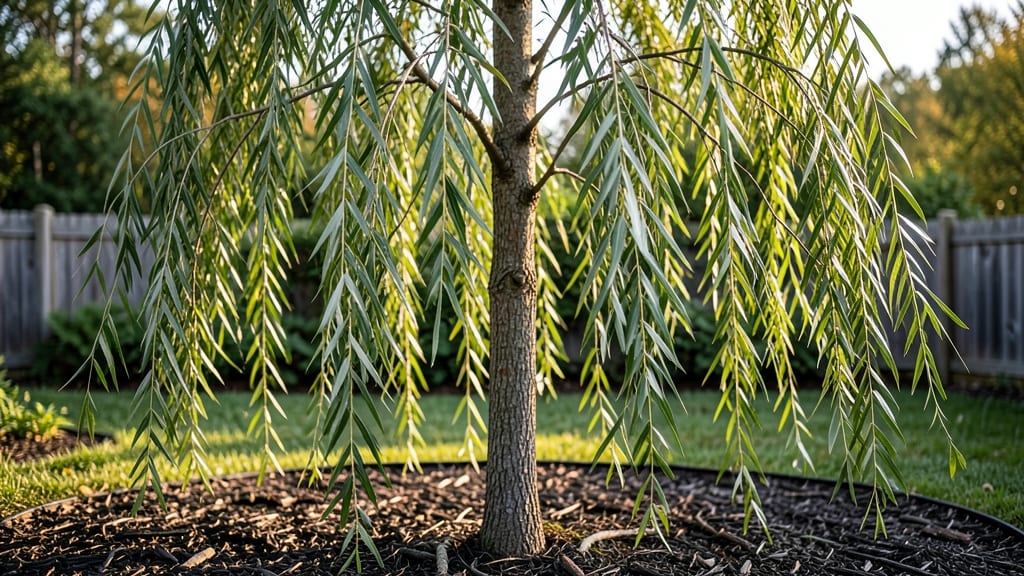
That black weeping willow tree with its dramatic, cascading branches is the kind of tree that makes neighbors stop and stare—if you prune it right. I’ve wrestled with mine for years, learning the hard way that aggressive cuts in spring turn into leggy, sparse growth by summer.
The secret lies in understanding its fast-growing nature and how it responds to pruning at different times of year.
Willows like this one thrive in full sun and moist soil, almost begging for a pondside planting. But don’t let that fool you into thinking they’re low-maintenance—they’re not. They demand regular watering, especially in their first two years, and their roots spread aggressively, so give them plenty of space.
My tree now stretches over 20 feet wide, and I’ve had to relocate a few shrubs to make room for its sprawling habit.
When you get the pruning rhythm down, you’ll end up with a tree that looks like it belongs in a storybook—long, graceful branches that sweep the ground like a painter’s brushstroke.
The key is thinning out crowded stems in late winter or early spring, before new growth starts, and avoiding heavy cuts that leave stubs. Done right, your willow will reward you with lush, feathery foliage and that signature weeping silhouette all year.
This guide covers everything from the right tools to use (sharp pruners, not shears) to how to handle those inevitable suckers that pop up around the base.
Whether you’re shaping a young tree or rejuvenating an older one, the principles stay the same—patience and precision. Let’s get those branches looking their best.
📚 In This Guide
- What you need
- Instructions
- Tips and common mistakes
- Wrapping up and next steps
What you need
- ● Pruning shears – Bypass pruners (8-10" blades) for clean cuts on small branches.
- ● Loppers – 16-20" reach for thicker branches (up to 2" diameter).
- ● Pruning saw – Curved blade, 12-16" for stubborn, larger limbs.
- ○ Hand pruners – For fine-tuning and detail work (optional but handy).
- ● Disposable gloves – Heavy-duty, cut-resistant to protect your hands from thorns and sap.
- ● Ladder or step stool – Sturdy, extendable (12-16' height) for hard-to-reach branches.
- ● Rubbing alcohol (70%+) – Small bottle (4 oz) to sterilize tools between cuts.
- ○ Pruning sealant (optional) – For large cuts (½" or wider) to prevent disease.
- ● Heavy-duty trash bags – For debris cleanup (2-3 bags).
- ● Clear weather – Choose a dry day (no rain forecasted for 24 hours) to avoid spreading disease.
- ● Safety gear – Safety glasses and long sleeves to protect from sap and debris.
- ● Tree health check – Inspect for pests/diseases before pruning.
- ● Water source – Hose or bucket (5 gallons) to clean tools and rinse sap.
- ● 💡 Sharpen your tools first—dull blades tear bark, inviting infections.
- ● 🌡️ Prune in late winter/early spring (just before buds swell) for best results.
- ● 🎯 Avoid over-pruning—remove no more than 25% of the canopy at once.
Step-by-step guide for pruning a black weeping willow tree
Transform your weeping willow into a stunning focal point with these simple pruning techniques.
Identify the Best Time for Pruning
Late winter to early spring is the ideal window—just as buds begin to swell but before new growth starts. This timing ensures you remove dead wood while encouraging fresh, vigorous growth. Avoid pruning during fall or summer heat, as wounds take longer to heal and stress the tree.
Look for branches that are completely brown and brittle (dead) versus those with green buds (alive). The weeping willow’s natural shape comes from its long, drooping branches—never cut these back drastically, as they define its graceful silhouette. If you must prune in summer, do it on an overcast day to reduce stress.
Gather the Right Tools and Safety Gear
Use sharp, clean pruning shears for small branches and a pruning saw for thicker limbs. Disinfect your tools with rubbing alcohol between cuts to prevent spreading disease. Wear gloves, long sleeves, and eye protection—willow branches can be sharp, and sap may irritate skin.
Lay down a tarp or drop cloth beneath the tree to catch debris, especially if you’re pruning near walkways or lawn furniture. A sturdy ladder (with a spotter) is essential for reaching higher branches, but avoid overreaching—never stand on the lowest rung or lean too far. The weeping willow’s weighty branches can pull you off balance.
Remove Dead, Damaged, or Crossing Branches
Start by cutting out any dead or diseased branches—these are the easiest to spot as they’re brown, brittle, and may have no leaves. Make clean cuts just outside the branch collar (the swollen area where the branch meets the trunk) to promote faster healing. Avoid leaving stubs, as they invite rot and pests.
Next, remove branches that cross or rub against each other. These create wounds and weaken the tree’s structure. If two branches are competing for space, keep the healthier one (the one with more leaves and better growth). For thicker branches, make a downward cut on the underside first to control the branch’s fall, then a horizontal cut just outside the collar.
Shape the Tree for Balance and Airflow
Step back and assess the tree’s natural shape—weeping willows thrive on their cascading form, so avoid heavy pruning of the drooping branches. Instead, focus on thinning out the canopy by selectively removing a few overcrowded branches from the center. This improves airflow and reduces the risk of fungal diseases.
If you notice branches growing upward or inward, prune them back to encourage a fuller, more graceful silhouette. Never remove more than 25% of the tree’s foliage in one season—this can shock the willow and stunt its growth. Use hand pruners for small adjustments and a saw for larger limbs, always cutting at a 45-degree angle to shed water away from the wound.
Clean Up and Monitor for Recovery
Rake up all debris and dispose of it in a sealed bag—leaving pruned branches on the ground can harbor pests or diseases. Apply a thin layer of mulch (if using) around the base of the tree to retain moisture and protect roots, but keep it 3-4 inches away from the trunk to prevent rot.
Water the tree deeply after pruning to help it recover, especially if you’ve made large cuts. Monitor the tree over the next few weeks for signs of stress, like yellowing leaves or oozing sap. If you notice any unusual symptoms, prune less aggressively in the future—willows are resilient, but over-pruning can weaken them over time.
Tips & tricks for pruning a black weeping willow tree
Here's what nobody tells you about keeping your weeping willow looking its best without stressing the tree.
Timing is Everything: Late winter to early spring is your golden window, but if you absolutely must prune in summer, choose an overcast day or early morning when temperatures are cooler. The tree's sap flows more slowly in these conditions, reducing stress. I learned this the hard way after pruning in hot summer sun—my willow took months to recover, and some branches never fully regrew.
Tool Prep Prevents Problems: Before you start cutting, disinfect your pruning tools with rubbing alcohol between each cut, especially when moving from diseased to healthy branches. I keep a small spray bottle of diluted alcohol handy for quick cleanups. Also, make sure your blades are sharp—dull tools crush branches instead of making clean cuts, which slows healing and invites pests.
Shape with Purpose: When thinning the canopy in Step 4, focus on creating open spaces between branches rather than just removing random growth. This improves airflow and sunlight penetration, which prevents fungal diseases like powdery mildew. I like to step back every few cuts to visualize the tree's natural shape—willows have a way of growing back in unexpected ways if you're not careful.
Recovery Checklist: After pruning, monitor your tree closely for the first three weeks. Look for signs of stress like yellowing leaves, wilting, or excessive sap flow. If you see these, your pruning was likely too aggressive. I've found that willows often show stress symptoms a week after pruning, so don't panic if you notice changes right away—they might just be adjusting.
Pro Tips for Black Weeping Willow Tree
- Here's what nobody tells you about keeping your weeping willow looking its best without stressing the tree.
- Timing is Everything: Late winter to early spring is your golden window, but if you absolutely must prune in summer, ...
- Tool Prep Prevents Problems: Before you start cutting, disinfect your pruning tools with rubbing alcohol between each...
Frequently asked questions
Got questions about keeping your black weeping willow tree thriving? You’re not alone! Here are answers to the most common concerns—from pruning timing to troubleshooting—so you can enjoy its elegant droop all year.
When is the best time to prune a black weeping willow?
The ideal time is late winter or early spring (before new growth starts). Avoid pruning in fall or winter, as it can stimulate weak growth before dormancy. For minor shaping, summer pruning is fine, but avoid heavy cuts—willows bleed sap aggressively, and late cuts may lead to disease.
How much can I trim back a black weeping willow?
You can safely remove up to 25-30% of the tree’s canopy in one season. For young trees, limit cuts to 15-20% to avoid stress. Never remove more than 1/3 of the branches at once, or you risk dieback. Focus on dead, crossing, or overcrowded branches first.
Why is my weeping willow’s foliage turning yellow or brown?
Yellowing leaves often signal nutrient deficiency (common in fast-growing willows) or overwatering. Brown edges or crispy leaves? It’s likely drought stress or salt buildup from poor soil. Check for pests like aphids or willow leaf beetles too—spray with soapy water if needed. Pro tip: Test soil pH (ideal: 6.0–7.5) and amend with compost.
Are there alternatives to black willows for low-maintenance shade?
Yes! If willows feel high-maintenance, try:
- Silver Maple – Fast-growing with striking foliage (but invasive roots).
- River Birch – Graceful, drought-tolerant, and less aggressive.
- Crape Myrtle – Compact, colorful, and pest-resistant.
- Japanese Zelkova – Disease-resistant with a weeping habit.
How often should I water a newly planted black weeping willow?
Water deeply 2–3 times per week for the first year, ensuring the root ball stays moist (but not soggy). Mature trees need 1–2 inches of water weekly during dry spells. Mulch heavily (3–4 inches) to retain moisture, but keep mulch away from the trunk to prevent rot. Pro tip: Willows love water but hate “wet feet”—ensure proper drainage!
Wrapping up and next steps
The black weeping willow tree is a stunning symbol of elegance and resilience, and with the right pruning techniques, you can keep it thriving year-round. Remember, patience and precision are key—whether you're shaping its graceful branches or removing dead growth.
Your efforts will reward you with a lush, picturesque tree that enhances any landscape.
Ready to take the next step? Grab your tools, mark your calendar, and schedule your first pruning session—your black willow will thank you! 🌿✨