
Pruning
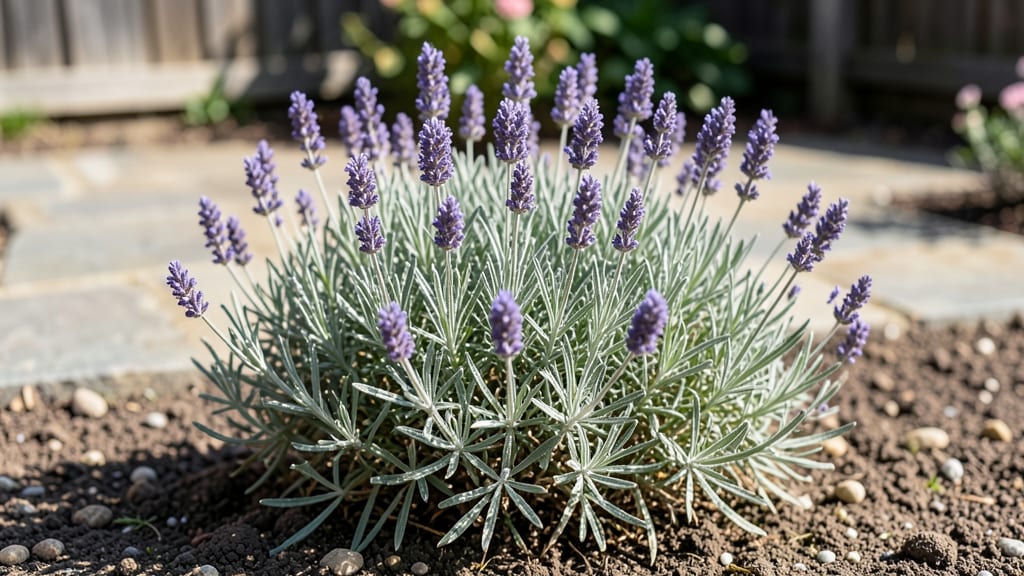
Your lavender patio tree care starts with a single rule: prune it wrong, and you’ll end up with a leggy, woody mess that smells like a discount candle. ✨ I’ve turned my patio lavender from a sad, scraggly shrub into a fragrant, bushy centerpiece by pruning it right—twice a year, with sharp shears and a clear goal: more flowers, not more wood.
The secret isn’t complicated—just timing and technique. After the first flush of blooms in spring, trim back one-third of the oldest stems to encourage fresh growth. Then, in late summer, give it a light haircut to shape it before winter.
Most people over-prune, turning their lavender into a stump, but this method keeps it compact, lush, and bursting with scent for years.
What you’ll end up with is a patio tree that smells like Provence on a sunny afternoon—silvery-green foliage, clusters of purple blooms, and a fragrance so strong it repels mosquitoes naturally.
The key is patience: lavender doesn’t respond to heavy pruning like a hedge, but with this approach, it rewards you with year-round interest and a fragrance that lingers long after the flowers fade.
Works just as well in containers as in the ground, so whether you’ve got a 5-gallon pot or a raised bed, this care routine adapts. The only real mistake?
Waiting until winter to prune—by then, you’ve already lost a season of growth. Let’s get those shears out before it’s too late.
📚 In This Guide
- What you need
- Instructions
- Tips and common mistakes
- Wrapping up and next steps
What you need
- ● Pruning shears – Bypass-style, sharp, and sterilized (1 pair). Pro tip: 💡 Disinfect with rubbing alcohol between cuts to prevent disease!
- ● Hand pruners – For smaller stems (1 pair). Look for ergonomic grips for comfort.
- ● Gloves – Heavy-duty, gardening-grade (1 pair) to protect from thorns and sap.
- ● Watering can or hose – With a gentle spray nozzle (5+ gallons capacity). Lavender hates soggy roots!
- ● Well-draining potting mix – Cactus/succulent blend (10+ gallons) or a mix with perlite/coarse sand (30% sand ratio).
- ● Container – Pot with drainage holes (12"+ diameter for mature trees; 6"+ for young plants). Terracotta or fabric pots work best!
- ● Mulch – Gravel or pebbles (2–3 inches) to retain moisture and deter weeds.
- ● Pruning saw – For thick, woody stems (if your lavender grows large).
- ● Slow-release fertilizer – Balanced 10-10-10 (1–2 tbsp per season) for extra vigor.
- ● Plant support – Stakes or a small trellis if your patio tree gets top-heavy.
- ● Spray bottle – For misting new growth in dry climates.
- ● Decorative stones – Colored pebbles to enhance your patio aesthetic while keeping roots cool.
- ● A sunny spot – At least 6–8 hours of direct sunlight daily. Lavender loves the sun!
- ● Well-draining soil – Avoid clay-heavy or waterlogged areas. Amend soil if needed.
- ● Patience – Lavender grows slowly but rewards you with years of fragrance and beauty!
Step-by-Step guide to year-round lavender patio tree pruning
Keep your fragrant lavender patio tree lush and blooming with these seasonal pruning secrets.
✂️ Step 1: Spring Pruning for New Growth
Start pruning in early spring before new growth begins—this is when your lavender tree is most resilient. Use clean, sharp pruning shears to cut back one-third of the previous year's growth from the base. This encourages fresh, vigorous stems and prevents the plant from becoming woody and leggy.
Focus on removing any dead or damaged branches first. You'll know a branch is dead if it's brittle, brown, and snaps easily when bent. For healthy branches, make your cuts just above a leaf node or bud, angled slightly away from the bud to prevent water from pooling. This ensures new growth emerges in the right direction.
Here's the thing—lavender thrives on a good haircut, but don't overdo it. If you prune too aggressively in spring, you risk stunting the plant's ability to produce those signature fragrant flowers. Think of it like trimming your hair: you want to shape it, not shave it all off.
☀️ Step 2: Summer Maintenance for Blooms and Shape
After the spring flush of growth, shift to light maintenance pruning throughout the summer. The goal now is to encourage more blooms and maintain the tree's shape. Pinch back the tips of new growth by one-third to promote bushier growth and more flowering stems.
Watch for any branches that are growing too long or out of balance with the rest of the tree. Trim these back to maintain a rounded, natural shape. You'll see new side shoots forming within 2-3 weeks—this is your sign that the pruning is working. Just avoid cutting into old wood, as lavender doesn't regenerate well from mature stems.
Real talk: summer is also the time to deadhead spent flowers. As soon as you notice blooms starting to fade, snip them off just above the next set of leaves. This redirects the plant's energy into producing more flowers instead of seeding. You'll be rewarded with a longer blooming season and a more fragrant patio tree.
⏰ Step 3: Fall Cleanup for Winter Readiness
In late fall, after the first frost but before the ground freezes, give your lavender tree a final trim. Remove any remaining dead or diseased branches, and thin out crowded areas to improve air circulation. This helps prevent fungal issues that can overwinter and harm the plant in spring.
Reduce the height of the tree by no more than 10%—this is enough to tidy it up without stressing the plant before winter. Avoid heavy pruning in fall, as lavender needs to enter dormancy with enough energy stored in its stems. You'll notice the foliage turning a silvery-gray as it hardens off for winter; this is normal and a good sign the plant is preparing for dormancy.
This is the moment that matters: after pruning, give the base of the tree a 2-inch layer of mulch (if your climate gets cold). This protects the roots from freezing temperatures and helps retain moisture. Just keep the mulch a few inches away from the trunk to prevent rot. Your lavender will thank you with stronger growth come spring.
🌱 Step 4: Winter Checks for Damage and Adjustments
Winter is all about observation. Check your lavender tree once a month for signs of winter damage, like broken branches or browning foliage. If you live in a Zone 6 or colder, consider wrapping the tree in burlap or using a frost cloth for extra protection during extreme cold snaps. This isn't always necessary, but it can make a big difference in harsh winters.
If you notice any branches that have been damaged by frost or snow, prune them back to healthy wood in early spring—don't wait until the growing season is underway. You'll see new growth emerging from the base of the tree in 3-4 weeks, signaling that it's recovered well from the winter.
Don't skip this (I learned the hard way): if your lavender tree looks particularly stressed after winter, hold off on heavy pruning until you see new growth. Sometimes, lavender needs a little extra time to bounce back, and pruning too soon can set it back even further. Patience pays off with a stronger, more fragrant tree.
Tips & tricks for perfect lavender patio tree pruning
These seasonal secrets will keep your fragrant lavender thriving year after year.
Timing is Everything: In Step 1, when you're trimming back one-third of last year's growth in early spring, look for fresh green buds at the base of stems—this is your cue that new growth is about to begin. If you see no buds, wait another week before pruning. The goal is to cut just as the plant wakes up, not before or after. This timing ensures you're encouraging fresh, vigorous stems rather than cutting into dormant wood.
Tool Prep Matters: Before you start any pruning, sterilize your pruning shears with rubbing alcohol to prevent spreading disease between cuts. I also recommend using bypass pruners rather than anvil pruners—they make cleaner cuts that heal faster. For larger branches, a sharp handsaw works best, but always make the cut just outside the branch collar where it meets the trunk to avoid damaging the tree's natural healing tissue.
Visual Cues for Healthy Cuts: When making cuts in Step 2 during summer maintenance, aim for a 45-degree angle just above a leaf node or bud. This angled cut prevents water from pooling on the wound, which can lead to rot. You'll know you're cutting in the right place when you see a small bump or swelling—the bud—where new growth will emerge. If you're unsure, look for the tiny line where the branch meets the stem; this is your target spot.
Seasonal Adjustments: In colder climates (Zone 6 or below), consider wrapping your lavender tree in burlap during winter checks. This extra protection can make all the difference in harsh winters. For milder climates, focus on monitoring for winter damage and pruning damaged branches in early spring. The key is to observe your tree's specific needs—what works for lavender in California may not be ideal for lavender in New England.
Pro Tips for Lavender Patio Tree Care
- These seasonal secrets will keep your fragrant lavender thriving year after year.
- Timing is Everything: In Step 1, when you're trimming back one-third of last year's growth in early spring, look for fresh green buds at the base of stems—this is your cue that new growth is about to begin.
- Tool Prep Matters: Before you start any pruning, sterilize your pruning shears with rubbing alcohol to prevent spreading disease between cuts.
Frequently asked questions
Got questions about keeping your lavender patio tree thriving?
Here are answers to the most common concerns—from pruning timing to troubleshooting woes—so you can enjoy that fragrant beauty year-round.
When is the best time to prune my lavender patio tree?
Prune your lavender patio tree right after flowering (late spring to early summer) to encourage bushier growth. Avoid heavy pruning in fall or winter, as lavender is sensitive to cold and may not recover well. A light trim in late winter (before new growth starts) can remove dead wood, but keep it minimal—lavender thrives on restraint!
How often should I prune my lavender patio tree?
For most lavender patio trees, an annual prune after flowering is ideal. However, if your tree looks leggy or overgrown, you can do a light shape-up in late winter. Avoid pruning more than once a year—over-pruning stresses the plant and can reduce blooms. Think of it like a haircut: less is more!
My lavender patio tree isn’t blooming—what’s wrong?
Lavender may skip blooms if over-fertilized, pruned at the wrong time, or stressed by too much water. Fix it by:
- Using low-nitrogen or organic fertilizer (like compost) in early spring.
- Ensuring it gets 6+ hours of sun daily.
- Watering deeply but infrequently (let soil dry between waterings).
- Avoiding heavy pruning—leave some old wood for next year’s blooms!
Can I prune my lavender patio tree in winter?
Pruning lavender in winter is risky because cold weather slows healing, and wet conditions can promote disease. If you must trim in winter, do so only on dry days and keep cuts minimal. Instead, focus on removing dead or damaged branches in late winter (just before spring growth starts). Pro tip: Wait until after the last frost for best results!
What if my lavender patio tree looks leggy or woody?
Leggy or woody lavender often means it’s been under-pruned. To fix it:
- Trim back 1/3 of the oldest growth (the thick, woody stems) just above a leaf node.
- Shape the tree by cutting back some of the longest branches to encourage bushier growth.
- Fertilize lightly with low-phosphorus fertilizer to promote foliage over flowers.
Wrapping up and next steps
Caring for your lavender patio tree is a rewarding journey that brings fragrant beauty to your space year-round! 🌿 With the right pruning techniques—like timing cuts, shaping growth, and avoiding over-trimming—you’ll enjoy lush, healthy foliage and those signature sweet blooms.
Remember, consistency is key, whether you’re lightly shaping in spring or revitalizing in late winter.
Now that you’re armed with expert tips, roll up your sleeves and give your tree the TLC it deserves. Ready to transform your patio into a fragrant oasis? Start pruning today! 🌸✂️