
Flowers
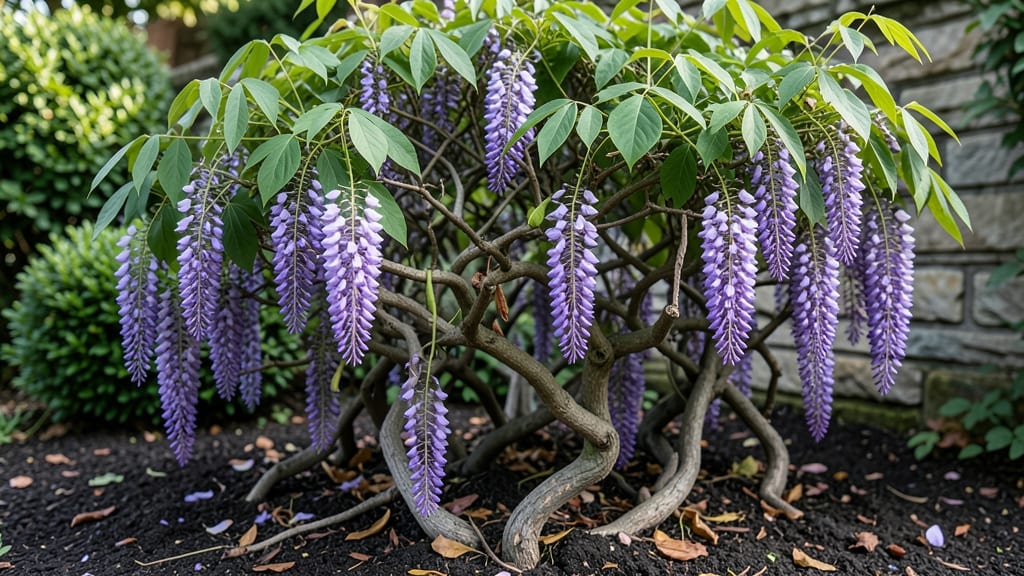
Nothing beats the sight of a tree bursting with purple cluster flowers that turn heads all season long. 🌿 I’ve always loved how these trees transform a yard from ordinary to extraordinary—like the first time I saw a Jacaranda’s lavender clouds in spring.
The drama isn’t just in the blooms but in how they pair with other plants, creating a showstopper landscape.
These trees thrive in warm climates but can also adapt with proper care—think full sun, well-draining soil, and occasional pruning to shape their growth. Jacarandas need space to spread, while Royal Paulownia grows fast and loves a little more shade.
The key is matching the right tree to your yard’s light and space.
Imagine a backyard where purple clusters cascade over arbors, frame patios, or stand tall as a focal point. Pair them with silver-blue foliage or soft pink blooms for contrast, and you’ve got a garden that feels like a masterpiece.
The best part? They keep the show going from spring to summer.
Whether you’re planting for shade, beauty, or both, these trees deliver year after year. Let’s pick the perfect one for your space and style—your garden’s about to get an upgrade.
📚 In This Guide
- What you need
- Instructions
- Tips and common mistakes
- Wrapping up and next steps
What you need
- ● Tree Selection: 1 Callistemon (Bottlebrush) or Cercis canadensis (Eastern Redbud) sapling (purple-flowering variety)
- ● OR Purple cluster flower seeds (e.g., Lagerstroemia indica ‘Natchez’)
- ● Soil & Amendments: 5–10 gallons of well-draining potting mix (for containers) or native soil (for ground planting)
- ● 1–2 cups of compost or aged manure (for nutrient boost)
- ○ Optional: Perlite or sand (to improve drainage)
- ● Planting Supplies: 1 garden trowel or shovel
- ● 1 watering can (1–2 gallons) or hose with gentle nozzle
- ● 1 roll of mulch (2–3 inches thick, organic like pine straw)
- ● Fertilizer: 1 balanced slow-release fertilizer (10-10-10 or 20-20-20, 1 lb per tree)
- ○ Optional: Epsom salt (1 tbsp per gallon of water, for magnesium)
- ● 1 pruning shears (for shaping or deadheading)
- ● 1 tree stake (if planting in windy areas)
- ● 1 pH testing kit (to check soil acidity, ideal: 6.0–7.0)
- ● 1 tree guard or protective barrier (to deter pests)
- ● 1 drip irrigation system (for consistent moisture)
Step-by-Step guide to planting and caring for a purple cluster flower tree
Here's how to get stunning seasonal color and lush foliage from your new tree.
🌱 Step 1: Choose the Perfect Planting Location
Select a site with full sun exposure (6-8 hours daily)—this is critical for vibrant blooms. The purple cluster flower tree thrives in well-draining soil with a slightly acidic to neutral pH (6.0-7.0). Avoid low spots where water pools, as soggy roots lead to root rot and weak growth.
I always dig a hole twice as wide as the root ball but only as deep as the container's base. This prevents burying the trunk too deeply, which can suffocate the tree. Loosen the sides of the hole with a shovel to help roots spread into surrounding soil.
🪴 Step 2: Prepare the Soil and Plant with Care
Mix the native soil with 2-3 inches of compost in the bottom of the hole to give roots a nutrient boost right away. Gently remove the tree from its container and tease apart any circling roots—this encourages outward growth instead of girdling.
Place the tree in the hole so the top of the root ball sits 1-2 inches above ground level. Fill the hole with soil, pressing lightly to eliminate air pockets but not compacting too firmly. Water deeply to settle the soil and remove the planting container.
☀️ Step 3: Establish Proper Watering and Light Routines
Water deeply 2-3 times per week for the first month, keeping the soil 2-3 inches moist but never soggy. You'll know it's right when water drains through the bottom of the hole within 30 minutes—this prevents waterlogging.
Mulch around the base with 2-3 inches of organic mulch, keeping it 6 inches away from the trunk to prevent rot. This conserves moisture, regulates soil temperature, and suppresses weeds—just remember to refresh the mulch annually as it breaks down.
✂️ Step 4: Prune for Health and Shape After Flowering
Wait until late winter or early spring before pruning to avoid cutting off potential blooms. Remove any dead, diseased, or crossing branches first, then shape the tree by cutting back 1/3 of the previous year's growth to encourage bushier growth.
Use clean, sharp pruners to make cuts just above a bud or branch collar. Avoid leaving stubs—this prevents disease entry points. You'll see new growth emerge within 4-6 weeks, signaling your tree is recovering well.
Tips & tricks for perfect purple cluster flower tree planting
Between us, planting success starts with the little details that make all the difference. These are the tricks I wish I'd known when I first planted mine.
Location Scout Like a Pro: Don't just eyeball that sunny spot—test it first! Use a solar tracker app for a few days to confirm you're getting the full 6-8 hours of direct sunlight the tree needs. I learned this the hard way when my first tree's blooms faded because it was getting afternoon shade from a neighbor's fence. Trust me, that's 6-8 hours of disappointment you can avoid.
Soil Prep Secret: The 2-3 inches of compost in Step 2 isn't just about nutrients—it's about creating the perfect drainage. I always mix in a handful of perlite or coarse sand to that compost to prevent compaction. This mimics the tree's natural habitat and prevents those dreaded waterlogged roots that lead to root rot. Think of it as building a drainage highway for your tree's roots.
Watering Wisdom: That 30-minute drainage test in Step 3 is your golden rule. If water pools longer than that, you're in trouble. I keep a small trowel handy to check drainage depth—if water reaches 4 inches down, it's time to amend that soil. And here's what nobody tells you: water in the morning so any excess has time to evaporate before nightfall, keeping roots happy and healthy.
Pruning Precision: When you're cutting back that 1/3 of last year's growth in Step 4, make your cuts at a 45-degree angle just above an outward-facing bud. I use a small white-out marker to mark my cuts before I prune—it helps me visualize where the new growth will emerge. This simple trick has cut my pruning time in half while keeping the tree looking its best.
Pro Tips for Tree With Purple Cluster Flowers
- Between us, planting success starts with the little details that make all the difference.
- Location Scout Like a Pro: Don't just eyeball that sunny spot—test it first!
- Soil Prep Secret: The 2-3 inches of compost in Step 2 isn't just about nutrients—it's about creating the perfect drainage.
Frequently asked questions
Got questions about your stunning purple cluster flower tree? You’re not alone! Here are answers to the most common queries—from care tips to troubleshooting—so you can keep those vibrant blooms thriving year after year.
What’s the best time to plant a purple cluster flower tree?
Plant in early spring or fall when temperatures are mild (50–70°F). Avoid extreme heat or frost, which can stress young roots. If planting in containers, use well-draining soil and water thoroughly after transplanting. Pro tip: Amend the soil with compost for richer nutrients!
How long does it take for a purple cluster flower tree to bloom?
Most varieties bloom within 2–5 years of planting, depending on age, care, and climate. Young trees may produce sparse flowers; prune lightly in late winter to encourage fuller blooms. Patience pays off—once established, they’ll reward you with dramatic clusters for decades!
Can purple cluster flower trees survive cold winters?
It depends on the variety! Hardy types (like Callistemon or Lagerstroemia) tolerate 10–20°F, while tropical species need winter protection (mulch, burlap wraps). Check your zone—most thrive in USDA Zones 7–10. If unsure, ask a local nursery for cold-resistant cultivars.
Why aren’t my purple flowers blooming as expected?
Common culprits: over-fertilizing (too much nitrogen = leafy growth, few flowers), poor sunlight (6+ hours of sun is ideal), or stress (drought/root bound). Try balanced fertilizer (low nitrogen) in early spring and prune dead branches. If the issue persists, check for pests like aphids or fungal spots.
What’s a great alternative if I can’t grow a purple cluster tree?
Consider these low-maintenance, purple-blooming stars:
- Butterfly Bush (Buddleia) – Fragrant, attracts pollinators, zones 5–9.
- Crape Myrtle (Lagerstroemia) – Drought-tolerant, long-lasting blooms, zones 7–9.
- Weigela – Fast-growing, vibrant clusters, zones 4–8.
Wrapping up and next steps
Transforming your garden with a tree adorned in stunning purple cluster flowers isn’t just about aesthetics—it’s about creating a vibrant, year-round spectacle that delights the senses and boosts curb appeal.
Whether you’re drawn to the Lagerstroemia (crepe myrtle) or the Cercis canadensis (eastern redbud), these trees offer low-maintenance elegance with high-impact rewards. 🌸
Ready to take the next step? Start by researching the best variety for your climate and soil, then visit a local nursery to see (and smell!) the blooms in person. With a little planning, you’ll soon be the envy of the neighborhood—one purple cluster at a time!