
Trees
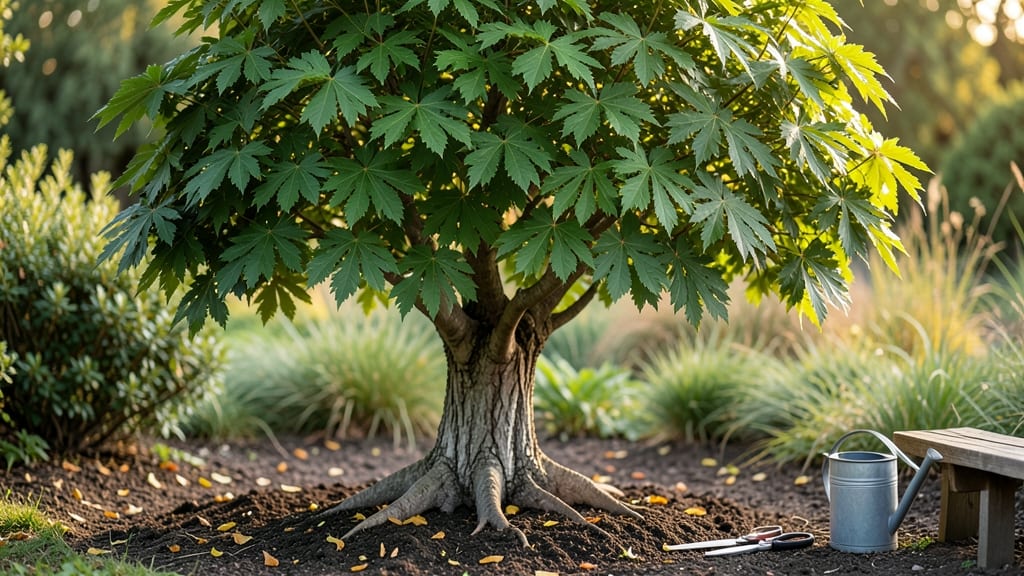
Those Tree of Heaven leaves smell like burnt peanut butter and signal a serious problem in your yard. 🌳 I’ve wrestled with this invasive tree’s toxic foliage, and the first step is recognizing the damage—yellowing, curling, or holes from pests like spider mites or fungal infections.
The plant itself is aggressive, spreading roots and seeds that choke out native species.
Once you identify the issue, you’ll need heavy-duty gloves, a pruning saw, and a plan for removal—this tree doesn’t surrender easily. Cutting stumps properly and monitoring regrowth is key, or you’ll be back at square one in no time.
The goal isn’t just cosmetic; it’s protecting your garden’s health and stopping this tree’s spread.
📚 In This Guide
- What you need
- Instructions
- Tips and common mistakes
- Wrapping up and next steps
What you need
- ● Safety gear: Nitrile or latex gloves (2–3 pairs)
- ● Safety goggles (1)
- ● Long-sleeved shirt and pants (1 set)
- ● Dust mask or respirator (rated for organic dust, 1)
- ● Identification tools: Magnifying glass (1, 10x magnification recommended)
- ● Field guide or smartphone app for plant ID (e.g., iNaturalist or PictureThis)
- ● Small plastic bag or container (1, for leaf samples)
- ● Removal tools: Pruning shears (1, bypass-style for clean cuts)
- ● Loppers (1, for thicker branches, 20–24" reach)
- ● Shovel or mattock (1, for root removal if needed)
- ● Heavy-duty trash bags (2–3, 30-gallon size)
- ● Wheelbarrow or tarp (1, for debris transport)
- ● Cleanup supplies: Disposable wipes or paper towels (1 pack)
- ● Rubbing alcohol (1 small bottle, 70% isopropyl)
- ● Garden kneeler or pad (1, for comfort during removal)
- ● Post-hole digger (1, if targeting deep roots)
- ● Herbicide (e.g., triclopyr-based, if chemical treatment is needed—check local regulations)
- ● Camera (1, to document progress or before/after shots)
- ● Earplugs (1 pair, if using loud tools like a chainsaw)
How to identify and remove toxic tree of heaven leaves safely
Here's what I've learned after dealing with these invasive plants—how to spot them and remove them without spreading seeds.
🌿 Step 1: Confirm Positive Identification
Tree of heaven leaves are compound, with 7-13 leaflets arranged in pairs along a central stem. The leaflets are toothed and oval-shaped, and the plant emits a strong, unpleasant odor when crushed—like rotting peaches or turpentine. Compare your plant to known samples or use a field guide, because misidentifying it could lead to using the wrong removal method.
Look for the bark too: young trees have smooth, grayish bark that develops deep furrows as they age. The tree often grows in clusters, with multiple trunks emerging from the same base. If you're unsure, snap a photo and compare it to verified images online before proceeding with removal.
✂️ Step 2: Gather Removal Tools and Safety Gear
You'll need pruning shears or a chainsaw for larger stems, heavy-duty gloves, long sleeves and pants, and eye protection. Tree of heaven sap can irritate skin, and the leaves contain toxins that shouldn't be inhaled. I always work on a clear day when wind is minimal to avoid spreading seeds or sap unintentionally.
Lay down tarps or heavy plastic around the base of the tree to catch falling leaves and debris. This makes cleanup easier and prevents seeds from spreading to new areas. If you're working near other plants, cover them too—tree of heaven roots can spread aggressively and outcompete natives.
🌱 Step 3: Cut and Remove the Tree Properly
For small trees, cut the trunk 2-3 inches above ground level using your pruning shears or chainsaw. Avoid leaving stumps, as new shoots will sprout from them. For larger trees, you may need to hire a professional, but always cut as close to the base as possible. The goal is to remove the entire root system to prevent regrowth.
After cutting, immediately bag all plant material—including leaves, branches, and roots—in thick plastic bags. Seal them tightly and dispose of them at a landfill or through a municipal green waste program. Never compost tree of heaven material, as the seeds can remain viable for years and spread through compost piles.
💧 Step 4: Treat the Soil to Prevent Regrowth
Tree of heaven roots can release allelopathic chemicals that inhibit other plants, but they also regrow vigorously from root fragments. To prevent this, apply a 2-3 inch layer of landscape fabric or cardboard over the area where the tree was removed. Cover this with 4-6 inches of mulch to smother any remaining roots and prevent new shoots.
For stubborn regrowth, consider applying a herbicide labeled for invasive trees directly to any new shoots that appear. Follow the label instructions carefully, and avoid applying it to desirable plants. I've found that vinegar-based herbicides work well for small shoots, but larger regrowth may require a stronger solution.
🌱 Step 5: Monitor and Maintain the Area
Check the removal site weekly for the first month, then monthly for the next year. New shoots can appear unexpectedly, especially if roots were missed during removal. Pull any regrowth immediately—don't let it develop leaves, as this increases the chance of seed production.
If you notice new tree of heaven plants sprouting nearby, dig them out by hand as soon as possible. The younger the plant, the easier it is to remove completely. Over time, the area should recover, and native plants will be able to establish themselves without competition from this invasive species.
Tips & tricks for safe tree of heaven leaf removal
Here's what nobody tells you about tackling these invasive plants—mistakes that'll cost you hours of backtracking and how to avoid them.
Identification Double-Check: I learned this the hard way after trying to remove what I thought was a tree of heaven—turns out it was a native hickory. The key difference? Tree of heaven leaves have 7-13 leaflets (always an odd number), while hickory leaves have 7-23 leaflets (sometimes even). Snap a photo and compare with verified images before you start cutting. That rotten peach smell when crushed is your best friend for confirmation.
Safety Gear Upgrade: The instructions mention gloves and eye protection, but I recommend adding a dust mask or respirator too—those fine leaf particles can irritate lungs. I also keep a small bottle of rubbing alcohol handy to wipe down tools after handling sap, which can cause skin irritation. Trust me on this: the last thing you want is a chemical burn while you're already dealing with an invasive plant.
Root Removal Secret: When cutting the trunk in Step 3, don't just stop at 2-3 inches above ground. Use a shovel to dig down 6-12 inches around the base and cut any visible roots you find. I've seen regrowth from roots that weren't fully removed—they can extend 3 feet wide from the trunk. For stubborn roots, a root saw or even a pickaxe might be necessary. The goal is to remove as much of the root system as possible to prevent future sprouts.
Herbicide Strategy: If you choose to use herbicide for regrowth in Step 4, I've found that glyphosate-based products work best when applied directly to cut stumps or new shoots. The key is to apply it on a warm, sunny day—the plant absorbs the herbicide better when it's actively growing. For small shoots, a vinegar and dish soap mix (1 gallon vinegar + 1 oz dish soap) can be effective if applied directly to the leaves. Just be cautious—this won't kill roots but will prevent seed production if applied early.
Pro Tips for Tree Of Heaven Leaves
- Here's what nobody tells you about tackling these invasive plants—mistakes that'll cost you hours of backtracking and...
- Identification Double-Check: I learned this the hard way after trying to remove what I thought was a tree of heaven—t...
- Safety Gear Upgrade: The instructions mention gloves and eye protection, but I recommend adding a dust mask or respir...
Frequently asked questions
Got questions about Tree of Heaven leaves and how to handle them?
You’re not alone! Here are some of the most common concerns—and practical answers—to help you stay informed and safe.
Are Tree of Heaven leaves poisonous to humans or pets?
The leaves themselves aren’t highly toxic to humans, but they can cause mild skin irritation or stomach upset if ingested in large amounts. However, all parts of the tree—especially the sap and roots—contain toxic compounds like ailanthone, which can be harmful to pets (like dogs) if chewed. Keep pets and kids away from the tree, and avoid burning the leaves, as smoke can irritate lungs.
How do I tell Tree of Heaven leaves apart from other similar-looking trees?
Tree of Heaven leaves (Ailanthus altissima) are compound (7–13 leaflets per stem) with a distinctive foul odor when crushed—like rotting peanuts or urine. Compare them to sumac (toothed edges, red berries) or ash trees (opposite branching, smoother leaves). Pro tip: Look for spiky seed pods (samaras) in summer or orange-brown bark with vertical streaks.
Can I safely compost Tree of Heaven leaves?
No—never compost Tree of Heaven leaves or clippings! The toxic compounds persist and can spread to your soil, helping the tree regrow. Instead, bag them for landfill disposal or check local regulations for special waste programs. If you’re removing the tree entirely, consider burning only in approved burn pits (with proper permits) to avoid airborne toxins.
What’s the best time of year to remove Tree of Heaven?
The ideal window is late fall to early spring (), when the tree is dormant and sap flow is minimal. This makes removal easier and reduces regrowth risks. Avoid summer—active growth means faster sap bleeding and higher toxicity. For large trees, hire a professional with herbicide treatment (like triclopyr) to kill roots completely.
What are some non-toxic alternatives to Tree of Heaven for landscaping?
If you’re replacing it, opt for native trees that don’t spread aggressively or produce toxins. Great substitutes:
- Black Walnut () – Adds value, but avoid planting near veggie gardens (allelopathic roots).
- Eastern Redbud () – Beautiful spring blooms, non-invasive.
- Serviceberry () – Edible berries, supports wildlife.
- Hackberry () – Tolerates urban pollution, low-maintenance.
Always research local climate compatibility!
Why does Tree of Heaven keep coming back after cutting?
This invasive tree regrows from roots and stumps if not treated properly. To stop it:
- Cut stumps low (2–3 inches above ground) and apply copper sulfate or vinegar to kill the cambium.
- Solarize roots by covering the area with black plastic for 6+ weeks in summer.
- Use herbicide (glyphosate or triclopyr) on fresh cuts and roots—repeat annually for 3+ years.
Patience is key—consistency wins!
Wrapping up and next steps
Identifying and managing Tree of Heaven leaves is key to protecting your property and health—this invasive species can spread quickly and pose risks if mishandled. Now that you’re armed with the right tools, knowledge, and safety tips, you’re ready to take action!
Start by inspecting your yard for early signs of growth, and if needed, remove the tree safely using the methods outlined above. 🌱 Stay vigilant—early intervention prevents bigger headaches later!
Got more questions? Join local gardening forums or consult a certified arborist for personalized advice. Together, we can keep invasive species in check! 💪