
Pruning
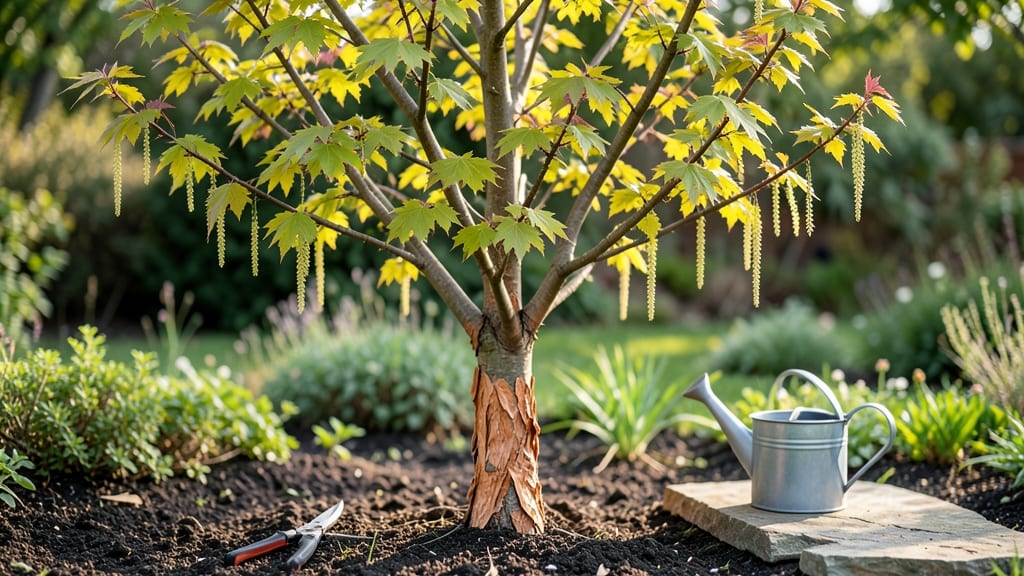
The Tiger Eye flowering maple tree transforms any yard into a living work of art with its velvety foliage and fiery blooms. 🌿 I remember the first time I saw one—its deep green leaves edged in gold and copper, paired with bell-shaped flowers that glow like sunset flames.
This isn’t just a plant; it’s a statement piece that thrives in containers or garden beds with minimal fuss.
Pruning keeps it lush and encourages those vibrant blooms year-round. The key is timing: light trims after flowering and a more structured cutback in early spring. My tree now produces more flowers than leaves, and the shape stays compact enough to fit even small patios.
The secret? Never let it get leggy—prune back to strong growth points, and you’ll reward yourself with a bush that looks like it belongs in a botanical garden.
What you’ll end up with is a tree that stays healthy, colorful, and full through all four seasons. The foliage shifts from gold to deep green as temperatures change, and the flowers keep coming if you prune correctly.
Even in winter, the structure remains striking—no bare branches here. This isn’t just maintenance; it’s sculpting a living masterpiece.
Works for beginners and advanced gardeners alike, whether you’re shaping a single container plant or training a small tree. The techniques scale, and the payoff is instant: more blooms, better shape, and a plant that turns heads. Let’s get those shears ready—your Tiger Eye is waiting for its next transformation.
📚 In This Guide
- What you need
- Instructions
- Tips and common mistakes
- Wrapping up and next steps
What you need
- ● Pruning shears: Bypass pruners (sharp, 6–8" blades) for small branches (¼"–¾" thick). Pro tip: 💡 Sanitize blades with rubbing alcohol before use!
- ● Loppers: For medium branches (¾"–2" thick). Look for bypass-style loppers with a 10–12" cutting range.
- ● Pruning saw: For thick branches (2"+). A curved-tooth saw prevents tear-out in hardwood.
- ● Gloves: Heavy-duty, cut-resistant gloves (e.g., Mechanix or pruning-specific) to protect your hands.
- ● Disposable pruning bags: 2–3 large bags (15–20 gallons) to collect debris and prevent disease spread.
- ● Ladder or extension pole: Sturdy, 12–16 ft tall, with a non-slip base (or a pole saw for high branches).
- ○ Sealing wax or pruning paint: (Optional but helpful) For sealing large cuts (>½") to prevent disease.
- ● Weather check: Prune on a dry, calm day (avoid rain for 24 hours before/after to prevent fungal growth).
- ● Safety gear: Safety glasses, long sleeves, and closed-toe shoes.
- ● Tree health assessment: Inspect the tree for pests/diseases (e.g., tar spot or aphids) before pruning.
- ● Maple sap awareness: Avoid pruning in late winter/early spring (sap flow is heavy—it can clog tools!).
- ● Handheld leaf blower for quick cleanup.
- ● Tree growth regulator (e.g., Bonide Fungicide) if the tree is prone to issues.
- ● Notebook and pencil to track pruning notes (e.g., branch sizes, directions).
Step-by-Step pruning guide for Tiger Eye flowering maple trees
Here's how to keep your tree thriving with clean, seasonal cuts.
✂️ Step 1: Prune in Late Winter Before Bud Break
Timing matters most for flowering maples. Wait until the tree is fully dormant but just before buds swell—typically mid-to-late February in most climates. This ensures you remove dead wood without sacrificing next season's flowers. Look for brown, brittle branches that snap easily when bent—they're ready to go.
Use sharp, clean bypass pruners to make cuts just outside the branch collar (the swollen area where the branch meets the trunk). Avoid tearing the bark—this invites disease. I always make a slight upward angle on the cut to prevent water from pooling.
Start with 30% of the tree's total volume if it's overgrown. Remove only branches that are dead, crossing, or rubbing against others. Never remove more than 25% in a single session—this stresses the tree and can reduce flowering.
🌿 Step 2: Thin the Canopy for Airflow in Early Spring
Once new leaves emerge in early April, focus on thinning the canopy to improve airflow and sunlight penetration. Remove branches that grow inward or downward—they create dense pockets where diseases like powdery mildew thrive. Aim to open the center of the tree so light reaches all branches.
For larger branches over ½ inch thick, use loppers and make your cuts at the branch collar. For smaller branches, clean pruners work fine. Step back frequently to visualize the tree's shape—your goal is an open, vase-like structure that showcases the vibrant foliage.
Watch for water sprouts (fast-growing vertical shoots) and remove them completely. These steal energy from flowering and weaken the tree's structure. I like to prune these as soon as I spot them in spring—they grow aggressively.
☀️ Step 3: Light Summer Maintenance for Flowering Health
After the initial spring pruning, your focus shifts to light maintenance during the growing season. Remove any dead, diseased, or damaged branches immediately—they spread problems fast. Look for branches with yellowing leaves or mushroom-like growths at the base (a sign of fungal infection).
Deadhead spent flowers in late June to encourage a second flush of blooms. Simply pinch off flower clusters just above a set of leaves. This redirection of energy often produces more vibrant fall foliage too. Avoid heavy pruning now—it stresses the tree when it's actively growing.
If you notice suckers (shoots growing from the base), remove them promptly. These compete with the main tree for nutrients. Use clean pruners and make the cut at ground level to prevent regrowth.
⏰ Step 4: Final Cleanup in Late Fall
Once leaves begin turning color in October, do a final cleanup to prepare for winter. Remove all fallen leaves from the base of the tree—they harbor pests and diseases over winter. Rake them into a compost pile or dispose of them in yard waste.
Inspect the tree for cankers (sunken, dead areas on the bark) and prune them out completely. Sterilize your pruners with rubbing alcohol between cuts to prevent spreading disease. Seal any large wounds over 2 inches wide with pruning sealant to protect against winter sunscald.
This is also the time to fertilize lightly if your soil test shows deficiencies. A balanced 10-10-10 fertilizer applied in early fall gives roots time to establish before winter. Water deeply afterward to help nutrients absorb.
Tips & tricks for pruning Tiger Eye flowering maple trees
These simple strategies will help you keep your Tiger Eye Maple looking stunning year after year without stressing the tree.
Timing is Everything: The mid-to-late February window in Step 1 is critical because it allows the tree to heal before bud break. I've learned the hard way that pruning too early can expose fresh cuts to late frosts, while waiting too long risks removing next year's flower buds. Check for swollen buds—if they're still tight, you're good to go.
Branch Collar Precision: When making cuts in Step 1 and Step 2, focus on the branch collar—the swollen area where the branch meets the trunk. I use a small paint mark to visualize where to cut before making the actual cut. This prevents tearing and ensures proper healing. Remember, the slight upward angle you create helps water run off rather than pool at the wound.
Visualizing the Canopy: Step back frequently during Step 2 to visualize the tree's shape. I often walk around the tree while holding my pruners to get a 360-degree view. This helps me spot branches that might be hidden from one angle. Your goal should be an open, vase-like structure that allows sunlight to reach all branches evenly.
Seasonal Maintenance Checklist: Create a simple checklist for each season based on the four steps. For example, in late June, mark "deadhead spent flowers" and "remove suckers" from your list. This keeps you organized and ensures you don't miss any critical maintenance tasks that could affect flowering or health.
Pro Tips for Tiger Eye Flowering Maple Tree
- These simple strategies will help you keep your Tiger Eye Maple looking stunning year after year without stressing the tree.
- Timing is Everything: The mid-to-late February window in Step 1 is critical because it allows the tree to heal before bud break.
- Branch Collar Precision: When making cuts in Step 1 and Step 2, focus on the branch collar—the swollen area where the branch meets the trunk.
Frequently asked questions
about the Tiger Eye Flowering Maple Tree pruning process—because every gardener deserves clarity! Here are answers to the most common queries to keep your tree thriving year-round.When is the best time to prune a Tiger Eye Flowering Maple?
The ideal time is late winter or early spring (before buds swell) to avoid stressing the tree. Avoid pruning in fall or during extreme weather, as it can encourage disease or pest issues. Pro tip: If you must prune in summer, do it early morning to reduce water loss.
How much can I trim without harming the tree?
Remove no more than 25% of the canopy at once—this prevents shock and promotes healthy regrowth. Focus on dead, diseased, or crossing branches first, then thin out dense areas. Pro tip: Smaller, frequent prunings are better than one heavy cut!
Why is my Tiger Eye Maple bleeding sap after pruning?
This is normal! Maple trees ooze sap when cut, especially in warm weather. To minimize mess, prune on cooler days (below 60°F) or use sealing pruning paint on large cuts. The bleeding slows after a few days—just clean up the sap with water and vinegar.
Can I grow a Tiger Eye Maple from a cutting?
While possible, it’s challenging—maples root poorly from cuttings. Instead, buy a young tree or root from a hardwood cutting in late winter (use rooting hormone for best results). Pro tip: Layering (bending a low branch to root) has a higher success rate!
What should I do if my tree develops yellow leaves after pruning?
Yellowing leaves can signal stress, over-pruning, or disease. Check for powdery mildew or aphids (common in maples). If the tree is otherwise healthy, it may just be adjusting—fertilize lightly in spring. Pro tip: Avoid pruning during wet weather to prevent fungal issues!
| Quick Fixes for Common Issues |
|---|
| Sap Bleeding: Prune in cooler weather or seal cuts. |
| Slow Growth: Test soil pH (maples prefer 6.0–7.0) and amend if needed. |
| Pests: Spray with neem oil or introduce beneficial insects like ladybugs. |
Wrapping up and next steps
The Tiger Eye Flowering Maple is a stunning addition to any landscape, but its year-round health depends on thoughtful pruning. By mastering the right techniques—like timing, tool selection, and strategic cuts—you’ll keep its vibrant foliage and iconic blooms thriving.
Remember, patience and precision are key, so don’t rush the process!
Ready to elevate your tree’s beauty? Grab your tools and schedule that first trim this season! Your Tiger Eye Maple will thank you with lush, eye-catching growth for years to come. 🌿✨