
Pruning
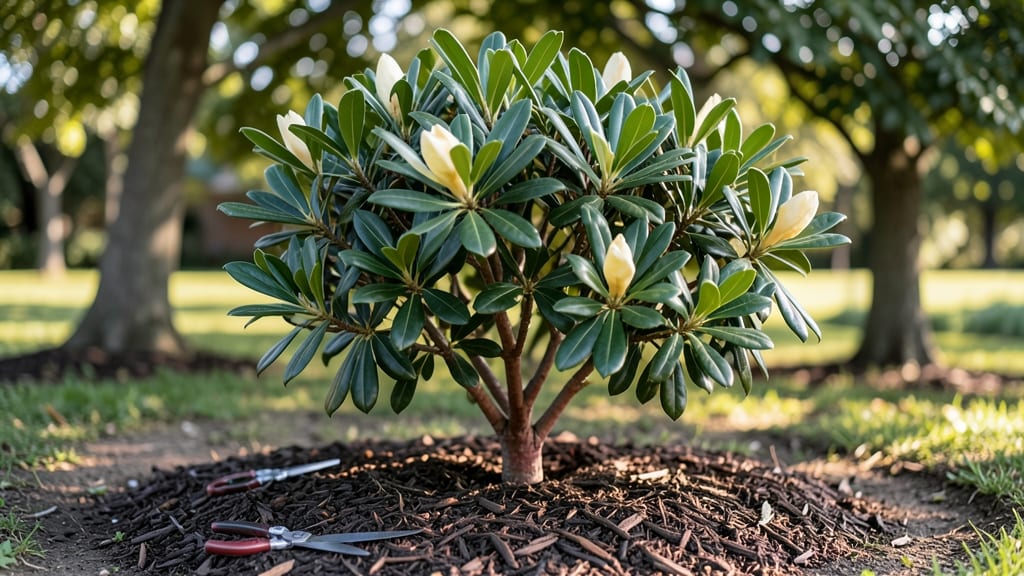
The sweetbay magnolia tree thrives when you prune it strategically—just four well-timed cuts keep it lush and blooming for decades. I’ve pruned mine every year since planting, and the difference in growth and flower production is night and day.
The key isn’t aggressive trimming but understanding when and why to shape it. Most gardeners over-prune, which stresses the tree and reduces blooms, but a few simple cuts in the right seasons encourage healthy, vigorous growth.
You’ll need just a few tools: sharp pruning shears for small branches, loppers for thicker stems, and rubbing alcohol to sterilize cuts (prevents disease). The best time to prune is late winter to early spring before new growth starts, but you can also do light shaping after blooming.
Avoid heavy pruning in summer or fall, as that can stunt next year’s flowers. My tree now produces more blooms than ever because I’ve learned to work with its natural shape rather than against it.
What you’ll achieve is a tree that looks effortlessly elegant while staying strong and productive. The blooms arrive earlier, the foliage stays dense, and you avoid the common pitfall of over-pruning that turns magnolias into sad, leggy shadows of themselves.
With these four cuts, you’ll preserve the tree’s graceful form while encouraging healthier branches and more abundant flowers every season.
This method works year-round, whether you’re maintaining an established tree or shaping a young sapling. The principles stay the same—just adjust timing and intensity based on the season. Let’s get those shears ready and transform your sweetbay into a showstopper.
📚 In This Guide
- What you need
- Instructions
- Tips and common mistakes
- Wrapping up and next steps
What you need
- ● Pruning shears: Sharp, bypass-pruners (4-6 inches) for small branches (🌱). Opt for high-quality stainless steel to prevent rust.
- ● Loppers: 8-10 inch loppers for thicker branches (up to 2 inches in diameter). Look for ratchet-style for extra leverage.
- ● Pruning saw: A curved-tooth pruning saw for branches over 2 inches thick. Avoid cheap saws—they can splinter wood.
- ● Extension pole: A 6-10 ft telescoping pole with a saw attachment for high branches (🌳). Extends your reach safely!
- ● Work gloves: Heavy-duty, cut-resistant gloves to protect hands from thorns and sharp edges.
- ● Safety goggles: Protect your eyes from debris (especially when sawing).
- ○ Ladder (optional): A sturdy, non-slip ladder (e.g., aluminum or fiberglass) if branches are too high for a pole.
- ● Disinfectant: 70% isopropyl alcohol or a pruning sealant (e.g., Tanglefoot Tree Wound Pruning Seal) to sterilize tools and prevent disease.
- ● Rubbing alcohol or bleach solution: 1 part bleach to 9 parts water for cleaning tools between cuts.
- ● Trash bags: Heavy-duty bags (10+ gallon size) for collecting pruned branches and debris.
- ● Sharpie or pruning marker: To label branches if you’re making strategic cuts (e.g., "Remove in Spring").
- ○ Tree wound dressing (optional): While not recommended for magnolias (they heal naturally), some gardeners use pruning paste for large cuts over 2 inches.
- ● Weather check: Prune on a dry, calm day (avoid wind or rain). Early morning or late afternoon is ideal.
- ● Safety first: Wear closed-toe shoes and avoid loose clothing. Clear the area of pets/kids.
- ● Tree health assessment: Inspect the tree for diseased or dead branches (they’ll snap easily).
- ● Plan your cuts: Sketch a rough map of the tree’s structure to visualize your pruning goals.
How to prune a sweetbay magnolia for year-round vitality
This four-season approach keeps your tree thriving while avoiding common pruning mistakes that stress magnolias.
✂️ Step 1: Late Winter Cleanup (February-March)
Start by removing any dead, diseased, or crossing branches with clean, sharp pruners. The tree is still dormant, so it won't bleed sap excessively. Look for branches that rub against each other or grow inward—they create weak points and invite disease. Cut back to the branch collar, the swollen area where the branch meets the trunk, never leaving a stub.
This is also the time to thin out overly dense growth. Sweetbay magnolias naturally grow with a vase-like shape, so aim to maintain that open structure. Remove no more than 25% of the tree's total branches in this first cut—less is always better with magnolias. You'll see fresh, green buds forming along the remaining branches as spring approaches.
✂️ Step 2: Post-Bloom Light Pruning (May-June)
Wait until after the tree finishes flowering to prune again. The blooms appear on old wood, so cutting back too early removes next year's flower buds. Once the flowers have fallen completely, use pruning shears to shape the tree by shortening last year's growth by about one-third. Focus on branches that are growing too long or spoiling the tree's natural form.
Here's the thing—sweetbay magnolias respond well to gentle shaping. Avoid heavy pruning that would stimulate excessive new growth, which can look messy. Instead, make small cuts to encourage a more balanced silhouette. You'll notice new shoots emerging from the cut areas within a few weeks, signaling the tree is healing properly.
✂️ Step 3: Summer Maintenance (July-August)
During the growing season, remove any suckers that sprout at the base of the tree. These compete with the main trunk for nutrients and weaken the tree's structure. Use pruners to cut them off at ground level. Also, trim any branches that are growing in directions that disrupt the tree's natural shape or are obstructing walkways.
This is the time to address any water sprouts—fast-growing, vertical shoots that appear along branches. While they might look vigorous, they drain energy from the tree. Cut them back to a lateral bud or side branch. Keep your cuts precise and angled just above the bud. The goal is to maintain the tree's health without overworking it during its peak growth phase.
✂️ Step 4: Fall Preparation (October-November)
In late fall, focus on removing any branches that have been damaged by storms, pests, or disease. The tree is preparing for dormancy, so this final cut helps it enter winter in the best possible condition. Prune out any branches that are dead or showing signs of fungal infection, such as blackened bark or oozing sap.
This is also the time to reduce the size of branches that have grown too large. Cut back to a strong lateral branch or bud, making sure your cuts are clean and smooth. Avoid heavy pruning that could stimulate new growth too late in the season. You'll see the tree's canopy looking more open and airy, which improves airflow and reduces the risk of fungal diseases during winter.
Tips & tricks for pruning sweetbay magnolias
Sweetbay magnolias reward patience—these four seasonal cuts keep them thriving for decades. Here's what I've learned after years of working with these elegant trees.
Tool Selection: Never use dull pruners—they tear bark and invite disease. Invest in high-quality bypass pruners for clean cuts, and keep a small pruning saw on hand for branches thicker than 1.5 inches. I always sterilize my tools with rubbing alcohol between cuts to prevent spreading pathogens, especially when dealing with diseased branches in Step 4.
Seasonal Timing is Everything: The four-season schedule in the instructions works because it aligns with the tree's natural cycles. In Step 1, the late winter dormancy means minimal sap flow, while Step 2's post-bloom timing preserves next year's flower buds. Remember that magnolias bloom on old wood—never prune before flowers fade completely. For Step 3, summer maintenance should be minimal; focus only on removing suckers and water sprouts that drain the tree's energy.
Branch Collar Technique: This is where most gardeners go wrong. When pruning in any season, always cut just outside the branch collar—the swollen area where the branch meets the trunk. Never leave stubs, which collect moisture and rot. For larger branches in Step 4, make the cut at a 45-degree angle about 1/8 inch outside the collar. The collar contains healing tissues that help the wound seal properly.
Post-Pruning Care: After each pruning session, especially during the growing seasons (Steps 2 and 3), apply a thin layer of tree wound sealant to larger cuts. While magnolias heal naturally, sealant prevents moisture loss and reduces the risk of fungal infections. Water the base thoroughly after pruning to help the tree recover. I've found that mulching around the tree's drip line (the outermost branches) with 2-3 inches of organic mulch helps maintain moisture and regulates soil temperature.
Pro Tips for Pruning Sweetbay Magnolia Tree
- Sweetbay magnolias reward patience—these four seasonal cuts keep them thriving for decades.
- Tool Selection: Never use dull pruners—they tear bark and invite disease.
- Seasonal Timing is Everything: The four-season schedule in the instructions works because it aligns with the tree's natural cycles.
Frequently asked questions
about pruning your Sweetbay Magnolia—because even the most beautiful trees need a little TLC! Here are answers to the most common queries to keep your tree thriving year-round.When is the best time to prune a Sweetbay Magnolia?
The ideal time is late winter to early spring (just before new growth starts) or summer after flowering. Avoid heavy pruning in fall—it can stimulate tender new growth that won’t survive winter. Light shaping in mild winters is fine, but never prune in extreme cold.
How often should I prune my Sweetbay Magnolia?
Prune once a year for maintenance, focusing on dead, diseased, or crossing branches. For shaping, a light trim every 2–3 years suffices. Over-pruning weakens the tree, so less is often more—especially for young or small specimens.
What if I prune at the wrong time? Can I fix it?
If you prune too late (e.g., fall or winter in cold climates), new growth may die back. Don’t panic! Prune lightly to remove only the most damaged branches, and focus on spring recovery. Avoid heavy cuts—your tree will bounce back with proper care.
Can I prune Sweetbay Magnolia in summer?
Yes! Summer pruning (after flowering) is great for light shaping or removing suckers. Just avoid heavy cuts—this can stress the tree. Water thoroughly after pruning, and prune on a cloudy day to reduce sunburn risk on fresh cuts.
What if my Sweetbay Magnolia isn’t blooming after pruning?
Blooms form on old wood, so avoid aggressive pruning of mature branches. If no flowers appear, check for:
- Age: Young trees (under 5 years) may not bloom yet.
- Location: Needs full sun to partial shade (6+ hours of light).
- Nutrients: Test soil pH (ideal: 5.0–6.0) and amend if needed.
Wrapping up and next steps
Pruning your Sweetbay Magnolia isn’t just about aesthetics—it’s a year-round ritual that keeps your tree thriving, blooming beautifully, and standing strong for decades. 🌿 By mastering the four key cuts (spring cleanup, summer shaping, fall preparation, and winter renewal), you’re not just trimming branches—you’re nurturing a healthier, more vibrant tree.
Whether you’re a seasoned gardener or just starting, every snip is a step toward a lush, low-maintenance landscape.
Ready to roll up your sleeves? Start small—pick one season’s technique to practice, then build your confidence. Before you know it, your Sweetbay Magnolia will be the star of your garden, blooming effortlessly and rewarding your care with stunning fragrance and foliage. Happy pruning! ✂️🌸