
Pruning
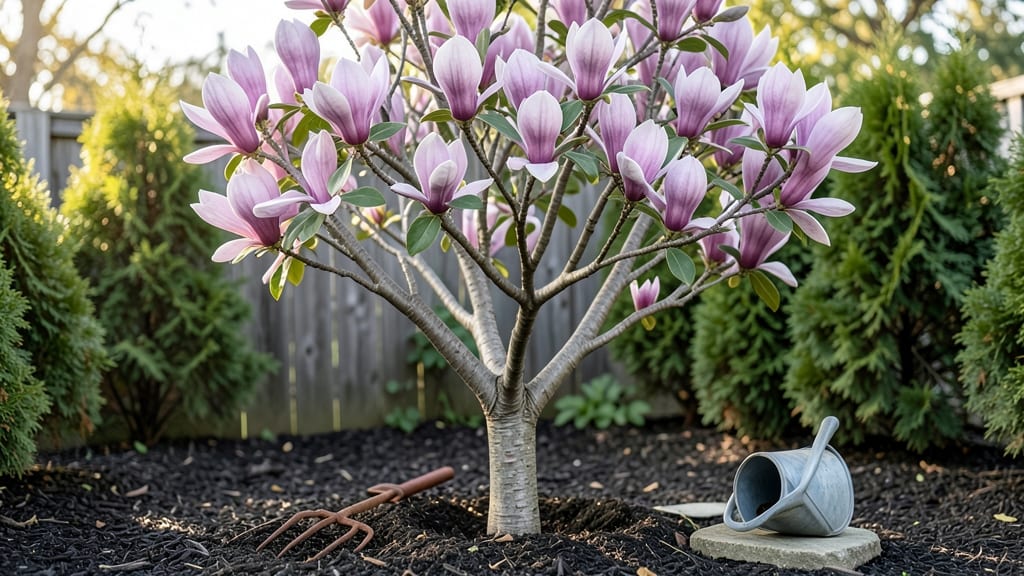
The Anne magnolia tree transforms any yard into a springtime masterpiece with its pink, tulip-shaped blooms that appear before the leaves. I’ve pruned mine for years, and I can tell you—this isn’t just about shaping branches.
It’s about unlocking healthier growth, more flowers, and a tree that thrives through all four seasons. The key? Timing, technique, and a little patience.
Most people wait until summer to prune, but that’s when you risk cutting off next year’s blooms. Instead, focus on late winter or early spring—right after the flowers fade but before new growth starts.
You’ll need sharp pruners, a ladder (for higher branches), and a clear day to see what you’re doing. The goal is simple: remove dead wood, thin crowded branches, and shape the tree to let light reach the center.
What you’ll end up with is a stronger, fuller magnolia that blooms like crazy year after year. The flowers stay vibrant longer, the branches stay sturdy, and you avoid those sad, leggy stems that ruin the look.
Plus, the tree becomes a showstopper in your landscape—neighbors will ask how you did it.
This works whether you’ve got a mature tree or a young sapling. The same principles apply, just scaled to size. Let’s get started—your magnolia’s best years are ahead!
📚 In This Guide
- What you need
- Instructions
- Tips and common mistakes
- Wrapping up and next steps
What you need
- ● Pruning shears: Bypass pruners (sharp, clean, and disinfected with rubbing alcohol; 5-7 inch blades for medium branches).
- ● Loppers: 8-10 inch bypass loppers for thicker branches (up to 2 inches in diameter).
- ● Pruning saw: Curved-tooth saw for branches over 2 inches thick (avoid bolt-cutters—they crush wood!).
- ● Gloves: Heavy-duty, cut-resistant gloves (e.g., Mechanix Wear or similar) to protect against thorns and rough bark.
- ● Disinfectant: 70% isopropyl alcohol or a 10% bleach solution (1 part bleach to 9 parts water) to sterilize tools between cuts and prevent disease.
- ○ Sealant (optional but recommended): Pruning sealant (e.g., Tanglefoot Tree Wound Pruning Seal) for large cuts to reduce sap loss and pest entry.
- ● Ladder or step stool: Sturdy, extension ladder (20+ feet if needed) or a foldable step stool for high branches (ensure it’s rated for your weight!).
- ● Heavy-duty trash bags: 13-gallon bags for collecting debris (magnolia leaves and branches can be heavy when wet!).
- ● Safety gear: Safety glasses (to shield from debris) and earplugs if using a chainsaw (not recommended for magnolias, but included for safety!).
- ● Hand pruners: Compact bypass pruners for small, precise cuts (great for shaping delicate branches).
- ● Pole pruner: Extendable pruners (10-12 feet) for high branches without a ladder.
- ● Garden hose: For rinsing tools and branches post-pruning (keeps sap off your skin and tools!).
- ● Notebook & pen: To map out cuts or track pruning progress over the seasons.
- ● Tree tie or zip ties: For securing branches if you’re doing major structural pruning.
- ● Compost bin: To recycle pruned branches and leaves (magnolia wood is great for compost!).
Step-by-step guide to pruning your Anne magnolia tree
Here's how to keep your magnolia thriving with seasonal pruning that boosts blooms and health.
Understand the Right Time for Each Season
Magnolias bloom on old wood, so timing matters. Prune immediately after flowering in late spring (May-June) to avoid cutting off next year's blooms. This is your main pruning window. Light shaping can happen in early summer, but avoid heavy cuts after mid-July—new growth won't harden before winter.
I always mark my calendar after the last bloom falls. The tree's energy shifts from flowers to foliage then, making it the perfect moment. If you miss spring, wait until late winter (just before buds swell) for structural pruning only—never in fall, as wounds won't heal before cold sets in.
Remove Dead, Diseased, or Weak Branches First
Start with sanitation. Use clean, sharp pruners to cut out any branches that are dead, broken, or crossing. Look for branches that rub against others—they'll create wounds where disease enters. I cut these back to the branch collar (the swollen area where the branch meets the trunk), never leaving a stub.
Next, remove branches growing straight up from the main trunk. These "water sprouts" compete for energy and rarely produce flowers. Thin out crowded areas to improve airflow—magnolias hate humid, stagnant conditions. If a branch is larger than ½ inch in diameter, use loppers and make the cut just outside the branch collar at a slight angle.
Shape the Tree for Balance and Light Penetration
Step back and assess the tree's shape. Anne magnolias naturally grow as multi-trunked shrubs, so I aim to maintain that open vase form. Remove branches that grow inward or downward—they block sunlight from reaching the center. The goal is to let light reach all branches, which encourages flowering.
For larger branches, make cuts just outside the branch collar at a 45-degree angle. Avoid leaving stubs or flush cuts against the trunk. If you're unsure where to cut, follow the branch's natural swell—this is where the tree's protective healing begins. Never remove more than 25% of the tree's foliage in one season, or you'll stress it.
Thin Out Overcrowded Areas for Airflow
Focus on the tree's interior where branches tangle. Select the smallest, weakest branches in crowded spots and remove them completely. This opens up the canopy so air circulates freely, reducing the risk of fungal diseases like powdery mildew. I like to work from the inside out—start where branches overlap and move outward.
Watch for "dominant shoots" that grow faster than others. These often steal energy from the rest of the tree. Prune them back to a lateral branch or bud to encourage a more balanced growth habit. After thinning, step back again—you should see light filtering through to the center of the tree.
Clean Up and Protect the Tree
After pruning, rake up and dispose of all clippings. Never leave them beneath the tree—they can harbor pests and diseases. I also sterilize my pruners with rubbing alcohol between cuts to prevent spreading pathogens. For larger wounds, apply a thin layer of tree wound pruning sealant to protect against infection.
Water the tree deeply after pruning to help it recover. Mulch around the base with 2-3 inches of organic mulch, keeping it several inches away from the trunk. This conserves moisture and regulates soil temperature. Avoid heavy pruning in drought conditions—the tree needs energy to heal, not to survive water stress.
Tips & tricks for pruning your Anne magnolia tree
Here's what I've learned after years of pruning my own Anne magnolia—these simple tricks make all the difference in keeping your tree healthy and blooming beautifully.
Timing is Everything: The late spring window (May-June) is your golden opportunity to prune after flowering, but don't wait too long. I've seen gardeners miss this and end up with fewer blooms the following year. If you absolutely must prune later, stick to structural adjustments in late winter—just make sure buds haven't started swelling yet. The tree's natural growth cycle is your best guide.
Tool Sharpness Matters: Dull pruners create jagged cuts that heal poorly and invite disease. I invest in high-quality bypass pruners and sharpen them before each pruning session. For branches larger than ½ inch, use loppers—never try to force small pruners. Clean tools between cuts with rubbing alcohol to prevent spreading pathogens from one branch to another. This simple step has saved my trees from multiple infections over the years.
Visualize the Tree's Future: Before making any cuts, step back and imagine how the tree will look after pruning. Anne magnolias naturally grow as multi-trunked shrubs, so aim to maintain that open vase shape. Remove branches that grow inward or downward—they're the ones blocking sunlight from reaching the center. I like to sketch a rough outline on paper first to visualize the final shape before touching my pruners to the tree.
Protective Measures After Pruning: After you've finished shaping, don't just walk away. Water the tree deeply to help it recover from the stress of pruning, and apply a thin layer of tree wound sealant to any larger cuts. I also add 2-3 inches of organic mulch around the base, keeping it several inches away from the trunk. This helps conserve moisture and regulates soil temperature—critical for healing. Avoid pruning during drought conditions, as the tree needs all its energy for recovery.
Pro Tips for Anne Magnolia Tree
- Here's what I've learned after years of pruning my own Anne magnolia—these simple tricks make all the difference in keeping your tree healthy and blooming beautifully.
- Timing is Everything: The late spring window (May-June) is your golden opportunity to prune after flowering, but don't wait too long.
- Tool Sharpness Matters: Dull pruners create jagged cuts that heal poorly and invite disease.
Frequently asked questions
When is the best time to prune my Anne magnolia?
The ideal time to prune is late winter or early spring (February–March), just before new growth begins. Avoid pruning after midsummer, as this can reduce next year’s flowers. If you must prune in summer, do so immediately after blooming to minimize impact. Pro tip: Never prune in fall—it encourages tender growth that won’t survive winter!
How often should I prune my Anne magnolia?
Prune lightly every 1–2 years to maintain shape and health. Focus on removing dead, diseased, or crossing branches first. For young trees (under 5 years), limit pruning to 10–15% of the canopy per year to avoid stress. Mature trees may need occasional structural pruning to open the center for airflow.
Why isn’t my Anne magnolia blooming as much as it used to?
Over-pruning, especially after summer, is the #1 culprit! Blooms form on old wood, so heavy cuts in late spring/summer can reduce flowers. Also check for:
- Poor sunlight (needs full sun for best blooms)
- Nutrient deficiencies (test soil; magnolias love acidic, well-draining soil)
- Disease/pests (yellow leaves or sawdust-like frass? Act fast!)
Can I prune my Anne magnolia in fall?
No! Fall pruning stimulates new growth that won’t harden off before winter, risking frost damage. If you spot dead branches in fall, remove only those immediately—wait for spring for major pruning. Exception: If a branch is dying or diseased, prune it anytime to protect the tree.
What’s a good alternative if I don’t want to prune?
If pruning feels overwhelming, focus on minimal maintenance:
- Remove only dead/diseased branches annually.
- Mulch 2–3 inches deep around the base (keep mulch away from the trunk).
- Water deeply 1–2 times/week in dry spells (magnolias hate soggy roots!).
For a no-prune look, let it grow naturally—just thin out dense areas every few years to prevent pests.
Bonus Tip:
Use sterilized tools (rubbing alcohol or bleach solution) when pruning to prevent spreading disease. And never top your magnolia—it weakens the tree and reduces blooms!
Wrapping up and next steps
Your Anne Magnolia Tree is a stunning addition to any landscape, and with the right pruning care, it’ll reward you with year-round health and breathtaking blooms! 🌸 By following this blueprint—timing cuts to late winter or early spring, using sharp tools, and removing dead wood—you’re setting your tree up for long-term vitality.
Remember, patience and consistency are key; your magnolia will thrive with love and the right techniques.
Ready to transform your tree’s future? Grab your tools, mark your calendar, and start pruning this season! Check out our pruning schedule for a step-by-step guide to keep your magnolia in peak condition.