
Trees
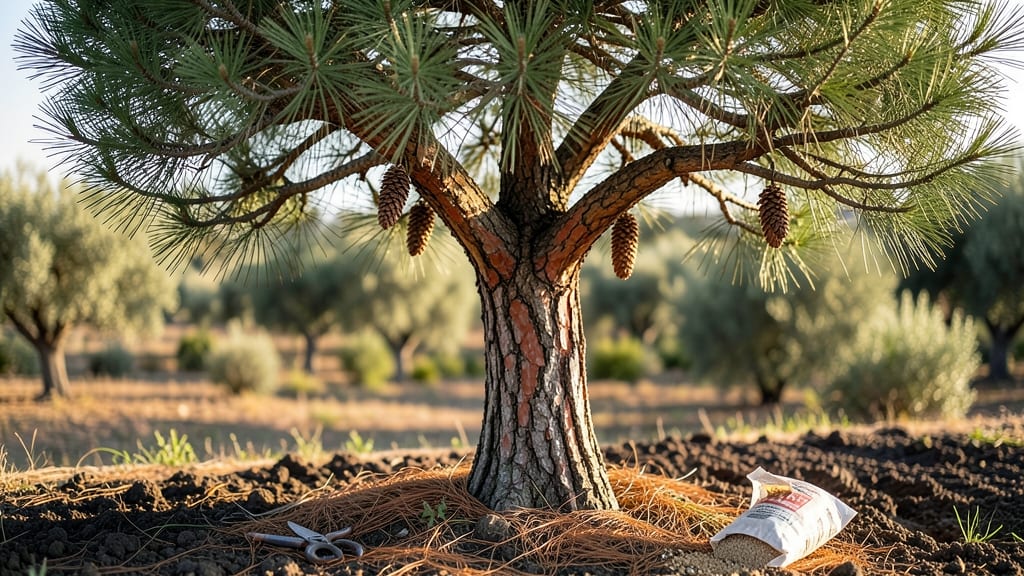
Stone pine trees thrive where others struggle—hot, dry summers and rocky soil don’t phase them. 🌿 I planted mine in my drought-prone yard three years ago, and they’ve become the backbone of my Mediterranean-style garden, offering both beauty and pine nuts as a bonus.
Their silvery-blue needles and sturdy branches create a striking focal point that requires almost no extra effort once established.
Their secret? Native to southern Europe and the Mediterranean, these trees love well-draining soil and full sun, making them perfect for low-maintenance landscapes. Unlike fussy conifers, stone pines tolerate poor soil, salt spray, and even urban pollution—ideal for coastal or city gardens.
You’ll find them growing wild in rocky hillsides, proving they’re built tough.
What you’ll love most is their edible pine nuts, harvested in late summer when the cones open. A single tree can produce pounds of nuts, perfect for snacking or gourmet cooking.
Plus, their slow, steady growth means they won’t outgrow your space quickly—expect 1-2 feet per year under ideal conditions.
They’re also pest-resistant and rarely need pruning, though occasional shaping keeps them looking tidy. If you’re after a drought-tolerant, multi-purpose tree that thrives with minimal fuss, stone pines deliver—beauty, food, and resilience all in one package. Let’s get yours planted!
📚 In This Guide
- What you need
- Instructions
- Tips and common mistakes
- Wrapping up and next steps
What you need
- ● Stone pine seeds or saplings: 1–3 (ensure they’re fresh or cold-stratified for best germination).
- ● Well-draining soil mix: 50% cactus/succulent blend (for aeration)
- ● 30% sandy loam (mimics Mediterranean soil)
- ● 20% perlite or pumice (prevents waterlogging)
- ● Pot or planting site: For seedlings: 6–8" diameter pots with drainage holes (3–5 seeds per pot).
- ● For mature trees: Full-sun garden bed (6–10 ft apart) or large container (20+ gallons).
- ● Slow-release fertilizer: 10–10–10 or organic compost (sprinkle lightly at planting).
- ● Hand trowel or transplanting spade (for digging).
- ● Watering can or hose with gentle spray nozzle (avoid overwatering!).
- ● Pruning shears (sterilized, for shaping young trees).
- ○ Mulch (optional): Pine straw or gravel (2–3" layer to retain moisture).
- ○ Sun hat or shade cloth (optional): For seedlings in intense afternoon sun.
- ● Location: Full sun (6+ hours daily) and drought-tolerant area.
- ● Climate: USDA Zones 7–10 (or equivalent Mediterranean climates).
- ● Patience: Germination takes 4–12 weeks; full maturity in 10–20 years!
How to plant and care for stone pine trees in any Mediterranean climate
Here’s the straightforward approach I’ve used to establish thriving stone pines—no fuss, just sun and patience.
🪴 Step 1: Choose the Perfect Planting Spot
Stone pines (Pinus pinea) crave full sun—at least 6-8 hours daily—and well-draining soil. I always pick the driest, sunniest corner of the yard because these trees despise soggy roots. The Mediterranean climate is ideal, but if you’re in a hotter zone, afternoon shade helps prevent leaf scorch.
Dig a hole twice as wide as the root ball but only as deep. Stone pines resent being buried too deep—plant them so the top of the root flare sits 1-2 inches above ground level. This prevents water pooling around the trunk, which leads to rot.
🌱 Step 2: Amend Soil and Plant with Care
Mix the native soil with sand or grit if it’s heavy clay—stone pines hate compacted roots. I often add a handful of slow-release organic fertilizer (like 10-10-10) into the hole to give young trees a nutrient boost. Avoid fresh manure; it burns tender roots.
Place the tree in the hole, backfill with amended soil, and water deeply to settle everything. The soil should feel moist 6 inches down after watering. Mulch with 2-3 inches of pine bark (never wood chips—they mat down and suffocate roots) and keep it 6 inches away from the trunk to prevent rot.
☀️ Step 3: Water Deeply but Infrequently
Stone pines are drought-tolerant once established, but young trees need consistent moisture for the first 2 years. Water once a week during dry spells, soaking the soil to 12 inches deep. You’ll know it’s enough when water drips from the bottom of the hole.
After the first year, taper back to monthly deep waterings unless your area has prolonged dry spells. Overwatering is the fastest way to kill these trees—yellowing needles are your first warning sign.
✂️ Step 4: Prune for Shape and Health
Prune stone pines only in late winter or early spring before new growth starts. Remove dead, crossing, or diseased branches first—cut back to the collateral branch (the next smaller branch) to encourage a strong structure. Avoid heavy pruning; these trees respond poorly to aggressive cuts.
Shape the tree by thinning out 10-15% of the canopy at a time. Never remove more than a third of the foliage in one season—it stresses the tree and invites pests. A well-pruned stone pine develops a broad, sturdy silhouette naturally.
🌿 Step 5: Protect from Pests and Disease
Stone pines are generally pest-resistant, but pine bark beetles and needle blight can appear if trees are stressed. Inspect the undersides of needles monthly for tiny holes or sawdust-like frass—signs of beetles. Treat with neem oil spray if you spot damage.
Prevent fungal issues by avoiding overhead watering. Water at the base only, and space trees 15-20 feet apart for airflow. If you see brown needles in clusters, prune them out immediately and dispose of them far from the tree.
Tips & tricks for perfect stone pine tree cultivation
Here's what I've learned from years of growing these Mediterranean beauties—simple secrets that make all the difference.
Sunlight Strategy: While the instructions call for 6-8 hours of sun daily, I've found that stone pines actually thrive with morning sun exposure being most critical. In hotter climates, position your tree to receive intense morning rays but provide afternoon shade—this prevents leaf scorch while still meeting the sun requirement. Watch for subtle yellowing on the south-facing side as your first warning sign of too much midday heat.
Soil Science: The key to drainage isn't just adding sand—it's creating a proper soil profile. I recommend mixing native soil with coarse builder's sand at a 3:1 ratio for clay-heavy soils, or using perlite at 20% volume for better aeration. This prevents that suffocating compactness stone pines hate. For established trees, top-dress annually with composted pine needles to maintain acidity levels they prefer.
Watering Wisdom: That 12-inch deep watering isn't just about quantity—it's about timing. I water mine early morning when temperatures are cooler to reduce evaporation. For the first two years, I set up a drip irrigation system on a timer to ensure consistent moisture without overwatering. The drip should deliver about 1 gallon per week for each year of the tree's age (e.g., 2 gallons for a 2-year-old tree).
Pruning Precision: When thinning that 10-15% of the canopy, focus on removing branches that grow inward or downward—they create weak points and crowding. Use sharp, clean pruners and make cuts just outside the branch collar (the swollen area where the branch meets the trunk). I've learned the hard way that leaving stubs invites disease. For larger branches, I make the initial cut from below to avoid tearing the bark.
Pro Tips for Stone Pine Trees
- Here's what I've learned from years of growing these Mediterranean beauties—simple secrets that make all the difference.
- Sunlight Strategy: While the instructions call for 6-8 hours of sun daily, I've found that stone pines actually thrive with morning sun exposure being most critical.
- Soil Science: The key to drainage isn't just adding sand—it's creating a proper soil profile.
Frequently asked questions
Got questions about growing and caring for stone pine trees? You’re not alone! Here are some of the most common queries—plus straightforward answers to help you nurture these stunning Mediterranean beauties with confidence.
How fast do stone pine trees grow, and how big do they get?
Stone pines (Pinus pinea) are slow growers, typically adding just 12–24 inches per year under ideal conditions. Mature trees can reach 30–50 feet tall with a spread of 20–40 feet, making them a long-term investment for shade and beauty. Patience pays off—these trees thrive for centuries!
Can stone pines survive cold winters, or do they need a warm climate?
While stone pines love Mediterranean warmth, they’re surprisingly hardy to USDA Zones 7–10. Young trees may need winter protection (like burlap wraps) in Zone 7, but established specimens often handle brief dips below 10°F without issues. Avoid soggy soil in winter to prevent root rot.
How often should I water a stone pine tree, and do they need much?
These drought-tolerant trees hate soggy roots—water deeply every 2–3 weeks in the first year, then taper to monthly once established. Overwatering is the #1 killer! Mulch around the base (but avoid the trunk) to retain moisture and regulate soil temperature.
Are stone pines good for urban areas, or do they need lots of space?
Stone pines adapt well to urban settings if given adequate space (20+ feet from structures). Their slow growth and salt tolerance make them great for coastal cities or Mediterranean-style gardens. Just ensure they get full sun (6+ hours daily) and well-draining soil.
What pests or diseases should I watch for with stone pine trees?
Stone pines are generally pest-resistant, but keep an eye out for:
- Pine needle scale: Sticky residue on needles (treat with horticultural oil).
- Root rot: Caused by overwatering (improve drainage immediately).
- Brown spot fungus: Yellowing needles (prune affected branches and space trees for airflow).
Wrapping up and next steps
Stone pine trees are the perfect low-maintenance gem for sunny gardens, offering stunning beauty with minimal effort. Whether you're a seasoned gardener or just starting out, their resilience and adaptability make them a fantastic choice for Mediterranean climates—or even as a striking potted accent. 🌿
Ready to bring these sun-loving trees into your landscape? Start by gathering your supplies, pick the perfect spot, and give them the care they deserve. With a little patience, you’ll soon enjoy their majestic presence—and maybe even a few tasty pine nuts as a bonus!