
Pruning
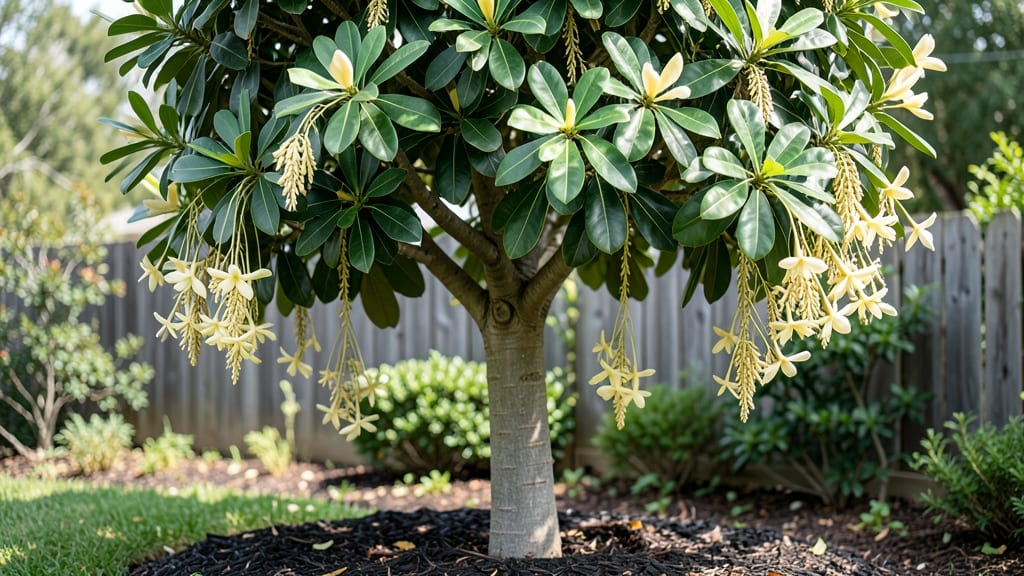
The magnolia champaca tree brings tropical romance to your yard with its intoxicating blooms and glossy leaves—if you prune it right. 🌿 I learned the hard way that this beauty needs strategic cuts to keep flowering year-round without sacrificing its lush canopy.
The key is timing: prune after blooms fade in late spring or early summer, never in fall when buds form.
This tree thrives in zones 9-11 but can surprise you in colder climates with proper winter protection. It loves well-draining, slightly acidic soil and morning sun with afternoon shade—think of it as a sunbather who skips the midday heat.
Water deeply once established, but avoid soggy roots that invite fungal issues. The fragrant flowers alone make it worth the effort, but the dark green, leathery leaves add year-round texture.
With the right pruning, you’ll get heavier blooms and a fuller shape—imagine clusters of creamy-yellow flowers perfuming your garden from spring through fall. The secret? Light cuts to open the canopy and remove deadwood, never heavy shearing that stunts growth.
Even in small spaces, this tree becomes a focal point that neighbors will envy.
For those in cooler zones, treat it as a tender perennial—bring container-grown trees indoors before frost or mulch heavily for winter. The payoff? A tree that rewards patience with fragrance, shade, and stunning blooms for decades. Ready to transform your landscape into a tropical oasis?
📚 In This Guide
- What you need
- Instructions
- Tips and common mistakes
- Wrapping up and next steps
What you need
- ● Pruning shears: Bypass pruners (sharp, clean, 10-12 inch blades) for small branches.
- ● Loppers: Heavy-duty (18-24 inch reach) for thicker branches (½–1.5 inch diameter).
- ○ Pruning saw: Curved-tooth saw for branches 2+ inches thick (optional but helpful).
- ● Gloves: Heavy-duty, cut-resistant gloves (protects hands from thorns and sap).
- ● Disinfectant: 70% isopropyl alcohol or bleach solution (1:10 ratio) to sterilize tools between cuts.
- ○ Sealing wax: Pruning sealant (optional, for large cuts to prevent disease).
- ● Ladder or step stool: Sturdy, 6–10 ft tall (if tree exceeds 8 ft).
- ● Trash bags: Heavy-duty, 30–50 gallon (for debris disposal).
- ● Weather check: Prune on a dry, overcast day (avoid wet or windy conditions).
- ● Safety glasses: Protect eyes from debris (especially when using a saw).
- ● Long sleeves/pants: Wear lightweight, breathable layers to avoid scratches.
- ● Water & snacks: Stay hydrated—pruning can take 1–3 hours depending on tree size!
- ● Tree health assessment: Inspect for diseased or dead branches before pruning (remove these first).
- ● 🔥 Sharpen tools first! Dull blades tear wood, stressing the tree.
- ● ✨ Mark your cuts: Use chalk or tape to outline pruning spots before cutting.
- ● 🌡️ Timing matters: Best pruning window is late winter to early spring (post-flowering).
Step-by-step pruning guide for a thriving magnolia champaca tree
Here's how to shape your fragrant magnolia for lush, continuous blooms.
🌿 Step 1: Identify the Right Time to Prune
Prune your magnolia champaca immediately after its spring blooming cycle, typically between late March and early April in most climates. This timing ensures you don't remove next year's flower buds, which form after blooms fade. Look for spent blossoms that have dropped naturally—this is your cue that the tree has finished flowering.
Here's the thing—magnolias bloom on old wood, meaning flowers develop on branches from the previous year. Cutting back too early risks removing next season's potential blooms. If you live in a warmer region where blooms appear in fall or winter, prune right after those flowers drop instead.
✂️ Step 2: Remove Dead, Diseased, or Crossing Branches
Start by inspecting the entire canopy for branches that are dead, diseased, or rubbing against others. Use sharp, clean pruning shears to make cuts at a 45-degree angle, about ¼ inch above an outward-facing bud or branch collar. This promotes faster healing and prevents water from pooling at the cut.
I always work from the bottom up, removing lower branches first to improve airflow and sunlight penetration. For diseased branches, sterilize your tools with rubbing alcohol between cuts to prevent spreading pathogens. If a branch is larger than ½ inch in diameter, use a pruning saw instead of shears.
☀️ Step 3: Thin the Canopy for Light Penetration
Selectively remove 10-20% of the tree's total branches to open up the canopy. Focus on branches growing inward or downward, as these create dense, shaded areas that discourage blooming. Aim to create an open, vase-like shape that allows sunlight to reach all parts of the tree.
Watch for branches that grow directly opposite each other—they compete for nutrients and can weaken the tree. Remove one of the pair, leaving the stronger, more vigorous branch. You'll notice new growth filling in gaps within 4-6 weeks after pruning, signaling the tree is responding well.
🌱 Step 4: Shape for Year-Round Fragrance
To encourage continuous blooming, lightly trim back last year's growth by about ⅓ on outer branches. This stimulates the formation of new flower buds while maintaining the tree's natural shape. Avoid heavy pruning, as magnolias respond poorly to aggressive cuts.
For a more manicured look, use hand pruners to refine the outer edges, removing small branches that disrupt the tree's silhouette. Step back frequently to check your progress—you want a balanced, symmetrical appearance without sacrificing the tree's natural beauty. Real talk: Over-pruning can stress the tree, so err on the side of caution.
Tips & tricks for perfect magnolia champaca pruning
Your magnolia champaca's fragrance and blooms depend entirely on smart pruning—here's how to avoid common mistakes and maximize results.
Timing is Everything: The late March to early April window is critical because magnolias bloom on old wood, meaning next year's flowers are already forming on branches from last season. If you prune too early, you might accidentally remove those potential blooms before they even appear. In warmer climates where blooms occur in fall or winter, adjust your timing to prune right after those flowers drop instead. This ensures you never cut back branches that could produce flowers next season.
Tool Preparation Matters: Sterilize your pruning shears between cuts, especially when dealing with diseased branches. I use rubbing alcohol on a clean cloth to wipe down tools after each cut—this prevents spreading pathogens throughout your tree. For branches larger than ½ inch in diameter, switch to a pruning saw to avoid tearing the bark. Always make cuts at a 45-degree angle about ¼ inch above an outward-facing bud to promote faster healing and prevent water from pooling at the cut site.
Thinning Strategy: When removing 10-20% of branches to open the canopy, focus on branches growing inward or downward first. These create dense, shaded areas that discourage blooming. For branches growing directly opposite each other, remove the weaker one to eliminate competition. You'll know you've done it right when you see new growth filling in gaps within 4-6 weeks—this is your tree's way of telling you it's responding well to the improved airflow and sunlight.
Light Pruning for Continuous Blooms: When shaping outer branches, trim back last year's growth by about ⅓ to stimulate new flower bud formation. Avoid heavy pruning—magnolias respond poorly to aggressive cuts, which can stress the tree. For a more refined look, use hand pruners to trim small branches that disrupt the silhouette, but always step back frequently to maintain a balanced, symmetrical appearance. The goal is to enhance natural beauty without sacrificing the tree's health.
Pro Tips for Magnolia Champaca Tree
- Your magnolia champaca's fragrance and blooms depend entirely on smart pruning—here's how to avoid common mistakes and maximize results.
- Timing is Everything: The late March to early April window is critical because magnolias bloom on old wood, meaning next year's flowers are already forming on branches from last season.
- Tool Preparation Matters: Sterilize your pruning shears between cuts, especially when dealing with diseased branches.
Frequently asked questions
Got questions about growing and pruning your magnolia champaca tree? You’re not alone! Here are answers to the most common queries to help you nurture a fragrant, thriving tree year-round.
How often should I prune my magnolia champaca tree?
Prune your magnolia champaca once a year, ideally in late winter or early spring (before new growth emerges). This timing promotes healthy blooms while avoiding the stress of summer pruning. Avoid heavy pruning—focus on shaping, removing dead branches, and thinning for airflow. Pro tip: Use sterilized tools to prevent disease!
Can I prune my magnolia champaca in winter?
Yes, but with caution! Light pruning (removing dead or damaged wood) is safe in mild winters. Avoid heavy cuts in freezing temperatures—it stresses the tree. If your area has harsh winters, wait until late winter (just before buds swell) to prune. Never prune during frost or extreme cold.
Will pruning reduce my magnolia champaca’s flowers?
Not if done correctly! Pruning encourages more blooms by improving airflow and sunlight exposure. However, avoid cutting back flower buds (they form on old wood). Focus on shaping, thinning dense areas, and removing suckers. Pro tip: Prune after flowering to preserve next year’s blooms!
What if my magnolia champaca isn’t blooming?
Several factors could be at play:
- Age: Young trees (under 3–5 years) may not bloom yet.
- Light: Ensure it gets full sun (6+ hours/day)—partial shade reduces flowers.
- Pruning mistakes: Over-pruning or cutting flower buds can delay blooms.
- Nutrients: Test soil pH (ideal: 5.5–6.5) and fertilize lightly in spring.
Are there smaller magnolia alternatives with similar fragrance?
Yes! If space is limited, consider these fragrant cousins:
- Magnolia stellata (“Star Magnolia”): Compact (10–15 ft), early blooms, cold-hardy.
- Michelia figo (“Banana Shrub”): Dwarf variety (6–10 ft), creamy flowers, tropical scent.
- Gardenia jasminoides: Shrub-sized (3–6 ft), intensely fragrant white blooms (loves shade).
Wrapping up and next steps
The Magnolia champaca tree is a fragrant gem that rewards patience and care with its stunning blooms and lush foliage. By mastering pruning techniques—whether shaping for aesthetics, encouraging new growth, or maintaining health—you’ll unlock a year-round canopy of beauty. Now’s your moment to take action!
Ready to transform your garden? Grab your tools, follow the steps, and watch your champaca thrive. Start small, stay consistent, and enjoy the sweet rewards of your green thumb! 🌿✨