
Pruning
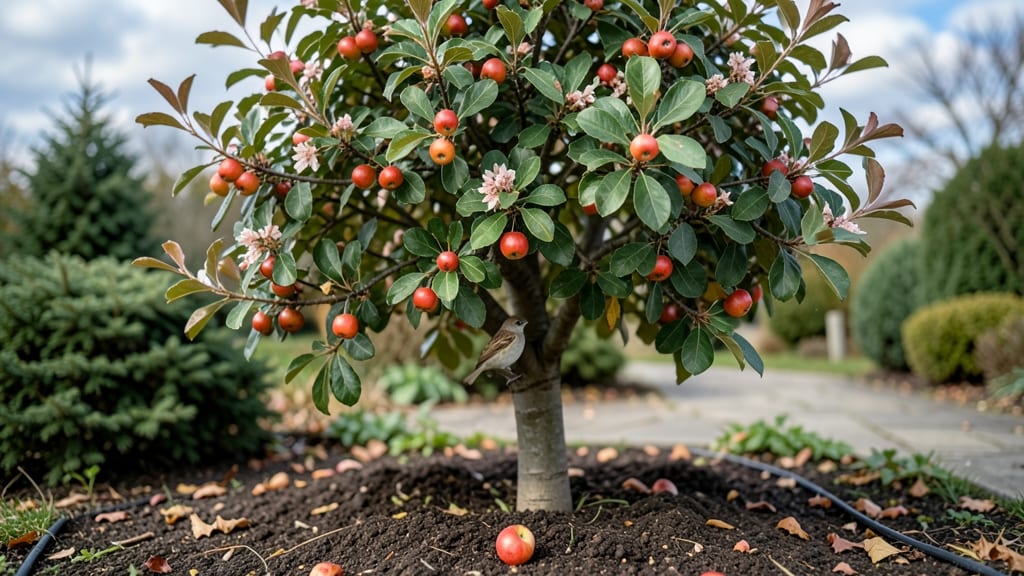
Before you plant a Showtime crabapple tree, weigh its stunning four-season drama—spring blooms, summer foliage, autumn fruit, and winter silhouette—against the pros and cons that might surprise you. 🌸 I planted mine last spring, and neighbors now ask if I hired a landscaper. just to get that "wow" factor.
The tree's compact size (20-25 feet tall) fits urban yards perfectly, while its disease resistance means less fuss than traditional crabapples.
Here's the trade-off: while Showtime's small fruit isn't edible, its vibrant pink blossoms and glossy green leaves create year-round interest. The trade-off? It needs annual pruning to maintain shape and remove dead wood—something I now schedule in early spring before new growth begins.
For wildlife gardens, the fruit attracts birds, but urban planners love it for its neat, rounded form that works as a focal point or street tree.
You'll love how it handles city pollution better than many ornamental trees, and its low-maintenance nature means fewer headaches than roses or boxwoods.
The real magic happens when you pair it with spring bulbs (daffodils or tulips) at its base—they bloom before the tree leafs out, creating a layered effect that lasts months. Just watch for fire blight in humid climates, though my tree in zone 6 hasn't shown signs yet.
Perfect for modern landscapes where space is tight but impact matters. The pruning guide coming next will show you how to keep it looking like a million bucks with just 10 minutes of work every few months. Trust me, your neighbors will notice before you finish the first cut.
📚 In This Guide
- What you need
- Instructions
- Tips and common mistakes
- Wrapping up and next steps
What you need
- ● Pruning shears – Bypass pruners (for small branches, 5/8"–1" capacity)
- ● Loppers – For thicker branches (1"–2" diameter)
- ● Pruning saw – For large branches (2"+ diameter)
- ● Disinfectant – Rubbing alcohol or 10% bleach solution (to sterilize tools)
- ● Gloves – Heavy-duty work gloves (for protection)
- ○ Tree wound dressing (optional but recommended) – Pruning sealant (for cuts > ½")
- ● Ladder or step stool – Sturdy, extendable (if tree is tall)
- ● Trash bags or bucket – For collecting pruned branches
- ● Sharpie or permanent marker – For labeling cuts (if needed)
- ● Extension pole pruners – For hard-to-reach branches
- ● Safety glasses – Protects eyes from debris
- ● Knee pads – For comfort during ground-level work
- ● String or flagging tape – Marks branches for future reference
How to prune a Showtime crabapple tree for maximum beauty
Here’s the straightforward method I’ve used to keep my Showtime crabapple thriving for years.
✂️ Step 1: Prune in Late Winter or Early Spring
The best time to prune your Showtime crabapple is right before buds swell—typically February to early March in most climates. This timing ensures you remove dead wood while encouraging fresh growth for spring blooms. Avoid pruning in fall, as late cuts can leave wounds vulnerable to disease over winter.
If you missed the window, you can do light pruning in late summer to shape the tree, but avoid heavy cuts—this can stimulate tender growth that won’t harden off before frost. I always check the forecast before pruning; if rain is expected within 48 hours, wait. Wet conditions make cuts heal slower and increase disease risk.
✂️ Step 2: Remove Dead, Diseased, or Crossing Branches First
Start by scanning the tree for dead branches—they’ll be brittle, dark, and snap easily when bent. Use clean, sharp pruning shears to cut these back to the trunk or a healthy lateral branch. Next, look for diseased wood (often discolored or oozing sap) and remove it entirely. Showtime crabapples are prone to fire blight, so don’t leave stubs—cut back to 6 inches below any signs of infection.
Next, eliminate crossing or rubbing branches—these create wounds where bark gets damaged, inviting pests. If two branches grow toward each other, remove the weaker one (usually the smaller or less vigorous). I like to step back every few cuts to visualize the tree’s shape. You’re aiming for an open center that lets light and air circulate freely.
✂️ Step 3: Thin the Canopy for Better Airflow and Light
Showtime crabapples love sunlight, so your goal is to open the canopy by removing 20-30% of the smallest branches—especially those growing inward. Focus on branches thinner than ½ inch in diameter, as these won’t impact the tree’s structure. Cut them back to a bud or lateral branch growing outward, using a 45-degree angle just above the bud to encourage proper healing.
Here’s the thing—don’t over-prune. You want to maintain the tree’s natural shape while improving airflow. If you’re unsure, err on the side of caution. A lightly pruned Showtime crabapple will still produce abundant blooms and vibrant fall color without stress. After thinning, step back again to check for balance—you’re looking for a pyramidal silhouette that’s wider at the top than the bottom.
✂️ Step 4: Shape and Maintain Year-Round Interest
Once you’ve addressed deadwood and thinning, use this time to shape the tree for year-round appeal. In late spring, after blooms fade, you can lightly prune to encourage bushier growth by cutting back some of the new shoots. For fall color, avoid heavy pruning—just remove any branches that spoil the tree’s symmetry or block walkways.
Showtime crabapples are famous for their four-season interest, so preserve that! Leave some winter interest branches (thin, skeletal limbs) and fall foliage branches (those with vibrant red leaves). If you notice suckers (shoots growing from the base), remove them immediately—they drain energy from the main tree. A well-pruned Showtime crabapple will reward you with showy spring blossoms, summer shade, and dramatic autumn foliage.
Tips & tricks for pruning your Showtime crabapple tree
Between us, I’ve learned these tricks after pruning my own Showtime crabapple for over a decade—and they’ll save you from common mistakes that can stress your tree.
Timing is Everything: That 48-hour weather window before pruning isn’t just about avoiding rain—it’s about giving your tree’s wounds time to start sealing. I’ve seen cuts ooze sap for days when pruned right before a storm. Always check the forecast and wait if rain’s coming. The tree’s natural healing process works best with dry conditions, and those 48 hours let the cut surfaces begin to callus over before moisture exposure.
Tool Prep Matters: Your pruning shears should be sharper than your focus on the task. Dull blades crush wood instead of cutting cleanly, which creates larger wounds that invite disease. I clean my shears with rubbing alcohol between cuts on diseased branches, and I always wipe them down after finishing. A clean cut heals faster and looks better—plus, you’ll avoid accidentally spreading fire blight between branches.
Visualize the Final Shape: Before making any cuts, walk around your tree and imagine how it’ll look after pruning. I like to sketch a quick outline on paper first—this helps me decide which branches to remove for that perfect pyramidal silhouette. Focus on creating an open center that lets sunlight reach all parts of the canopy. Remember, you’re not just pruning for beauty; you’re creating an environment where air circulates freely to prevent fungal issues.
Seasonal Considerations: That late summer shaping tip in Step 1 isn’t just about aesthetics—it’s about controlling growth patterns. When you do light pruning in late summer, you’re encouraging the tree to develop stronger buds for next year’s blooms. Just avoid heavy cuts, as new growth won’t have time to harden off before winter. I’ve seen trees develop frost damage on tender new shoots when pruned too late in the season.
Pro Tips for Showtime Crabapple Tree Pros And Cons
- Between us, I’ve learned these tricks after pruning my own Showtime crabapple for over a decade—and they’ll save you from common mistakes that can stress your tree.
- Timing is Everything: That 48-hour weather window before pruning isn’t just about avoiding rain—it’s about giving your tree’s wounds time to start sealing.
- Tool Prep Matters: Your pruning shears should be sharper than your focus on the task.
Frequently asked questions
about the Showtime Crabapple Tree—because even the most stunning trees come with a few curveballs! Whether you're a pruning pro or a first-timer, these answers will help you keep your tree thriving.When is the best time to prune a Showtime Crabapple Tree?
The ideal time to prune is late winter or early spring (before buds break) to avoid stressing the tree. You can also do light pruning in summer to shape it, but avoid heavy cuts then. Never prune in fall—it invites disease and pests. Pro tip: If you spot dead branches anytime, remove them immediately!
How much can I prune without harming the tree?
For young trees, limit pruning to 10-15% of the canopy per year. Mature trees can handle up to 25% if needed, but avoid over-pruning—it weakens growth and blooms. Focus on removing dead, diseased, or crossing branches first. Pro tip: Use clean, sharp tools to prevent tearing!
Why are my Showtime Crabapple leaves turning brown or falling off?
Brown leaves or early leaf drop often signal fungal diseases (like apple scab) or pests (aphids, spider mites). Improve airflow with proper pruning, water at the base (not overhead), and apply copper fungicide if needed. Pro tip: Mulch around the base to retain moisture and deter pests!
Will pruning reduce next year’s flowers?
Not if done right! Pruning encourages more blooms by improving sunlight and air circulation. However, heavy late-summer pruning can reduce next year’s flowers. Time it right (late winter/early spring), and you’ll see even more stunning blossoms! Pro tip: Prune after flowering for a balance of shape and blooms.
Are there better alternatives to the Showtime Crabapple?
If you love the look but want variety, consider:
- Royalty™ Crabapple – Disease-resistant with vibrant red fruit.
- Adams Crabapple – Classic pink blooms and glossy foliage.
- Dolgo Crabapple – Cold-hardy with abundant white flowers.
Wrapping up and next steps
The Showtime Crabapple Tree is a stunning addition to any landscape, offering year-round beauty with its vibrant blooms, glossy foliage, and striking fruit. While it requires regular pruning to maintain its health and shape, the rewards—like disease resistance and minimal maintenance—make it a worthwhile choice for homeowners. 🌳✨
Ready to transform your yard? Start by gathering your tools and scheduling your first pruning session in early spring or late winter. With patience and care, your Showtime Crabapple will thrive and become the showstopper of your outdoor space!