
Trees
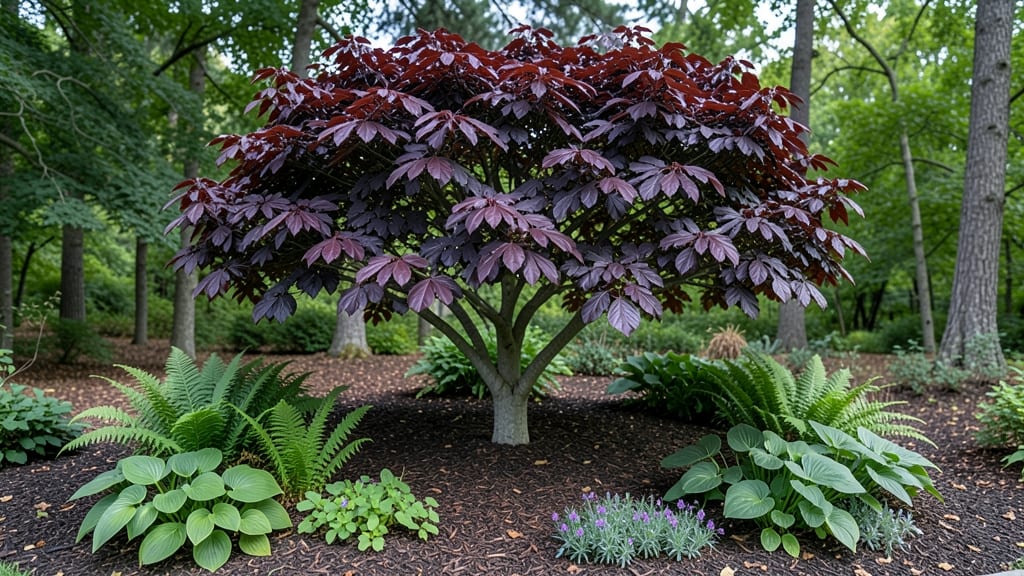
Planting garden trees isn't just about adding height—it's about creating a living tapestry that works year-round with almost no fuss. 🌿 I learned this after struggling with high-maintenance shrubs that needed constant trimming, only to wilt in summer heat or lose leaves in winter.
The right trees, though, bring structure, shade, and wildlife habitat without the upkeep.
Think of them as the backbone of your garden: evergreens like arborvitae for privacy, oaks for dappled shade, or flowering dogwoods that burst with color in spring and hold interest through fall.
These trees thrive with minimal pruning—just a few strategic cuts to shape them early on—while delivering four-season beauty and functional benefits like cooling breezes and bird perches.
What you'll end up with is a garden that feels like a mature landscape, not a work in progress. The right tree in the right spot means less mowing, fewer weeds, and a space that feels like a retreat—not a chore.
Plus, you get that quiet satisfaction of watching birds nest in your branches or children climb your shade tree for decades.
Whether you're starting from scratch or refreshing an existing yard, the key is matching tree size, shape, and needs to your space. Small courtyards? Try a multi-stemmed crabapple for winter interest. Need a windbreak? Eastern red cedar does the job beautifully. Let's find the perfect fit for your garden.**
📚 In This Guide
- What you need
- Instructions
- Tips and common mistakes
- Wrapping up and next steps
What you need
- ● Tree Selection: 3–5 drought-tolerant trees (e.g., Japanese Maple, Crape Myrtle, or Eastern Redbud) – choose based on your climate zone.
- ● 1–2 evergreen trees (e.g., Arborvitae or Holly) for year-round greenery.
- ● Soil Amendments: 5–10 lbs of organic compost or well-rotted manure per tree.
- ● 1–2 bags of mulch (3–4 inches deep) to retain moisture and suppress weeds.
- ● Planting Supplies: 1 shovel (for digging holes).
- ● 1 garden trowel (for delicate root adjustments).
- ● 1 wheelbarrow (for transporting soil and mulch).
- ● Watering Tools: 1 hose with adjustable nozzle or a watering can (5-gallon capacity).
- ○ 1 soaker hose (optional, for deep root hydration).
- ● A pruning saw or bypass pruners (for minimal shaping—only if needed!).
- ● Tree stakes (2–3 per tree) to support young saplings in windy areas.
- ● Fertilizer spikes (slow-release, for nutrient boosts).
- ● A moisture meter (to check soil hydration without guesswork!).
How to select and care for low-maintenance garden trees
Here’s how to choose and nurture trees that stay lush all year with barely any pruning.
🌱 Step 1: Choose the Right Tree for Your Climate and Space
Start with trees that thrive in your USDA hardiness zone—this ensures they’ll handle your winters and summers without stress. For year-round beauty, focus on species like serviceberry, dogwood, or oak-leaf hydrangea, which offer seasonal interest without demanding constant attention. Check the mature height and spread of the tree to confirm it fits your space; planting too close to structures or power lines means future headaches.
I always measure the planting area with a 10-foot radius around the tree—this gives roots room to establish without crowding. Avoid fast-growing trees like willows or poplars unless you’re prepared for aggressive root systems and frequent pruning. Instead, opt for slow growers that develop strong structure naturally.
🪴 Step 2: Plant Correctly for Long-Term Stability
Dig a hole twice as wide as the root ball but no deeper—this prevents soil compaction around the roots. Loosen the roots gently if they’re circling or bound, then place the tree so the top of the root ball sits 1-2 inches above ground level. This prevents waterlogging and rot. Fill the hole with the removed soil, tamping lightly as you go to eliminate air pockets.
Water deeply right after planting—10 gallons per inch of trunk diameter—to settle the soil and encourage root contact. Mulch with 2-3 inches of organic mulch (like shredded bark) in a 3-foot-wide ring, keeping it 6 inches away from the trunk to avoid moisture buildup. This mulch layer retains moisture and suppresses weeds, cutting down on maintenance.
☀️ Step 3: Provide Consistent Care Without Over-Managing
Most low-maintenance trees need 1-2 inches of water per week during the first growing season, then taper off once established. Water deeply once a week unless rainfall provides enough moisture—check by pushing a finger 2 inches into the soil. If it’s dry, water again. Overwatering suffocates roots, so let the soil dry slightly between waterings.
Fertilize lightly in early spring with a balanced, slow-release fertilizer (like 10-10-10) to support new growth. Avoid heavy feeding, which can encourage weak, disease-prone branches. Instead, focus on soil health: add compost annually to improve texture and nutrient retention. Trees with healthy soil need less intervention.
✂️ Step 4: Prune Strategically—Only When Necessary
Minimalist pruning means removing dead, diseased, or crossing branches only—never more than 25% of the tree’s canopy at once. Use clean, sharp pruners to make cuts just outside the branch collar (the swollen area where the branch meets the trunk). This promotes faster healing and reduces the risk of infection.
Time pruning for late winter or early spring, just before new growth begins. Avoid pruning in fall, as fresh cuts can’t heal before winter stresses the tree. If you notice weak growth or sparse foliage, it’s often a sign of over-pruning or poor soil—adjust care rather than cutting more.
🌿 Step 5: Monitor and Adjust for Seasonal Changes
Inspect trees twice a year—once in early spring and again in late fall—to spot issues early. Look for pests like aphids or borers, which can weaken trees if left unchecked. Treat infestations immediately with neem oil or insecticidal soap, but avoid harsh chemicals that harm beneficial insects.
In winter, protect young trees from salt spray (if near roads) and deicing chemicals by wrapping the trunk with tree guard or burlap. Older trees handle cold better, but a thick layer of mulch insulates roots and prevents freeze-thaw damage. With these simple steps, your trees will thrive with almost no effort.
Tips & tricks for perfect garden trees
Real talk: The difference between a thriving low-maintenance tree and one that struggles often comes down to these small but critical details.
Climate and Space Intelligence: When selecting your tree, don't just check the USDA hardiness zone—also verify the microclimate of your planting spot. South-facing areas get more sun and heat, while north-facing spots stay cooler. Serviceberry trees, for example, actually prefer partial shade in hotter zones, while dogwoods can handle more sun. I always test the spot for 4-6 hours of direct sunlight before purchasing, using a simple sun calculator app. This prevents the "wrong tree, wrong place" syndrome that leads to yellowing leaves and stunted growth.
Planting Precision: That 10-foot radius around your tree isn't just arbitrary—it's based on root spread patterns. For young trees, I recommend creating a 3-foot-deep trench around the perimeter of this radius to encourage roots to spread outward rather than circling. This simple technique prevents girdling roots that can strangle your tree over time. Also, avoid compacting the soil when backfilling—tap the sides of the hole gently rather than stomping, which creates air pockets that roots can't penetrate.
Watering Wisdom: The 1-2 inches per week guideline works for most trees, but timing matters just as much. I've found that watering in the early morning (6-9 AM) reduces evaporation and fungal risks compared to evening watering. For newly planted trees, I use a soaker hose placed in the 3-foot mulch ring to deliver water slowly at the root zone. This method delivers 10 gallons per inch of trunk diameter more efficiently than overhead watering, which wastes 50% through evaporation.
Pruning Secrets: When making those 25% canopy cuts, focus on removing branches that grow at less than a 45-degree angle from the trunk—these are the weak points that often snap in storms. I also recommend using a pruning sealant on cuts larger than ½ inch in diameter to prevent disease entry. The key timing of late winter/early spring isn't just about new growth—it's also when pests are dormant, making it the safest time for major cuts.
Pro Tips for Garden And Trees
- Real talk: The difference between a thriving low-maintenance tree and one that struggles often comes down to these small but critical details.
- Climate and Space Intelligence: When selecting your tree, don't just check the USDA hardiness zone—also verify the microclimate of your planting spot.
- Planting Precision: That 10-foot radius around your tree isn't just arbitrary—it's based on root spread patterns.
Frequently asked questions
Got questions about keeping your garden trees stunning with minimal pruning?
Here are answers to the most common ones—so you can enjoy year-round beauty without the hassle!
What’s the best time of year to prune garden trees for low-maintenance growth?
Prune most trees in late winter or early spring (just before new growth starts). This encourages healthy blooms and foliage while avoiding stress during extreme weather. Evergreens and fruit trees may need slight adjustments—like pruning after harvest—but the general rule applies: avoid heavy pruning in fall or winter unless dealing with dead branches.
Can I prune my trees myself, or should I hire a professional?
Small, young, or low-hanging branches? DIY is perfect! Use sharp bypass pruners or a handsaw for thicker limbs. But for large trees, power lines, or complex pruning (like shaping), call a certified arborist—safety first! Look for signs like rotting wood, large dead branches, or uneven growth as red flags for pro help.
How often should I prune my garden trees to keep them healthy with minimal effort?
Aim for one thorough pruning session per year (as mentioned above) plus light maintenance throughout the season. Remove dead, diseased, or crossing branches anytime you spot them—this prevents pests and keeps shape natural. Over-pruning stresses trees, so stick to no more than 25% of the canopy in any single session.
What are some low-maintenance tree species that thrive with minimal pruning?
Skip the shears and plant these resilient beauties:
- Japanese Maple – Graceful, slow-growing, and loves shade.
- Crabapple – Blooms spring and fall; prune only to remove dead wood.
- Dogwood – Disease-resistant with stunning bark and flowers.
- Magnolia – Lush foliage; prune lightly after flowering.
- Oak or Pine – Native and hardy; minimal pruning keeps them strong.
Pro tip: Check local climate zones—some species (like crepe myrtle) thrive in heat but may need seasonal adjustments.
My tree leaves are yellowing or dropping—what’s wrong, and how do I fix it?
Yellow leaves often mean overwatering, underwatering, or nutrient deficiency. First, check the soil—it should be moist but not soggy. If roots are waterlogged, improve drainage with mulch. For yellowing between veins, it might be iron deficiency (common in alkaline soil). Try a chelated iron supplement or acidic mulch (like pine needles). Never prune yellow leaves—focus on fixing the root cause first!
Bonus Tip: Prune for light and air—always cut branches that rub against others or block sunlight from the center. This keeps your tree strong, pest-free, and stunning with zero fuss!
Wrapping up and next steps
Transforming your garden into a year-round oasis doesn’t have to mean endless pruning or high maintenance—it’s all about choosing the right trees! 🌳 From evergreens that stay lush in winter to flowering varieties that burst with color, there’s a perfect match for every space.
The key is strategic planning, whether you’re planting for shade, privacy, or seasonal interest.
Ready to get started? Take the next step:
- Sketch a simple layout of your garden.
- Pick 1-2 trees that fit your climate and style.
- Grab your tools and plant with confidence!