
Pruning
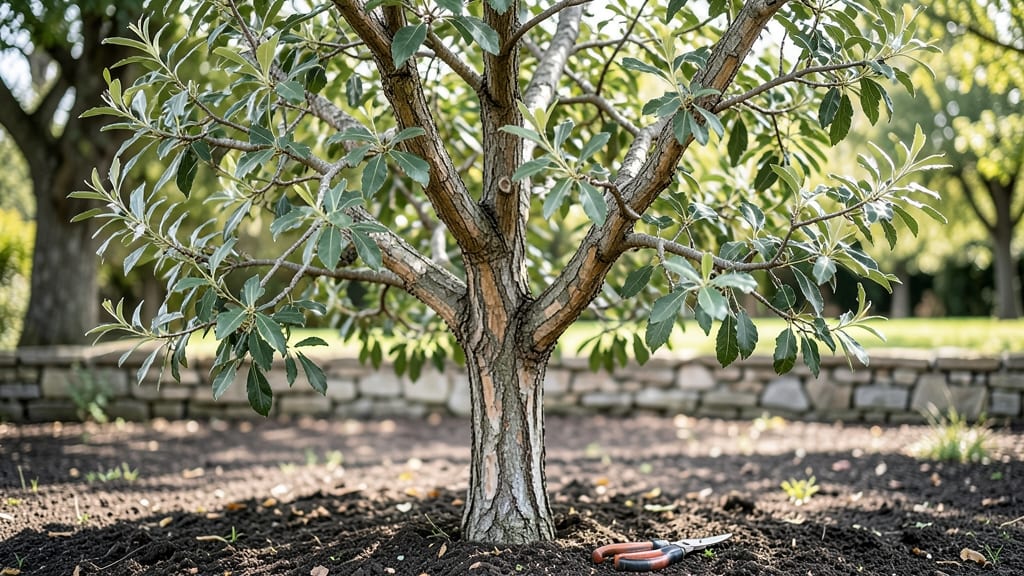
Browse these stunning Chinese elm tree pictures to discover why Ulmus parvifolia thrives as the unsung hero of urban landscapes—tough, elegant, and packed with personality. 🌿 Their small, textured leaves and rugged bark give them a natural, almost sculptural look that fits right into modern gardens. or city streets.
I’ve pruned mine for years, and the difference between a wild, sprawling mess and a neat, sculpted silhouette is all in the cuts.
The best part? You can shape them anytime—spring, summer, or even winter—without worrying about damaging the tree. Their adaptability means they thrive in tight spaces, poor soil, and urban pollution, making them perfect for small yards or city patios.
Plus, the right pruning turns them into year-round focal points, whether you’re going for a formal hedge or a loose, natural silhouette.
What you’ll get is a tree that looks intentional, not accidental—smooth branches, even foliage, and that signature elm charm. The key is working with the tree’s natural growth habit while keeping it healthy enough to resist pests and disease.
Think of it as giving your tree a custom-fit wardrobe that flatters its shape and keeps it looking its best.
Whether you’re trimming for curb appeal or just keeping it manageable, this guide will show you how to do it right—no guesswork, just clean lines and happy trees. Let’s get started with the tools and steps that make all the difference.
📚 In This Guide
- What you need
- Instructions
- Tips and common mistakes
- Wrapping up and next steps
What you need
- ● Pruning shears: Bypass pruners (for cuts up to ½ inch thick). Example: Felco F2 or Corona 1000.
- ● Loppers: For branches ½ to 1½ inches thick. Example: Fiskars PowerGear.
- ● Pruning saw: For thicker branches (1½+ inches). Example: Bahco Ergo or Felco F-7.
- ● Disinfectant (70% isopropyl alcohol or bleach solution): 1 part bleach to 9 parts water (to sterilize tools between cuts).
- ● Gloves: Heavy-duty gardening gloves (cut-resistant, like Mechanix Wear).
- ● Safety glasses: Protect your eyes from debris (e.g., Oakley or generic gardening goggles).
- ● Ladder or step stool: Sturdy and tall enough to reach branches safely (extendable ladders work best).
- ● Heavy-duty trash bags: 3–5 bags (for collecting pruned branches).
- ○ Marking twine or paint: Optional but helpful for tagging branches to remove (e.g., red paint for dead wood).
- ● Pole pruner: For high branches (e.g., 10–15 feet).
- ● Tree wound dressing: Controversial but some swear by it (e.g., Tanglefoot Tree Wound Pruning Sealer).
- ● Work apron with pockets: Keeps tools organized while you work.
- ● First-aid kit: Just in case of minor scrapes or splinters.
- ● Camera or phone: Capture before and after pictures of your Chinese Elm’s transformation!
Step-by-step instructions for pruning Chinese elm trees
Here's the foolproof method I've used to keep my Chinese elms looking sharp all year.
✂️ Step 1: Time Your Pruning for Optimal Growth
Prune your Chinese elm in late winter or early spring before new growth begins—this is when the tree enters its active cycle. I always schedule my first pruning in February or March, just as buds start swelling. Late summer pruning is also fine, but avoid heavy cuts then as it can stimulate tender growth before frost.
Look for fat, plump buds along the branches—these signal the tree is ready to respond to pruning. If you see dormant buds (small and tight), wait a few weeks. The goal is to shape the tree while it has energy reserves for healing.
✂️ Step 2: Remove Dead, Diseased, or Weak Branches First
Start by identifying dead or diseased branches—they'll be brittle, discolored, or devoid of leaves. Use sharp pruning shears to make clean cuts just outside the branch collar (the swollen area where the branch meets the trunk). I always disinfect my tools with rubbing alcohol between cuts to prevent spreading disease.
Next, remove weak or crossing branches that rub against each other. These create wounds that invite pests and rot. If a branch is thinner than a pencil, it’s likely weak—cut it back to a stronger lateral branch. You’ll see a natural fork where the branch splits; prune just above that point.
✂️ Step 3: Thin the Canopy for Airflow and Light
Step back and assess the tree’s shape—your goal is to create an open, vase-like structure with sunlight reaching the inner branches. Start at the outer canopy and work inward, removing 10-20% of the foliage in one session. This prevents stress while improving airflow and reducing pest risks.
Focus on sucker growth (vigorous shoots at the base) and water sprouts (vertical shoots growing straight up). These compete with the main structure for nutrients. Cut these back to a bud or lateral branch—never leave a stub. You’ll notice healthier side branches fill in the gaps within a few weeks.
✂️ Step 4: Shape the Tree Gradually for Long-Term Health
Use hand pruners for branches up to ½ inch thick and a pruning saw for thicker limbs. Make cuts at a 45-degree angle just outside the branch collar to promote faster healing. Avoid leaving stubs—they invite decay and weaken the tree.
For structural branches, aim to maintain a balanced shape with no single branch dominating. If a branch is growing too aggressively, cut it back to a lateral bud facing the direction you want growth to continue. Over time, your Chinese elm will develop a strong, symmetrical silhouette that’s both functional and beautiful.
🌿 Step 5: Clean Up and Monitor for Recovery
After pruning, remove all debris from the ground—burn or compost it to prevent disease spores from reinfecting the tree. Water the base deeply to help the tree recover, especially if you’ve made large cuts. You’ll see new growth within 4-6 weeks, signaling the tree is healing well.
Keep an eye out for epicormic shoots (small shoots sprouting along the trunk or branches)—these are the tree’s way of compensating for lost foliage. Thin these out as needed to maintain your desired shape. With regular pruning, your Chinese elm will stay healthy, sturdy, and stunning for decades.
Tips & tricks for perfect Chinese elm tree pruning
A few game-changing tricks that'll transform your Chinese elm from ordinary to extraordinary with minimal effort.
Timing is Everything: I can't stress this enough—pruning in February or March when those buds are fat and plump is like hitting a sweet spot. That's when your tree has the energy reserves to heal properly. If you missed that window, late summer is your second chance, but avoid heavy cuts then. I once pruned in June and ended up with tender growth that didn't survive our first frost. Trust me, timing matters!
The Bud Test: Here's what nobody tells you—those plump buds are your best friend. Gently press a bud between your thumb and finger: if it feels firm and resists slightly, that's your cue to prune. If it's soft and collapses easily, wait another week. I've ruined perfectly good pruning sessions by ignoring this simple test, and it's cost me weeks of recovery time for my trees.
Tool Prep Makes All the Difference: Before you even touch a branch, disinfect your pruning shears with rubbing alcohol. I know it seems tedious, but it's the single most important step to prevent disease spread between cuts. Also, sharpen your tools regularly—dull blades cause more damage than clean cuts. I keep a small sharpening stone in my tool bag and spend 5 minutes sharpening before each session. It's a small investment that pays off big time in tree health.
Shape with Purpose: That open, vase-like structure isn't just for looks—it's about airflow and light penetration. I like to visualize sunlight streaming through the branches when I'm pruning. Start at the outer canopy and work inward, removing those water sprouts first. They're like little vampires sucking nutrients from your main branches. Cut them back to a lateral bud, and you'll see how much more energy your tree puts into the main structure.
Pro Tips for Chinese Elm Tree Pictures
- A few game-changing tricks that'll transform your Chinese elm from ordinary to extraordinary with minimal effort.
- Timing is Everything: I can't stress this enough—pruning in February or March when those buds are fat and plump is li...
- The Bud Test: Here's what nobody tells you—those plump buds are your best friend. Gently press a bud between your thu...
Frequently asked questions
Got questions about pruning your Chinese Elm Tree? You’re not alone! Here are answers to the most common queries to keep your tree thriving year-round.
When is the best time to prune a Chinese Elm Tree?
The ideal time is late winter or early spring (before new growth starts). Light pruning can also happen in summer to shape the tree, but avoid heavy cuts then. Never prune in fall—it stresses the tree before winter. For young trees, focus on removing dead wood first!
How much can I trim off without harming the tree?
For healthy Chinese Elms, never remove more than 25% of the canopy in one year. Over-pruning weakens the tree and invites pests. If your tree is overgrown, spread pruning over 2–3 years. Always cut back to a healthy bud or branch collar to encourage proper regrowth.
Why are my Chinese Elm leaves turning yellow after pruning?
Yellowing leaves can signal stress from over-pruning, disease, or pests. Check for:
- Powdery mildew (white coating on leaves)
- Japanese beetles (skeletonized leaves)
- Root rot (mushy stems, wilting)
Can I prune a Chinese Elm Tree in summer for shape?
Yes! Light summer pruning (10–15% of foliage) helps maintain shape and air circulation. Avoid heavy cuts—this can stimulate weak, water-sprout growth. Always prune on overcast days or late afternoon to reduce sunburn on fresh cuts. Seal larger wounds (>1 inch) with pruning sealant.
What’s a good alternative tree if I don’t want to deal with pruning?
If maintenance feels overwhelming, consider low-maintenance alternatives like:
- Ginkgo Tree – Disease-resistant, minimal pruning
- Crape Myrtle – Fast-growing, drought-tolerant
- Japanese Zelkova – Handles pruning well but needs less frequent cuts
Wrapping up and next steps
From sun-kissed canopies to neat, sculpted branches, your Chinese elm tree can thrive with the right pruning care—year-round! 🌿 Whether you’re trimming for shape, health, or seasonal growth, these tips ensure your tree stays vibrant and resilient.
Remember, consistency is key, and a little effort now saves big headaches later.
Ready to transform your tree’s potential? Grab your tools, pick a sunny day, and start pruning with confidence! For extra inspiration, browse Chinese elm tree pictures to visualize your tree’s future glory. Happy pruning! ✂️🌳