
Pruning
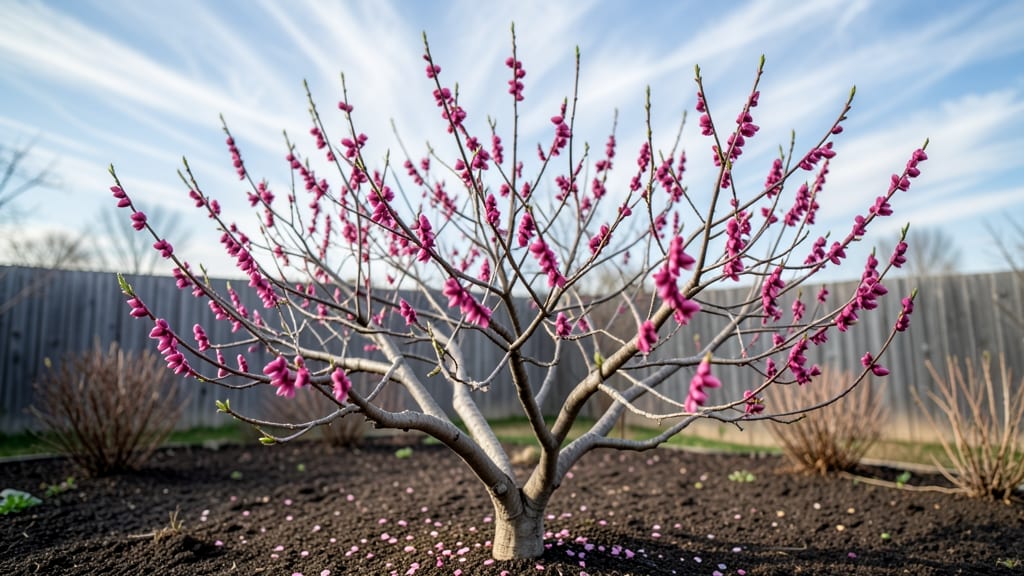
When redbud trees burst into bloom in early spring, you’re seeing the result of last year’s pruning decisions—and this year’s cuts can make them even more spectacular. 🌸 I’ve learned that the right timing and technique transform a redbud’s natural beauty into a showstopper, with those signature pink blossoms covering branches like confetti.
The key? Pruning while the tree is still dormant but before new growth starts—usually in late winter or very early spring.
You don’t need fancy tools or years of experience—just sharp pruners, a clear day, and about 20 minutes to assess your tree. The goal is to remove dead or crossing branches first, then thin out crowded areas to improve airflow.
I’ve found that redbuds respond best to light pruning, so resist the urge to go heavy. Think of it as giving your tree a fresh haircut, not a buzz cut.
What you’ll end up with is a tree that blooms earlier and more abundantly than ever before. Those pink flowers will appear in March or April, depending on your zone, and the foliage that follows is a lush, heart-shaped green.
The best part? Your pruning efforts will also encourage stronger branches for years to come.
This works for both young redbuds and mature trees, though established specimens may need a little more patience. If you’ve been putting off pruning, now’s the time—before the buds even begin to swell. Let’s get those branches shaped for a season of color.
📚 In This Guide
- What you need
- Instructions
- Tips and common mistakes
- Wrapping up and next steps
What you need
- ● Pruning shears: Bypass pruners (sharp, clean, and disinfected with rubbing alcohol or bleach solution—1 part bleach to 9 parts water). Size: 6-8 inches for small branches.
- ● Loppers: For thicker branches (½–1½ inches in diameter). Look for: Long handles (20–24 inches) and a ratcheting mechanism for ease.
- ○ Pruning saw: Optional but helpful for branches >1½ inches. Type: Bow saw or curved blade for clean cuts.
- ● Gloves: Heavy-duty gardening gloves (cut-resistant, like those rated for ANSI A3/A4 protection). Why? Redbud thorns are sharp!
- ● Ladder: Extendable or sturdy step ladder (if your tree is >6 feet tall). Safety tip: Use a non-slip surface or ladder stabilizers.
- ○ Disposable pruning sealant: Optional but recommended for cuts >½ inch. Brand tip: Look for latex-based or tree wound dressing (e.g., Tanglefoot Tree Wound Pruning Sealer).
- ● Trash bags: Heavy-duty (30+ gallon) for debris. Pro move: Line a wheelbarrow for easy transport.
- ● Weather check: Prune on a dry, cool day (ideal temp: 40–60°F). Avoid windy conditions to prevent sap splatter.
- ● Tree health assessment: Inspect for disease (e.g., powdery mildew) or pests (like scale insects). Action: Treat with neem oil or horticultural oil before pruning if needed.
- ● Safety gear: Safety glasses (to shield from debris) and earplugs (if using a chainsaw—though not recommended for redbuds).
- ● Cleanup supplies: Rags or paper towels (for wiping tools between cuts) and bleach (for sanitizing tools post-pruning).
How to prune redbud trees for healthier growth and better blooms
Here’s the straightforward approach I’ve used to keep my redbuds thriving for over a decade.
🌿 Step 1: Time Your Pruning for Maximum Impact
The best time to prune your redbud tree is right after the last frost but before new buds swell—typically late February to early March in most climates. This timing ensures you’re cutting while the tree is still dormant but about to wake up. Look for bare branches with no leaves or buds—that’s your cue.
If you miss this window, you can still prune in early spring (March to April), but avoid cutting after buds break. Late pruning removes potential blooms for the current season. I’ve seen neighbors prune too late and end up with sparse flowers—don’t make that mistake.
✂️ Step 2: Remove Dead, Diseased, or Weak Wood
Start by scanning your tree for dead branches—they’ll be brown, brittle, or snap easily when bent. Next, look for diseased wood (often discolored or oozing sap) or crossing branches rubbing together. These cuts should be your top priority because they improve airflow and prevent future problems.
Use clean, sharp pruning shears (or loppers for thicker branches) to make clean cuts at a 45-degree angle, about ¼ inch above a bud or branch collar. Avoid leaving stubs—this invites decay. If a branch is larger than 2 inches in diameter, use a pruning saw for a smooth cut.
☀️ Step 3: Thin the Canopy for Light and Airflow
Redbuds naturally grow with an open, airy shape, but over time, branches can get crowded. Selectively remove 10-20% of the smallest, interior branches to let sunlight reach the center. Focus on branches growing straight up or inward—these compete with stronger, outward-growing limbs.
Thinning improves flower production and reduces pest issues. You’ll notice healthier foliage and more vibrant blooms in summer if you’ve opened up the canopy properly. Just avoid over-pruning—redbuds are sensitive to heavy cuts, so never remove more than 25% of the tree’s foliage in one session.
🪴 Step 4: Shape for Balance and Structure
Now’s the time to refine your redbud’s natural shape. Step back and assess—do you want to encourage a more rounded, vase-like form or keep its wild, multi-stemmed look? For a neater appearance, prune to create a dominant central leader (if your tree has one) and remove competing vertical branches at the base.
If your tree has multiple trunks, avoid cutting the main stems—redbuds often bloom on older wood, and severe pruning can reduce next year’s flowers. Instead, focus on light shaping and removing suckers (shoots growing from the base). A well-shaped redbud will have stronger structure and better bloom display in years to come.
Tips & tricks for perfect redbud tree pruning
Here’s what I’ve learned after years of pruning redbuds—simple tricks that make all the difference for vibrant blooms.
Timing is Everything: That late February to early March window is non-negotiable for best results. I’ve seen redbuds miss their full bloom potential when pruned too late—wait until you see those bare branches with no buds, and you’ll nail the timing. If you’re in doubt, check your local frost dates or observe your tree’s natural cycle. This is when the tree is ready to heal quickly and focus energy on new growth.
Tool Sharpness Matters: Dull pruning shears tear wood instead of making clean cuts, which invites disease. I always test my tools by making a clean cut through a piece of paper—if it tears, it’s time to sharpen. For branches over 2 inches thick, use a pruning saw for precision. Clean tools also prevent spreading diseases between cuts, so wipe them down with rubbing alcohol between branches.
Look for Hidden Weaknesses: In Step 2, when removing dead or diseased wood, don’t just look at the obvious branches. Check the undersides of limbs for signs of disease or pests—sometimes the worst problems hide where you can’t see them. I’ve found entire sections of rotten wood by flipping branches over and shining a flashlight through them. Healthy wood will be solid and greenish inside when cut.
Canopy Thinning Strategy: When you’re thinning that 10-20% of interior branches in Step 3, focus on creating an open center that lets sunlight reach all the way to the trunk. I like to visualize a bird’s nest—you want space for air to circulate and light to penetrate. This isn’t just about looks; it’s about giving your redbud the best chance to produce those stunning pink blooms every spring.
Pro Tips for Redbud Tree Early Spring
- Here’s what I’ve learned after years of pruning redbuds—simple tricks that make all the difference for vibrant blooms.
- Timing is Everything: That late February to early March window is non-negotiable for best results.
- Tool Sharpness Matters: Dull pruning shears tear wood instead of making clean cuts, which invites disease.
Frequently asked questions
about redbud tree early spring pruning—because even the pros need a little clarity! Here are answers to the most common questions to help you master the art of shaping your tree for stunning blooms.When is the exact best time to prune my redbud tree in early spring?
The ideal window is late winter to early spring—right after the coldest temperatures have passed but before buds begin to swell (typically February–March in most regions). Pruning too early risks frost damage, while waiting too late can stress the tree or encourage late-season pests. Check your local frost dates for precision!
Can I prune a redbud tree in late winter if buds are already swelling?
If buds have started swelling, it’s not too late—just prioritize light pruning to avoid shocking the tree. Focus on removing dead wood and shaping, but hold off on heavy cuts. Late winter pruning is still better than skipping it entirely, but aim for early spring next year for optimal results.
What if I missed early spring pruning? Can I still prune my redbud tree later?
Yes! You can prune during summer or early fall, but avoid heavy cuts in late summer/fall, as this can stimulate new growth that won’t harden off before winter. Summer pruning should be minimal—just remove dead or diseased branches. For best blooms, though, early spring is king!
Will pruning my redbud tree attract pests or diseases?
Pruning correctly minimizes risks! Use sterilized tools and make clean cuts to prevent disease entry. Avoid pruning during wet weather, and remove all fallen debris. Redbuds are generally resilient, but over-pruning (removing >25% of foliage) can stress the tree, making it more susceptible to pests like aphids or borers.
How much can I prune without harming my redbud tree?
Stick to the 10–25% rule: Never remove more than one-quarter of the tree’s canopy in a single session. Redbuds are sensitive to heavy pruning, which can reduce flowering or weaken the tree. For mature trees, light annual pruning (5–10%) is ideal—think of it as a haircut, not a buzz cut!
Wrapping up and next steps
Watching your redbud tree burst into vibrant spring color is a rewarding experience—and with the right early pruning, you’re setting the stage for stunning blooms all season! 🌸 Remember, timing, technique, and a little patience are your best tools.
Now that you’re equipped with the how-tos, grab those shears, and give your tree the care it deserves.
Ready to take it further? Mark your calendar for late winter or early spring next year, and repeat these steps to keep your redbud thriving. Happy pruning—your future blooms will thank you!