
Pruning
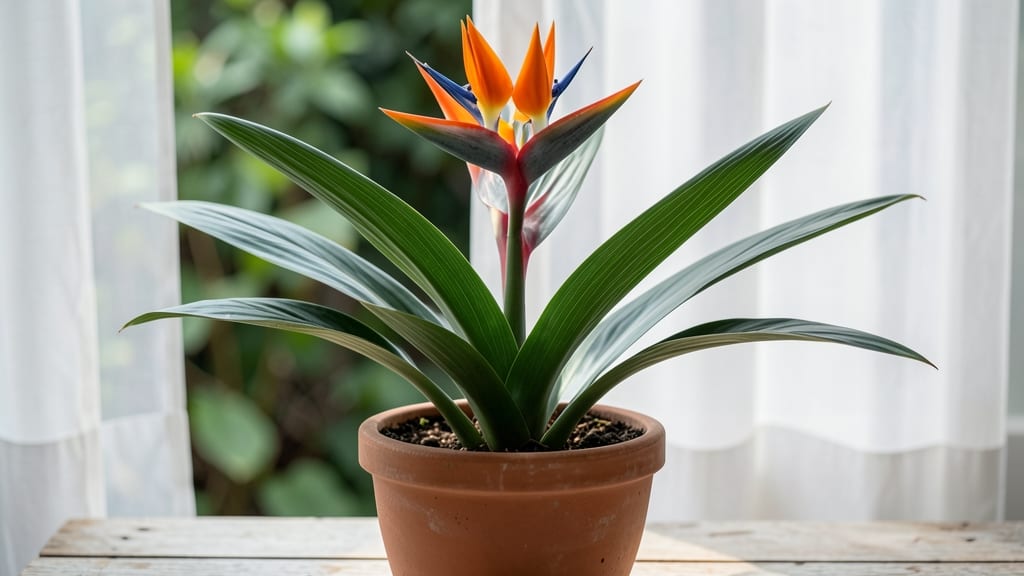
The red bird of paradise tree (Caesalpinia pulcherrima) bursts into fiery red and orange blooms that feel like a tropical vacation in your own yard.
I’ve pruned mine every spring for five years, and the difference is night-and-day—more flowers, fuller growth, and a shape that actually fits my small patio. The key isn’t just cutting branches; it’s understanding when to shape, when to thin, and how to encourage that second flush of blooms in fall.
You’ll need sharp pruners, a clean workspace, and about 30 minutes on a bright morning after the last frost. Start by removing dead or crossing branches—those are the easy wins. Then, cut back any leggy growth by a third to encourage bushier growth.
The real magic happens when you prune right after the first big bloom wave fades, giving the tree time to recover before fall’s second show.
What you’ll end up with is a tree that looks like it belongs in a botanical garden, not just your backyard. The blooms stay vibrant for weeks, the foliage fills in beautifully, and you’ll have fewer pests because the tree stays healthy.
Plus, the pruned branches make great cut flowers—just pop them in water and enjoy the tropical vibes indoors.
Works in zones 9-11, but even in cooler climates, you can grow it in containers and bring it inside for winter. If your tree starts dropping leaves or looks stressed, it’s usually overwatering or too much shade—both easy fixes once you know what to watch for.
Let’s get those blooms popping!
📚 In This Guide
- What you need
- Instructions
- Tips and common mistakes
- Wrapping up and next steps
What you need
- ● Pruning shears: Sharp, bypass-style shears (for clean cuts on small branches). Quantity: 1 pair.
- ● Loppers: Heavy-duty, bypass or anvil type (for thicker branches, ½"–1" diameter). Quantity: 1 pair.
- ● Pruning saw: Curved-tooth saw (for branches 1"–3" in diameter). Quantity: 1.
- ● Gloves: Cut-resistant or heavy-duty gardening gloves (to protect hands from thorns and sharp edges). Quantity: 1 pair.
- ● Disinfectant solution: 70% isopropyl alcohol or bleach-water mix (1 part bleach to 9 parts water) to sterilize tools between cuts. Quantity: Small spray bottle or container.
- ● Rubbing alcohol or hand sanitizer: For cleaning hands after pruning. Quantity: Travel-sized bottle.
- ○ Pruning sealant (optional): Tree wound paint (for large cuts > ½" diameter). Quantity: Small jar.
- ● Ladder or step stool: Sturdy, extendable (if tree is over 6 ft tall). Quantity: 1.
- ● Weather check: Prune on a dry, overcast day or early morning to reduce stress on the tree.
- ● Safety gear: Safety glasses (to protect eyes from debris). Quantity: 1 pair.
- ● Water source: Hose or watering can (to hydrate the tree post-pruning). Quantity: As needed.
- ● Trash bag: For collecting pruned branches. Quantity: 1–2 heavy-duty bags.
- ● Knowledge: Familiarize yourself with the tree’s growth habits and blooming cycle (best pruning time is late winter/early spring or after flowering).
How to prune a red bird of paradise for lush, continuous blooms
Here's the straightforward approach I've used to keep my bird of paradise thriving for over a decade.
Time Your Pruning for Maximum Impact
Prune your red bird of paradise in early spring—just as new growth begins to emerge. This timing ensures you're cutting back before the plant puts its energy into flowering, which gives it a strong foundation for another vibrant season. Avoid pruning in fall or winter, as the plant needs all its energy to store nutrients for next year's growth.
Look for the first signs of new shoots at the base of the plant—these are your cue. If you wait too long, you'll be removing potential bloom stems. The ideal window is within the first 2-3 weeks of spring growth, when the plant is actively pushing out fresh foliage but hasn't yet started flowering.
Remove Dead or Damaged Growth First
Start by inspecting your plant for any dead, yellowed, or brown leaves and stems. Use clean, sharp pruning shears to make 45-degree cuts about ¼ inch above a leaf node or bud. This angle helps water run off the cut and prevents rot. Never leave stubs—always cut back to a clean, healthy section of the plant.
Pay special attention to any stems that look mushy or have blackened areas—these are signs of disease or pest damage. Remove these immediately, even if it means sacrificing some foliage. A healthy plant starts with removing the unhealthy parts first. If you see any signs of scale insects or mealybugs, treat these areas with a neem oil solution before pruning further.
Shape the Plant for Airflow and Light
Next, focus on shaping the plant to improve airflow and light penetration. Red bird of paradise can get leggy, especially if it's been indoors or in low-light conditions. Start by thinning out the center of the plant to allow light to reach the inner stems. This encourages new growth from the base and prevents a dense, shaded center that can harbor pests.
Trim back any overly long or crowded stems to about ⅓ of their length. Make your cuts just above a leaf node or outward-facing bud to encourage bushier growth. Avoid cutting into the thick, woody stems—focus on the softer, green growth. The goal is to create an open, airy structure that lets sunlight reach all parts of the plant, which is key for continuous blooming.
Encourage New Growth at the Base
To promote fresh growth from the base, cut back some of the older, taller stems by about half their height. This might seem drastic, but it signals the plant to redirect its energy toward producing new shoots from the ground up. Look for stems that are thicker and more woody—these are the ones that benefit most from a hard prune.
After pruning, water the plant deeply to help it recover. You'll notice new shoots emerging within 4-6 weeks, especially if you've pruned at the right time. These new growth points will eventually become stronger stems and may even produce flowers. Keep the soil consistently moist but not soggy during this recovery period—this encourages robust root and shoot development.
Maintain Year-Round with Light Trims
After the initial spring pruning, you can do light maintenance trims throughout the year to keep the plant looking its best. Remove any spent flower stalks as they fade—this prevents the plant from wasting energy on seed production. Cut back just above the next set of leaves or buds to encourage new growth.
Every 3-4 months, give the plant a quick once-over to remove any dead leaves, yellowing foliage, or stems that are growing in an unruly direction. This keeps the plant tidy and ensures it doesn't become overcrowded. If you notice any new growth that looks weak or leggy, you can pinch it back slightly to encourage a bushier habit. Regular light pruning keeps the red bird of paradise looking vibrant and healthy year-round.
Tips & tricks for perfect red bird of paradise pruning
Here's what nobody tells you about pruning that makes all the difference between a plant that just survives and one that thrives.
Timing is Everything: That early spring window of 2-3 weeks is your golden opportunity. I learned this the hard way after pruning too late one year and losing all my potential blooms. Watch for those first tiny shoots at the base—those are your signal. If you're unsure, err on the side of pruning earlier rather than later. The plant recovers better from early cuts than from missed bloom potential.
Clean Cuts Prevent Big Problems: Sterilize your pruning shears with rubbing alcohol before you start—this simple step prevents spreading disease between cuts. I once lost a third of my plant to bacterial infection because I skipped this. Always make those 45-degree cuts about ¼ inch above a leaf node, never leaving stubs. This small detail makes a huge difference in how quickly the plant recovers and prevents rot from setting in.
Light and Airflow Make the Difference: When you're thinning the center in Step 3, think of it like opening a window in a stuffy room. That inner growth needs sunlight to photosynthesize properly, and good airflow prevents fungal issues. I've seen plants with dense centers develop powdery mildew within weeks—it's a clear sign they're not getting enough circulation. Don't be afraid to be aggressive with your thinning cuts here.
Recovery Care is Non-Negotiable: After that deep prune in Step 4, your plant will look like it's had a haircut—don't panic! That deep watering is crucial, but so is the consistent moisture afterward. I've seen plants bounce back beautifully when given this attention, while others struggled when I got impatient and let the soil dry out too quickly. Think of it like helping a friend recover from surgery—you wouldn't rush them back to work the next day, right?
Pro Tips for Red Bird Of Paradise Tree
- Here's what nobody tells you about pruning that makes all the difference between a plant that just survives and one that thrives.
- Timing is Everything: That early spring window of 2-3 weeks is your golden opportunity.
- Clean Cuts Prevent Big Problems: Sterilize your pruning shears with rubbing alcohol before you start—this simple step prevents spreading disease between cuts.
Frequently asked questions
Got questions about keeping your Red Bird of Paradise (Caesalpinia pulcherrima) blooming beautifully? Here are some of the most common concerns—and their solutions!
When is the best time to prune my Red Bird of Paradise tree?
The ideal time to prune is late winter or early spring (just before new growth starts). This gives your tree time to recover before summer’s heat. Avoid heavy pruning in fall—it can leave branches vulnerable to cold damage. Light shaping after blooming (summer) is fine, but avoid cutting back too aggressively.
How much can I trim without harming the tree?
You can safely remove up to 25% of the tree’s foliage in one session, but avoid over-pruning. Focus on dead, diseased, or crossing branches first. For shaping, trim back 1/3 of the branch length max. Over-pruning stresses the tree and may reduce blooms. Think of it like a haircut—less is more!
Why isn’t my Red Bird of Paradise blooming after pruning?
If blooms are sparse, check these factors:
- Light: Needs full sun (6+ hours/day)—partial shade reduces flowers.
- Pruning timing: Heavy cuts in summer can delay blooms (they often appear in spring/fall).
- Fertilizer: Use a balanced, phosphorus-rich fertilizer (like 10-10-10) in early spring.
Can I prune my Red Bird of Paradise in cold climates?
Yes, but with caution! If your area drops below 20°F (-6°C), wait until after the last frost to prune. In colder zones, prune lightly—focus on removing dead wood and shaping gently. Avoid heavy cuts, as new growth may not harden off before winter. Mulch the base to protect roots!
What’s a good alternative if my tree isn’t thriving?
If your Red Bird of Paradise struggles with your climate or soil, consider these low-maintenance, drought-tolerant alternatives with similar tropical vibes:
- Royal Poinciana (Delonix regia) – Bold orange blooms, heat-loving.
- Jacaranda – Lavender flowers, fast-growing.
- Bougainvillea – Colorful, thrives in containers.
Wrapping up and next steps
The Red Bird of Paradise tree is a stunning tropical beauty that rewards patience and care with vibrant blooms year-round! By mastering the art of pruning—timing, technique, and tools—you’ll keep your tree thriving, encourage lush foliage, and enjoy its breathtaking Strelitzia reginae flowers for seasons to come. 🌺
Ready to take the next step? Start small: pick a sunny weekend to assess your tree’s shape, gather your tools, and give it that first confident trim. With each snip, you’re not just pruning—you’re sculpting a living masterpiece! 🌿✨