
Pruning
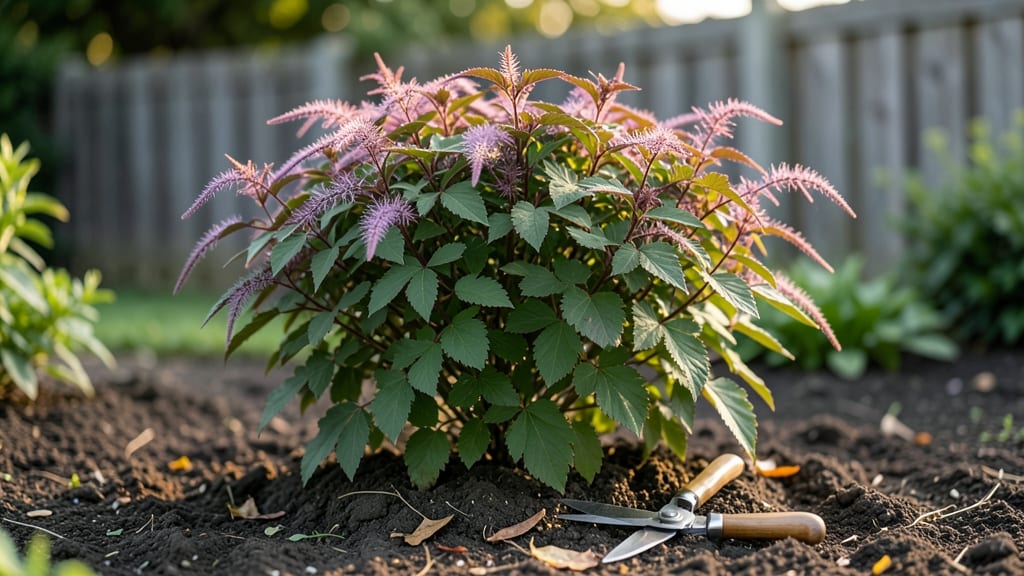
Trimming a smoke tree is the secret to turning it from a wild shrub into a showstopper with year-round interest—and I’ve learned the hard way what works (and what doesn’t). The key is timing: late winter or early spring, when the plant wakes up but before new growth explodes.
Too late, and you risk cutting off next season’s blooms; too early, and you prune dormant wood that won’t respond.
You’ll need just three tools: sharp bypass pruners for clean cuts, loppers for thicker branches, and gloves to protect your hands from those thorny stems. My biggest mistake? Skipping the cleanup—always remove fallen leaves and debris after pruning to prevent disease.
The goal is to open up the center for airflow while shaping the outer branches to highlight that signature smoky foliage.
After pruning, your smoke tree should look fuller at the base and more open at the top, with vibrant new growth pushing from the cut stems. The pinkish “smoke” plumes appear on new wood, so aggressive pruning in early years pays off with dramatic color displays.
Just avoid shearing—it turns smoke trees into boring hedges instead of the textured, layered shrubs they’re meant to be.
This method works for both standard and dwarf varieties, though smaller types need lighter pruning. In warm climates, a second trim in late summer encourages fresh fall color.
Start small—just a few branches—and build confidence before tackling the whole plant. Your neighbors will notice the difference before you even finish!
📚 In This Guide
- What you need
- Instructions
- Tips and common mistakes
- Wrapping up and next steps
What you need
- ● Pruning shears: Bypass pruners (for small branches, 4–6 inches long) – 1 pair (sharp and clean!).
- ● Loppers: Bypass or anvil type (for thicker branches, 8–12 inches) – 1 pair (with a 6–8 ft. reach).
- ● Pruning saw: Curved-tooth hand saw (for stubborn, woody stems 2+ inches thick) – 1 saw (avoid serrated blades).
- ● Gloves: Heavy-duty, cut-resistant (to protect from thorns and sharp branches) – 1 pair.
- ● Disinfectant: 70% isopropyl alcohol or pruning sealant (to sterilize tools between cuts) – small bottle.
- ○ Extension pole: Adjustable or telescoping (for high branches, 6–12 ft.) – 1 pole (optional but helpful!).
- ● Heavy-duty trash bags: 20–30 gallon (for debris cleanup) – 2–3 bags.
- ● Pruning paint: For sealing large cuts (prevents disease in older trees).
- ● Safety glasses: (to shield eyes from debris).
- ● Ladder: Sturdy, non-slip (if branches are >8 ft. high).
- ● Hose with nozzle: (to rinse tools and clean cuts).
- ● Notebook & pen: (to sketch your tree’s shape before cutting!).
How to prune a smoke tree for full, flowering growth
Here's the straightforward approach I use to keep smoke trees lush and blooming all year.
Choose the Right Time for Pruning
Prune your smoke tree in early spring, just as new growth begins but before buds swell. This timing ensures you remove dead wood while encouraging fresh, flowering branches to develop. Avoid pruning in late fall or winter—you'll cut off next year's blooms before they even form.
Look for dormant branches that look brittle or lack leaves. These are safe to remove. Healthy branches will have a slight green tint under the bark when scratched. Wait until temperatures stay above 40°F for a few days to prevent shock to the plant.
Remove Dead, Weak, or Crossing Branches First
Start by cutting out any dead or diseased branches—they won't regrow and can spread problems. Use clean, sharp pruners to make 45-degree cuts just outside the branch collar (the swollen area where the branch meets the trunk). This prevents unsightly stubs and promotes faster healing.
Next, remove weak or spindly branches that grow inward. These compete with stronger branches for sunlight and nutrients. If two branches cross, cut the smaller one to prevent rubbing and potential wounds. You'll notice the tree's natural shape start to emerge as you work.
Thin Out the Canopy for Better Airflow
Smoke trees thrive with good airflow, so aim to open up the center of the tree. Remove about 20-30% of the total branches, focusing on those growing toward the center or blocking light from reaching inner branches. This encourages denser growth on the outer edges where flowers appear.
Step back occasionally to check your progress. The goal is to see light filtering through the branches when looking from underneath. Avoid over-thinning—you want to maintain the tree's natural, rounded shape. If you're unsure, err on the side of leaving more branches.
Shape the Tree for Balance and Bloom
Now, lightly shape the outer edges to encourage a full, rounded silhouette. Cut back overly long branches by about one-third to stimulate bushier growth. Make cuts just above a leaf bud or side branch to encourage new growth in the right direction.
Pay attention to the top of the tree—if it's too heavy, it can cause the center to become bare. Trim the top slightly to balance the weight and keep the tree's energy focused on flowering. You'll see new shoots emerge within a few weeks, signaling successful pruning.
Clean Up and Monitor Recovery
After pruning, rake up and dispose of all clippings—don't leave them on the ground, as they can harbor pests or diseases. Sterilize your pruners with rubbing alcohol between cuts to prevent spreading any potential infections.
Water the tree deeply after pruning to help it recover. Monitor it over the next few weeks for new growth. If you notice any branches dying back or leaves yellowing, it might be a sign of over-pruning. Smoke trees are resilient, but they do best with moderate, strategic cuts rather than drastic changes.
Tips & tricks for perfect smoke tree pruning
Between us, I've pruned enough smoke trees to know the little details make all the difference for that lush, flowering look. Here's what I've learned the hard way—and what will save you time and frustration.
Timing is Everything: That early spring window is non-negotiable for best results. I've tried pruning in late winter when temperatures dip below 40°F, and the tree just didn't bounce back as well. If you miss the spring timing, the next best option is early summer—but avoid pruning after mid-July, as new growth won't have time to harden off before winter. The goal is to catch those first tender shoots while they're still vulnerable but before they've committed to next year's blooms.
Branch Selection Strategy: When you're removing those 20-30% of branches in Step 3, focus on the ones growing straight up or inward. These are the sneaky culprits that create bare spots. I like to use the "light test"—if you can't see light filtering through the center when you look up from underneath, you need to remove more branches. And always cut back to an outward-facing bud or branch—this is where new growth will emerge and keep your tree's natural shape intact.
Pruning Tool Essentials: Don't skimp on your pruners—sharp, clean tools make all the difference. I've ruined perfectly good pruning sessions using dull shears that crushed branches instead of making clean cuts. Sterilize your blades between cuts with rubbing alcohol (as mentioned in Step 5), especially when moving from diseased to healthy branches. For thicker branches, consider using bypass pruners—they create cleaner cuts that heal faster than the jagged edges from anvil pruners.
Recovery Watch: After your deep watering in Step 5, keep an eye out for new growth within 2-3 weeks. Healthy new shoots should appear green and firm to the touch. If you see yellowing leaves or wilting branches, it's a sign you may have over-pruned. Smoke trees are tough, but they do best with gradual changes—think of it like giving your tree a haircut rather than a buzz cut!
Pro Tips for Trimming A Smoke Tree
- Between us, I've pruned enough smoke trees to know the little details make all the difference for that lush, flowerin...
- Timing is Everything: That early spring window is non-negotiable for best results. I've tried pruning in late winter ...
- Branch Selection Strategy: When you're removing those 20-30% of branches in Step 3, focus on the ones growing straigh...
Frequently asked questions
Got questions about trimming your smoke tree?
Here are some of the most common concerns—and their answers—to help you prune with confidence!
When is the best time to trim a smoke tree?
The ideal time to prune is late winter or early spring, just before new growth begins. This timing ensures you don’t cut off next year’s blooms while avoiding harsh winter stress. Light shaping can also be done after flowering, but avoid heavy pruning then.
How much can I trim back without harming the tree?
You can safely remove up to one-third of the foliage in a single session, but avoid drastic cuts. Smoke trees respond well to light pruning—focus on shaping, thinning dense areas, and removing dead or crossing branches. Over-trimming can reduce blooms or stress the plant.
Will trimming affect next year’s flowers?
Not if done correctly! Prune after the tree finishes blooming (late spring/early summer) to preserve flower buds for the following year. Avoid cutting back into old wood—new growth emerges from the current season’s stems. Light, strategic cuts keep the tree lush and blooming.
What should I do if my smoke tree looks unhealthy after pruning?
If you notice yellowing leaves, wilting, or sparse blooms post-prune, check for over-trimming or pests. Ensure the tree gets enough water and well-draining soil. If needed, apply a balanced fertilizer in early spring. Most trees recover quickly with proper care!
Can I shape a smoke tree into a hedge or topiary?
Smoke trees tolerate heavy shaping and are great for hedges or topiary. Use sharp shears for clean cuts and prune regularly (every 4–6 weeks in growing season) to maintain shape. Just avoid cutting into old, bare stems to keep it blooming beautifully.
Wrapping up and next steps
Trimming your smoke tree doesn’t have to be intimidating—just follow the right steps, and you’ll reward yourself (and your garden!) with lush, vibrant blooms year after year. 🌿✨ Whether you’re shaping it for aesthetics or health, consistency is key, and now you’ve got the know-how to tackle it like a pro.
Ready to transform your landscape? Grab those pruners and get started—your smoke tree will thank you with bold, healthy growth and stunning color. Need a refresher? Bookmark this guide and revisit it before your next pruning session!