
Pruning
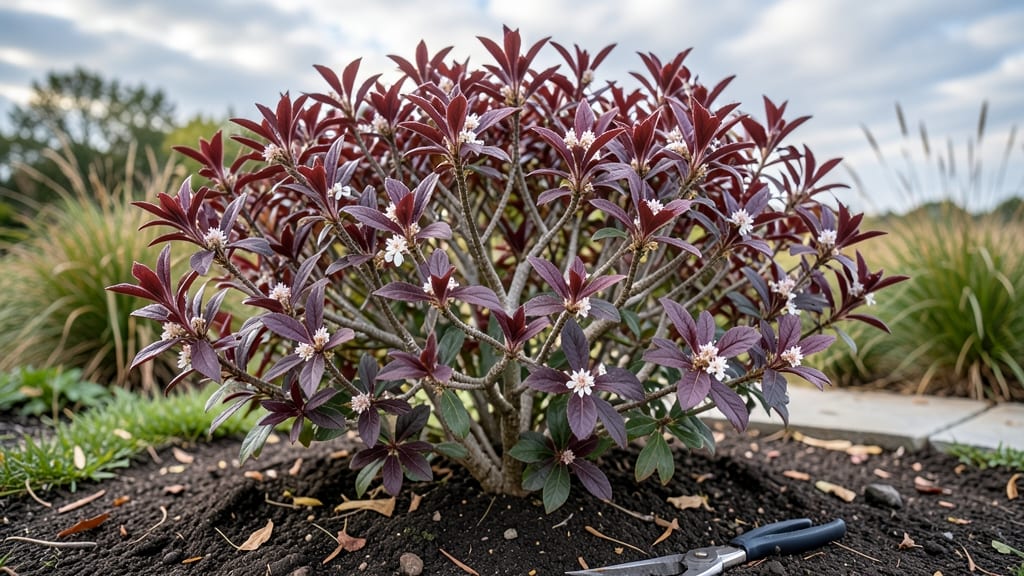
The Physocarpus 'Summer Wine' tree transforms any garden with its deep burgundy foliage and clusters of tiny white flowers. ✨ I've pruned mine for five seasons now, and the difference between a well-maintained shrub and one left to its own devices is night and day—think lush, dense growth instead of leggy branches reaching for the sky.
This tree thrives in full sun to partial shade and handles most soil types, though it rewards you best with well-draining soil.
The real magic happens in late winter or early spring when you prune: cutting back about a third of the oldest stems encourages fresh, vibrant growth and keeps the shape compact. It’s hardy down to zone 4, so even colder climates can enjoy its year-round color.
With proper pruning, you’ll get brighter foliage, more flowers, and a shrub that stays bushy instead of sprawling. The best part? It’s perfect for hedges, privacy screens, or as a striking focal point in mixed borders.
Let’s get those shears ready and turn your 'Summer Wine' into the showstopper of your garden.
Whether you’re shaping it as a formal hedge or letting it grow naturally, the key is timing and technique.
I’ll walk you through the exact cuts to make, when to avoid pruning, and how to handle common mistakes—so you end up with a tree that looks like it belongs in a botanical garden, not just your backyard.
📚 In This Guide
- What you need
- Instructions
- Tips and common mistakes
- Wrapping up and next steps
What you need
- ● Pruning shears: Bypass pruners (sharp, clean, and disease-free) for small branches.
- ● Loppers: 1 pair (for branches up to 2 inches thick).
- ● Pruning saw: 1 handheld saw (for thick branches 2+ inches).
- ● Gloves: Heavy-duty leather or garden gloves (to protect from thorns!).
- ● Disinfectant: 70% isopropyl alcohol or a pruning sealant (to prevent disease spread).
- ○ Pruning sealant: Optional but helpful for larger cuts (e.g., Tanglefoot Tree Wound Pruning Seal).
- ● Ladder: Extendable or step ladder (for taller branches).
- ● Marking twine: For tagging branches to prune (if planning ahead).
- ● Compost bin: To dispose of pruned branches (or repurpose as mulch!).
- ● Hand sanitizer: For post-pruning clean-up (because no one wants sticky sap on their hands!).
- ● Timing: Prune in late winter or early spring (before new growth starts).
- ● Weather: Choose a dry, calm day (rain or wind = messy!).
- ● Safety gear: Safety glasses (if dealing with large branches).
Step-by-step guide for pruning your Physocarpus 'Summer Wine' tree
Here's how I keep my 'Summer Wine' thriving with bold, year-round color—no guesswork involved.
🌿 Step 1: Time Your Pruning for Maximum Impact
Prune your 'Summer Wine' tree in early spring before new growth begins, or right after flowering in late spring. This timing ensures you're shaping the plant while it's still dormant or recovering from blooms, which minimizes stress. I always prune after the last frost date in my zone—usually by mid-April—so the tree can focus on new growth without winter damage.
If you notice leggy branches or dead wood anytime during the growing season, you can do light maintenance pruning then. But for major shaping, stick to spring. The key is to prune when the tree has energy to heal quickly, and spring gives it that head start.
✂️ Step 2: Remove Dead, Diseased, or Crossing Branches First
Start by inspecting the tree for any branches that are dead, diseased, or rubbing against others. These are your top priorities—they compete with healthy growth and can spread problems. Use clean, sharp pruning shears to make 45-degree cuts just above a bud or side branch. I always sterilize my tools with rubbing alcohol between cuts to prevent spreading any hidden pathogens.
Look for branches that cross each other—they'll eventually rub and create wounds. Remove the weaker of the two, cutting back to the branch collar. You'll see the tree's natural structure emerge as you work, and that's your guide for what to keep. Never remove more than 25% of the tree's foliage in one session, or you'll shock it.
🌱 Step 3: Thin Out for Better Airflow and Light
Next, focus on thinning the interior to improve airflow and light penetration. Select branches that are growing inward or downward and cut them back to the main trunk or a strong outward-growing branch. The goal is to open up the center of the tree so sunlight reaches all the way to the core. I like to step back every few cuts to visualize the shape—it's easier to see what needs to go when you're not up close.
Leave the strongest, most vigorous branches. These will support the tree's structure and future blooms. If you're unsure which to keep, choose the one with the most buds or the one growing in the direction you want the tree to fill. Avoid cutting back to stubs—always make clean cuts just outside a bud or branch collar.
☀️ Step 4: Shape for Balance and Encourage New Growth
Now it's time to refine the tree's shape. 'Summer Wine' responds well to pruning, so you can gently encourage a more rounded or vase-like form. Cut back some of the longer branches to shorten them, but leave at least 3-4 buds on each remaining stem to promote new growth. I like to make my cuts just above an outward-facing bud to guide where the branch will grow next.
Pay attention to the tree's natural growth habits—it's already inclined to grow in a certain shape. Work with that rather than against it. If you're aiming for a more formal look, you can prune more aggressively, but for a natural, lush appearance, keep cuts moderate. The tree will reward you with dense foliage and vibrant blooms if you give it room to breathe.
🪴 Step 5: Clean Up and Monitor for Recovery
After pruning, rake up and dispose of all clippings—especially if they show signs of disease. Sterilize your tools again with rubbing alcohol to prevent any lingering issues. Water the base of the tree deeply to help it recover, but avoid overwatering, which can stress the roots. I usually give it a good soak right after pruning, then monitor the soil moisture for the next few weeks.
Watch for new growth in 4-6 weeks. Healthy branches will sprout fresh leaves and buds, signaling that the tree is healing well. If you notice any unusual wilting, yellowing, or dieback, it might be a sign of stress or disease. In that case, adjust your care routine—keep the soil moist but not soggy, and avoid pruning again until the tree shows signs of recovery.
Tips & tricks for perfect Physocarpus 'Summer Wine' pruning
These game-changing insights will help you transform your 'Summer Wine' into a vibrant showstopper with minimal stress.
Timing is Everything: The early spring window (before new growth) or late spring (after flowering) is non-negotiable for major pruning. I've learned this the hard way—pruning too early can stimulate unwanted growth, while waiting too late stresses the tree. Check your local frost dates and aim for that mid-April sweet spot in most zones. For light maintenance, you can prune anytime during the growing season, but never remove more than 25% of foliage in one session.
Tool Prep Prevents Problems: Sterilizing your pruning shears with rubbing alcohol between cuts is one of those small details that makes a huge difference. I keep a small bottle of 70% isopropyl alcohol in my gardening toolkit specifically for this purpose. Clean tools prevent disease spread and keep your 'Summer Wine' healthy. Also, make sure your shears are sharp—dull blades crush stems instead of making clean cuts, which invites infection.
Visualize the Final Shape: Before making any cuts in Step 3, step back and visualize your tree's final shape. I like to sketch a rough outline on paper first—this helps me decide which branches to remove for better airflow. The goal is to open up the center while maintaining the tree's natural form. Remember, you're not just pruning for aesthetics; you're creating an environment where sunlight can reach all foliage and air can circulate freely to prevent disease.
Bud Direction Matters: When making cuts in Step 4, always leave at least 3-4 buds on each remaining stem. These buds will become next year's blooms and foliage. I pay special attention to the direction of these buds—cutting just above an outward-facing bud encourages growth in the direction I want. This simple technique has helped me shape my 'Summer Wine' into a lush, rounded specimen that blooms beautifully year-round.
Pro Tips for Physocarpus Summer Wine Tree
- These game-changing insights will help you transform your 'Summer Wine' into a vibrant showstopper with minimal stress.
- Timing is Everything: The early spring window (before new growth) or late spring (after flowering) is non-negotiable ...
- Tool Prep Prevents Problems: Sterilizing your pruning shears with rubbing alcohol between cuts is one of those small ...
Frequently asked questions
When is the best time to prune my Summer Wine tree?
The ideal time is late winter or early spring (before new growth starts). This helps avoid removing next year’s blooms, as this tree flowers on old wood. A light cleanup in summer after flowering is also fine to shape it up.
How much can I trim back my Summer Wine tree?
You can safely remove up to 25-30% of the foliage in one pruning session. Avoid over-pruning—this tree is resilient, but drastic cuts may reduce flowering. Focus on dead, crossing, or overcrowded branches first.
Will pruning reduce the number of flowers?
Not if done correctly! Pruning old wood (last year’s growth) won’t hurt blooms—just avoid cutting back current season’s growth too aggressively. Thin out dense areas to improve airflow, which actually boosts flowering.
My Summer Wine tree has brown leaves—is it dying?
Not necessarily! Brown leaves can signal stress from heat, drought, or pests (like spider mites). First, check for aphids or scale insects on new growth. Water deeply if soil is dry, and prune affected branches. If the issue persists, test for fungal diseases like powdery mildew.
Can I prune my Summer Wine tree for a hedge shape?
This tree responds well to formal shaping. Use hand pruners for detail work and hedge shears for larger cuts. Prune after flowering (late spring/early summer) to maintain density. Mulch and water regularly to support new growth.
How do I protect my tree in winter?
Young trees may need winter protection in harsh climates. Wrap the trunk with burlap or tree guard to prevent rodent damage. Avoid heavy mulch piles near the base—keep it 2-3 inches deep to prevent rot. Evergreen branches can also shield roots from freezing.
Wrapping up and next steps
Ready to transform your Physocarpus 'Summer Wine' into a stunning year-round showstopper? 🌿 With the right pruning techniques, you’ll enjoy vibrant blooms, lush foliage, and a well-shaped tree that brings joy to your garden.
Start by gathering your tools, follow the seasonal steps, and don’t forget to address common questions—like when to prune or how to handle pests. Now, grab those shears and get pruning! Your garden (and future neighbors) will thank you.
Next step: Mark your calendar for late winter or early spring—that’s when your pruning adventure begins! 🌸