
Pruning
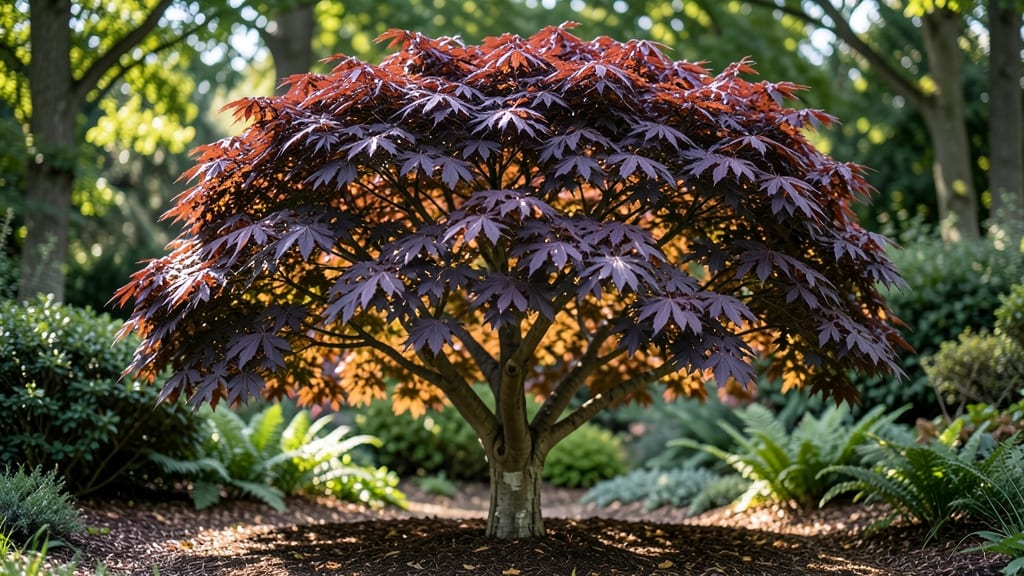
The purple leaf beech tree (Fagus sylvatica 'Purpurea') turns your landscape into a living painting—deep burgundy foliage that stays stunning through all four seasons. I planted mine five years ago, and it’s become the centerpiece of my backyard, requiring almost no pruning to keep its dramatic color.
The key is understanding its natural growth habits rather than fighting them.
This tree thrives in partial shade to full sun, making it perfect for gardens where full-sun plants struggle. It’s not picky about soil—just ensure it’s well-draining, as soggy roots lead to root rot. Once established, it’s drought-tolerant, but young trees need consistent moisture to develop strong roots.
The real magic happens when you let it grow naturally; minimal pruning preserves its graceful, rounded shape while keeping those rich purple leaves vibrant.
By winter, the leaves turn a soft bronze, and the smooth, silver-gray bark adds texture. In spring, new foliage emerges a bright copper before deepening to its signature purple.
The tree’s slow, steady growth means you won’t need to prune more than once every few years—just remove dead branches or shape it lightly in late winter. It’s the kind of tree that grows more beautiful with age, with almost no effort.
Perfect for both small and large gardens, this tree adapts to urban settings, woodland gardens, or as a standalone specimen. The only real challenge is avoiding deer—you’ll need to protect young saplings until they’re too tall to browse.
Once mature, it’s nearly maintenance-free and will outshine any other shade tree in your neighborhood.
📚 In This Guide
- What you need
- Instructions
- Tips and common mistakes
- Wrapping up and next steps
What you need
- ● Pruning shears: Bypass pruners (sharp, 5-7 inch blades) for small branches.
- ● Loppers: 8-10 inch bypass loppers for thicker branches (½–1.5 inches in diameter).
- ● Pruning saw: Curved-blade saw for branches 1.5+ inches thick.
- ● Gloves: Heavy-duty, cut-resistant gloves (e.g., mechanics’ or pruning gloves).
- ● Disinfectant: 70% isopropyl alcohol or rubbing alcohol for sterilizing tools.
- ○ Pruning sealant: Optional but helpful for sealing larger cuts (1+ inch diameter).
- ● Ladder: Sturdy, extendable ladder (if tree is 10+ feet tall).
- ● Safety gear: Safety glasses and long sleeves/pants to protect from branches.
- ● Tree bagging tape: For wrapping cuts to prevent pests/disease.
- ● Garden hose: For rinsing tools and cleaning sap off branches.
- ● Pruning rope: Lightweight rope to lower large branches safely.
- ● Notebook: To jot down pruning notes or track growth patterns.
How to plant and care for a purple leaf beech tree
Here's the straightforward approach I've used to keep these stunning trees thriving with almost no fuss.
🌱 Step 1: Choose the Perfect Planting Location
Purple leaf beech trees need full sun to partial shade—at least 6 hours of sunlight daily—to maintain their vibrant foliage. I always pick a spot where they'll get morning sun and afternoon shade, especially in hotter climates. The tree's striking purple leaves burn easily in intense afternoon heat, so avoid south-facing exposures without afternoon relief.
Dig a hole twice as wide as the root ball but no deeper. The top of the root ball should sit 1-2 inches above ground level—this prevents water from pooling around the roots. Loosen the soil at the bottom of the hole with a shovel to encourage root spread. Amend heavy clay soil with 2-3 inches of compost mixed into the bottom of the hole for better drainage.
🌿 Step 2: Plant and Water Thoroughly
Gently remove the tree from its container and loosen any circling roots with your fingers. Place it in the hole so the root flare (where roots meet the trunk) sits at ground level. Fill around the roots with native soil, pressing lightly to eliminate air pockets. I like to add a 1-inch layer of mulch (not touching the trunk) to retain moisture and regulate soil temperature.
Water immediately after planting with 5-10 gallons of water, depending on the tree's size. The soil should be evenly moist to a depth of 12 inches. Purple leaf beeches are drought-tolerant once established, but young trees need consistent moisture. Water 2-3 times per week for the first year, then taper to once every 2 weeks once established, adjusting for rainfall.
✂️ Step 3: Prune Strategically for Year-Round Beauty
Purple leaf beeches require minimal pruning—the key is timing. Prune in late winter or early spring before new growth begins. Remove any dead, diseased, or crossing branches first. Then, shape the tree by thinning out crowded branches to improve airflow and sunlight penetration. I never cut more than 25% of the foliage in one season to avoid stressing the tree.
Watch for suckers growing at the base—these compete with the main trunk for nutrients. Remove them immediately with clean pruners. For mature trees, you can lightly trim to maintain the canopy shape, but avoid heavy pruning. The goal is to preserve the tree's natural form while keeping it healthy. Always sterilize your pruners with rubbing alcohol between cuts to prevent disease spread.
☀️ Step 4: Maintain Soil and Monitor Health
Purple leaf beeches thrive in well-draining, slightly acidic to neutral soil (pH 6.0-7.5). Test your soil annually and amend with compost or organic matter if needed. Fertilize lightly in early spring with a balanced, slow-release fertilizer (10-10-10). Over-fertilizing can lead to excessive leaf growth at the expense of color intensity—what you want is vibrant purple, not lush green.
Keep an eye out for beech leaf disease, which causes dark spots and leaf drop. If you notice these symptoms, remove and destroy affected leaves immediately. Also, watch for scale insects—they appear as small bumps on branches. A strong spray of water can dislodge them, or use horticultural oil for severe infestations. Healthy purple leaf beeches are low-maintenance but reward you with stunning color year-round.
Tips & tricks for perfect purple leaf beech tree care
These simple strategies will help you keep your purple leaf beech looking stunning with minimal effort—once you know the right approach.
Sunlight Strategy: Those 6 hours of sunlight are non-negotiable for maintaining vibrant purple foliage, but here's the trick: position your tree where it gets morning sun and afternoon shade in hotter climates. I've seen trees in south-facing spots with afternoon sun turn dull brown by summer—avoid this by planting near taller trees or structures that provide afternoon relief. The color intensity directly correlates with sunlight exposure.
Planting Depth Matters: When you're creating that hole twice as wide as the root ball, pay special attention to the root flare placement. The top should sit 1-2 inches above ground level—this prevents water pooling that can cause root rot. I've learned this the hard way after seeing trees struggle when planted too deeply. A simple visual check: the flare should be clearly visible above the soil line after planting.
Watering Wisdom: After planting, those 5-10 gallons of water should be spread evenly around the root zone, not poured in one spot. For the first year, I set a timer for my watering schedule—2-3 times per week is ideal, but adjust based on rainfall. The key is keeping the soil evenly moist to 12 inches deep, not just surface watering. A soil probe helps verify moisture levels if you're unsure.
Pruning Precision: When you're pruning in late winter, focus on removing only dead, diseased, or crossing branches first. I've found that thinning out crowded branches improves airflow and prevents fungal issues. The 25% foliage limit is crucial—exceeding this can stress the tree and reduce its stunning purple color. Always use sterilized pruners between cuts to prevent spreading disease from one branch to another.
Pro Tips for Purple Leaf Beech Tree
- These simple strategies will help you keep your purple leaf beech looking stunning with minimal effort—once you know the right approach.
- Sunlight Strategy: Those 6 hours of sunlight are non-negotiable for maintaining vibrant purple foliage, but here's the trick: position your tree where it gets morning sun and afternoon shade in hotter climates.
- Planting Depth Matters: When you're creating that hole twice as wide as the root ball, pay special attention to the root flare placement.
Frequently asked questions
Got questions about keeping your purple leaf beech tree stunning with minimal effort? We’ve got answers! Here are the most common queries from gardeners just like you.
How often should I prune a purple leaf beech tree?
Prune your purple leaf beech tree only when necessary—typically once a year in late winter or early spring (before new growth starts). Focus on removing dead, diseased, or crossing branches. Avoid heavy pruning, as these trees thrive with minimal intervention. Pro tip: Use sharp, sterilized tools to prevent damage!
Do purple leaf beech trees lose their color in winter?
Yes! While their leaves turn a deep bronze or purple-red in fall, they may fade to a duller hue in winter. Don’t worry—this is normal. The vibrant foliage returns in spring, and their exfoliating bark adds winter interest. For extra color retention, ensure they’re planted in full sun and well-drained soil.
Can I grow a purple leaf beech tree in a container?
While possible, it’s not ideal for long-term growth. Purple leaf beeches have deep roots and can become root-bound quickly. If you must use a container, choose a large, sturdy pot (at least 20 gallons) and replant outdoors within 2–3 years. For best results, plant them directly in the ground where they can thrive!
What pests or diseases should I watch for?
Purple leaf beeches are generally low-maintenance, but keep an eye out for beech leaf disease (a fungal issue causing leaf spots) and scale insects. Prune affected branches immediately and apply fungicide if needed. Healthy trees with proper spacing and airflow resist most problems. Pro tip: Mulch around the base to deter pests!
Are there alternatives if I want a low-maintenance purple tree?
If you love the color but want even less pruning, consider redbud trees (spring blooms) or smoke trees (Cotinus) (feathery foliage). For shade + color, Japanese maples (like 'Bloodgood') are stunning but require slightly more care. Purple leaf beeches are a great middle-ground for effortless beauty!
Wrapping up and next steps
The purple leaf beech tree is a stunning, low-maintenance addition to any landscape, offering year-round beauty with minimal pruning effort. Its vibrant foliage and adaptability make it a favorite for both beginners and seasoned gardeners alike—proving that striking curb appeal doesn’t require endless upkeep. 🌿
Ready to elevate your outdoor space? Start by observing your tree’s natural shape and planning a simple pruning session this fall or early spring. With just a few cuts, you’ll keep it healthy and thriving for seasons to come!