
Trees
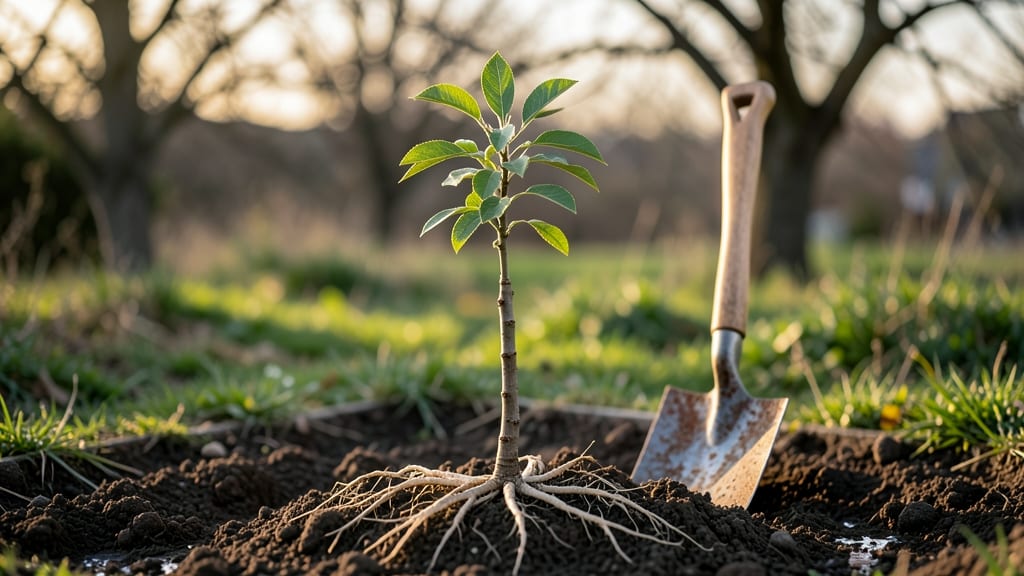
Planting peach trees in early spring or fall ensures roots establish before extreme heat or cold—my first tree nearly died because I waited until summer. The secret lies in cold-stressed roots: chilling them for 300-600 hours (depending on your zone) breaks dormancy just enough for strong growth when planted.
This method works especially well in zones 5-9, where winter chill is critical for fruit production.
You’ll need well-draining soil with a pH between 6.0 and 6.5, a shovel, mulch, and a sturdy stake for support. Dig a hole twice as wide as the rootball but no deeper—peaches hate sitting too low.
Amend heavy clay with compost if your soil is dense, and avoid fresh manure, which can burn tender roots. The right spot gets full sun (6+ hours daily) and protection from harsh winds.
After planting, water deeply to settle the soil, then mulch around the base (but keep it 2-3 inches away from the trunk) to retain moisture and regulate temperature. Young trees need consistent watering—about 1-2 inches per week—but never let them sit in soggy soil.
Within a year, you’ll see strong new shoots, and by year three, your tree could bear fruit if given proper care.
Regional tweaks matter: in hot climates, plant on the north side of the house for shade relief; in colder zones, choose low-chill varieties like 'Redhaven' or 'Elberta.' Avoid common mistakes like over-fertilizing (wait until the second year) or pruning too much at planting—just trim any broken branches.
With patience, your peach tree will reward you with juicy fruit for decades.
📚 In This Guide
- What you need
- Instructions
- Tips and common mistakes
- Wrapping up and next steps
What you need
- ● Peach tree saplings: 1-2 (choose cold-hardy varieties like Elberta or Redhaven for Zone 5-7).
- ● Shovel or trowel: 1 (for digging planting holes).
- ● Garden fork: 1 (to loosen soil).
- ● Compost or well-aged manure: 5-10 gallons (to enrich soil).
- ● Mulch (straw, wood chips, or pine needles): 2-3 inches (to retain moisture).
- ● Tree stakes & ties: 2 stakes + soft ties (for young trees).
- ● Watering can or hose with nozzle: 1 (for gentle watering).
- ● Pruning shears: 1 (for shaping and removing dead branches).
- ● Organic fertilizer (balanced NPK, e.g., 10-10-10): 1 bag (follow package instructions).
- ● Soil test kit: 1 (to check pH and nutrient levels; ideal pH: 6.0-6.5).
- ● Root stimulator (mycorrhizal fungi or liquid rooting hormone): 1 bottle (boosts root growth).
- ● Tree guard or protective wrap: 1 roll (safeguards trunk from pests/sunburn).
- ● Drip irrigation system: 1 (for consistent watering in dry climates).
- ● Cold-frame or frost cloth: 1 (extra protection for young trees in early spring).
Step-by-step guide for planting peach trees
Here's how to plant peach trees for strong root systems and long-term fruit production.
Choose the Right Location and Prepare the Soil
Peach trees thrive in full sun with at least 6-8 hours of direct sunlight daily. Avoid low spots where cold air settles, as peaches are sensitive to frost damage. Test your soil's pH—it should be between 6.0 and 7.0. If your soil is heavy clay or sandy, amend it with 2-3 inches of compost mixed into the top 12 inches of soil. This improves drainage and nutrient availability, which peach trees crave.
Dig a planting hole twice as wide as the root ball but no deeper. Loosen the sides of the hole so roots can spread easily into surrounding soil. If your soil is compacted, break up the bottom with a shovel to encourage root penetration. The goal is to create a welcoming environment where roots can establish quickly without struggling.
Handle the Root Ball and Position the Tree
Remove the tree from its container or burlap wrap and gently loosen the roots at the edges if they’re circling or tightly bound. Submerge the root ball in a bucket of lukewarm water for 10-15 minutes to hydrate the roots before planting. This step is critical—dry roots struggle to adapt, and peach trees are particularly sensitive to transplant shock.
Place the tree in the hole so the top of the root ball sits 1-2 inches above ground level. Peach trees need this slight elevation to prevent water from pooling around the trunk, which can cause rot. Use a level to ensure the tree stands straight—tilted trees grow unevenly and produce poor-quality fruit. Fill the hole halfway with soil and tamp it gently to remove air pockets.
Backfill and Water Thoroughly
Add the remaining soil to the hole, tamping lightly every 3-4 inches to eliminate air gaps. Avoid compacting the soil too firmly, as this can restrict root growth. Once the hole is filled, create a watering basin by mounding soil around the base to direct water toward the roots. Water deeply until the soil is saturated 12 inches down—this encourages roots to grow downward rather than staying shallow.
Apply 3-4 gallons of water immediately after planting to help settle the soil and eliminate air pockets. Mulch the area with 2-3 inches of organic mulch (like wood chips or straw) within a 2-foot radius of the trunk. Keep the mulch 3-4 inches away from the trunk to prevent rot. This layer retains moisture, regulates soil temperature, and suppresses weeds—all of which reduce stress on young peach trees.
Stake and Prune for Stability and Growth
If your tree is tall or top-heavy, install a stake and tie to support it during its first growing season. Use a soft tree tie (not wire or plastic) to avoid girdling the trunk as it grows. Position the stake on the south side of the tree to shield it from harsh afternoon sun, which can dry out the bark. Leave the tie loose enough to allow the trunk to sway slightly—this helps strengthen the tree’s natural stability.
Prune the tree immediately after planting to remove any broken, crossing, or diseased branches. Focus on opening the center of the tree to improve airflow and sunlight penetration. Cut back any suckers (shoots growing from the base) to 4-6 inches from the ground—they’ll compete with the main trunk for nutrients. This early pruning sets the stage for a strong, productive framework.
Tips & tricks for planting peach trees
Here's what nobody tells you about giving your peach trees the best possible start—these tricks make all the difference for long-term success.
Soil Preparation Secret: When amending your soil with 2-3 inches of compost, mix it into the top 12 inches—not just the surface. This creates a nutrient-rich zone where roots can spread horizontally. I've seen peach trees struggle when compost stays on top because roots can't access it properly. Use a broadfork to loosen compacted soil without turning it over, which preserves soil structure while improving aeration.
Root Hydration Hack: That 10-15 minute soak for the root ball is non-negotiable, but here's the pro move: use lukewarm water (around 70°F) instead of cold. Cold water can shock the roots further, while warm water mimics springtime conditions that encourage root growth. After soaking, let any excess water drain completely before planting—soggy roots won't establish well.
Watering Wisdom: The 3-4 gallons of water immediately after planting should be your first of three deep waterings in the first week. After planting, water again in 3-4 days, then again in 7 days. This establishes a consistent moisture pattern that roots need to spread confidently. Think of it like giving your tree a drink at the same time every day—predictability helps roots grow faster.
Mulch Placement Tip: While 2-3 inches of organic mulch is perfect, create a donut shape with the mulch—keep it 3-4 inches away from the trunk. This prevents rot while still protecting the roots. I've seen many gardeners pile mulch right against the trunk, which creates moisture that leads to fungal issues. Also, use straw instead of wood chips if you're in a hot climate—straw breaks down slower and retains moisture better.
Pro Tips for Planting Peach Trees
- Here's what nobody tells you about giving your peach trees the best possible start—these tricks make all the difference for long-term success.
- Soil Preparation Secret: When amending your soil with 2-3 inches of compost, mix it into the top 12 inches—not just the surface.
- Root Hydration Hack: That 10-15 minute soak for the root ball is non-negotiable, but here's the pro move: use lukewarm water (around 70°F) instead of cold.
Frequently asked questions
Got questions about planting peach trees?
You’re not alone! Here are answers to the most common concerns—from timing to troubleshooting—so you can grow a thriving orchard with confidence.
What’s the best time of year to plant peach trees?
Plant peach trees in early spring or late fall (4–6 weeks before the ground freezes) for the best root establishment. Avoid extreme heat or cold—roots need time to adjust without stress. Pro tip: If planting in spring, do it before buds swell to prevent early stress.
Can I plant peach trees in cold climates?
Yes! Choose cold-hardy varieties (like ‘Reliance’ or ‘Contender’) rated for your USDA zone (typically zones 5–8). Plant in a sheltered spot (e.g., south-facing slope) and mulch heavily to protect roots. Warning: Young trees may need winter wraps in harsh zones.
How close can I plant peach trees to my house or fence?
Keep trees 15–20 feet from structures to avoid root damage and shading. For fences, maintain 8–10 feet of clearance—peach trees grow wide (15–25 feet) and need airflow. Pro tip: Prune lower branches annually to prevent overgrowth.
Why are my peach tree leaves curling or yellowing after planting?
Curling/yellowing often signals stress from transplant shock, pests (like aphids), or fungal issues. Check for:
- Watering: Overwatering causes root rot; underwatering stresses roots.
- Pests: Spray with neem oil if you spot aphids or mites.
- Soil pH: Test soil—peaches prefer 6.0–7.0 pH.
If symptoms persist, consult a local extension office for diagnostics.
How long until my peach tree bears fruit?
Most peach trees take 3–5 years to bear fruit, depending on variety and care. Dwarf trees may fruit sooner (2–3 years), while standard trees take longer. Boost production: Thin fruit when young to improve size/quality and fertilize with nitrogen-rich compost in early spring.
Wrapping up and next steps
Planting peach trees is a rewarding journey that blends patience with the promise of sweet, sun-kissed fruit and stunning spring blooms.
By choosing the right variety, preparing cold-hardy roots, and giving your trees the ideal growing conditions, you’re setting the stage for a thriving orchard. Now’s the time to roll up your sleeves—dig, plant, and nurture with confidence!
Ready to take the next step? Start small—whether it’s a single tree in your backyard or a few saplings to share with neighbors. Watch your hard work bloom (literally!) and enjoy the fruits of your labor for years to come. 🌱🍑