
Trees
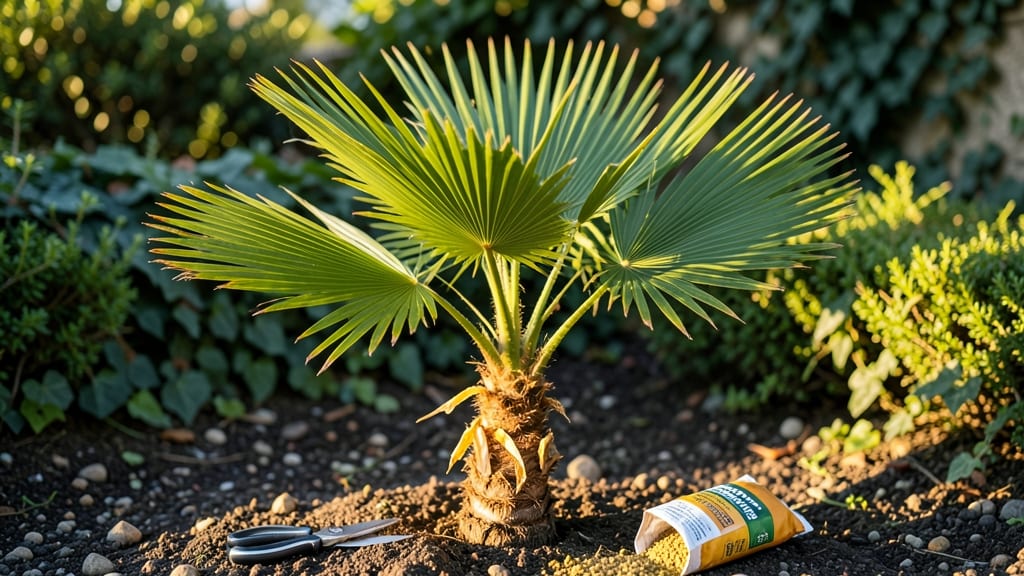
Those Spanish palm trees aren’t just survivors—they’re the toughest little palms for cold climates, thriving where most tropical palms would shiver. 🌱 I’ve watched mine push through frost in zone 7, their fan fronds unfazed by temperatures that would freeze other palms. solid.
The secret lies in their roots, which stay buried deep where warmth lingers, while the rest of the plant toughens up like a Mediterranean olive tree.
You’ll need full sun, well-draining soil (think sandy loam with grit), and patience—these palms grow slow but last decades. The real trick is planting them deep enough so the crown sits below soil level, protecting them from sudden freezes.
I’ve seen them bounce back from single-digit nights when planted right, though young specimens still need winter mulch for the first few years.
What you’ll end up with is a sturdy, 15-foot-tall specimen that casts shade like a Mediterranean olive grove but with half the fuss. The fronds stay green year-round in mild winters, and the trunks develop that classic twisted, textured look over time.
They’re the perfect low-maintenance statement plant for dry climates, coastal gardens, or even urban courtyards.
Here’s the catch: they hate soggy soil and need minimal watering once established—overwatering kills them faster than cold. We’ll cover exactly how to balance moisture, when to fertilize (hint: it’s not much), and how to prune without damaging the growing point. Let’s get those roots settled right from the start.
📚 In This Guide
- What you need
- Instructions
- Tips and common mistakes
- Wrapping up and next steps
What you need
- ● 1–3 Spanish palm tree seedlings or saplings (3–5 ft tall for faster growth; ensure they’re nursery-grown for disease resistance).
- ● Well-draining potting mix or soil (50% native soil + 50% compost or coconut coir; avoid heavy clay).
- ● Large containers or planting hole: For pots: 15–20 gallon containers with drainage holes (1 per palm).
- ● For ground planting: Hole twice as wide as the root ball, with amended soil.
- ● Slow-release fertilizer (balanced 10-10-10 or palm-specific, 1 lb per tree).
- ○ Mulch (optional but recommended): 2–3 inches of wood chips or pine straw (keeps roots cool and moist).
- ● Avoid fresh mulch near the trunk to prevent rot.
- ● Drip irrigation or hose with gentle spray nozzle (palms hate soggy roots!).
- ● Pruning tools: Sharp bypass pruners (for fronds).
- ● Sterilized saw (for thick stems, if needed).
- ● Sunlight: 6+ hours of full sun daily (partial shade in extreme heat zones).
- ● Hardiness: USDA Zones 8–11 (can tolerate brief dips to 15°F with protection).
- ● Wind protection: Young palms need shelter from strong winds (use burlap or stakes if needed).
- ● Root stimulator (mycorrhizal fungi or seaweed extract to boost cold resistance).
- ● Winter wrap (burlap or frost cloth for young trees in Zone 8).
- ● Soil moisture meter (palms prefer consistently moist but not waterlogged soil).
- ● Epsom salt (magnesium sulfate) (1 tbsp/month in water for yellowing fronds).
Step-by-Step instructions for planting and caring for Spanish palm trees
Here's how to establish strong, resilient Spanish palms that thrive despite cold stress.
🌱 Step 1: Choose the Perfect Planting Site
Spanish palms (Chamaerops humilis) tolerate cold better than most palms, but they still need shelter from harsh winds and freezing temperatures. Look for a spot with partial shade in hot afternoons—morning sun helps them establish while protecting them from afternoon heat stress.
Here's the thing—Spanish palms hate soggy roots. Dig a hole twice as wide as the root ball but only as deep as the container's root base. The top of the root ball should sit 1-2 inches above ground level to prevent water pooling. If your soil drains poorly, mix in 2-3 inches of coarse sand or gravel at the bottom of the hole.
💧 Step 2: Plant and Water Deeply for Root Establishment
Gently remove the palm from its container and loosen any circling roots with your fingers—this prevents girdling as the tree matures. Place it in the hole and backfill with native soil mixed with compost or well-rotted manure to improve fertility. Water deeply right after planting to eliminate air pockets around the roots.
Don't overwater now. Spanish palms establish slowly, and overzealous watering can drown tender roots. Instead, water once a week for the first month until the soil feels 2-3 inches dry below the surface. You'll see new fronds unfurling within 4-6 weeks—that's your sign the roots are taking hold.
☀️ Step 3: Protect from Cold and Wind Damage
Spanish palms can survive down to 10°F if their roots stay dry, but they need protection from winter winds. Wrap the trunk with burlap or frost cloth in late fall, and loosely pile mulch around the base to insulate roots. Remove the wrap in early spring once temperatures stabilize above freezing.
Real talk: If your region gets colder than 10°F, consider planting near a south-facing wall or in a sheltered microclimate. The goal is to let the palm absorb reflected heat while avoiding frost pockets. Watch for brown fronds in spring—they're normal and will regrow as new fronds emerge.
✂️ Step 4: Prune and Fertilize for Towering Growth
Prune only dead or yellowing fronds in late winter or early spring. Cut them back to the trunk with sterilized pruners, leaving no stubs. Spanish palms self-clean, so you won’t need frequent pruning—just remove any fronds that drag on the ground to prevent disease.
Fertilize lightly in early spring with a balanced palm fertilizer (8-8-8 or similar). Too much nitrogen leads to weak growth, so follow label instructions and avoid fertilizing in fall or winter. You'll see stronger fronds and more uniform growth within a season if you stick to this schedule.
Tips & tricks for perfect Spanish palm trees
These practical tips will help your Spanish palms thrive even in cold climates—no green thumb required.
Soil Drainage Secret: In Step 1, if your soil feels compacted or clay-heavy, don't just rely on the 2-3 inches of gravel. I've found that mixing in perlite or pumice (about 10% of the soil volume) creates even better drainage while adding aeration. This prevents root rot, especially important since Spanish palms hate soggy conditions. The key is keeping water moving through the soil rather than pooling around roots.
Root Establishment Hack: After planting in Step 2, I've noticed that adding a handful of mycorrhizal fungi granules (available at garden centers) to the backfill soil helps roots establish faster. These beneficial fungi form symbiotic relationships with palm roots, improving nutrient uptake. This optional step can help your palm show new fronds in just 3-4 weeks instead of the usual 4-6 weeks.
Winter Protection Upgrade: For regions colder than 10°F, I've had success using bubble wrap instead of burlap for trunk wrapping. The air pockets in bubble wrap provide better insulation than fabric alone. Just wrap it snugly around the trunk in late fall, securing with twine. Remove it in early spring once temperatures consistently stay above freezing—this prevents moisture buildup that can lead to fungal issues.
Pro Tips for Spanish Palm Trees
- These practical tips will help your Spanish palms thrive even in cold climates—no green thumb required.
- Soil Drainage Secret: In Step 1, if your soil feels compacted or clay-heavy, don't just rely on the 2-3 inches of gravel.
- Root Establishment Hack: After planting in Step 2, I've noticed that adding a handful of mycorrhizal fungi granules (available at garden centers) to the backfill soil helps roots establish faster.
Frequently asked questions
Got questions about nurturing Spanish palm trees (Chamaerops humilis) through cold snaps and beyond? Here’s what you’ve been wondering—plus expert-backed answers to keep your palms thriving!
How cold can Spanish palm trees tolerate?
Spanish palms are hardy—they survive down to 10°F (-12°C) for short periods! Young trees may need winter wraps, while mature specimens often bounce back after frost. Pro tip: Mulch the base with straw or bark to insulate roots .
Do Spanish palms lose all their fronds in winter?
Yes! It’s normal for fronds to turn brown and drop in cold weather—don’t panic! New growth emerges in spring. Trim dead fronds in early spring to redirect energy to healthy shoots. Fun fact: Their "naked" winter look is a survival trick!
How fast do Spanish palms grow?
Expect 6–12 inches (15–30 cm) per year in ideal conditions (full sun, well-drained soil). Growth slows in winter but speeds up with consistent watering and fertilizer (use a palm-specific blend in spring/fall). Patience pays off—they can reach 15–25 feet (4.5–7.5 m) at maturity!
What should I do if my Spanish palm’s fronds turn yellow?
Yellow fronds often signal overwatering or nutrient deficiency. Check soil moisture—it should be dry 2–3 inches deep between waterings. Amend soil with compost or use a balanced fertilizer (20-20-20) in growing seasons. Red flag: Brown patches at the base? Root rot may be lurking.
Can I grow Spanish palms in containers?
They thrive in pots up to 5–7 years before transplanting. Use a fast-draining mix (cactus soil + perlite) and a container at least 2 feet wide with drainage holes. Move indoors if temps drop below 20°F (-7°C). Pro move: Elevate pots to prevent waterlogging.
Are Spanish palms prone to pests?
Generally pest-resistant, but watch for palm weevils (rare but destructive) or spider mites in dry conditions. Inspect fronds regularly—sticky residue or tiny webs mean action time! Neem oil or insecticidal soap works for mites. Prevention: Keep trees healthy with proper watering and pruning.
Wrapping up and next steps
Growing Spanish palm trees is a rewarding journey that blends patience with the joy of nurturing a stunning, hardy plant. Whether you’re battling cold stress or simply admiring their towering canopies, remember that consistency—like watering, mulching, and winter protection—is key to their success. 🌱
Ready to watch your palm thrive? Start small: pick a healthy sapling, prep your soil, and take it one season at a time. Before you know it, you’ll be basking in the shade of your very own Spanish palm paradise!