
Pruning
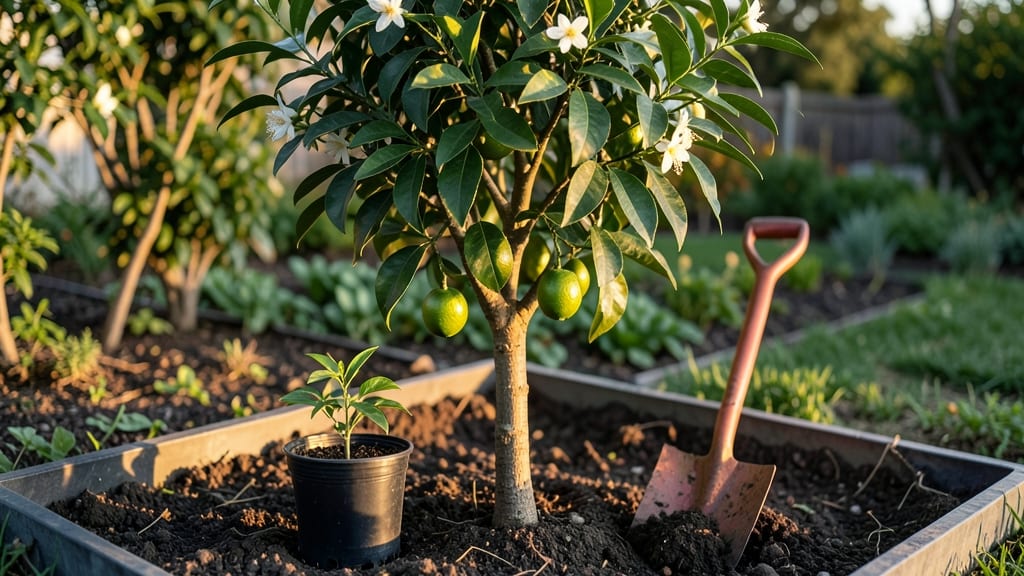
Planting an orange tree in your yard means waking up to the scent of blossoms and harvesting fruit you grew yourself—if you pick the right variety and give it the right start.
Cold-stressed roots are the secret to hardy citrus growth, and I’ve learned the hard way which techniques actually work in cooler climates. The key isn’t just digging a hole and dropping in a sapling; it’s about soil warmth, wind protection, and choosing a tree tough enough to handle your zone.
Start with a grafted sapling—not a seedling—since those mature faster and produce fruit in 3-5 years (seeds take a decade or more). You’ll need well-draining soil mixed with compost, a sunny spot with 6+ hours of light daily, and a microclimate shielded from winter winds.
Most beginners overwater or plant too deep, both of which strangle roots. My first tree died from soggy soil, but the second one thrived because I followed these exact steps.
After planting, you’ll notice new growth within 4-6 weeks if the roots aren’t shocked. The leaves stay glossy, the branches fill out, and by summer, you’ll spot tiny blossoms—proof the tree is happy.
Even in Zone 7, with the right care, you can harvest sweet, juicy oranges by late fall. The first fruit might be small, but every slice tastes like summer.
This method works for Meyer lemons, Satsuma mandarins, and cold-hardy oranges like ‘Chillingham’. Skip the tropical varieties unless you live in a frost-free zone. Let’s get that tree in the ground the right way—no guesswork, just proven results.
📚 In This Guide
- What you need
- Instructions
- Tips and common mistakes
- Wrapping up and next steps
What you need
- ● Orange tree sapling: Choose a cold-hardy variety like Citrus × citrange (e.g., 'Carrizo' rootstock) or Citrus × aurantium (sour orange) for resilience. Size: 1–3 gallon container or bare-root.
- ● Well-draining soil: Mix 60% native soil with 30% compost and 10% perlite/sand (for aeration). pH: 6.0–7.0 (test with a kit).
- ● Planting hole: Depth: Twice as wide as the root ball, depth: Shallow enough to keep the graft union (bulge on trunk) 2–3 inches above soil.
- ● Organic mulch: 2–3 inches of wood chips, straw, or pine bark (keep mulch 6 inches away from the trunk).
- ● Slow-release fertilizer: 10-10-10 or citrus-specific blend (apply at planting and again in spring). Amount: ½ cup per tree.
- ● Drip irrigation system or soaker hose: Flow rate: 1–2 gallons per hour (avoid overhead watering).
- ● Trowel or spade (for digging)
- ● Garden gloves (to protect hands)
- ● Watering can or hose (with adjustable nozzle)
- ● Pruning shears (sterilized with rubbing alcohol)
- ● Measuring tape (for depth/spacing)
- ● Cold protection: Frost cloth, bubble wrap, or a mini greenhouse (for young trees in zones < 8a).
- ● Epsom salt: 1 tbsp/month dissolved in water (boosts magnesium for cold resistance).
- ● Citrus food: Liquid fertilizer (e.g., fish emulsion) for a mid-season growth boost.
- ● Stakes & ties: If planting in windy areas (use 2–3 ft stakes).
How to plant an orange tree for cold-resilient growth
Here's the method I've used to help citrus trees thrive in cooler climates—step by step.
🪴 Step 1: Choose the Right Location and Container
Orange trees need full sun—at least 6-8 hours daily—but they also need protection from cold winds. If planting in the ground, pick a spot sheltered by a building wall or fence. For container growing, use a 15-20 gallon pot with drainage holes to prevent root rot. I like to add a layer of 3-4 inches of gravel at the bottom first—this ensures excess water drains away and roots stay oxygenated.
If your winters dip below 25°F, move the container to a garage or unheated shed during frost. A thick layer of mulch (like 2-3 inches of straw or wood chips) around the base helps insulate soil temperatures. The key is balancing warmth and airflow—too much shade weakens growth, but cold drafts can kill the tree.
🌱 Step 2: Prepare the Soil and Plant with Care
Citrus trees prefer well-draining, slightly acidic soil (pH 6.0-7.0). Mix 2 parts potting soil with 1 part perlite or coarse sand to improve drainage. If planting in the ground, amend native soil with compost to enrich nutrients without compacting it. Dig a hole twice as wide as the root ball but only as deep—planting too deep suffocates roots and causes rot.
Gently loosen the roots if they're circling in the container, then place the tree in the hole. Fill around the base with soil, pressing lightly to remove air pockets. Water deeply until moisture reaches 6 inches down—this helps settle the soil and eliminates gaps. Avoid fertilizing immediately; new roots need time to establish before competing with nutrients.
☀️ Step 3: Water and Protect During Critical Growth Phases
Orange trees hate soggy roots but also can't tolerate drought. Water once a week in warm months, checking that the top 2 inches of soil stay dry before watering again. In containers, you'll need to water every 3-4 days—small pots dry out faster. Always water at the base, not overhead, to prevent fungal diseases like citrus blight from settling on leaves.
During the first 6-8 weeks, watch for yellowing leaves—this usually means overwatering. If the soil feels mushy or smells sour, cut back on frequency. In winter, reduce watering to once every 2-3 weeks unless the pot feels light (a sign it's dry). Cold-stressed roots need less moisture, not more.
✂️ Step 4: Prune and Support for Winter Hardiness
Prune in late winter or early spring before new growth starts. Remove dead, crossing, or inward-growing branches first—this improves airflow and sunlight penetration. Thin out 20-30% of the canopy to reduce stress on the tree. I avoid heavy pruning in fall, as new growth won’t harden off before winter.
If your tree is young or small, stake it temporarily to prevent wind damage. Wrap the trunk with tree guard (not plastic wrap) to shield it from sunscald—a common issue when cold snaps follow sunny days. Mulch again in late fall with 4-6 inches of straw, piling it 3 inches away from the trunk to avoid rot. This buffer keeps soil temps 10°F warmer than ambient air.
Tips & tricks for planting an orange tree in cooler climates
These practical insights will help you give your citrus tree the best chance to thrive even when temperatures drop.
Sunlight Strategy: While the instructions specify 6-8 hours of full sun, I've found that positioning your tree against a south-facing wall can actually extend effective sunlight exposure by reflecting light back onto the leaves. This is especially helpful in cooler climates where sunlight is less intense. Just make sure the wall isn't too cold—it should stay above freezing during winter nights.
Container Considerations: For container growing, I recommend using a pot that's at least 15 gallons—but if you're planting in the ground, consider adding a second layer of insulation. Bury the pot halfway underground during winter to protect roots from temperature swings. This creates a natural buffer zone that mimics the soil's insulating properties while allowing the tree to access the ground's stored warmth.
Soil Temperature Secret: The 10°F warmer soil temperature mentioned in the instructions is crucial, but here's what nobody tells you: the real magic happens in the first 6 inches of soil. That's where most roots will establish. If you're planting in fall, add a layer of black plastic mulch over the soil surface—it absorbs heat during the day and radiates it back at night, creating a microclimate that can make a 5-10°F difference in root zone temperatures.
Winter Watering Watch: When reducing watering to once every 2-3 weeks in winter, I've learned to use my finger as a better moisture gauge than the pot's weight. Stick your finger about 2 inches into the soil—if it feels completely dry, that's your cue to water. The top 2 inches might feel dry even when moisture remains deeper down, which can lead to overwatering if you're only checking the surface.
Pro Tips for Planting Orange Tree
- These practical insights will help you give your citrus tree the best chance to thrive even when temperatures drop.
- This is especially helpful in cooler climates where sunlight is less intense.
- Container Considerations: For container growing, I recommend using a pot that's at least 15 gallons—but if you're planting in the ground, consider adding a second layer of insulation.
Frequently asked questions
Got questions about planting your own orange tree? You’re not alone! Here are answers to the most common queries to help you grow a thriving citrus tree—even in cooler climates.
How cold can orange trees tolerate before their roots get damaged?
Most citrus trees, like sweet oranges, thrive in USDA Zones 9–11 and suffer damage below 20°F (-6.7°C). Cold-stressed roots may show up as yellowing leaves, stunted growth, or dieback. To protect them, plant in well-draining soil, use mulch (like straw or wood chips), and consider root insulation (e.g., burlap wraps or frost blankets) in winter.
What’s the best time of year to plant an orange tree for maximum survival?
Plant your orange tree in early spring or late fall when temperatures are mild (50–70°F / 10–21°C). Avoid extreme heat or frost, which can shock roots. Spring planting gives roots time to establish before summer, while fall planting (4–6 weeks before frost) lets them settle before winter dormancy. Water deeply after planting to reduce transplant shock!
Can I grow an orange tree in a pot, or do I need a yard?
Yes! Orange trees thrive in containers if you choose dwarf varieties (like ‘Calamondin’ or ‘Improved Meyer’). Use a 15–20 gallon pot with drainage holes, fill it with well-draining citrus soil mix, and move the pot indoors or to a garage when temps drop below 40°F (4°C). Just ensure it gets 6+ hours of sunlight daily and fertilize regularly.
Why are my orange tree’s leaves turning yellow, and how do I fix it?
Yellow leaves often signal overwatering, nutrient deficiency, or root stress. Check soil moisture—citrus hate soggy roots! Amend soil with citrus-specific fertilizer (high in nitrogen, zinc, and iron) and ensure proper drainage. If roots look mushy or black, prune damaged areas and repot with fresh soil. Cold damage can also cause yellowing; protect roots with mulch or a microclimate shield.
How do I protect my orange tree from frost without moving it?
Create a mini greenhouse with a frost blanket or burlap wrap around the trunk and roots. Water the soil before frost to insulate roots, and wrap the canopy with row covers or plastic sheeting (staked loosely to avoid touching leaves). For severe cold (<25°F/-4°C), use Christmas lights wrapped around the trunk to generate gentle heat. Avoid heavy mulch in spring—remove it once temps rise!
Wrapping up and next steps
Planting an orange tree in colder climates is absolutely doable with the right prep—patience, protection, and proper technique are your best friends! 🌱 By choosing cold-hardy varieties, insulating roots, and providing seasonal care, you’ll set your citrus tree up for thriving growth even in chillier zones.
Now that you’re armed with the know-how, there’s no time like the present to dig in and nurture your future harvest.
💡 Next step: Mark your calendar for planting season (fall or early spring) and gather your supplies. Watch your orange tree flourish—and maybe even reward yourself with a homegrown orange or two! 🍊