
Trees
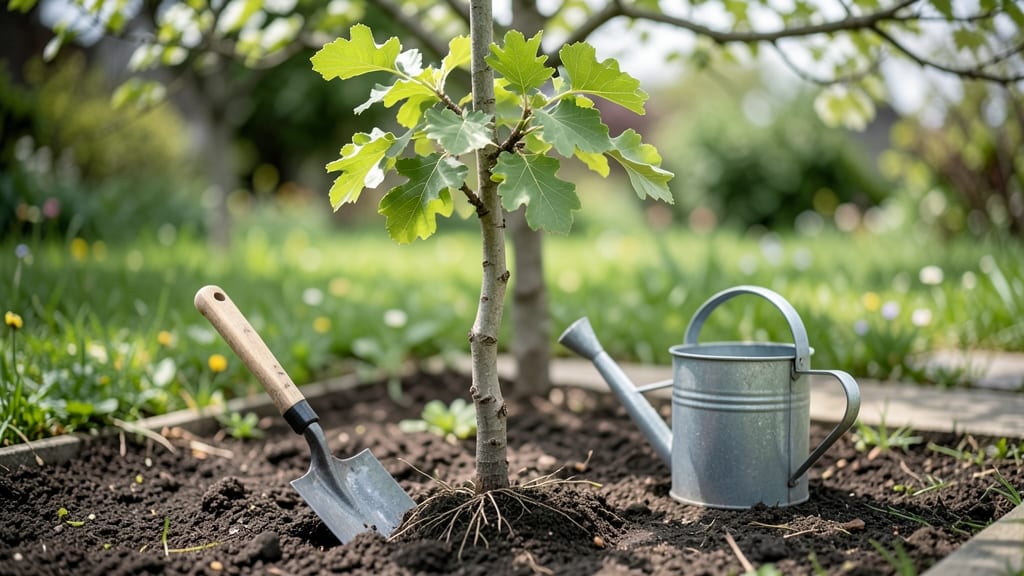
Planting an oak tree sapling means investing in a legacy that will tower over your landscape for centuries—if you do it right.
I’ve watched my own oak sapling go from a fragile 2-foot sapling to a sturdy 8-foot tree in just five years, and the secret starts with cold-stressed roots that establish deep, unshakable strength.
The key isn’t just digging a hole; it’s preparing the soil, timing the transplant, and protecting those delicate roots from shock.
You’ll need a sunny spot with at least 6 feet of clearance all around (oaks hate competition), a shovel, compost, and a thick layer of mulch. The soil should drain well—oaks despise soggy roots—but if yours is heavy clay, amending with compost will make all the difference.
Planting in early spring or fall, when the ground isn’t frozen, gives roots the best chance to settle before summer’s heat or winter’s freeze.
What you’ll end up with is a tree that grows 2-3 feet per year in ideal conditions, its branches eventually shading your backyard and providing wildlife habitat.
The first few years are critical—water deeply once a week (unless it rains) and keep mulch 3 inches thick but away from the trunk to prevent rot. Avoid common mistakes like planting too deep or disturbing the root ball more than necessary.
This method works for red, white, or bur oaks in zones 4-9, though adjustments are needed for sandy soils or urban planting spots. The payoff? A tree that outlives you—and your grandkids—with minimal fuss once established. Let’s get those roots in the ground the right way.
📚 In This Guide
- What you need
- Instructions
- Tips and common mistakes
- Wrapping up and next steps
What you need
- ● Oak tree sapling: 1-3 years old, 1–3 feet tall (choose a healthy, sturdy specimen with a well-developed root system).
- ● Shovel: 1 medium-sized digging shovel (for planting hole) and 1 trowel (for delicate root handling).
- ● Garden gloves: 1 pair (to protect hands from dirt and sharp roots).
- ● Measuring tape: 1 (to ensure proper hole depth and spacing).
- ● Watering can or hose: 1 with a gentle spray nozzle (for hydration).
- ● Mulch: 2–3 bags (3–4 inches of organic mulch like wood chips or straw).
- ● Compost or topsoil: 1–2 bags (for backfilling the hole).
- ○ Tree stake (optional): 1–2 (if needed for stabilization in windy areas).
- ○ Tree tie (optional): 1–2 (if using stakes, to secure sapling without damaging bark).
- ● Choose a sunny location with well-draining soil (oak trees thrive in full sun!).
- ● Check local regulations—some areas require permits for planting large trees.
- ● Plant in early spring or fall (avoid extreme heat or frost).
- ○ Test soil pH (optional but helpful)—oaks prefer slightly acidic to neutral soil (pH 5.0–7.0).
Step-by-Step guide to planting an oak tree sapling
Here’s how to give your young oak the strong foundation it needs to thrive for decades.
Choose the Right Location and Prepare the Soil
Oak trees demand space—plant your sapling at least 50 feet from structures, sidewalks, or other trees. They’ll grow into massive canopies, so avoid tight spots where roots could crack foundations or compete with neighbors. Test the soil first: dig a 12-inch-deep hole and check for compaction or clay layers. Oaks tolerate a wide range of soil types but struggle in waterlogged or rocky ground.
If your soil is heavy clay, amend it with 2-3 inches of compost mixed into the top 6 inches of native soil. This improves drainage without smothering roots. Avoid adding fertilizer now—young oaks need time to establish roots before competing with nutrients. Instead, focus on loosening the soil to encourage deep root growth, which is critical for cold hardiness.
Dig the Planting Hole and Handle the Sapling with Care
Dig a hole twice as wide as the sapling’s root ball but only as deep as the container’s drainage holes. Oaks hate being buried too deep, which can suffocate roots and lead to rot. Gently remove the sapling from its container, tapping the sides to loosen roots if they’re circling. If roots are tightly bound, use your fingers to tease them apart—this prevents girdling as the tree matures.
Place the sapling in the hole so the top of the root ball sits 1-2 inches above ground level. This ensures the tree doesn’t settle too low over time. Backfill with the native soil you removed, tamping lightly every 2 inches to eliminate air pockets. Avoid compacting the soil too firmly—you want roots to spread easily, not fight resistance.
Water Deeply and Mulch for Long-Term Stability
Water the sapling slowly and deeply until the soil 6 inches down is thoroughly moist. This encourages roots to grow downward for stability, especially important for cold resistance. Use a garden hose with a gentle spray nozzle or a watering can to avoid displacing soil around the base. After watering, the soil should feel damp like a wrung-out sponge—not soggy or puddled.
Spread 3 inches of mulch (wood chips or bark) in a 3-foot-wide ring around the base, keeping it 6 inches away from the trunk. Mulch insulates roots in winter and retains moisture in summer, but too much can smother the tree. Replenish mulch annually as it breaks down, but never pile it against the trunk—this traps moisture and invites rot.
Stake Only If Necessary and Protect from Early Stress
Staking is controversial, but for young oaks in windy areas, use two stakes driven 6-8 inches deep on opposite sides of the hole. Attach them loosely with flexible ties (like tree straps) to allow slight movement—this strengthens the trunk over time. Check ties every 2-3 months and loosen them as the sapling grows. If the tree sways slightly in the wind, it’s developing natural resilience.
In the first year, protect the sapling from late spring frosts and winter winds. Young oaks are vulnerable to cold damage, so wrap the trunk with tree guard (not plastic wrap) if your climate has harsh winters. Avoid pruning now—focus on root and trunk development. Water deeply once a month during dry spells, even in winter, to keep roots hydrated.
Tips & tricks for planting an oak tree sapling
Planting an oak sapling isn't just about putting it in the ground—it's about setting it up for decades of strength. Here's what I've learned from watching these trees grow from tiny saplings to towering giants.
Soil Preparation Secret: In Step 1, when you're testing that 12-inch-deep hole, pay special attention to the soil's texture. If it feels like packing clay bricks together, you're dealing with heavy clay. The 2-3 inches of compost mixed into the top 6 inches isn't just about drainage—it's creating a sponge-like layer that holds moisture while allowing air to reach the roots. I've seen saplings in unamended clay struggle with waterlogging, even when given plenty of water.
Root Handling Technique: Step 2's advice about gently removing the sapling and teasing apart circling roots is critical, but here's what nobody tells you: if you notice roots growing in tight circles around the root ball, don't just cut them—make small vertical cuts every inch or so. This mimics natural root growth patterns and gives your oak a better chance to establish itself. I learned this the hard way after watching several saplings develop girdling roots that eventually strangled their own growth.
Watering Wisdom: That 6-inch deep watering in Step 3 isn't just about getting moisture down—it's about teaching your sapling to develop deep roots. Here's my trick: after watering, stick your finger 6 inches down. If it feels dry at the bottom, water again. Young oaks need this deep hydration to develop cold resistance. I've seen too many saplings with shallow roots that freeze back in winter because they weren't properly watered during establishment.
Mulching Mastery: The 3-inch mulch ring in Step 3 is perfect, but here's the part that trips people up: that mulch should be spread like a donut, not a pancake. Keep it 6 inches away from the trunk to prevent rot. I've had to remove mulch piled against trunks that created perfect conditions for fungal diseases. Also, use only wood chips or bark—shredded leaves can mat down and prevent water from reaching the soil.
Pro Tips for Planting An Oak Tree Sapling
- Planting an oak sapling isn't just about putting it in the ground—it's about setting it up for decades of strength.
- Soil Preparation Secret: In Step 1, when you're testing that 12-inch-deep hole, pay special attention to the soil's texture.
- This mimics natural root growth patterns and gives your oak a better chance to establish itself.
Frequently asked questions
Got questions about planting your oak tree sapling? You’re not alone! Here are some of the most common concerns—and their straightforward solutions—to help you get started with confidence.
When is the best time to plant an oak tree sapling?
Plant in early spring or fall
when the ground is workable but not frozen. Avoid summer heat or winter frost, which can stress the roots. Oak saplings thrive with 6-8 weeks of root establishment before extreme temperatures hit. If you must plant in winter, use mulch to insulate the soil!
How deep should I plant the sapling?
The root flare (where roots meet the trunk) should sit just above ground level.
Dig a hole twice as wide as the root ball but no deeper. Burying too deep can suffocate roots, while planting too shallow leaves them exposed. Pro tip: Loosen the soil in the hole to encourage root spread!
Can I plant an oak sapling in clay soil?
Yes, but amend it first!
Clay soil drains poorly, risking root rot. Mix in compost or sand to improve aeration. Oaks are tough—just ensure the hole has proper drainage (e.g., a gravel layer at the bottom). Avoid compacting the amended soil around roots.
How often should I water a newly planted oak sapling?
Water deeply 2-3 times per week
for the first year, aiming for 1-2 inches of moisture per session. After that, reduce to weekly deep watering. Mulch helps retain moisture—keep it 2-3 inches thick but avoid piling against the trunk. Drought-stressed oaks may drop leaves!
What if my sapling’s leaves turn brown?
Brown leaves often mean overwatering, underwatering, or stress.
Check the soil: it should feel moist but not soggy. If roots are exposed, gently replant and water lightly. Fungal issues? Prune affected leaves and avoid wetting foliage. Most oaks bounce back with proper care!
Can I plant an oak sapling near my house or driveway?
Yes, but plan ahead!
Mature oaks need 50-75 feet of space for roots and canopy. Keep saplings at least 15 feet from structures to avoid root damage or foundation issues. Consult local codes—some areas restrict large trees near sidewalks.
Do oak saplings need fertilizer right after planting?
Not immediately!
New roots need time to establish. Wait 6-12 months before applying a balanced, slow-release fertilizer (e.g., 10-10-10). Over-fertilizing can burn roots. Compost in the planting hole is a gentler alternative for the first year.
Wrapping up and next steps
Planting an oak tree sapling is a rewarding act of patience and care—one that promises decades of shade, beauty, and ecological benefits.
By following the right steps, nurturing cold-stressed roots, and giving your young tree the love it deserves, you’re investing in a legacy that will thrive for generations. Now’s the time to roll up your sleeves! Check your local climate and soil conditions, then mark your calendar for the best planting season—whether it’s early spring or fall. Your oak’s future starts with a single shovel in the soil. 🌳✨